
Embarking on a new chapter in the Lone Star State, whether it’s a permanent relocation, an extended stay for business, or simply a desire to embrace the vibrant Texas lifestyle, often involves navigating a series of administrative processes. Among the most crucial for anyone planning to drive and reside in this vast and diverse state is understanding how to register a car in Texas. For travelers contemplating an extended exploration, or individuals making a definitive move, mastering the nuances of vehicle registration isn’t just a legal requirement; it’s a gateway to unlocking the unparalleled freedom and accessibility that defines life in Texas. From the bustling metropolises of Houston and Dallas to the serene beauty of the Hill Country and the historic charm of San Antonio, a properly registered vehicle is your essential companion for every adventure.
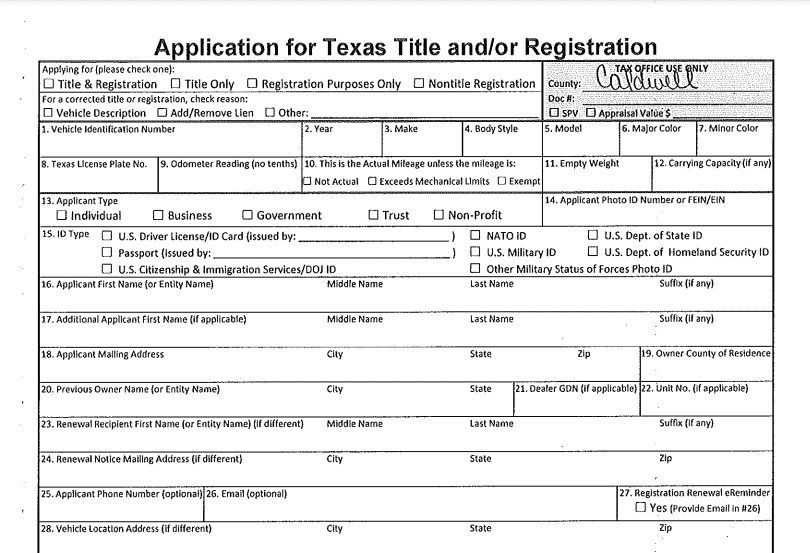
This comprehensive guide will walk you through every step of the Texas car registration process, ensuring a smooth transition. We’ll delve into the necessary documentation, the sequence of required actions, and even touch upon the costs involved, all while keeping in mind the broader context of travel, accommodation, and lifestyle that defines our readers’ interests. Whether you’re settling into a new apartment in Austin, planning a road trip to Big Bend National Park, or simply establishing your life in Fort Worth, understanding these steps is paramount.
Understanding the Texas Vehicle Registration Landscape
The process of registering a vehicle in Texas is a carefully structured one, designed to ensure all vehicles on the road meet specific safety and environmental standards, and that ownership is properly documented. It’s a multi-faceted endeavor that often begins even before you step foot into a county tax assessor-collector’s office. For those accustomed to varying state regulations, the Texas system might present unique requirements, making a clear understanding invaluable.
Who Needs to Register a Car in Texas?
The first question many ask is whether they actually need to register their car in Texas. The answer depends largely on your residency status and how long you plan to stay.
- New Residents: If you have moved to Texas and established residency, you are generally required to register your vehicle within 30 days of moving. Establishing residency can be defined by various actions, such as gaining employment, enrolling children in school, or purchasing property. This is a critical step for anyone envisioning a long-term lifestyle in the state, whether it’s setting up a new home in El Paso or embracing the vibrant cultural scene of Dallas.
- Purchased Vehicles: Any vehicle newly purchased within Texas – whether from a dealership or a private seller – must be registered in your name. If you purchase from a licensed dealer, they will often handle much of the initial paperwork for you, simplifying the process.
- Renewals: Existing Texas residents must renew their vehicle registration annually. This often involves a prior inspection and verification of insurance.
- Extended Stays for Visitors: While short-term visitors usually don’t need to register their out-of-state vehicles, those planning an extended stay – perhaps a sabbatical, a long-term remote work assignment, or a lengthy family visit that exceeds typical tourist durations – should consider the implications of Texas residency and the potential need to register. This is especially pertinent for individuals enjoying the state’s accommodation options, from luxury resorts to charming vacation rentals, who find themselves staying longer than anticipated.
Key Components of Texas Vehicle Registration
Before diving into the step-by-step guide, it’s essential to understand the four primary components that collectively constitute the registration process in Texas:
- Vehicle Inspection (Safety and Emissions): Almost all vehicles in Texas are required to pass an annual safety inspection. Additionally, vehicles in certain counties (primarily those in metropolitan areas like Houston, Dallas, and Austin) must also pass an emissions inspection. This ensures your vehicle is roadworthy and environmentally compliant, a crucial aspect of responsible travel and living.
- Financial Responsibility (Insurance): Texas law mandates that all drivers carry minimum liability auto insurance. Proof of current insurance is non-negotiable for vehicle registration. This offers peace of mind whether you’re commuting to work or embarking on a scenic drive through the Texas wine country.
- Vehicle Titling: The vehicle title is the legal document proving ownership. If you’re a new resident bringing a car from another state, or if you’ve purchased a vehicle, you’ll need to apply for a Texas title in your name. This is separate from registration but often handled concurrently or prior to it.
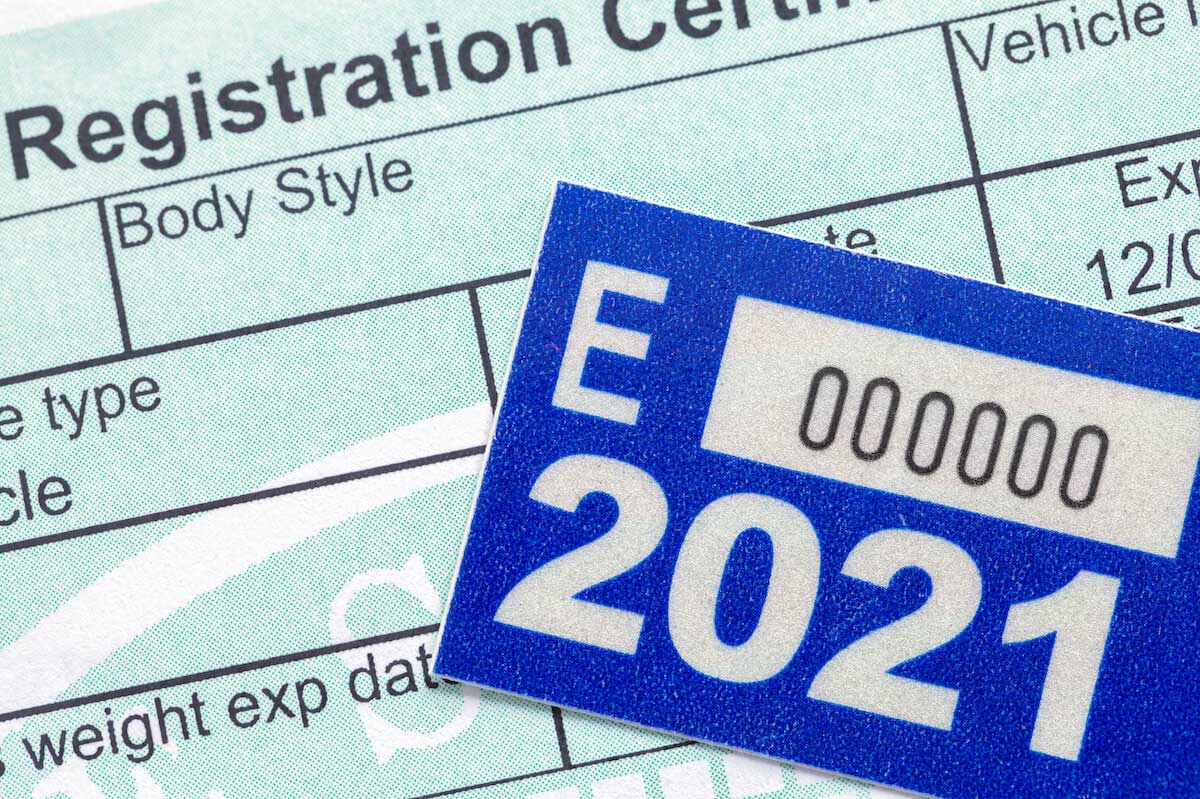
- Vehicle Registration: This is the final step, where you pay the necessary fees and receive your new license plates and registration sticker. This sticker, affixed to your windshield, indicates that your vehicle is legally permitted on Texas roads for the specified period.
Navigating the Car Registration Process Step-by-Step
The journey to a fully registered vehicle in Texas can be broken down into a series of manageable steps. Following this sequence will help streamline the process and minimize potential delays, allowing you to focus on enjoying your new life or travel experiences in the state.
Step 1: Secure Your Vehicle Inspection
This is typically the very first action you need to take.
- Find an Official Inspection Station: Look for a certified Texas Vehicle Inspection Station. These are readily available at many service stations, dealerships, and dedicated inspection facilities across the state. They will display a prominent sign indicating they are an “Official Vehicle Inspection Station.”
- Types of Inspections: Your vehicle will undergo a safety inspection, which checks components like brakes, tires, lights, steering, and horn. If you reside in one of the required counties (e.g., Harris County for Houston, Dallas County for Dallas, Travis County for Austin), an emissions inspection will also be conducted. This tests your vehicle’s exhaust to ensure it meets air quality standards.
- Passing the Inspection: Once your vehicle passes, the inspection station will electronically update the state database. You will typically receive a Vehicle Inspection Report (VIR) as proof. Keep this document handy for your registration appointment. The cost for an inspection usually ranges from $7 to $25, depending on whether an emissions test is included.
Step 2: Ensure You Have Valid Car Insurance
Before you can register your car, you must have active auto insurance that meets Texas’s minimum liability requirements:
- $30,000 for bodily injury per person
- $60,000 for bodily injury per accident
- $25,000 for property damage per accident
- Proof of Insurance: You’ll need to present proof of this insurance when you register your vehicle. This can be your insurance card, a copy of your policy, or an electronic version on your phone. Many providers can issue a temporary card instantly if you’re just setting up a new policy. Obtaining robust insurance is not just a legal formality but a practical necessity, providing essential protection as you navigate the state’s diverse terrains, from urban highways to scenic byways.
Step 3: Title Your Vehicle
If you are a new Texas resident bringing a vehicle from another state, or if you’ve purchased a vehicle and need to transfer ownership, obtaining a Texas title is a prerequisite for registration.
- New Residents (Out-of-State Titles): You must apply for a Texas Certificate of Title at your county tax assessor-collector’s office. You will need your out-of-state title, proof of inspection, proof of insurance, and possibly a Form 130-U, Application for Texas Certificate of Title. If you have a lienholder, they may hold the physical title, and you’ll need to provide their information.
- Purchased Vehicles (New or Used):
- From a Dealership: The dealership typically handles the titling process on your behalf, often including the fees in your purchase agreement.
- From a Private Seller: You and the seller must complete the Form 130-U, and you will need to present the original title, signed over to you. Sales tax (6.25% of the sales price or standard presumptive value, whichever is greater) will be due at this time. This is also where you’ll pay for your new Texas plates.
Step 4: Complete Your Vehicle Registration
With your inspection passed and title secured (or processed), you are ready for the final step: registration.
- Where to Go: Head to your county tax assessor-collector’s office. You can find their locations and operating hours on the Texas Department of Motor Vehicles (TxDMV) website.
- Required Documents for Registration: Ensure you have the following:
- Proof of Inspection: Your Vehicle Inspection Report (VIR).
- Proof of Insurance: Your current liability insurance card or policy.
- Proof of Ownership: Your Texas Certificate of Title or the original out-of-state title (for new residents). If you’ve just bought a car and applied for a new Texas title, the application receipt might suffice.
- Driver’s License: Your valid Texas driver’s license (or out-of-state license if you are a new resident applying for a Texas license concurrently).
- Payment: Funds for registration fees and potentially sales tax (if not paid during titling).
- Receiving Your Registration: Once all documents are verified and fees paid, you will receive your new Texas license plates and a registration sticker. Affix the sticker to the lower left corner of your vehicle’s windshield. Congratulations, your vehicle is now legally registered in Texas!
Costs and Considerations for Texas Car Registration
Understanding the financial implications and specific deadlines is vital for a seamless registration process and for budget-conscious lifestyle planning.
Breaking Down the Fees
The total cost for registering a car in Texas can vary based on your vehicle type, where you live, and whether you are also titling a new vehicle.
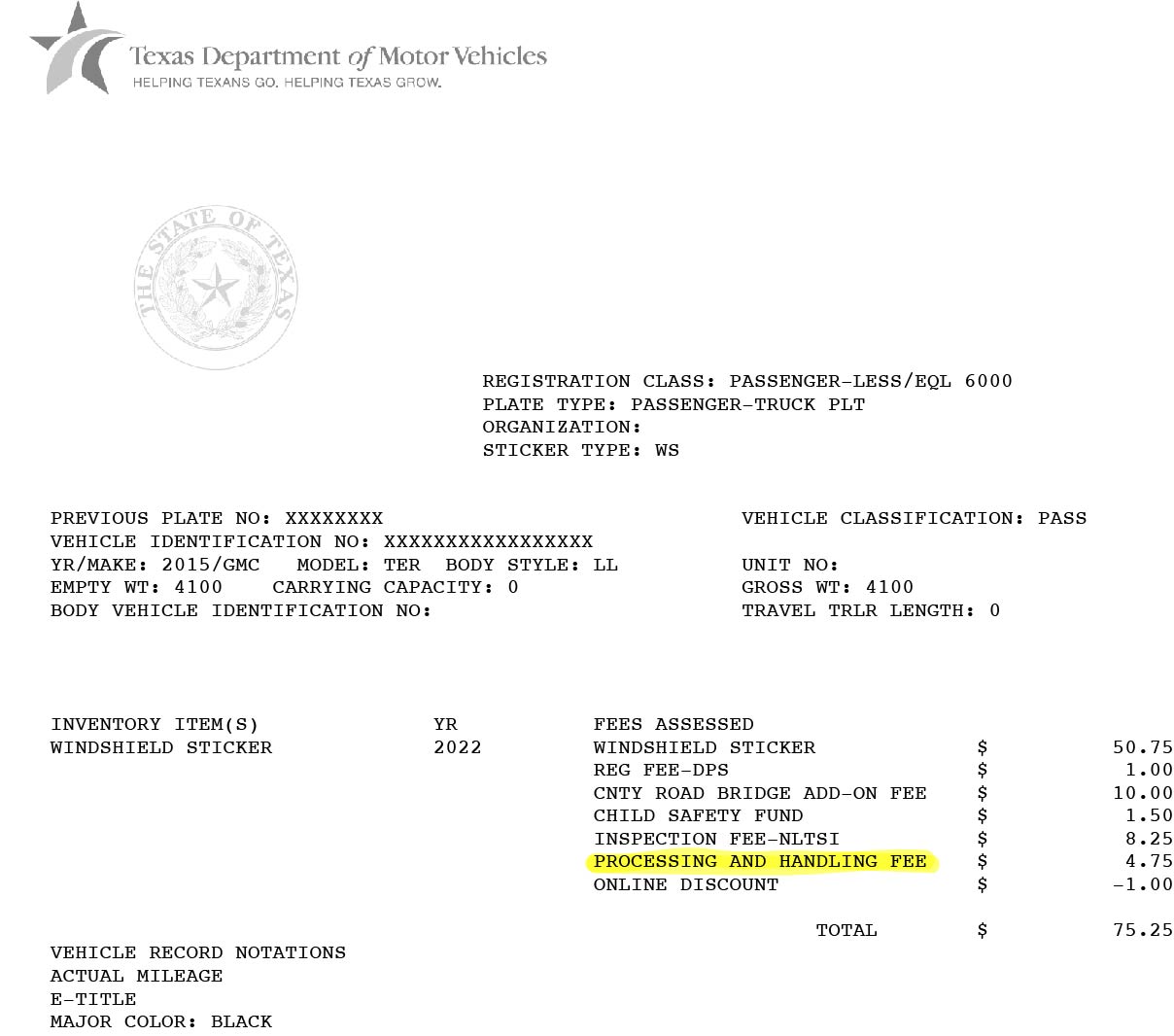
- Basic Registration Fee: The standard fee for passenger vehicles and light trucks is approximately $50.75.
- Local Fees: Many counties levy additional fees, often around $10 for road and bridge maintenance.
- Inspection Fees: As mentioned, these range from $7 to $25.
- Sales Tax: If you purchased your vehicle (new or used), you will owe a 6.25% sales tax on the purchase price (or standard presumptive value for used vehicles) if it hasn’t already been collected by a dealer.
- Title Application Fee: Typically around $33 for a standard title.
- License Plate Fees: Included in the overall registration, but specialty plates will incur additional costs.
- Processing and Other Fees: Small administrative fees may also apply.
A new resident moving a vehicle from out-of-state could expect to pay anywhere from $100 to $200 in various fees, excluding sales tax if applicable.
Important Deadlines and Penalties
Adhering to deadlines is crucial to avoid penalties and ensure continuous legal operation of your vehicle.
- New Residents: You have 30 days from establishing residency to title and register your out-of-state vehicle.
- Vehicle Purchases: You typically have 30 days from the date of purchase to title and register a newly acquired vehicle.
- Registration Renewal: Your registration sticker shows its expiration date. You can renew up to 90 days before it expires and typically have a five-day grace period after the expiration. However, it’s best to renew before the deadline. Online renewals are often available through the TxDMV website.
- Penalties: Driving with an expired registration, no valid inspection sticker, or without proper insurance can lead to significant fines, citations, and even your vehicle being impounded. These unwelcome expenses can quickly detract from your travel budget or impact your ability to enjoy the Texas lifestyle.
Special Cases and Considerations
- Commercial Vehicles: Different rules and fees apply to commercial vehicles.
- Trailers: Trailers weighing over a certain amount also require registration.
- Electric Vehicles: While Texas encourages EV adoption, there may be specific fees related to electric vehicle registration to offset lost fuel tax revenue.
- Temporary Permits: If you need to move a vehicle that isn’t currently registered or inspected, the TxDMV offers temporary permits. These are useful for short-term transportation, such as moving a newly purchased vehicle to an inspection station or repair shop.
Life in Texas and Beyond Your Registered Vehicle
With your car properly registered, a whole new world of exploration opens up. Texas’s sheer size and diverse offerings make a personal vehicle an almost indispensable asset for anyone wanting to truly experience the state. From urban adventures to natural retreats, your registered car becomes your trusted passport.
Exploring Texas with Confidence
Imagine the freedom of driving from the energetic live music scene of Austin to the historic battlegrounds of the Alamo in San Antonio. Or perhaps embarking on a culinary tour of Houston’s diverse neighborhoods, sampling everything from world-class BBQ to authentic international cuisine. Your registered vehicle allows you to bypass the constraints of public transport schedules, providing the flexibility to pursue spontaneous adventures.
- Cultural Destinations: Visit the Space Center Houston for an awe-inspiring look at space exploration, or immerse yourself in the art districts of Dallas and Fort Worth. Having your own car means these landmarks and cultural centers are always within reach, offering unparalleled convenience for tourists and residents alike.
- Natural Wonders: Beyond the cities, Texas boasts stunning natural landscapes. Drive to Big Bend National Park for breathtaking desert vistas and hiking trails, or explore the charming small towns and vineyards nestled in the Hill Country. A reliable, registered vehicle is essential for navigating the vast distances between these incredible destinations, allowing you to craft your own itinerary without compromise.
- Lifestyle Integration: For new residents, a registered vehicle is more than just transportation; it’s a tool for integrating into the local lifestyle. It enables daily commutes, grocery runs, school drop-offs, and weekend getaways, making the transition to life in Texas significantly smoother and more enjoyable. It’s about building a life, not just visiting.
The Texas Driving Experience
Driving in Texas is an experience in itself. The state boasts expansive, well-maintained highway systems, making road trips a pleasure. However, it also features bustling urban centers with their own traffic patterns and rural roads that demand attention. Your properly registered and inspected vehicle ensures you are prepared for all these scenarios, offering safety and compliance for every mile traveled.
Whether you’re planning a luxurious stay at a Dallas high-rise, an adventure-filled family trip to a Galveston resort, or a budget-friendly exploration of Texas’s hidden gems, having your car legally registered removes a significant hurdle. It enables you to fully embrace the freedom that Texas offers, from its diverse landscapes and rich history to its vibrant cities and welcoming communities.
In conclusion, understanding and completing the car registration process in Texas is an indispensable step for anyone planning to reside, work, or embark on an extended journey within the state. By diligently following these steps, you not only comply with state law but also secure the means to independently explore the boundless attractions, diverse accommodations, and unique lifestyle opportunities that define the Lone Star State. Your vehicle, properly titled and registered, becomes your personal gateway to all the wonders Texas has to offer, turning administrative necessity into an empowering freedom.
LifeOutOfTheBox is a participant in the Amazon Services LLC Associates Program, an affiliate advertising program designed to provide a means for sites to earn advertising fees by advertising and linking to Amazon.com. Amazon, the Amazon logo, AmazonSupply, and the AmazonSupply logo are trademarks of Amazon.com, Inc. or its affiliates. As an Amazon Associate we earn affiliate commissions from qualifying purchases.