
When planning a trip, especially to a bustling metropolis like Detroit, understanding the local time zone is often one of the first logistical considerations. It impacts everything from flight schedules and hotel check-in times to coordinating business meetings or simply knowing when attractions open and close. The question “Is Detroit in Eastern Time?” is not just a query about geography; it’s a gateway to understanding how time influences travel experiences, tourism planning, and daily life in the heart of Michigan.
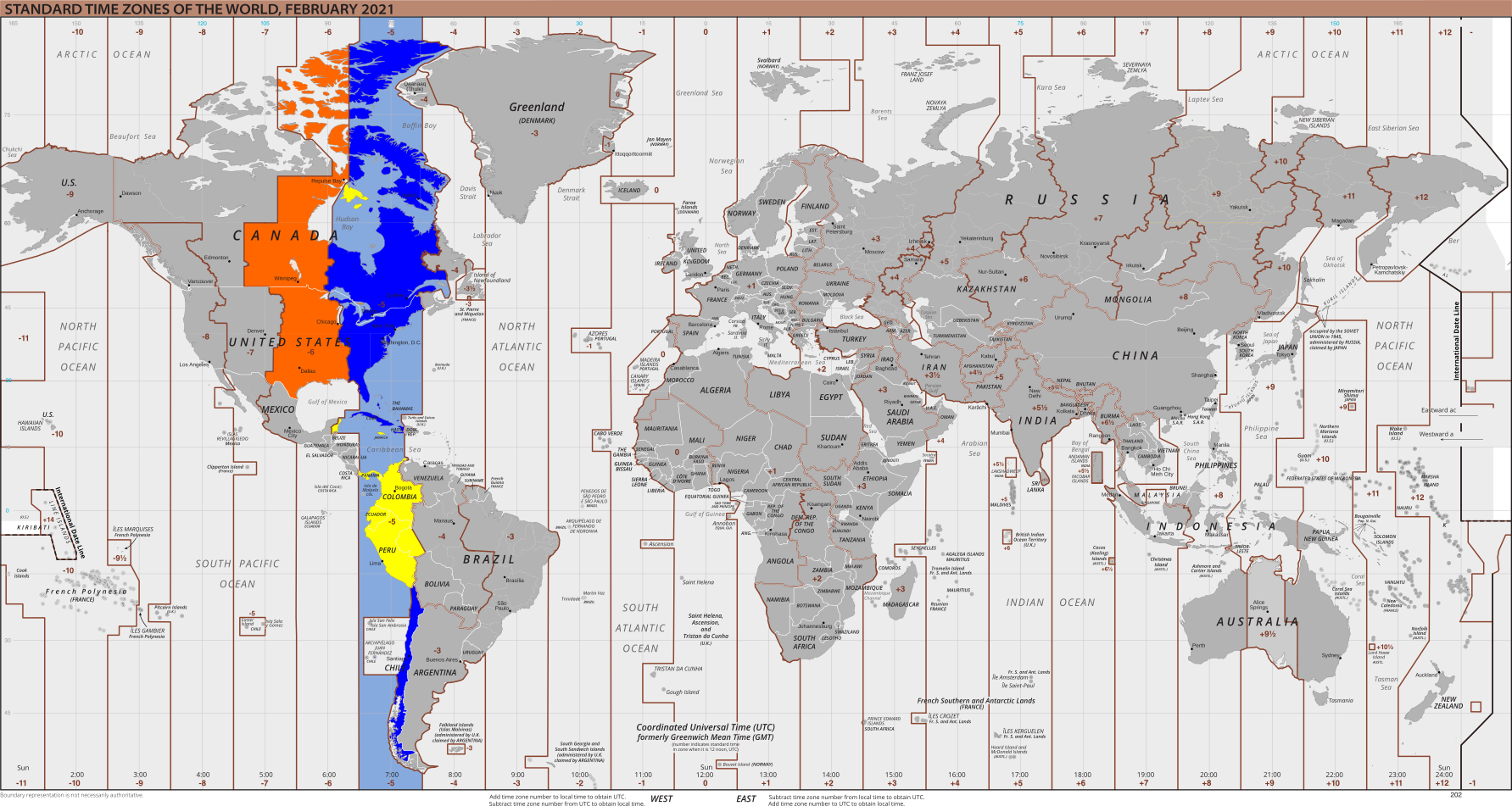
Indeed, Detroit, like the vast majority of Michigan, proudly observes Eastern Time. This places it alongside major cities on the United States’s East Coast, such as New York City, Washington, D.C., and Miami, making it convenient for travelers from these regions. For those venturing from the west, particularly from Central Time or Pacific Time zones, adjusting your internal clock is a necessary part of the journey. This article delves into the specifics of Detroit’s time zone, its implications for travelers, and how this dynamic city offers an array of experiences for every type of visitor, from luxury seekers and business travelers to families and budget-conscious adventurers.

Navigating Time: Detroit’s Place in the Eastern Time Zone
Understanding which time zone a destination adheres to is crucial for seamless travel planning. For Detroit, its position firmly within the Eastern Time zone simplifies many logistical aspects for visitors.
Understanding Eastern Time (ET) and Eastern Daylight Time (EDT)
The Eastern Time Zone operates on Greenwich Mean Time (GMT) or Coordinated Universal Time (UTC) minus five hours (UTC-5) during standard time, which is referred to as Eastern Standard Time (EST). However, for much of the year, particularly from early spring to late autumn, Detroit observes Eastern Daylight Time (EDT), which is UTC-4. This shift means clocks are moved forward by one hour to make better use of daylight, providing longer evenings for exploration and leisure activities.
Michigan’s adherence to the Eastern Time zone is largely geographical, aligning it with its populous neighbors to the east and south, including Ohio, Indiana (mostly), and Pennsylvania. The consistency across the state, with the exception of a few western counties in the Upper Peninsula that border Wisconsin and observe Central Time, simplifies travel within Michigan. For travelers to Detroit, this means they can expect stable timekeeping, unaffected by internal state borders. Knowing whether you’re arriving during EST or EDT is important for confirming appointments, tour times, and event schedules, as these nuances can sometimes trip up even experienced travelers.
The Impact on Travel Planning and Logistics
The significance of Detroit’s time zone extends beyond mere clock-watching; it fundamentally shapes the travel planning and logistics for any visitor. When booking flights to Detroit Metropolitan Wayne County Airport (DTW), all arrival and departure times will be listed in local Eastern Time. This requires careful consideration if you’re departing from a different time zone. For instance, a flight leaving Los Angeles (Pacific Daylight Time) at 9:00 AM might arrive in Detroit at 5:00 PM local time, accounting for both flight duration and the three-hour time difference. This time shift can contribute to jet lag, even within domestic travel, so factoring in extra rest upon arrival can enhance your initial experience of the city.
Similarly, hotel check-in and check-out times, typically around 3:00 PM and 11:00 AM respectively, are strictly observed in Eastern Time. Coordinating business meetings, particularly with partners in different time zones, becomes a critical exercise in scheduling. A 10:00 AM meeting in Detroit is 7:00 AM in Los Angeles and 9:00 AM in Dallas, requiring clear communication to avoid misunderstandings. For leisure travelers, this knowledge ensures you don’t miss out on timed tickets for attractions, specific dining reservations, or scheduled events. Always double-check event times and attraction hours against the local Eastern Time to maximize your itinerary and avoid disappointment.
Beyond the Clock: Experiencing Detroit’s Vibrant Culture and Landmarks
While understanding the time zone is a practical necessity, the true joy of visiting Detroit lies in immersing oneself in its rich history, dynamic culture, and impressive array of landmarks. The city, often referred to as the “Motor City,” has undergone a remarkable renaissance, blending its industrial heritage with a burgeoning arts scene, innovative culinary landscape, and a resilient community spirit.
Iconic Landmarks and Attractions
Detroit boasts a diverse collection of landmarks that reflect its multifaceted identity. The Henry Ford Museum and Greenfield Village in nearby Dearborn offer an unparalleled journey through American innovation and history, showcasing everything from presidential limousines to historic workshops. No visit to Detroit is complete without a pilgrimage to the Motown Museum, “Hitsville U.S.A.,” where legendary artists like The Supremes and Stevie Wonder recorded their iconic tracks. Stepping into Studio A, where so much history was made, is an experience that resonates deeply with music lovers worldwide.
For art enthusiasts, the Detroit Institute of Arts (DIA) houses a world-class collection spanning various cultures and periods, including Diego Rivera’s powerful “Detroit Industry Murals.” The Detroit Riverwalk provides stunning views of the Detroit River and the Windsor, Canada skyline, offering a serene escape amidst the urban bustle. Downtown, Campus Martius Park serves as a lively hub year-round, transforming into an ice rink in winter and a green space with concerts and events in summer. Architectural marvels like the opulent Fox Theatre and the art deco masterpieces of the Fisher Building and Guardian Building are testament to the city’s grand past. Sports fans can catch a game at Comerica Park (home to the Detroit Tigers) or Little Caesars Arena (for the Detroit Red Wings and Detroit Pistons), while the imposing GM Renaissance Center stands as an iconic symbol of Detroit’s skyline and corporate presence. All these attractions operate on Eastern Time, so planning your visits accordingly is key.
Culinary Delights and Local Culture

Detroit’s cultural fabric is as rich and diverse as its history. The city’s culinary scene has exploded, moving far beyond its traditional roots. While you absolutely must try an authentic Detroit-style pizza – thick, square, and with a crispy, cheesy crust – the options are endless. From upscale farm-to-table restaurants in Corktown to vibrant eateries in Mexican Town and the lively atmosphere of Greektown with its casinos and traditional fare, there’s a flavor for every palate. The city’s food culture reflects its immigrant history and ongoing revitalization, with new chefs and innovative concepts constantly emerging.
Beyond food, Detroit’s local culture thrives in its music venues, art galleries, and community events. Jazz clubs, techno music festivals, and a thriving street art scene contribute to the city’s artistic pulse. Exploring neighborhoods like Corktown, the oldest surviving neighborhood in Detroit, or the burgeoning Rivertown district, reveals the unique character and resilience of the local community. The spirit of innovation that birthed the automotive industry continues to inspire entrepreneurs, artists, and community leaders, making Detroit a fascinating place to explore.
Accommodation Choices in the Motor City
When it comes to accommodation, Detroit offers a wide spectrum of choices, catering to various preferences and budgets, fitting perfectly within the “Hotels” and “Accommodation” topics of our website. For luxury travelers, downtown Detroit boasts opulent options like the Shinola Hotel, renowned for its bespoke design and impeccable service, or the Detroit Marriott at the Renaissance Center, offering stunning panoramic views from its riverside location. These establishments often come with high-end amenities, including fine dining restaurants, fitness centers, and business services, ideal for both leisure and business stays.
Boutique hotels are also gaining popularity, offering unique experiences with a local touch. For those seeking more budget-friendly options, numerous mid-range hotels and trusted chains are available throughout the city and its surrounding areas, providing comfortable stays without breaking the bank. Additionally, the rise of short-term rental platforms allows visitors to experience Detroit like a local, staying in apartments or historic homes. When booking, always confirm check-in/check-out times in Eastern Time and inquire about amenities like parking, Wi-Fi, and proximity to the attractions you plan to visit, which are crucial for a smooth accommodation experience.
Lifestyle and Travel: Making the Most of Your Detroit Visit
Detroit is a city that embraces diverse lifestyles, offering experiences that cater to every type of traveler, from those on a tight budget to those seeking the pinnacle of luxury. Integrating these aspects into your travel plans ensures a trip tailored to your preferences, aligning perfectly with the “Lifestyle” topic.
Family-Friendly Adventures and Budget Travel Tips
Traveling with family to Detroit can be incredibly rewarding. Many attractions, like the Detroit Zoo in nearby Royal Oak or the hands-on exhibits at the Michigan Science Center, are designed to engage children of all ages. Belle Isle Park, a large island park in the Detroit River, offers numerous free activities, including an aquarium, conservatory, and stunning views of the city skyline and Canada. Exploring the Detroit Riverwalk with its playgrounds and open spaces is another fantastic free option.
For budget-conscious travelers, Detroit offers many ways to enjoy the city without overspending. Many museums, like the Detroit Historical Museum and the Charles H. Wright Museum of African American History, offer affordable admission or free days. Public transportation, including the M-1 Rail (QLine) along Woodward Avenue and the People Mover downtown, can help save on transportation costs. Dining in ethnic enclaves like Mexican Town or exploring food truck rallies also provides delicious and economical meal options. Free walking tours, often available through local organizations, can offer insightful glimpses into Detroit’s history and architecture.
Luxury Stays and Business Travel Considerations
For those seeking a more luxurious experience, Detroit delivers with high-end hotels, gourmet dining, and exclusive experiences. Spa treatments, upscale shopping districts, and private tours can elevate a standard trip into a lavish getaway. Many luxury hotels offer concierge services to arrange personalized itineraries, from private car services to reservations at Detroit’s most exclusive restaurants. The city’s revitalized downtown and surrounding areas are also home to numerous art galleries, boutique shops, and entertainment venues that cater to a sophisticated clientele.
Business travelers will find Detroit well-equipped to meet their needs. The GM Renaissance Center houses extensive conference facilities, and many hotels offer dedicated business centers, meeting rooms, and high-speed internet access. Its location in the Eastern Time zone makes it convenient for East Coast corporate connections. Proximity to Detroit Metropolitan Wayne County Airport and efficient public transport like the M-1 Rail (QLine) facilitate easy movement around the city for appointments. Networking events and industry conferences are regular occurrences, capitalizing on Detroit’s ongoing economic growth and innovation, particularly in automotive technology and urban development.
Day Trips and Regional Exploration
Detroit’s strategic location in the Midwest, close to the Great Lakes region, also makes it an excellent base for various day trips and regional explorations. Just across the Ambassador Bridge or through the Detroit-Windsor Tunnel, you can cross into Windsor, Canada, and experience a different country (don’t forget your passport and be aware of potential time zone differences if Ontario also observes daylight saving). This offers a unique cross-border experience, adding another dimension to your travel narrative.
Within Michigan, the charming college town of Ann Arbor is a short drive away, offering a vibrant downtown, eclectic shops, and a renowned university campus. For nature lovers, the shores of Lake Erie or even parts of Lake Huron are accessible for scenic drives and outdoor activities. These regional excursions, all operating on the same consistent Eastern Time (mostly), enrich your understanding of the broader area and provide a chance to explore diverse landscapes and communities beyond the urban core of Detroit.
In conclusion, yes, Detroit is firmly in the Eastern Time zone, a foundational piece of information for any visitor. But this simple fact opens the door to a world of travel possibilities. From managing flight schedules and hotel bookings to exploring iconic landmarks and savoring diverse culinary experiences, Detroit offers a journey through history, innovation, and culture. Whether you’re planning a family vacation, a business trip, or a luxurious escape, understanding the city’s time zone is the first step toward a well-planned and unforgettable adventure in the heart of the Motor City.
LifeOutOfTheBox is a participant in the Amazon Services LLC Associates Program, an affiliate advertising program designed to provide a means for sites to earn advertising fees by advertising and linking to Amazon.com. Amazon, the Amazon logo, AmazonSupply, and the AmazonSupply logo are trademarks of Amazon.com, Inc. or its affiliates. As an Amazon Associate we earn affiliate commissions from qualifying purchases.