
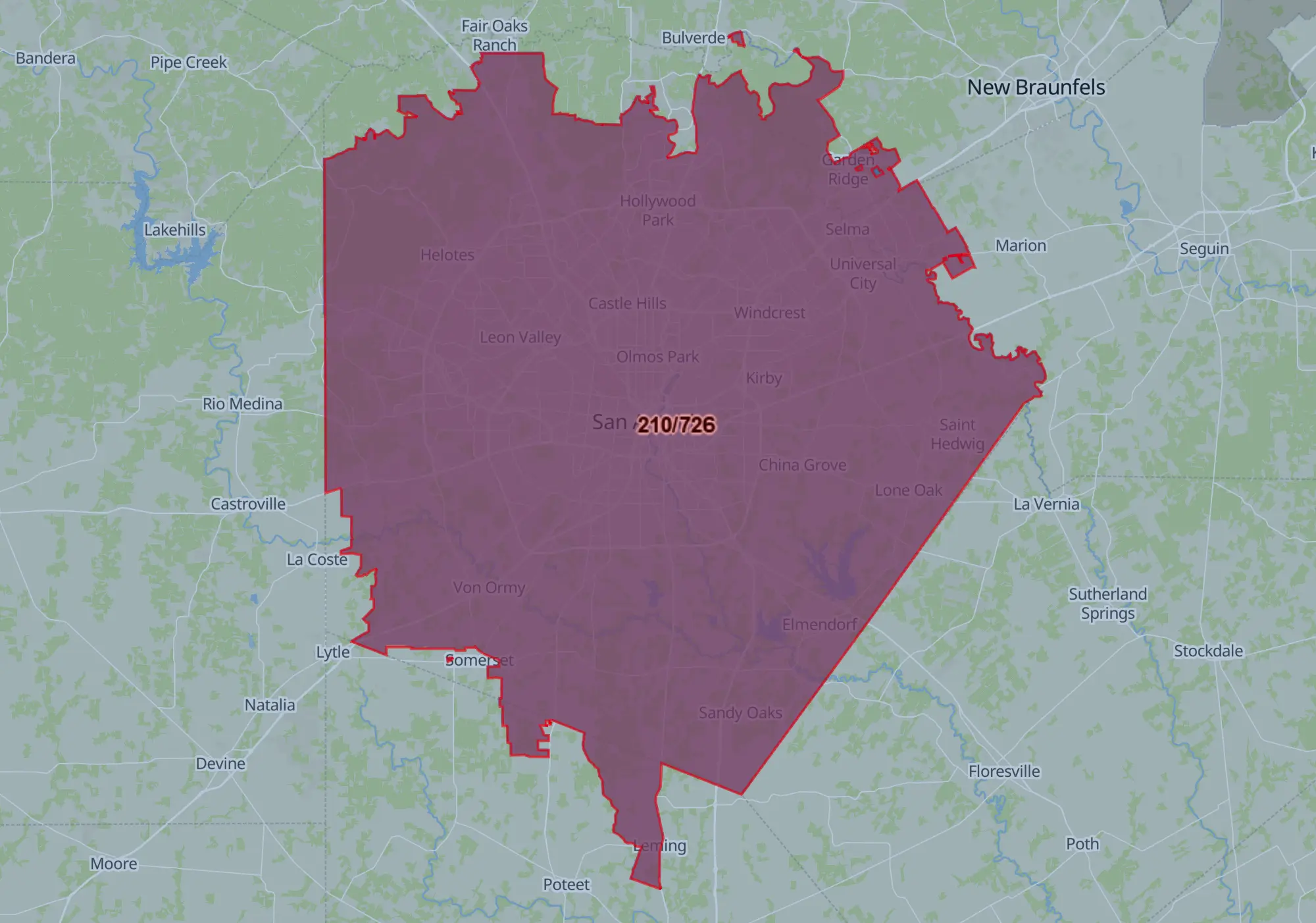
Yes, unequivocally, Area Code 210 is firmly rooted in the great state of Texas. For anyone planning a trip, considering a move, or simply curious about the geographical layout of telecommunication identifiers in the Lone Star State, understanding which regions fall under specific area codes is an essential first step. In the case of 210, it primarily serves San Antonio, one of Texas’s most vibrant and historically significant cities, along with its immediate surrounding communities.
This area code is more than just a sequence of numbers; it’s a digital gateway to a region rich in culture, history, and modern attractions that beckon travelers from all corners of the globe. From the iconic battlegrounds of The Alamo to the meandering serenity of the River Walk, San Antonio offers an unparalleled blend of experiences. For those interested in travel, tourism, and accommodation, understanding that Area Code 210 signifies the heart of San Antonio opens up a world of possibilities for planning an unforgettable Texas adventure.

Unveiling Area Code 210: Gateway to San Antonio’s Charms
The existence of Area Code 210 in Texas is a clear indicator of the historical and economic importance of the region it serves. Initially established in 1992 as a split from Area Code 512 (which serves Austin and Central Texas), 210 was created to accommodate the burgeoning population and increasing demand for telephone services in San Antonio and its environs. It effectively carved out a distinct identity for this crucial metropolitan area, differentiating it from other major Texas cities like Houston and Dallas, each with their own unique area codes and cultural narratives.
Where Area Code 210 Resides: A Geographical Overview
Area Code 210 is primarily associated with San Antonio, often referred to as “the Alamo City.” However, its reach extends beyond the immediate city limits, encompassing a significant portion of Bexar County and parts of several adjacent counties. These include sections of Atascosa County, Bandera County, Comal County, Frio County, Guadalupe County, Kendall County, Medina County, and Wilson County. This expansive coverage highlights the regional significance of San Antonio as a hub for commerce, tourism, and community life in South Central Texas.
Due to continued growth, an overlay area code, 726, was introduced to the same geographic region in 2018. This means that new phone numbers in the area may begin with either 210 or 726, requiring ten-digit dialing even for local calls. While the technical specifics might seem trivial to a traveler, this expansion underscores the dynamic growth and increasing allure of the San Antonio area as a destination for both short-term visits and long-term stays.
San Antonio: A Texas Gem Worth Exploring
For tourists, San Antonio’s location within Area Code 210 immediately places it on the map as a premier travel destination. The city is renowned for its deep historical roots, its unique blend of Anglo-American and Mexican cultures, and its vibrant contemporary scene. Unlike other major Texas cities that often prioritize modern skylines or sprawling business districts, San Antonio embraces its past while constantly innovating, offering visitors a distinctive and memorable experience. Its position as a gateway to the scenic Texas Hill Country further enhances its appeal, providing opportunities for day trips and outdoor adventures.
Immerse Yourself in History and Culture: Must-See Landmarks and Attractions
San Antonio is a city that wears its history proudly, making it an exceptional destination for those who appreciate landmarks, architecture, and compelling historical narratives. The city’s cultural tapestry is woven with threads of Spanish colonial influence, Mexican heritage, and the rugged spirit of the American West.
Iconic Historical Sites: Echoes of the Past
No visit to San Antonio is complete without a pilgrimage to The Alamo. This former mission and fortress compound served as a pivotal battleground during the Texas Revolution, becoming a symbol of courage and sacrifice. While smaller than many imagine, its profound historical significance resonates deeply, drawing millions of visitors annually. Nearby, the San Antonio Missions National Historical Park offers a broader glimpse into the region’s Spanish colonial past. This UNESCO World Heritage Site comprises four beautifully preserved 18th-century frontier missions: Mission San José, Mission Concepción, Mission Espada, and Mission San Juan Capistrano. Each mission offers unique architectural details, historical exhibits, and tranquil grounds, providing a captivating journey back in time. Visitors can explore the intricate facades, active Catholic parishes, and even functioning grist mills, gaining insight into the daily lives of early settlers and indigenous populations.
Beyond the missions, the King William Historic District showcases stunning 19th-century mansions, many of which have been meticulously restored. This upscale residential area, originally settled by German immigrants, is perfect for a leisurely stroll, offering a glimpse into the opulent lifestyle of San Antonio’s past elite.
Vibrant Cultural Hubs: Beyond the Battlefield
While history is a cornerstone, San Antonio’s cultural scene is dynamic and forward-looking. The world-famous River Walk, or Paseo del Rio, is arguably the city’s most iconic attraction. This picturesque network of walkways along the banks of the San Antonio River is lined with charming cafes, restaurants, shops, and lush landscaping. Visitors can enjoy leisurely boat tours, dine al fresco, or simply soak in the vibrant atmosphere. The River Walk extends for miles, connecting major attractions, hotels, and entertainment venues, making it the pulsating heart of downtown San Antonio’s tourism.
Just north of downtown lies the trendy Pearl District. Once the historic Pearl Brewery, this revitalized complex is now a culinary and cultural destination featuring acclaimed restaurants, boutique shops, a farmer’s market, and a branch of the Culinary Institute of America. It’s a prime example of urban renewal, blending historic architecture with contemporary design and offering a sophisticated “lifestyle” experience.
For a taste of authentic Mexican culture, Market Square, or El Mercado, is the largest Mexican market in the United States. Here, visitors can browse hundreds of specialty shops, enjoy live mariachi music, and savor delicious Tex-Mex cuisine. It’s a sensory feast, vibrant with colors, sounds, and aromas, offering unique souvenirs and an energetic atmosphere.
Art lovers will find a rich collection at the San Antonio Museum of Art, housed in the historic Lone Star Brewery complex, and the Witte Museum, which focuses on natural history, science, and Texas heritage. The Briscoe Western Art Museum further enriches the cultural landscape, celebrating the art, history, and culture of the American West.
Where to Stay: Navigating San Antonio’s Diverse Accommodation Landscape
As a major tourist destination, San Antonio boasts an extensive range of accommodation options, catering to every preference and budget, from opulent resorts to cozy boutique hotels and practical extended-stay apartments. Choosing the right place to stay is crucial for enhancing your travel experience.
Luxury and Boutique Stays: Indulgence on the River Walk and Beyond
For those seeking an indulgent experience, San Antonio offers an array of luxury hotels, many with prime locations along the famed River Walk.
- Hotel Emma: Located in the Pearl District, this former 19th-century brewery has been transformed into an award-winning boutique hotel. Known for its industrial-chic aesthetic, bespoke service, and exceptional culinary offerings, Hotel Emma provides a sophisticated and unique stay. It’s a destination in itself, often cited for its impeccable design and curated guest experience, perfect for luxury travel.
- Mokara Hotel & Spa: Situated directly on the River Walk, the Mokara Hotel & Spa offers an oasis of tranquility and elegance. Guests can enjoy a rooftop pool, a full-service spa, and gourmet dining, all within steps of San Antonio’s main attractions.
- The St. Anthony, a Luxury Collection Hotel: A historic landmark in its own right, The St. Anthony, a Luxury Collection Hotel embodies timeless glamour. Built in 1909, this grand hotel boasts opulent interiors, an iconic rooftop pool, and a rich history, providing a truly luxurious experience for travelers.
- Hyatt Regency San Antonio Riverwalk and Omni La Mansión del Rio: Both offer elegant accommodations directly on the River Walk, combining traditional Texas hospitality with modern amenities and stunning views.
- JW Marriott San Antonio Hill Country Resort & Spa: For those seeking a resort experience slightly removed from the downtown bustle, this expansive property in the scenic Texas Hill Country offers golf courses, a massive water park, and a luxurious spa, ideal for family trips or romantic getaways looking for a full-service retreat.
Family-Friendly and Budget Options: Comfort for Every Traveler
San Antonio also caters to family trips and budget-conscious travelers with numerous mid-range hotels, vacation rentals, and apartment-style accommodations. Chains like Hilton Palacio del Rio (also on the River Walk), Hotel Contessa, and various Marriott, Hyatt, and IHG properties are widely available, offering reliable comfort and amenities. For longer stays or group travel, vacation rentals through platforms that offer apartments and villas can provide more space and a local living experience, often at a more economical price point. These options are particularly appealing for those looking to immerse themselves in the local culture without the typical hotel structure, or for business stays requiring extended accommodation.
Experiencing San Antonio Lifestyle: Food, Fun, and Festivities
Beyond its historical sites and diverse lodging, San Antonio offers a vibrant lifestyle, characterized by its unique culinary scene, engaging activities, and lively cultural events.
A Culinary Journey: San Antonio’s Gastronomic Delights
San Antonio is widely recognized as a culinary hotspot, particularly for its authentic Tex-Mex cuisine. The city is often credited as the birthplace of Tex-Mex, and restaurants throughout the city serve up delicious enchiladas, fajitas, and puffy tacos. From the bustling atmosphere of the restaurants along the River Walk to the traditional eateries in Market Square, there’s no shortage of options to satisfy a craving for flavorful Texas-Mexican dishes.
However, San Antonio’s culinary landscape extends far beyond Tex-Mex. The city boasts an impressive array of fine dining establishments, particularly concentrated in the Pearl District and Southtown. Here, acclaimed chefs are pushing boundaries with innovative menus that blend local ingredients with international influences. Barbecue is another Texas staple, and San Antonio offers several highly-rated BBQ joints where visitors can savor slow-smoked brisket, ribs, and sausage. Moreover, a burgeoning coffee shop culture, craft breweries, and an increasing number of farm-to-table restaurants reflect the city’s dynamic and evolving food scene, catering to diverse tastes and preferences.
The annual Fiesta San Antonio, a city-wide celebration held in April, is a prime example of San Antonio’s vibrant lifestyle. This ten-day festival, steeped in history and tradition, features parades, concerts, culinary events, and family-friendly activities, drawing huge crowds and offering an immersive cultural experience.

Entertainment for All Ages: From Thrills to Tranquility
For family trips or those seeking exhilarating entertainment, San Antonio delivers. Six Flags Fiesta Texas provides thrilling roller coasters and live entertainment, while SeaWorld San Antonio combines marine animal shows, aquariums, and amusement rides for a day of aquatic fun. The San Antonio Zoo, one of the oldest and largest zoos in the United States, is another excellent option for families, featuring a diverse collection of animals and engaging exhibits.
Beyond the major theme parks, the Natural Bridge Caverns, just a short drive north of the city, offers an awe-inspiring underground adventure with its stunning rock formations and subterranean landscapes. For outdoor enthusiasts, the Government Canyon State Natural Area provides miles of hiking and biking trails, offering a natural escape close to the city.
The proximity to the Texas Hill Country also opens up opportunities for exploring charming small towns like New Braunfels, home to the famous Schlitterbahn Waterpark and the historic Gruene Historic District, known for its live music and antique shops. The Hill Country is also a burgeoning wine region, with numerous wineries offering tastings and tours, perfect for a relaxing day trip or a romantic excursion.
In conclusion, Area Code 210 is indeed in Texas, specifically anchoring the magnificent city of San Antonio and its surrounding communities. This area code signifies a region teeming with historical significance, cultural richness, diverse accommodation choices, and an engaging lifestyle for every type of traveler. Whether you’re planning a luxurious getaway, a family adventure, a dive into history, or a culinary exploration, San Antonio offers a compelling array of experiences that make it an essential stop on any Texas itinerary. From the moment you arrive at San Antonio International Airport (SAIA) and connect within the 210 zone, you’ll discover a city that truly embodies the spirit and charm of the Lone Star State.
LifeOutOfTheBox is a participant in the Amazon Services LLC Associates Program, an affiliate advertising program designed to provide a means for sites to earn advertising fees by advertising and linking to Amazon.com. Amazon, the Amazon logo, AmazonSupply, and the AmazonSupply logo are trademarks of Amazon.com, Inc. or its affiliates. As an Amazon Associate we earn affiliate commissions from qualifying purchases.