
The vibrant city of Detroit, Michigan, is a place of profound historical significance, economic resilience, and dynamic cultural evolution. Often dubbed “Motor City,” Detroit has seen dramatic shifts in its population over the last century, reflecting broader American industrial and social changes. Understanding its current population isn’t just about statistics; it’s about grasping the heartbeat of a city continually reinventing itself, a narrative that deeply influences its appeal as a travel destination, a hub for unique experiences, and a testament to urban revitalization. From its peak as the fourth-largest city in the United States to a period of significant decline, and now a remarkable resurgence, Detroit’s demographic journey is intricately linked to its identity, its landmarks, and the lifestyle it offers to residents and visitors alike. This article delves into the current population figures, explores the factors that have shaped them, and highlights how these dynamics contribute to Detroit’s unique charm and growing prominence on the global stage.

A Snapshot of Detroit’s Current Demographics
The population of a city is a living, breathing entity, constantly fluctuating with economic tides, social shifts, and individual choices. Detroit’s recent demographic trends paint a compelling picture of a city on the rise, attracting new residents and fostering a vibrant community spirit.
Understanding the Numbers: Recent Estimates and Trends
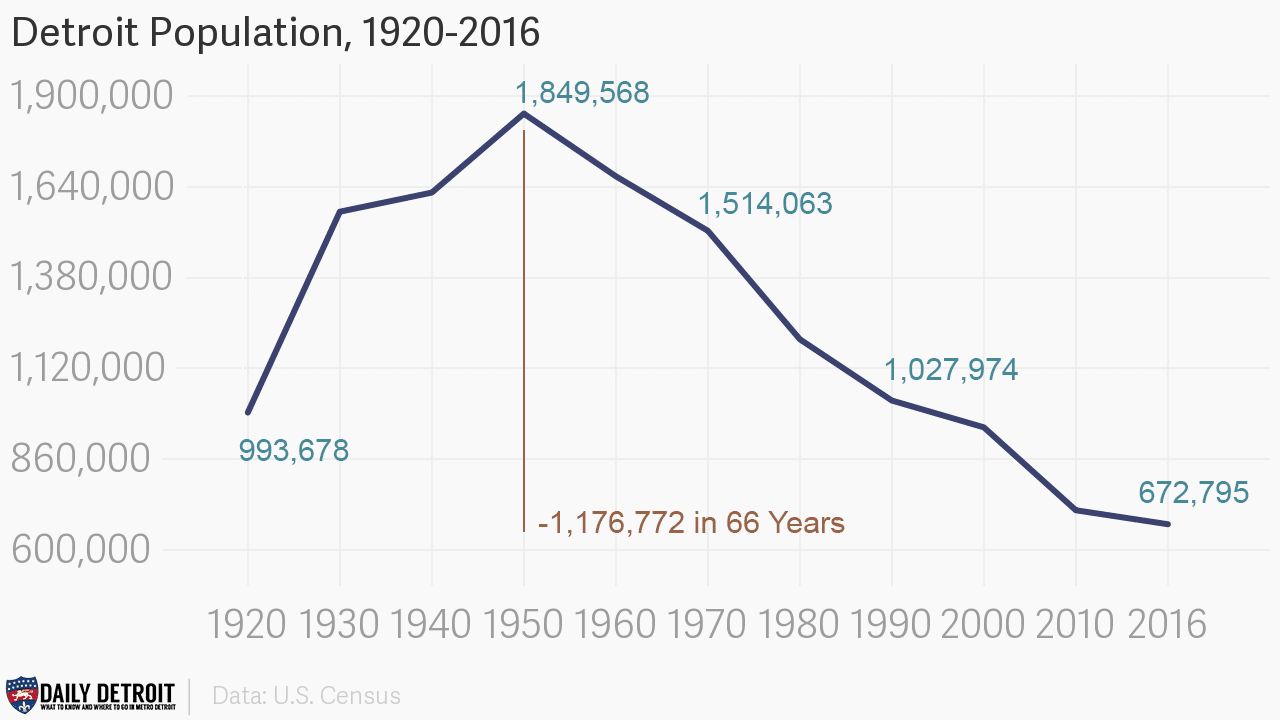
As of the most recent estimates, the population of Detroit, Michigan, hovers around the 630,000 mark. While specific figures can vary slightly between different reporting agencies, the U.S. Census Bureau provides the most authoritative data. Following the 2020 Census, Detroit’s population was recorded at 639,111. This figure represented a decrease from the 2010 Census, continuing a decades-long trend of population decline. However, more recent estimates and local analyses suggest a stabilization and even a modest increase in certain segments, signaling a turning point. The initial post-2020 estimates for some cities were impacted by the COVID-19 pandemic, which temporarily disrupted migration patterns and data collection. Despite the overall numerical decline since its peak, the narrative surrounding Detroit’s population is now one of growth in key areas, particularly in Downtown and Midtown.
The city’s demographic makeup is rich and diverse. Historically, Detroit has been a significant hub for African Americans, particularly during the Great Migration, and this demographic continues to form a substantial part of its population. Alongside this, there are growing Hispanic, Asian, and white communities, contributing to a vibrant mosaic of cultures. The age distribution reflects a blend of long-term residents and a noticeable influx of younger professionals and families drawn to the city’s burgeoning opportunities and revitalized urban core. This demographic diversity not only enriches the local culture but also influences the types of businesses, restaurants, and attractions that flourish within the city, making it an exciting destination for travelers interested in local culture and authentic experiences.
Factors Influencing Population Change
Detroit’s population trajectory is a complex interplay of various factors, chief among them being its remarkable economic revival. The city, once synonymous with manufacturing, is diversifying its economy at an impressive pace. While the automotive industry remains a cornerstone, with major players like General Motors, Ford Motor Company, and Stellantis headquartered or having a significant presence in the metropolitan area, new sectors are booming. Technology startups, healthcare, and professional services are creating thousands of jobs, attracting talent from across the nation. This economic vibrancy is a primary magnet for new residents, offering promising career paths in a city with a relatively affordable cost of living compared to other major urban centers.
Urban renewal and extensive development projects have also played a crucial role. Billions of dollars have been invested in renovating historic buildings, constructing new residential units, and enhancing public spaces. Areas like Downtown Detroit, Midtown, and Corktown have been transformed with new housing, retail, and entertainment options, making them highly desirable places to live. This revitalization has helped curb outward migration and, importantly, attracted an influx of new residents, including young professionals, artists, and entrepreneurs, who are drawn to the energy and potential of a city in transformation. The improved quality of life, marked by a burgeoning arts and culture scene, diverse culinary options, and enhanced recreational opportunities, further strengthens Detroit’s appeal, cementing its reputation as a fantastic destination for both short-term visits and long-term stays.
Detroit’s Rich History and Its Demographic Evolution
To truly appreciate Detroit’s current population dynamics, it’s essential to look back at its storied past. The city’s history is a dramatic saga of explosive growth, significant challenges, and ultimately, an inspiring comeback.
From “Motor City” Peak to Decline
The early 20th century marked Detroit’s golden age, fueled by the revolutionary rise of the automotive industry. Pioneering innovators like Henry Ford transformed manufacturing, drawing millions of people to the city in search of work and opportunity. This period saw an unprecedented population boom, with Detroit growing from a relatively modest city to a sprawling industrial powerhouse. By the 1950s, its population soared past 1.8 million, making it the fourth-largest city in the United States. The promise of well-paying factory jobs attracted workers from across the globe, as well as a significant portion of African Americans migrating from the Southern United States during the Great Migration, dramatically shaping the city’s demographic and cultural landscape.
However, the latter half of the 20th century brought significant challenges. Deindustrialization, marked by factory automation and the relocation of manufacturing plants, led to massive job losses. This economic downturn was compounded by social issues, including racial tensions and urban unrest, most notably the 1967 Detroit riot. These factors, combined with “white flight” to the suburbs, resulted in a sustained and dramatic population decline that lasted for decades. By the turn of the 21st century, the city faced severe financial distress, culminating in its historic municipal bankruptcy filing in 2013, the largest in U.S. history. This period was characterized by widespread blight, high unemployment, and a sense of abandonment, leading many to question the city’s future.
The Resurgence: A City Reimagined
The period following the 2013 bankruptcy proved to be a pivotal turning point for Detroit. The city’s emergence from bankruptcy marked the beginning of an extraordinary resurgence, driven by strategic investments, strong leadership, and the unwavering spirit of its residents. Major corporations, notably Quicken Loans (now Rocket Mortgage) under the leadership of Dan Gilbert, poured billions into revitalizing Downtown and Midtown. This investment spurred the renovation of iconic buildings, the construction of new commercial and residential spaces, and the creation of vibrant public areas.

The transformation extended beyond mere infrastructure. New businesses, particularly in technology, design, and culinary arts, began to flourish, attracting a new generation of entrepreneurs and professionals. The Detroit RiverWalk transformed the city’s waterfront into a stunning recreational area, while the QLine streetcar connected key neighborhoods, enhancing accessibility and urban mobility. These developments have not only stemmed the tide of population loss but have actively begun to reverse it in many urban core areas. The narrative shifted from one of decline to one of innovation, community-building, and opportunity, drawing diverse groups of people seeking to be part of Detroit’s exciting next chapter. This remarkable comeback story makes Detroit a compelling example of urban regeneration and a fascinating destination for visitors interested in history, architecture, and resilience.
Detroit as a Destination: How Population Dynamics Shape Travel and Tourism
The ebb and flow of Detroit’s population are not just demographic curiosities; they profoundly influence the city’s appeal and offerings as a travel destination. A growing and diverse population breathes new life into neighborhoods, fosters cultural innovation, and drives the development of tourism infrastructure.
Vibrant Neighborhoods and Cultural Hotspots
Detroit’s population diversity is its greatest asset, manifesting in a rich tapestry of vibrant neighborhoods, each with its own distinct character and attractions. The influx of new residents, combined with the strong roots of long-term communities, has fueled a cultural renaissance. Midtown, home to the Detroit Institute of Arts and the Detroit Historical Museum, buzzes with students, artists, and professionals, offering a wealth of galleries, boutiques, and diverse eateries. Corktown, the city’s oldest neighborhood, has transformed into a trendy hub with acclaimed restaurants and breweries, attracting a younger demographic while preserving its Irish heritage.
Downtown Detroit pulses with energy, showcasing iconic landmarks like the Fox Theatre and the Detroit Marriott at the Renaissance Center, which anchors the striking Renaissance Center complex. Beyond these core areas, visitors can explore the historic charm and fresh produce of Eastern Market, delve into the soulful history of music at the Motown Museum, or journey through American innovation at The Henry Ford Museum in nearby Dearborn. The evolving culinary scene, driven by both established chefs and new gastronomic ventures, offers everything from classic Detroit-style pizza to sophisticated fine dining, catering to a diverse palate shaped by its multicultural population. These attractions, combined with a packed calendar of festivals and events, ensure that Detroit provides engaging experiences for every type of traveler.
Accommodation and Lifestyle for Visitors
The resurgence in Detroit’s population and its growing appeal as a tourist destination have directly spurred significant developments in its accommodation sector. New hotels are opening, catering to a range of preferences and budgets, reflecting the city’s dynamic lifestyle options. For luxury travelers, establishments like the Shinola Hotel offer bespoke experiences, blending high-end design with local flair, while the Detroit Marriott at the Renaissance Center provides stunning riverfront views and extensive amenities for business stays and family trips. Boutique hotels such as The Siren Hotel capture the city’s unique artistic spirit, offering stylish and intimate lodging experiences that immerse guests in local culture.
For those seeking more flexible or long-term accommodation, the growing residential population also supports a thriving market for apartment rentals through platforms like Airbnb, offering visitors the chance to live like a local in various revitalized neighborhoods. This range of options ensures that whether you’re a luxury traveler, a budget-conscious adventurer, a family on vacation, or a professional on a business trip, Detroit has suitable and comfortable places to stay. The city’s lifestyle offerings are equally diverse. From exploring the thriving arts scene in Midtown and Corktown to enjoying live music venues, sporting events, and outdoor activities along the Detroit RiverWalk, the vitality of Detroit’s population directly translates into a vibrant and welcoming atmosphere for visitors, making it an increasingly popular choice for unique travel experiences.
The Future of Detroit’s Population and Its Impact
Detroit’s journey is far from over. The trends indicate a promising future, but also highlight the ongoing efforts required to ensure sustainable and equitable growth for its population.
Sustaining Growth and Addressing Challenges
Looking ahead, projections suggest a continued stabilization and modest growth in Detroit’s population, particularly within its urban core and surrounding revitalized neighborhoods. However, sustaining this growth requires ongoing commitment to addressing systemic challenges. Equitable development is paramount, ensuring that the benefits of revitalization reach all residents, not just a select few. This involves investments in affordable housing, improved public education, and community development initiatives in neighborhoods beyond the immediate downtown area. Infrastructure improvements, including public transportation and modern utilities, are also critical to accommodating a growing population and enhancing the overall quality of life.
Local government, community organizations, and private sector partners are actively collaborating on strategies to attract and retain residents. Programs aimed at fostering entrepreneurship, expanding job training opportunities, and creating safer, greener communities are all designed to make Detroit an even more desirable place to live. The city’s ability to tackle these challenges head-on will determine the long-term trajectory of its population growth and its continued success as a vibrant urban center. This sustained effort not only benefits residents but also bolsters the city’s reputation, making it an even more attractive destination for tourism and investment within Michigan and the broader Midwest.
A Beacon for Investment and Innovation
Detroit’s evolving population narrative reinforces its position as a beacon for investment and innovation. The city is increasingly recognized as an attractive hub for technology companies, creative industries, and manufacturing innovation, often dubbed a “Silicon Valley of the Midwest” by some. Its affordability, compared to coastal tech hubs, combined with a growing talent pool and a strong sense of community, makes it an ideal environment for startups and established companies alike. This continuous influx of businesses and capital further stimulates job creation, which, in turn, draws more residents and strengthens the city’s economic foundation.
Beyond economics, Detroit is cultivating a reputation as a center for arts, design, and culture. Its designation as a UNESCO City of Design underscores its commitment to innovation in urban planning, architecture, and creative expression. This blend of industrial heritage with forward-thinking design, coupled with a diverse and engaged population, creates a unique urban experience that is both authentic and inspiring. For travelers, this means a dynamic city rich with new experiences, cutting-edge establishments, and a palpable sense of progress and possibility. The ongoing revitalization and the positive demographic trends solidify Detroit’s role not just as a recovering city, but as a model for urban renaissance in the 21st century.
In conclusion, the population of Detroit, Michigan, currently hovering around 630,000, is far more than just a number. It represents a living testament to resilience, adaptation, and continuous rebirth. From its peak during the automotive boom to its significant decline and now its inspiring resurgence, Detroit’s demographic story is one of the most compelling urban narratives in modern America. This dynamic population, with its rich diversity and burgeoning talent, is the driving force behind the city’s vibrant cultural scene, its thriving neighborhoods, and its expanding appeal as a destination for travelers seeking authentic experiences, historical insights, and a glimpse into a city forging its own extraordinary future. As Detroit continues to grow and evolve, it remains a powerful symbol of urban transformation, welcoming both new residents and curious visitors to discover its unique charm and limitless potential.
LifeOutOfTheBox is a participant in the Amazon Services LLC Associates Program, an affiliate advertising program designed to provide a means for sites to earn advertising fees by advertising and linking to Amazon.com. Amazon, the Amazon logo, AmazonSupply, and the AmazonSupply logo are trademarks of Amazon.com, Inc. or its affiliates. As an Amazon Associate we earn affiliate commissions from qualifying purchases.