
For anyone planning a trip to the Lone Star State or considering a move, understanding the local laws and regulations is paramount, especially concerning substances like recreational marijuana. In a rapidly evolving legal landscape across the United States, where an increasing number of states have embraced cannabis legalization for adult use, it’s a common misconception that all states are following suit. However, when it comes to recreational weed, Texas remains firmly entrenched in its conservative stance.
The short and unequivocal answer to the question “Is recreational weed legal in Texas?” is no. Despite growing public support for legalization and the progressive strides made by some of its neighbors, Texas has not legalized marijuana for recreational purposes. For travelers and residents alike, this means that possession, sale, cultivation, and distribution of marijuana for non-medical reasons are illegal and carry significant penalties. Navigating the state’s intricate legal framework around cannabis requires careful attention, particularly given the nuances of related products like CBD and Delta-8 THC, which often create confusion for those unfamiliar with Texas law.
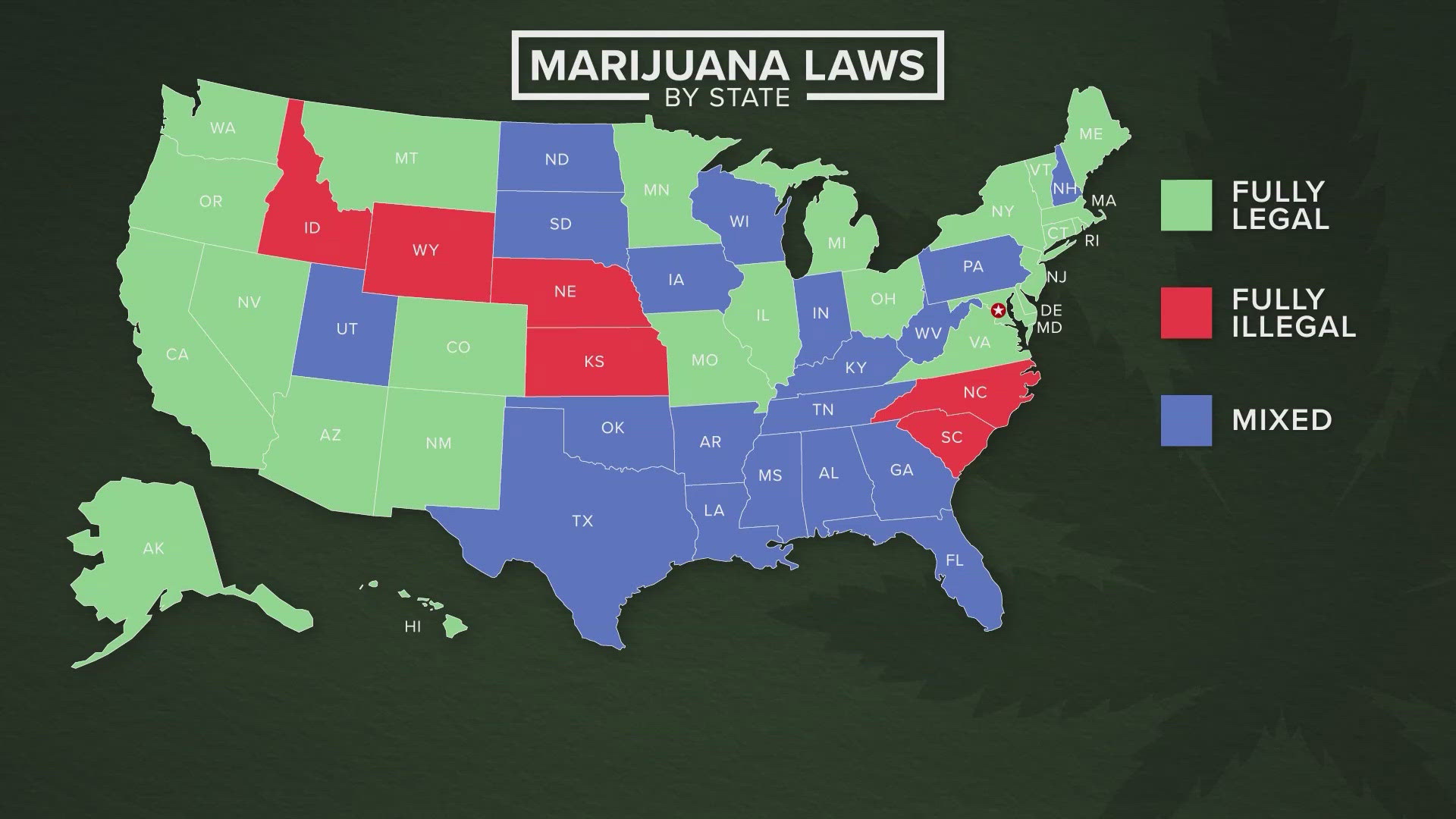
The Current Legal Landscape: A Clear “No” for Recreational Cannabis in Texas
When planning a travel itinerary or considering a new lifestyle in Texas, understanding the legalities surrounding cannabis is crucial for a hassle-free experience. Texas has historically maintained some of the strictest marijuana laws in the nation, and while there have been some minor legislative shifts, the core prohibition on recreational use remains firmly in place.
Understanding Texas’s Stance on Marijuana
At the federal level, marijuana is still classified as a Schedule I controlled substance under the Controlled Substances Act, meaning it has a high potential for abuse and no currently accepted medical use. While federal enforcement in states with legal recreational markets has generally been de-prioritized, this does not apply to states like Texas where it remains illegal at the state level.
In Texas, any product containing more than 0.3% of Delta-9 THC (the primary psychoactive component of cannabis) by dry weight is considered illegal marijuana. This threshold is critical and applies to all forms, whether it’s flower, concentrates, edibles, or other infused products. The state’s conservative political climate has largely resisted broad cannabis reform, prioritizing law enforcement’s ability to combat drug-related offenses. This means that engaging with recreational cannabis in Texas is not just a minor infraction but a serious criminal offense that can significantly impact a person’s travel plans, personal record, and even future accommodation or employment opportunities.
Decriminalization vs. Legalization: A Key Distinction
It’s vital to differentiate between decriminalization and legalization, as these terms are often used interchangeably but have vastly different implications. Legalization, as seen in states like Colorado or California, means that adults can legally purchase, possess, and consume specified amounts of marijuana, often through regulated dispensaries, similar to alcohol. This typically involves taxation and a regulated market.
Decriminalization, on the other hand, means that while marijuana remains illegal, the penalties for possessing small amounts are reduced from criminal charges to civil infractions, similar to a traffic ticket. Offenders might face fines rather than arrest or jail time, and the offense may not appear on their criminal record.
While Texas has not legalized recreational marijuana, some individual cities and counties within the state have taken steps toward decriminalization or have adopted “cite and release” policies for low-level marijuana possession. For instance, cities like Austin, Dallas, Houston, San Antonio, and El Paso have implemented policies that can lead to reduced penalties for minor possession cases. For example, in Travis County (where Austin is located) and Dallas County, some district attorneys have opted to decline prosecution for low-level marijuana possession. Harris County, encompassing Houston, also has a similar program. However, these are local initiatives and are not statewide laws. A visitor or resident caught with marijuana outside these specific jurisdictions, or even within them under different circumstances, could still face full criminal charges. Moreover, these local policies can change, and enforcement can vary significantly from one jurisdiction to another, and even among individual law enforcement officers. Therefore, relying on localized decriminalization efforts when traveling through Texas is a risky gamble that could still lead to serious legal repercussions, impacting one’s entire travel experience.
Navigating the Nuances: What Is Permitted?
While recreational marijuana remains prohibited, the legal landscape in Texas isn’t entirely black and white. Thanks to federal legislation and specific state initiatives, certain cannabis-derived products are legal, leading to common misunderstandings among both locals and visitors. Understanding these distinctions is crucial for anyone engaging with cannabis products in the state.
The Rise of CBD and Delta-8 THC
The 2018 federal Farm Bill fundamentally changed the legal status of hemp and its derivatives. This landmark legislation federally legalized hemp, defined as cannabis plants containing less than 0.3% Delta-9 THC by dry weight. Consequently, products derived from hemp, including CBD (cannabidiol), became legal at the federal level and, subsequently, in Texas.
- CBD Products: CBD is a non-intoxicating compound found in cannabis. It’s widely available across Texas in various forms, including oils, tinctures, edibles, topicals, and beverages. Consumers often seek CBD for its purported wellness benefits, such as pain relief, anxiety reduction, and improved sleep, without the “high” associated with traditional marijuana. Shops specializing in CBD products can be found in major cities like Dallas, Houston, and Austin, and even in smaller towns. When purchasing CBD, it’s important to ensure that the product is third-party lab tested to confirm its Delta-9 THC content is below the 0.3% legal limit. Mislabeling can lead to legal issues.
- Delta-8 THC: This cannabinoid burst onto the scene post-Farm Bill and created a significant grey area. Delta-8 THC is a psychoactive compound that is chemically similar to Delta-9 THC but is typically derived from hemp. Because it is naturally occurring in hemp and can be manufactured to contain less than 0.3% Delta-9 THC, it was argued to be federally legal under the Farm Bill. Texas initially followed this interpretation, allowing the sale of Delta-8 THC products. However, the legal status of Delta-8 THC in Texas has been contested. While there have been legal battles attempting to ban it, as of late 2023, Delta-8 THC remains legal for sale and possession in Texas due to a court injunction. This means you can find Delta-8 THC products in many dispensaries and vape shops across the state. However, due to its intoxicating effects, it’s crucial for travelers to exercise caution and understand that while legally accessible, it can still impair driving and judgment. Furthermore, the legal status could change, so staying informed is advisable, especially for those considering purchasing these products during their Texas tourism adventures.
Texas’s Compassionate Use Program (TCUP): Medical Marijuana’s Limited Scope
Texas does have a medical marijuana program, but it is one of the most restrictive in the United States. The Texas Compassionate Use Program (TCUP) was established in 2015 and has been expanded several times, but it still falls far short of comprehensive medical cannabis programs found in other states.
Initially, TCUP only covered intractable epilepsy and other seizure disorders, allowing patients to access low-THC cannabis oil (defined as cannabis with no more than 0.5% Delta-9 THC by weight). Subsequent expansions have added qualifying conditions, including:
- Multiple sclerosis
- Spasticity
- Autism
- Terminal cancer
- Incurable neurological diseases
- Epilepsy and other seizure disorders
- Amyotrophic lateral sclerosis
- AIDS
- Spinal cord injury
- Select PTSD for veterans (a more recent addition, but still with strict requirements).
Even for qualifying conditions, the program is highly regulated, and patients can only receive prescriptions for low-THC cannabis. This means high-THC cannabis flower or edibles are not available through TCUP. Patients must be residents of Texas and obtain a prescription from a physician registered with the program. Travelers from other states with medical marijuana cards cannot use their cards in Texas, as the state does not offer reciprocity. For anyone visiting, even if they have a medical card from their home state, they are subject to Texas’s laws, meaning possession of higher-THC products is illegal.
Consequences for Visitors and Residents: What to Expect
Understanding the potential legal repercussions is essential for anyone in Texas, whether they are here for a short luxury travel experience, a budget travel adventure, a family trip, or a business stay. The state’s strict drug laws mean that cannabis-related offenses are treated with severity.
Penalties for Possession: A Serious Matter
Penalties for marijuana possession in Texas are among the most stringent in the United States and depend heavily on the amount of marijuana involved:
- Possession of 2 ounces or less: This is considered a Class B misdemeanor, punishable by up to 180 days in jail and/or a fine of up to $2,000. For reference, two ounces is a relatively small amount.
- Possession of 2 to 4 ounces: This escalates to a Class A misdemeanor, carrying a potential jail sentence of up to one year and/or a fine of up to $4,000.
- Possession of 4 ounces to 5 pounds: This is a felony offense, which can result in imprisonment for 180 days to two years and a fine of up to $10,000.
- Possession of 5 to 50 pounds: This is a third-degree felony, with a penalty of two to ten years in prison and a fine of up to $10,000.
- Possession of over 50 pounds: Penalties become even more severe, ranging from second-degree felonies (2-20 years in prison) to first-degree felonies (5-99 years in prison), with substantial fines.
It’s also important to note that penalties for distribution, cultivation, or possession with intent to distribute are even harsher, often involving longer prison sentences and higher fines. Furthermore, being caught with marijuana in a drug-free zone (e.g., near a school or public park) or within certain counties like Nueces County can lead to enhanced penalties. For non-residents, a conviction can lead to significant problems, including difficulties re-entering the United States or other countries, impacting future international travel.
Interacting with Law Enforcement
If you are stopped by law enforcement in Texas and they suspect you are in possession of illegal marijuana, it’s crucial to understand your rights and act appropriately.
- Be Polite and Cooperative: While asserting your rights, always maintain a respectful demeanor.
- Do Not Consent to Searches: Law enforcement generally needs probable cause or your consent to search your person, vehicle, or accommodation. Politely state, “I do not consent to a search.” If they proceed with a search without your consent, do not resist physically.
- Do Not Incriminate Yourself: You have the right to remain silent. Do not answer questions about drug use or possession. You can state, “I choose to remain silent.”
- Ask if You Are Free to Leave: If you are not under arrest, you are generally free to leave.
- Seek Legal Counsel: If you are arrested, immediately request to speak with an attorney. Do not discuss your case with anyone until you have legal representation.
Being aware of these protocols can help protect your rights, but the best approach is always to avoid putting yourself in a situation where you might face these legal challenges. For travelers, this means refraining entirely from bringing or attempting to purchase recreational marijuana within Texas borders.
Texas Travel Beyond Cannabis: Exploring the Lone Star State Responsibilities
While the legal landscape for cannabis in Texas requires careful consideration, the state itself offers an incredible array of experiences for any traveler. From bustling metropolitan hubs to serene natural landmarks and rich cultural heritage, Texas provides a diverse backdrop for unforgettable journeys. Focusing on the myriad legal attractions and activities ensures a rewarding and worry-free visit.
Iconic Destinations and Activities
Texas’s vast landscape means there’s something for everyone, regardless of their lifestyle or travel preferences.
- San Antonio: Home to the historic Alamo, a symbol of Texas’s fight for independence, San Antonio is a must-visit. The vibrant Riverwalk (Paseo del Río) offers picturesque strolls, riverside dining, and charming boutique hotels. Families and couples can enjoy boat tours and explore missions like Mission Concepcion and Mission San José.
- Houston: A sprawling metropolis known for its contributions to space exploration and its thriving culinary scene. Space Center Houston, the official visitor center for NASA Johnson Space Center, is an absolute highlight for all ages. The Houston Museum District boasts 19 museums, offering cultural enrichment. For accommodation, Houston offers everything from luxury hotels to serviced apartments for longer stays.
- Austin: The “Live Music Capital of the World” and the state capital, Austin is renowned for its eclectic music scene, outdoor activities, and vibrant food trucks. Visitors can explore the Texas State Capitol, swim in Barton Springs Pool, or experience the nightlife on Sixth Street. Austin caters to a diverse range of travelers, from budget-conscious explorers to those seeking luxury resorts.
- Dallas: A hub of commerce, culture, and high fashion, Dallas offers world-class shopping, diverse dining, and significant historical sites like the Sixth Floor Museum at Dealey Plaza. The Dallas Arts District is home to architectural marvels and impressive art collections, while Klyde Warren Park provides an urban oasis for relaxation and family activities.
- Fort Worth: Just a short drive from Dallas, Fort Worth embodies the true spirit of the American West. The Stockyards National Historic District offers daily cattle drives, rodeos, and Western-themed entertainment. It’s a fantastic spot for a family trip or anyone interested in Texas’s cowboy heritage.
- Natural Wonders: For nature lovers, Big Bend National Park offers stunning desert landscapes, mountains, and the Rio Grande for rafting and hiking. The Texas Hill Country is famous for its vineyards, charming small towns like Fredericksburg, and scenic drives. The Gulf Coast, with destinations like Galveston and Corpus Christi and the barrier island of Padre Island National Seashore, provides beautiful beaches and opportunities for fishing, birdwatching, and watersports.
Accommodation and Lifestyle in Texas
Texas offers a vast selection of accommodation options to suit every type of traveler and budget. From high-end luxury hotels and resorts in major cities to quaint bed and breakfasts in the Hill Country and family-friendly apartments or villas for longer stays, options are plentiful. Many hotels and resorts across the state offer exceptional amenities, from spas and golf courses to gourmet dining, enhancing any travel experience. When booking, consider the specific location relative to your planned activities and desired lifestyle during your stay. Websites like lifeoutofthebox.com provide valuable resources for booking, reviews, and comparison of various accommodation types.
The lifestyle in Texas is as varied as its geography. Austin embraces a laid-back, “keep it weird” ethos with outdoor recreation and progressive culture. Dallas and Houston offer sophisticated urban living, world-class dining, and thriving arts scenes, perfect for business stays or those seeking upscale experiences. Fort Worth and smaller towns maintain a strong sense of Western heritage and community. Food tourism is a significant draw, with legendary BBQ, Tex-Mex, and a burgeoning fine-dining scene across the state. Furthermore, Texas hosts numerous festivals and events throughout the year, from South by Southwest (SXSW) and Austin City Limits in Austin to RodeoHouston and the State Fair of Texas in Dallas, offering unique cultural experiences that contribute to a dynamic lifestyle for residents and memorable experiences for travelers.
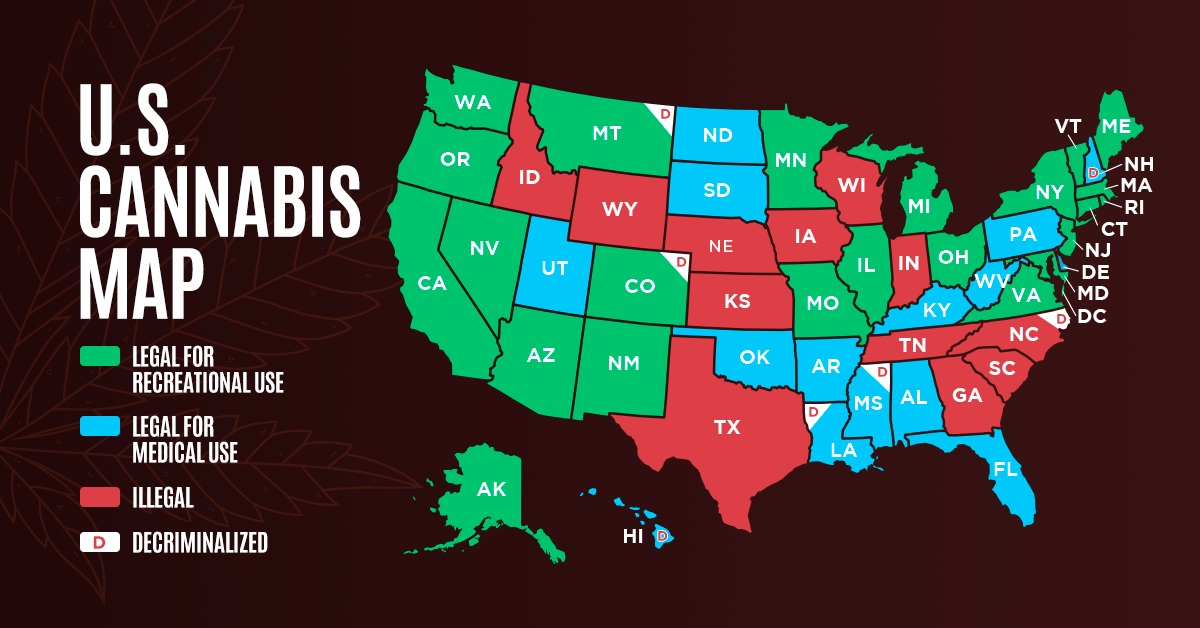
The Road Ahead: Potential Future Changes
The debate over marijuana legalization in Texas is far from over. Public opinion polls consistently show increasing support for some form of cannabis reform, whether it be full recreational legalization, expanded medical access, or decriminalization. Legislative efforts appear regularly in the Texas State Legislature, though they face significant hurdles.
Key factors that could influence future changes include:
- Economic Benefits: States that have legalized recreational cannabis have seen substantial tax revenues. Proponents argue that Texas is missing out on billions in potential tax income that could be used for education, infrastructure, or other public services.
- Neighboring States: Oklahoma and New Mexico have established medical cannabis markets, with New Mexico also legalizing recreational use. This creates a situation where Texas residents can travel short distances to legally purchase cannabis, further highlighting the state’s restrictive stance. Louisiana also has a medical marijuana program. The increasing accessibility in surrounding states and the lack of a legal avenue within Texas may eventually push lawmakers to reconsider.
- Public Pressure: Advocacy groups continue to lobby lawmakers, emphasizing the social justice aspects of legalization, the medical benefits of cannabis, and individual liberties.
- Federal Action: While unlikely in the immediate future, any federal decriminalization or rescheduling of cannabis could significantly impact state laws, including those in Texas.
However, despite these pressures, the highly conservative nature of Texas politics means that any significant movement towards recreational legalization is likely to be a slow and incremental process. For the foreseeable future, travelers and residents should assume that recreational marijuana remains illegal and act accordingly.
In conclusion, while products like CBD and Delta-8 THC offer legal avenues for some cannabis-derived consumption, and the state has a very limited medical marijuana program, recreational weed is not legal in Texas. Visitors should be acutely aware of these laws to avoid severe legal consequences that could disrupt their travel plans and personal freedom. Instead, embrace the diverse and vibrant experiences that Texas legally offers, from its rich history and stunning landmarks to its unique culture and hospitality. Plan your accommodation wisely, explore the incredible tourism opportunities, and enjoy all the Lone Star State has to offer, responsibly and within the bounds of its laws.
LifeOutOfTheBox is a participant in the Amazon Services LLC Associates Program, an affiliate advertising program designed to provide a means for sites to earn advertising fees by advertising and linking to Amazon.com. Amazon, the Amazon logo, AmazonSupply, and the AmazonSupply logo are trademarks of Amazon.com, Inc. or its affiliates. As an Amazon Associate we earn affiliate commissions from qualifying purchases.