
Embarking on a journey to the Lone Star State promises an unforgettable blend of vibrant culture, stunning landscapes, and unparalleled hospitality. From the bustling metropolises of Dallas and Houston to the historic charm of San Antonio and the live music capital of Austin, Texas offers an array of experiences for every type of traveler. Whether you’re planning a luxurious resort getaway, a family adventure exploring natural landmarks, or a budget-friendly road trip through the Texas Hill Country, understanding the financial nuances of your trip is paramount to a smooth and stress-free vacation. One of the key aspects often overlooked in travel planning is sales tax.
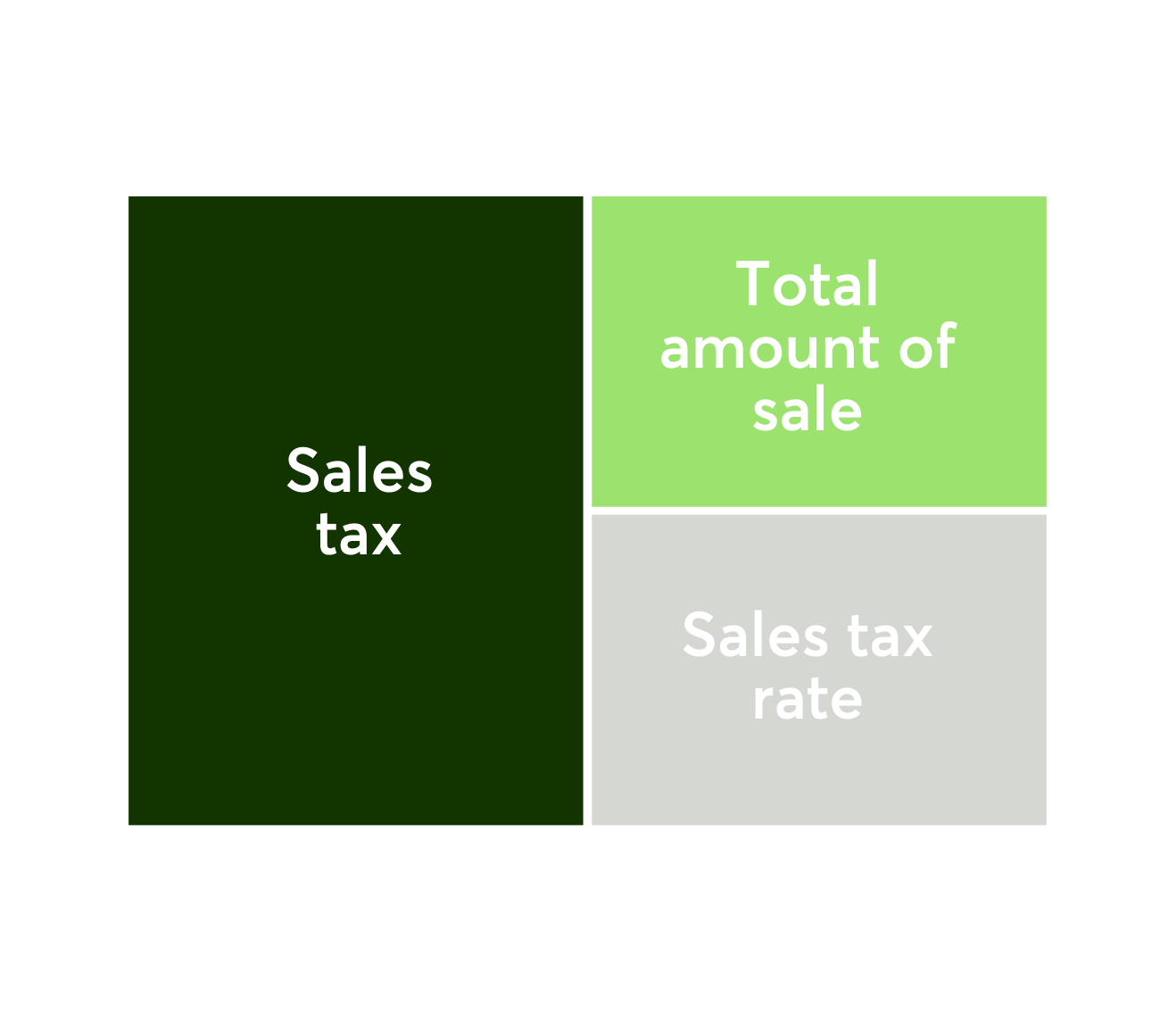
While not as glamorous as booking a boutique hotel or mapping out your culinary adventures, knowing how sales tax works in Texas can significantly impact your travel budget. It’s more than just an extra line item on your receipt; it’s an integral part of consumer spending that influences everything from your souvenir shopping at the Alamo to your daily meals on the San Antonio River Walk. For visitors focused on lifestyle travel, whether it’s indulging in high-end shopping in Dallas’ Highland Park Village or enjoying a luxury stay at a Hyatt Regency property, being prepared for these costs ensures that your travel budget stays on track, preventing unwelcome surprises.
This comprehensive guide is designed to demystify Texas sales tax for travelers, providing you with the knowledge to calculate it effectively, understand what services and goods are taxable, and ultimately, plan a more financially savvy trip. We’ll delve into the state and local rates, highlight common taxable items relevant to tourists, discuss important exemptions, and even touch upon the often-confused hotel occupancy tax. By the end, you’ll be well-equipped to navigate your financial journey through Texas with confidence, allowing you to focus on creating cherished memories and enjoying all that this incredible state has to offer.
Understanding the Basics: Texas Sales Tax Rates
The foundation of budgeting for your Texas adventure begins with grasping the core sales tax rates. Unlike some other states, Texas employs a combination of state and local taxes, which means the final rate you pay can vary depending on your specific location within the state. This distinction is particularly important for those undertaking multi-city tours or exploring various regions, from the Gulf Coast beaches of Galveston to the desert landscapes near El Paso.
The State’s Baseline: 6.25%
At the heart of the Texas sales tax system is the statewide rate of 6.25%. This percentage is mandated by the state government and applies uniformly across all counties and cities, acting as the baseline for nearly all taxable transactions. This rate helps fund various state services, from education and infrastructure to public safety, contributing to the overall quality of life and the upkeep of attractions that draw millions of visitors annually.
When you purchase a souvenir from a gift shop at Space Center Houston, buy a refreshing drink at a roadside stop in the Texas Hill Country, or even book a car rental for exploring Big Bend National Park, this 6.25% will always be part of the equation. Understanding this fixed component is the first step in accurately estimating your expenses. It’s a constant, regardless of whether you’re enjoying a gourmet meal in Austin’s vibrant dining scene or picking up essentials for a camping trip in Guadalupe Mountains National Park.
Local Add-ons: Up to 2%
While the state rate provides consistency, the true variability in Texas sales tax comes from local jurisdictions. Cities, counties, and various special purpose districts (such as metropolitan transit authorities or economic development zones) have the authority to impose their own sales tax rates on top of the state’s 6.25%. These local taxes can add up to an additional 2% to your total bill.
This means that depending on where you are in Texas, the combined sales tax rate can range from the minimum 6.25% (in unincorporated areas without local add-ons) to a maximum of 8.25%. For instance, staying at a hotel in downtown Austin or shopping in Dallas’s Arts District will likely incur a higher combined sales tax rate than if you were making a purchase in a less populated rural area. These local taxes often fund essential services and projects specific to those communities, directly benefiting the local infrastructure and amenities that tourists enjoy. For example, a significant portion might go towards maintaining city parks, improving public transportation, or supporting local tourism initiatives.
The Maximum You Might Pay: 8.25%
Given the state’s 6.25% and the potential for local add-ons of up to 2%, the highest combined sales tax rate you’ll encounter in Texas is 8.25%. Many of Texas’s most popular tourist destinations, including its major cities, typically levy this maximum rate.
For example, when planning a shopping spree in Houston’s Galleria, dining at world-class restaurants in Fort Worth’s Stockyards National Historic District, or purchasing tickets for attractions like the Sixth Floor Museum in Dallas, it’s wise to budget for the 8.25% rate. This maximum rate acts as a useful benchmark for travelers, ensuring they don’t underestimate potential costs. Always confirm the local rate for your specific destination, especially if you plan to make significant purchases. Online sales tax calculators or quick searches for “sales tax rate in [city name], Texas” can provide accurate, up-to-date information, helping you maintain a precise travel budget for your exploration of the state.
What’s Taxable (and What’s Not) for Travelers in Texas?
Navigating the intricacies of Texas sales tax extends beyond just understanding the rates; it also requires knowing which goods and services are subject to the tax and which are exempt. For travelers, this knowledge is particularly valuable, influencing everything from daily meal costs to the final price of a cherished souvenir. By recognizing these distinctions, you can make more informed purchasing decisions and manage your expenses effectively, whether you’re staying in a budget-friendly motel or a luxurious Marriott property.
Common Purchases Subject to Sales Tax
In Texas, sales tax is primarily imposed on the sale of tangible personal property and certain services. For tourists, this encompasses a wide array of purchases made during their travels:
- Restaurant Meals and Prepared Foods: Almost all restaurant meals, takeout, and prepared foods from grocery stores (like deli sandwiches or hot bar items) are subject to sales tax. This is a significant consideration for travelers who plan to dine out frequently, whether it’s enjoying barbecue in Lockhart, Tex-Mex in San Antonio, or fine dining in Houston’s Museum District.
- Souvenirs and Retail Goods: Any tangible items purchased from gift shops, boutiques, department stores, or specialty shops – from t-shirts and keychains to artwork and local crafts – will have sales tax applied. This includes items bought at popular tourist spots like South Padre Island’s beachside shops or cowboy hats from Fort Worth.
- Tickets to Attractions and Entertainment: Admission fees for theme parks (e.g., Six Flags Over Texas), museums, concerts, sporting events, tours (like Dallas trolley tours), and other entertainment venues are generally taxable. This can be a considerable expense, so factor in the tax when budgeting for your experiences.
- Car Rentals: While often confused with hotel occupancy tax, car rentals are subject to a specific rental car tax in Texas, which includes the state and local sales tax components on the rental amount, along with other surcharges.
- Alcoholic Beverages: When purchased at restaurants, bars, or for on-premise consumption, alcoholic beverages are subject to sales tax, in addition to any specific excise taxes.
- Certain Services: While most services are exempt, some specific services that cater to tourists can be taxable. Examples include certain repair services (e.g., shoe repair, jewelry repair if you bought something that broke), or specific cleaning services. However, for the average traveler, the focus will primarily be on tangible goods and prepared foods.
Key Exemptions Every Visitor Should Know
Understanding exemptions can help savvy travelers optimize their spending. While Texas has a broad sales tax base, several key categories are exempt:
- Most Groceries: Unprepared food items (like raw meats, fresh produce, bread, milk, and most packaged goods) purchased from grocery stores for at-home consumption are generally exempt from sales tax. This is a significant saving for travelers staying in accommodations with kitchenettes, such as suites or apartments, allowing them to prepare some of their own meals.
- Prescription Drugs and Most Medical Services: Prescription medicines, over-the-counter medicines prescribed by a doctor, and most medical services (like doctor visits or hospital stays) are exempt.
- Residential Utilities: If you’re renting a long-term apartment or villa for an extended stay, residential utilities like electricity and natural gas are typically exempt.
- Services (Generally): Unlike tangible goods, most services performed in Texas are not subject to sales tax. This includes services like hair styling, dry cleaning (for clothing you own), legal advice, and professional consulting. While some specific services are taxable (as mentioned above), the general rule for travelers is that the cost of a service itself is often not taxed. However, if a service includes the transfer of tangible personal property (e.g., a car wash where you also buy wax), the tangible property part may be taxed.
- Clothing: Unlike some states, Texas does not have a general clothing exemption. Clothing purchases are taxable just like other retail goods. There might be specific sales tax holidays (usually in August for back-to-school), but these are temporary.
By being mindful of these exemptions, especially for groceries, travelers can make strategic choices that contribute to a more budget-friendly trip through Texas.
Beyond Sales Tax: Hotel Occupancy Tax Explained
Crucially, it’s important to differentiate between general sales tax and the Hotel Occupancy Tax (HOT). While both add to your lodging costs, they are distinct. The Hotel Occupancy Tax is specifically levied on the rent paid for a room or space in a hotel, motel, bed and breakfast, or other lodging accommodations for a period of less than 30 consecutive days.
- State Hotel Occupancy Tax: Texas imposes a statewide HOT of 6%.
- Local Hotel Occupancy Tax: Cities, counties, and certain special districts can impose their own local HOT rates in addition to the state rate. These local rates vary significantly and can often be quite high, sometimes reaching an additional 7% to 9% or even more in major tourist hubs. For example, a city like Austin or San Antonio might have a combined HOT rate (state + local) exceeding 15%.
This means when you book a stay at a Hilton in Houston, an Airbnb in Fredericksburg, or a resort in Grapevine, you will pay the base room rate, plus the combined state and local Hotel Occupancy Tax. This tax is typically used to fund local tourism initiatives, convention centers, and marketing efforts, directly supporting the attractions and amenities that draw visitors. Always check the total estimated cost of your accommodation, including all taxes and fees, when making your booking to get an accurate picture of your lodging expenses. This is a critical point for accommodation planning and often accounts for a significant portion of a traveler’s budget.
Practical Application: Calculating Sales Tax on Your Texas Adventures
Now that you understand the different rates and what’s taxable, let’s put that knowledge into practice. Calculating sales tax in Texas is straightforward, but applying it across various travel scenarios requires a keen eye for detail. This section will guide you through the process, ensuring you can accurately estimate costs whether you’re dining, shopping, or renting a vehicle for your Texas exploration.
Step-by-Step Calculation for Everyday Items

Calculating sales tax on a single item is simple. The formula is:
Item Price × Sales Tax Rate = Sales Tax Amount
Then, to find the total cost:
Item Price + Sales Tax Amount = Total Cost
Let’s assume you’re in a major city like Dallas, where the combined sales tax rate is 8.25% (0.0825 as a decimal).
Example 1: Buying a Souvenir T-shirt
- Item Price: $25.00
- Sales Tax Rate: 8.25% (0.0825)
- Sales Tax Amount: $25.00 × 0.0825 = $2.0625 (round to $2.06)
- Total Cost: $25.00 + $2.06 = $27.06
Example 2: A Coffee and Pastry from a Cafe
- Item Price: $7.50
- Sales Tax Rate: 8.25% (0.0825)
- Sales Tax Amount: $7.50 × 0.0825 = $0.61875 (round to $0.62)
- Total Cost: $7.50 + $0.62 = $8.12
Always remember to use the local combined sales tax rate for your specific location. If you’re unsure, most retail establishments will display the tax rate or have it programmed into their point-of-sale systems. For major purchases or if you’re in a less familiar area, a quick online search for the sales tax rate in the specific city or county can prevent any surprises.
Real-World Scenarios: Dining, Shopping, and Attractions
Applying this calculation to various aspects of your Texas trip helps clarify your budget.
Dining Out:
Suppose you have a delightful dinner on the San Antonio River Walk.
- Food and Non-alcoholic Beverages Subtotal: $60.00
- Sales Tax Rate (assuming 8.25% in San Antonio): $60.00 × 0.0825 = $4.95
- Subtotal for Food with Tax: $64.95
- Remember: Your tip is calculated on the pre-tax amount or the post-tax amount, depending on your preference, but sales tax applies only to the food/drink.
Shopping Spree:
Imagine you’re exploring the unique shops in Austin’s South Congress Avenue and find several items.
- Item 1 (shirt): $40.00
- Item 2 (local art piece): $75.00
- Item 3 (book): $20.00
- Pre-tax Total: $40 + $75 + $20 = $135.00
- Sales Tax Rate (assuming 8.25% in Austin): $135.00 × 0.0825 = $11.14
- Total Cost: $135.00 + $11.14 = $146.14
Attraction Tickets:
Planning a visit to Space Center Houston for two adults.
- Ticket Price per Adult: $29.95
- Pre-tax Total for 2: $29.95 × 2 = $59.90
- Sales Tax Rate (assuming 8.25% in Houston): $59.90 × 0.0825 = $4.94
- Total Cost: $59.90 + $4.94 = $64.84
These examples highlight how sales tax, while seemingly small per item, can accumulate and significantly affect your total expenditure on a trip. Budgeting an extra 8-9% on all taxable purchases is a good rule of thumb for most urban Texas destinations.
Rental Cars and Other Travel Necessities
Beyond everyday purchases, certain travel necessities also incur taxes, sometimes with additional fees.
Rental Cars:
As mentioned, car rentals are subject to sales tax, typically the combined state and local rate where the rental occurs. However, there are often additional fees and surcharges specific to car rentals in Texas:
- State Sales Tax: Applied to the rental base rate.
- Gross Rental Receipts Tax: An additional state tax on rental car companies, often passed on to the consumer.
- Airport Concession Fees/Customer Facility Charges: If you pick up your car at an airport (e.g., Dallas/Fort Worth International Airport or George Bush Intercontinental Airport), these fees can significantly increase the total cost. These are typically flat fees or percentages of the rental.
When comparing rental car prices on platforms like Expedia or directly with companies like Hertz or Enterprise, always look at the “total estimated price” or “total due at counter” which should include all taxes and fees to avoid surprises. A $300 rental for a week might easily jump to $350-$400 once all taxes and surcharges are applied.
Fuel:
Gasoline and diesel in Texas are subject to excise taxes at the pump, which are already included in the per-gallon price you see. They are not subject to the general state and local sales tax. So, what you see on the sign is what you pay per gallon.
By understanding how these various taxes apply, travelers can create a more accurate and robust budget, ensuring their Texas adventure is as financially seamless as it is enjoyable.
Smart Spending and Budgeting Tips for Your Texas Trip
Successfully navigating sales tax in Texas is not just about calculations; it’s also about smart spending and strategic budgeting. Integrating tax awareness into your overall travel plan can lead to a more relaxed and financially sound journey, allowing you to fully immerse yourself in the local culture, enjoy diverse food experiences, and appreciate the unique landmarks without unexpected financial burdens.
Navigating Sales Tax in Major Texas Cities
The sales tax rate can differ slightly even within Texas’s major metropolitan areas due to varying local add-ons. Most large cities, however, tend to levy the maximum 8.25%.
- Austin: Known for its vibrant music scene and outdoor activities, Austin typically has an 8.25% sales tax rate. Budget accordingly for meals on Rainey Street, souvenirs from South Congress, and tickets to various festivals.
- Dallas/Fort Worth: These twin cities offer a blend of modern luxury and Western heritage. Both generally impose an 8.25% sales tax. Plan for this when shopping in Dallas’s Uptown, exploring the museums in the Dallas Arts District, or enjoying the rodeo in Fort Worth.
- Houston: A global city known for its energy industry, diverse culinary scene, and the Johnson Space Center. Houston’s sales tax is also typically 8.25%. Factor this into your budget for visits to the Houston Zoo, shopping at the Galleria, or indulging in its world-class dining.
- San Antonio: Rich in history, home to the Alamo and the iconic River Walk. San Antonio also commonly has an 8.25% sales tax. Account for this when purchasing souvenirs, dining along the river, or visiting historical sites.
While these rates are common, it’s always prudent to quickly verify the exact rate for your specific purchasing location, especially if you venture into smaller towns or unincorporated areas which might have slightly lower local rates.
Maximizing Your Budget with Tax Awareness
Strategic awareness of sales tax can help you stretch your travel funds further, supporting a budget-conscious lifestyle while still enjoying your trip.
- Embrace Grocery Shopping for Some Meals: As unprepared groceries are generally tax-exempt, staying in accommodations with kitchen facilities (like suites, apartments, or villas) allows you to save significantly. Preparing breakfast or packing picnic lunches can reduce your overall dining expenses, which are heavily taxed. This is a common strategy for family trips or longer stays.
- Bundle Purchases: If you’re buying multiple taxable items, calculate the tax on the total rather than individual items. While the mathematical outcome is the same, mentally preparing for one larger tax amount can be easier than many small ones.
- Look for Tax-Inclusive Pricing: While rare in the US, some smaller vendors might advertise prices that already include tax. Always clarify if the advertised price is “plus tax” or “tax inclusive.”
- Consider Sales Tax Holidays: Texas occasionally offers sales tax holidays, typically for back-to-school items (clothing, footwear, school supplies) in August, or for emergency preparedness items. While these are infrequent and specific, if your travel dates align, they can offer substantial savings on eligible items. Keep an eye on the Texas Comptroller of Public Accounts website for official announcements.

Essential Takeaways for a Smooth Financial Journey
To ensure a smooth financial experience during your Texas adventure, keep these key points in mind:
- Assume 8.25% in Urban Areas: For most major cities and popular tourist destinations in Texas, budgeting for an 8.25% sales tax on taxable goods and services is a safe bet.
- Differentiate Sales Tax from Hotel Occupancy Tax: Remember that your lodging will incur a separate, often higher, Hotel Occupancy Tax in addition to the base room rate. This is not the same as general sales tax.
- Prioritize Exemptions: Leverage tax exemptions on groceries to save money on food, especially if you have access to a kitchen.
- Factor in All Rental Car Costs: When renting a car, always look at the total estimated price, as several taxes and fees beyond general sales tax will apply.
- Review Receipts: Take a moment to glance at your receipts, especially for larger purchases, to ensure the correct tax rate has been applied.
By integrating this knowledge into your travel planning, you’ll not only avoid budget surprises but also gain a deeper understanding of how the local economy supports the very attractions and experiences you’re enjoying. Your Texas journey, from its iconic landmarks to its hidden gems, will be all the more enjoyable when your finances are in order. So, pack your bags, prepare your budget, and get ready to experience the vast and welcoming beauty of the Lone Star State with confidence and ease.
LifeOutOfTheBox is a participant in the Amazon Services LLC Associates Program, an affiliate advertising program designed to provide a means for sites to earn advertising fees by advertising and linking to Amazon.com. Amazon, the Amazon logo, AmazonSupply, and the AmazonSupply logo are trademarks of Amazon.com, Inc. or its affiliates. As an Amazon Associate we earn affiliate commissions from qualifying purchases.