
Texas, a sprawling state renowned for its vibrant culture, diverse landscapes, and iconic landmarks, attracts millions of travelers each year. From the historic battlefields of San Antonio and the bustling metropolises of Houston and Dallas to the live music scene of Austin and the breathtaking natural beauty of Big Bend National Park, there’s an endless array of experiences waiting to be discovered. Many of these experiences naturally involve enjoying the state’s lively culinary scene and social establishments, where alcoholic beverages are often part of the ambiance. Whether you’re savoring a craft beer in a Houston brewery, enjoying a fine wine with dinner in Dallas, or sipping a margarita along the San Antonio Riverwalk, it’s crucial for both residents and visitors alike to understand the legal limits for alcohol consumption, especially when planning to drive.
Understanding the legal framework around alcohol and driving in Texas is not just a matter of compliance; it’s a fundamental aspect of responsible tourism and ensures a safe, enjoyable trip. A lack of awareness can lead to severe legal consequences, including hefty fines, jail time, and the disruption of your travel plans, which can quickly turn a dream vacation into a nightmare. This comprehensive guide will delve into the specifics of Texas’s Blood Alcohol Concentration (BAC) limits, the serious repercussions of Driving While Intoxicated (DWI), and provide practical advice for travelers to navigate the Lone Star State responsibly. By familiarizing yourself with these regulations, you can focus on creating lasting memories, confident in the knowledge that you are making informed and safe choices.
Understanding Texas Alcohol Laws for Travelers
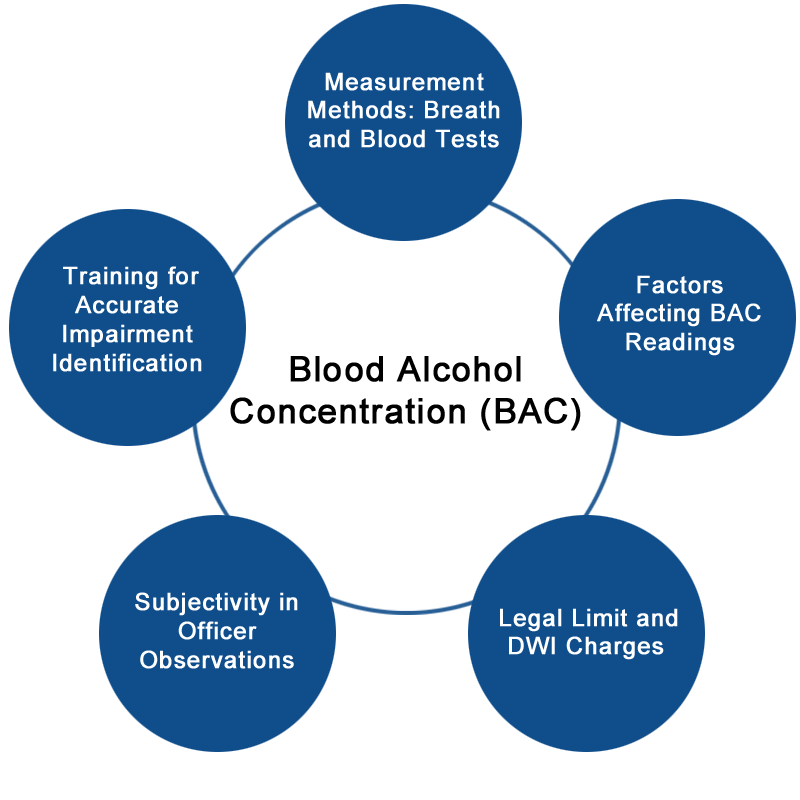
For anyone venturing through Texas, whether for a weekend getaway in Austin or an extended business stay in Fort Worth, understanding the state’s alcohol laws is paramount. The primary legal measurement for intoxication when driving is the Blood Alcohol Concentration (BAC). Texas law, like that of most United States jurisdictions, establishes distinct BAC limits for different categories of drivers, with strict enforcement across the board. These limits are designed to prevent impaired driving and protect everyone on the roads, from local commuters to international tourists. Being aware of these thresholds is the first step toward responsible travel and ensuring your experience in Texas remains positive and hassle-free.
The Standard BAC Limit: 0.08%
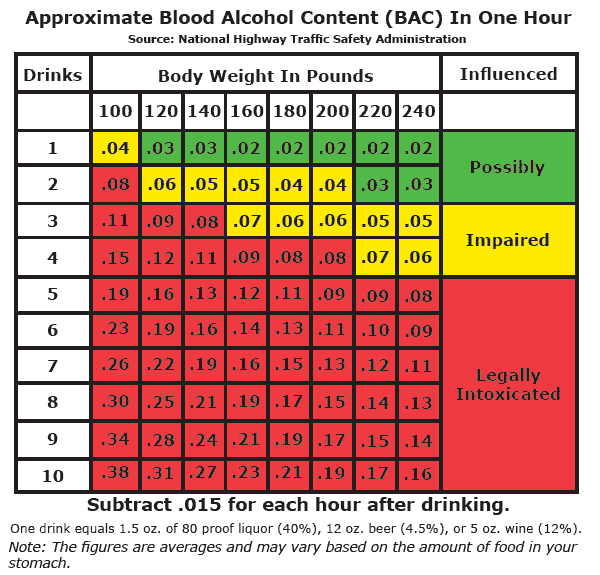
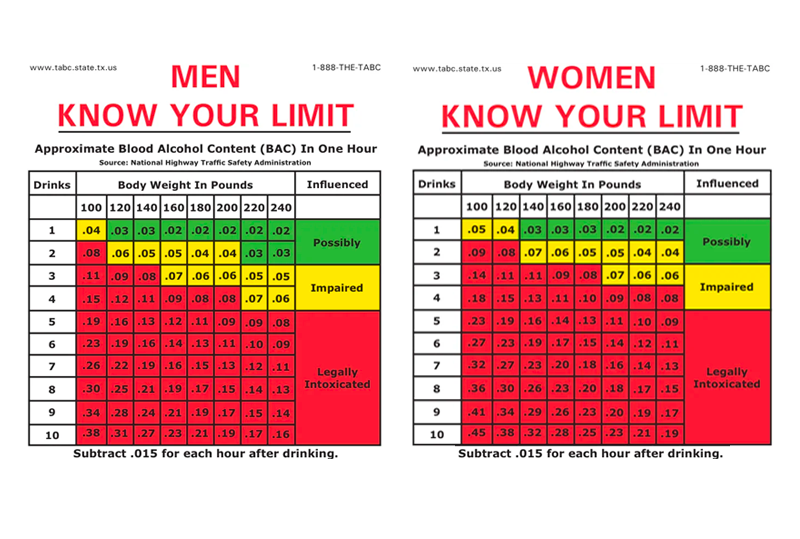
For most adult drivers in Texas, the legal limit for Blood Alcohol Concentration (BAC) is 0.08%. This means that if you are pulled over and your BAC is tested and found to be at or above 0.08%, you can be charged with Driving While Intoxicated (DWI). It’s important to understand that impairment can begin long before reaching this limit. Factors such as body weight, metabolism, gender, and the amount of food consumed can all influence how quickly alcohol affects an individual. What might be one drink for a larger person could push a smaller individual over the legal limit. As a traveler, perhaps enjoying the nightlife in Dallas or a winery tour near Fredericksburg, it’s always best to err on the side of caution. Even if your BAC is below 0.08%, you could still be charged with a DWI if law enforcement determines that you have lost the normal use of your mental or physical faculties due to alcohol or drug consumption. This clause, often referred to as “not having the normal use of mental or physical faculties,” gives officers discretion, emphasizing that the legal limit is not a target but a maximum.
Zero Tolerance for Drivers Under 21
Texas has a “Zero Tolerance” policy for drivers under the age of 21. This means that if you are under 21 years old and are found to have any detectable amount of alcohol in your system while operating a motor vehicle, you can be charged with Driving Under the Influence (DUI) by a minor. Unlike the adult DWI threshold of 0.08%, the DUI for minors does not require a specific BAC level; even a BAC of 0.01% can lead to legal trouble. This strict law aims to discourage underage drinking and driving, reflecting the state’s commitment to protecting its younger population. For young travelers exploring Texas with family or friends, it’s vital to be aware that even a small amount of alcohol can lead to significant penalties, including license suspension, fines, and mandatory alcohol awareness courses, which can severely impact travel plans and future opportunities.
Commercial Drivers: Stricter Standards
Commercial drivers, such as those operating big rigs, buses, or large delivery vehicles, are held to an even stricter standard due to the inherent dangers associated with operating heavy machinery while impaired. In Texas, the legal limit for Blood Alcohol Concentration (BAC) for individuals holding a Commercial Driver’s License (CDL) and operating a commercial vehicle is 0.04%. This significantly lower threshold acknowledges the greater potential for damage and injury posed by commercial vehicles. This rule applies regardless of whether the driver is actively on duty or off duty but operating a commercial vehicle. Furthermore, a CDL holder can still be charged with a standard 0.08% DWI if driving a personal vehicle, which can still lead to the suspension or revocation of their commercial license. For professional drivers passing through Texas or working within the state, understanding and adhering to this stringent limit is not just a legal obligation but a professional imperative.
The Serious Consequences of a DWI in Texas
A Driving While Intoxicated (DWI) charge in Texas is a profoundly serious matter, carrying a range of immediate and long-term consequences that can significantly impact a person’s life, especially for travelers. The state is known for its tough stance on impaired driving, and the legal system is designed to deter such behavior with substantial penalties. These consequences extend far beyond just a simple fine; they can affect your personal freedom, financial stability, and even your ability to travel internationally in the future. For visitors to Texas, an unexpected DWI arrest can turn a vacation into a legal entanglement that requires extended stays, expensive legal representation, and significant disruption to travel plans.
Legal Penalties and Fines
The penalties for a DWI conviction in Texas are severe and escalate with repeat offenses. Even a first-time offense carries significant repercussions:
- Fines: A first-time DWI can result in fines up to $2,000. However, this is often just the beginning, as state surcharges (which can be up to $2,000 per year for three years) can add an additional $6,000 to the total cost.
- Jail Time: A first offense can lead to 3 to 180 days in jail. Subsequent offenses carry much longer sentences, potentially extending to several years in state prison.
- License Suspension: Your driver’s license can be suspended for up to one year for a first offense. This is particularly problematic for travelers who rely on driving for their trip or who need their license for professional reasons back home.
- Ignition Interlock Device (IID): A judge may order the installation of an IID on your vehicle, even for a first offense. This device requires you to blow into it before the car will start, ensuring you are sober. This is a considerable inconvenience and an additional expense.
- Mandatory Alcohol Education Programs: Convicted individuals are often required to complete alcohol education or intervention programs at their own cost.
- Community Service: Courts may also mandate hours of community service.
For a second DWI offense, fines can increase to $4,000, jail time can range from 30 days to a year, and license suspension can be up to two years. A third offense escalates to a felony charge, with fines up to $10,000, 2 to 10 years in prison, and license suspension up to two years. These escalating penalties underscore the state’s stringent approach to deterring impaired driving.
Implied Consent and License Implications
Texas operates under an “Implied Consent” law. This means that by simply operating a vehicle on Texas roadways, you implicitly consent to chemical testing (blood or breath) if you are lawfully arrested for DWI. Refusing to submit to a chemical test does not necessarily exempt you from a DWI charge; instead, it triggers an automatic administrative license suspension, separate from any criminal penalties. For a first refusal, your license can be suspended for 180 days. Subsequent refusals within a 10-year period can lead to a two-year suspension. For out-of-state drivers, this administrative suspension can still affect your driving privileges in your home state, as states often share information regarding driving offenses. This can significantly disrupt your ability to rent cars or drive legally, making travel within Texas and beyond exceptionally challenging. Travelers should be acutely aware of this law, as refusal can lead to immediate and severe consequences for their driving privileges.
Long-Term Impact on Travel and Lifestyle
A DWI conviction in Texas can have ripple effects that extend far into the future, particularly for one’s lifestyle and travel capabilities. Beyond the immediate legal and financial burdens, a DWI on your record can lead to:
- Increased Insurance Premiums: Car insurance rates will almost certainly skyrocket, sometimes doubling or tripling, for years following a conviction.
- Employment Opportunities: Many professions, particularly those requiring driving, handling sensitive information, or working in regulated industries, may be off-limits or significantly harder to secure with a DWI on your record.
- International Travel Restrictions: A criminal record, including a DWI conviction, can severely restrict your ability to enter certain countries, such as Canada, which has stringent rules regarding visitors with criminal offenses. This can impact future vacation plans, business trips, or even family visits.
- Personal Reputation: A DWI conviction can carry a social stigma, affecting personal relationships and community standing.
- Financial Strain: The accumulation of fines, legal fees, court costs, increased insurance, and the expense of an IID can lead to significant financial distress, potentially derailing other lifestyle goals, such as saving for future trips or property.
For travelers, these long-term impacts can be particularly disheartening, transforming a temporary misjudgment into a lasting shadow over future plans. It underscores the critical importance of prioritizing safety and sobriety when driving in Texas or anywhere else.
Navigating Texas Safely: Responsible Choices for Visitors
Exploring the vast and captivating state of Texas is an unforgettable experience, offering everything from historic sites to modern marvels. To ensure your journey remains memorable for all the right reasons, responsible planning around alcohol consumption and transportation is essential. The website’s focus on travel, accommodation, and lifestyle underscores the importance of making smart choices that enhance your trip rather than jeopardizing it. By proactively planning your activities and travel logistics, you can fully immerse yourself in the local culture, enjoy the vibrant food and drink scene, and safeguard yourself against potential legal troubles and travel disruptions.
Leveraging Transportation Alternatives
Texas’s major cities offer a variety of convenient transportation options that allow you to enjoy alcoholic beverages without the risk of driving while intoxicated. Before heading out for a night on the town in Austin, enjoying barbecue and beer in Houston, or visiting the Stockyards National Historic District in Fort Worth, consider these alternatives:
- Ride-Sharing Services: Companies like Uber and Lyft are widely available in most urban and even many suburban areas across Texas. These services provide a convenient and relatively inexpensive way to get around safely. Simply download the app, request a ride, and a driver will pick you up.
- Taxis: Traditional taxi services are always an option, especially in larger cities and at airports. While potentially more expensive than ride-sharing, they offer a reliable mode of transport.
- Public Transportation: Cities like Dallas (DART), Houston (METRO), and Austin (CapMetro) have extensive public transportation systems, including buses and light rail. These can be an excellent and cost-effective way to explore city attractions, especially if your hotel is located near a public transit line.
- Designated Driver: If traveling with a group, pre-arrange a designated sober driver. This is perhaps the most classic and effective method to ensure everyone’s safety.
- Hotel Shuttles: Many hotels and resorts, particularly those catering to tourists and business travelers, offer complimentary shuttle services to nearby attractions, restaurants, or entertainment venues. Check with your accommodation provider for available options.
By planning your transportation in advance, you can completely eliminate the stress and danger associated with driving after consuming alcohol, allowing you to fully relax and enjoy your Texas adventure.
Strategic Accommodation Planning
Choosing the right accommodation can play a significant role in your ability to enjoy Texas’s nightlife and culinary scene responsibly. When booking your hotel, apartment, or villa, consider its proximity to the attractions and establishments you plan to visit where alcohol might be consumed.
- Walkable Districts: Opt for hotels in walkable districts, such as downtown Austin, the San Antonio Riverwalk, or Uptown Dallas. This allows you to explore on foot, negating the need for a vehicle entirely after a night out. Many cities also boast excellent boutique hotels and luxury resorts within these vibrant areas, often within steps of top-tier restaurants and bars. For instance, staying at a Hyatt Regency or Omni Hotels property in a city center can put you within easy reach of many attractions.
- Proximity to Public Transport: If a walkable area isn’t an option, select accommodation that is conveniently located near public transportation stops. Research the local transit map before booking to ensure easy access to key areas.
- On-Site Dining and Bars: Many larger hotels and resorts offer excellent on-site restaurants and bars. If you prefer a relaxed evening, enjoying a drink at your hotel’s establishment eliminates the need for any external transportation.
- Read Reviews: When considering accommodation, look at reviews from previous guests regarding the convenience of location, accessibility to dining, and transportation options. Websites focusing on accommodation booking and reviews can provide invaluable insights.
Thoughtful planning of your accommodation can not only enhance your travel experience but also serve as a crucial component of your responsible consumption strategy, ensuring safety and peace of mind throughout your Texas getaway.
Enjoying Texas Culture Responsibly
Texas offers an incredible variety of cultural experiences, from lively festivals and music venues to world-class museums like the Sixth Floor Museum in Dallas or the NASA Johnson Space Center in Houston. While many of these experiences involve social gatherings where alcohol might be served, embracing them responsibly means prioritizing safety above all else.
- Pace Yourself: If you choose to drink, do so in moderation. Understand your limits and stick to them. Remember that even below the legal limit, your judgment and reaction time can be impaired.
- Hydrate and Eat: Drink plenty of water between alcoholic beverages and ensure you eat a meal. Food can slow the absorption of alcohol into your bloodstream.
- Be Aware of Drink Strengths: Craft beers, cocktails, and certain wines can have higher alcohol content than you might expect. Be mindful of what you are consuming.
- Know Your Location: Always be aware of your surroundings, especially when traveling in unfamiliar areas. If you’re out late, ensure you have a plan for getting back to your accommodation safely.
- Have a Backup Plan: Even with the best intentions, plans can change. Always have a backup transportation method in mind, whether it’s the number for a local taxi, a ride-sharing app on your phone, or a trusted contact.
Embracing responsible alcohol consumption allows you to fully engage with Texas’s vibrant tourism and lifestyle offerings without risking your safety or facing severe legal repercussions. A memorable trip to the Lone Star State is one filled with joy, discovery, and peace of mind, not regret or legal distress.
In conclusion, understanding and respecting the legal alcohol limits and DWI laws in Texas is non-negotiable for anyone traveling through the state. The standard 0.08% BAC limit for adults, the zero-tolerance policy for those under 21, and the stricter 0.04% for commercial drivers are strictly enforced, with severe penalties for violations. By leveraging available transportation alternatives, strategically planning your accommodation, and practicing responsible consumption, you can ensure your Texas adventure is as safe and enjoyable as it is unforgettable. Prioritize smart choices, and you’ll be free to immerse yourself in everything this incredible state has to offer, from its diverse destinations and attractions to its rich local culture and experiences.
LifeOutOfTheBox is a participant in the Amazon Services LLC Associates Program, an affiliate advertising program designed to provide a means for sites to earn advertising fees by advertising and linking to Amazon.com. Amazon, the Amazon logo, AmazonSupply, and the AmazonSupply logo are trademarks of Amazon.com, Inc. or its affiliates. As an Amazon Associate we earn affiliate commissions from qualifying purchases.