
Navigating the vibrant streets and bustling neighborhoods of Chicago, one of the United States’ most iconic cities, offers an unparalleled experience for both residents and visitors. From its world-class architecture and diverse culinary scene to its rich cultural heritage and stunning lakeside views along Lake Michigan, Chicago is a prime destination for travel and tourism. However, for those planning an extended stay, moving to the city, or simply driving their own vehicle within its limits, a seemingly minor detail can become a significant point of inquiry: the Chicago City Sticker. This essential decal is more than just a bureaucratic formality; it’s a critical aspect of urban living and vehicle ownership within the city, playing a role in everything from parking to supporting vital municipal services. Understanding where and how to acquire this sticker is paramount for ensuring a seamless and compliant experience in the Windy City.
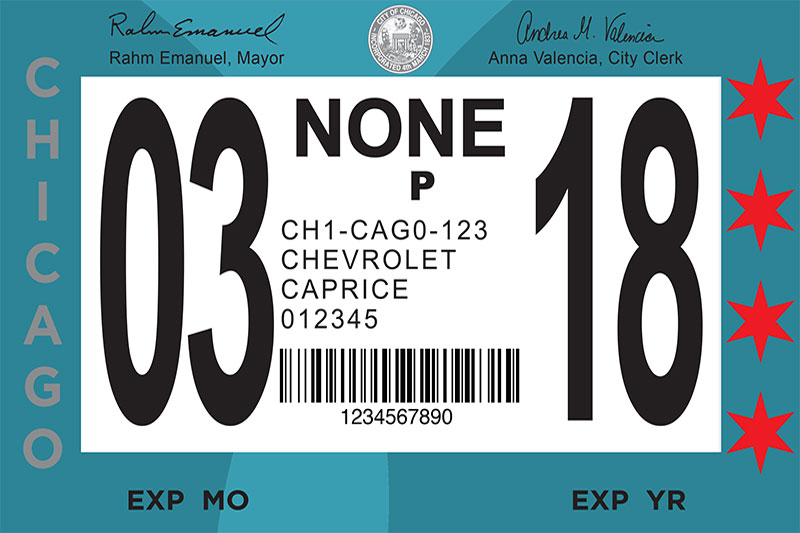
This comprehensive guide will delve into the intricacies of the Chicago City Sticker, clarifying who needs one, why it’s important, and most crucially, providing detailed instructions on exactly where you can purchase it. We’ll also explore its connection to broader topics like travel, accommodation, and lifestyle, offering tips for tourists, new residents, and long-term visitors alike to ensure their time in Chicago is as enjoyable and hassle-free as possible. Whether you’re exploring the architectural marvels downtown, indulging in deep-dish pizza, or settling into your new Chicago home, having your vehicle’s documentation in order is a foundational step towards a truly great Chicago experience.
Understanding the Chicago City Sticker: More Than Just a Decal
For many, the concept of a city sticker might seem peculiar, especially when compared to state-level vehicle registration. However, in Chicago, this small decal affixed to your windshield represents a crucial component of local governance and urban planning. It’s not merely a permit; it’s a tangible link between vehicle owners and the municipal services that keep the city running smoothly. Understanding its purpose and the regulations surrounding it is the first step toward navigating Chicago’s unique urban landscape effectively.
What Exactly Is It, and Why Does It Matter?
The Chicago City Sticker is an annual vehicle tax that residents must pay for any vehicle garaged or registered within the city limits. This tax, overseen by the Office of the City Clerk, generates substantial revenue that is reinvested directly into essential city services. Think of everything from maintaining Chicago’s extensive network of roads and bridges, which are vital for travel and commuting, to supporting public safety initiatives, sanitation services, and the upkeep of the city’s numerous parks and green spaces. These services are fundamental to the quality of life for residents and significantly enhance the experience for tourists exploring the city’s many attractions, such as Millennium Park or the Magnificent Mile.
Failure to display a valid city sticker can result in hefty fines, making it an essential compliance item. For new residents, securing this sticker is as important as registering for utilities or finding the perfect accommodation. It’s a key part of integrating into the fabric of Chicago life, signifying your contribution to the collective well-being and operational efficiency of the metropolis. For businesses operating vehicles in Chicago, the sticker also ensures they are contributing their fair share to the infrastructure they rely on daily for their operations. This municipal revenue stream is a critical piece of Chicago’s financial puzzle, enabling the city to continue offering the high level of amenities and services that attract millions of visitors and residents each year.
Who Needs a Chicago City Sticker? Residents vs. Visitors
The distinction between who needs a Chicago City Sticker and who doesn’t primarily hinges on residency and the duration a vehicle is “garaged” within the city.
-
Residents: If you reside within the municipal boundaries of Chicago and own a vehicle that you park or operate in the city, you are legally required to purchase and display a Chicago City Sticker. This applies to cars, trucks, motorcycles, and even certain types of trailers. The sticker’s expiration date typically aligns with the owner’s birth month, making it easy to remember annual renewals. For new residents, there’s usually a 30-day grace period from the date you move to Chicago or acquire a new vehicle to purchase your first sticker. This rule is designed to ensure that everyone who benefits from city services by habitually parking a vehicle in Chicago contributes their part.
-
Visitors and Tourists: Generally, if you are visiting Chicago as a tourist or temporary guest and your vehicle is registered elsewhere (e.g., another city, state, or country), you do not need a Chicago City Sticker. This includes individuals driving their personal vehicles for a short vacation, business trip, or extended holiday. Rental cars obtained from agencies, whether at O’Hare International Airport, Midway International Airport, or elsewhere, are typically exempt as their registration and compliance are handled by the rental company, which operates on a different, often fleet-based, licensing system. The city’s regulations are focused on vehicles permanently or habitually kept within its jurisdiction, not on transient visitors. However, if your “temporary” stay extends beyond 30 days and your vehicle is consistently garaged in Chicago, you may fall under the resident category and be required to obtain one. This is particularly relevant for those on long-term assignments or exploring extended stay accommodation options.
Navigating the Purchase Process: Your Buying Options
Once you’ve determined that you need a Chicago City Sticker, the next step is understanding the various avenues available for purchase. The Office of the City Clerk has streamlined the process over the years, offering both convenient online options and traditional in-person locations to cater to different preferences and needs. Knowing your options beforehand can save you time and hassle, ensuring your vehicle is compliant without disrupting your travel plans or settling-in period.
Online Convenience: The Official City of Chicago Website
For many, the easiest and most preferred method to purchase or renew a Chicago City Sticker is online through the official website of the City Clerk. This digital portal is designed for efficiency, allowing you to complete the entire transaction from the comfort of your home or your chosen accommodation.
To use the online system, you will typically need:
- Your vehicle’s license plate number and VIN (Vehicle Identification Number).
- Proof of residency (e.g., a utility bill or lease agreement if it’s your first time buying or if there are address changes).
- A valid credit or debit card for payment.
The website guides you through a step-by-step process, verifying your vehicle and residency information. Once the purchase is complete, a temporary printable receipt is usually provided, which can serve as proof of purchase until your physical sticker arrives via mail. This typically takes several business days, so it’s advisable to purchase your sticker well in advance of any deadlines to avoid potential fines. The online option is particularly beneficial for those with busy schedules or for new residents who might be overwhelmed with other moving logistics. It minimizes travel time to a physical location and often provides access to customer support should you encounter any issues during the process. Furthermore, the official website often provides comprehensive FAQs and detailed instructions, making it a reliable resource for all your city sticker inquiries.
In-Person Purchases: Exploring Your Local Options
While online purchasing offers unparalleled convenience, some individuals prefer or require an in-person transaction. Perhaps you need immediate proof of purchase, prefer to speak with a representative, or simply don’t have access to the internet. Chicago provides several physical locations where you can purchase your City Sticker:
- City Clerk’s Offices: The primary locations for in-person purchases are the main Office of the City Clerk downtown and several satellite offices scattered throughout various Chicago neighborhoods. These offices are staffed by knowledgeable personnel who can assist with the application process, answer questions, and provide immediate issuance of your sticker. This is an excellent option if you have complex situations, such as multiple vehicles or specific exemption questions.
- Department of Finance Payment Centers: Some of the Department of Finance payment centers also offer City Sticker sales. These locations are often strategically placed for accessibility across the city, providing another convenient option for residents.
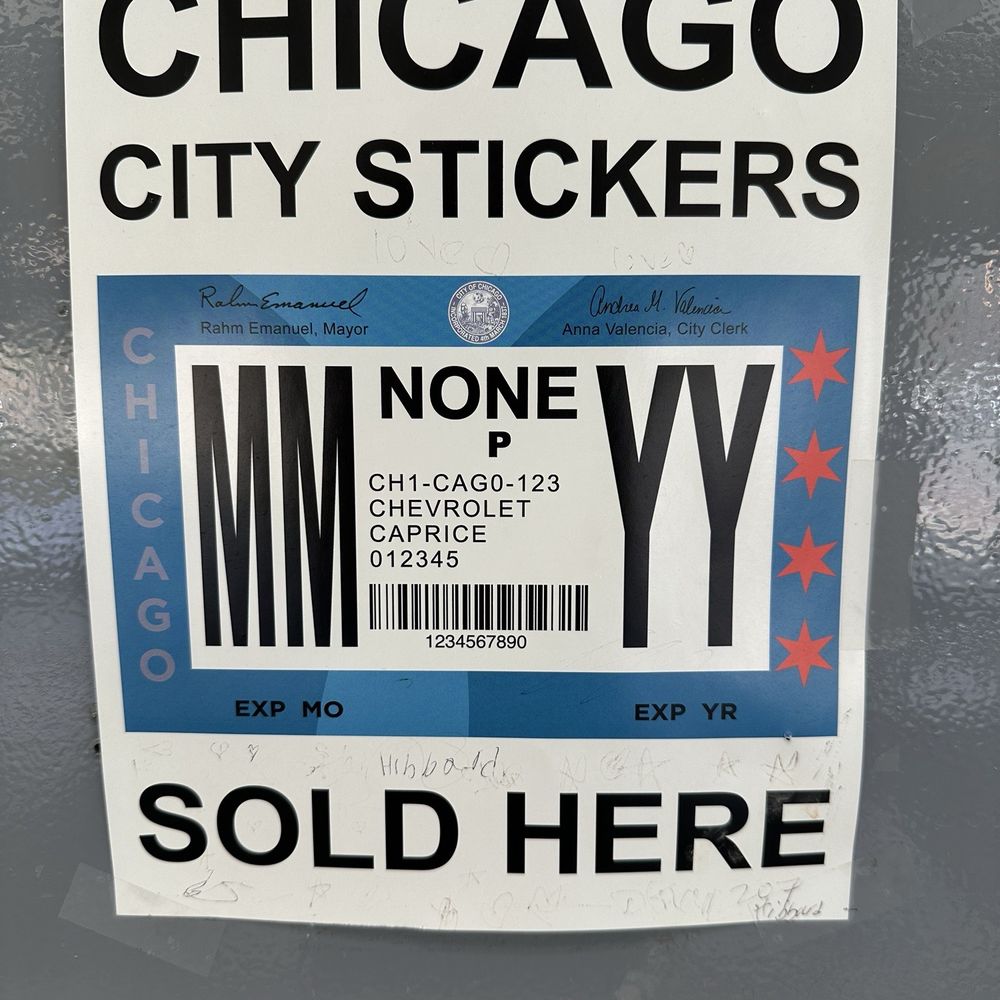
- Currency Exchanges: A widespread and often overlooked option for purchasing City Stickers are authorized currency exchanges. These privately operated businesses are licensed by the state of Illinois to provide various financial services, including motor vehicle services. They are typically found in many neighborhoods, offering extended hours and making them a highly accessible choice, especially for those who need to make a purchase outside of standard business hours. While they may charge a small service fee in addition to the sticker cost, their widespread presence and flexible hours make them a valuable resource.
When visiting any of these locations, be sure to bring all necessary documentation, including your vehicle registration, proof of Chicago residency, and a valid form of payment. This proactive approach will help ensure a smooth and quick transaction.
Special Cases: New Residents and Vehicle Changes

New residents to Chicago have a 30-day grace period from the date their vehicle is required to be registered in Chicago or the date they move to the city to purchase a city sticker without incurring late fees. It’s crucial to prioritize this task as part of your moving checklist, especially if you’re navigating new accommodation or neighborhood environments.
- New Vehicle Purchases: If you purchase a new or used vehicle and will be garaging it in Chicago, you also have a 30-day window from the purchase date to obtain a city sticker. Proof of purchase and vehicle registration will be required.
- Transferring a Sticker: If you sell a vehicle and purchase a new one, you might be eligible to transfer the existing city sticker to your new vehicle for a small fee, provided the new vehicle is of the same weight class. This process also needs to be initiated within 30 days of acquiring the new vehicle through the City Clerk’s Office. This flexibility helps reduce the financial burden on residents who frequently update their vehicles, aligning with a practical urban lifestyle.
Beyond the Sticker: Parking, Permits, and Urban Exploration
The Chicago City Sticker’s importance extends beyond just legal compliance; it’s intricately linked to the broader aspects of urban living, particularly concerning parking and navigating the city. For anyone considering travel, accommodation, or a long-term lifestyle in Chicago, understanding these connections is vital for a stress-free experience.
Residential Parking Zones and Your City Sticker
One of the most critical functions of the Chicago City Sticker for residents is its role in accessing residential parking permits. Many neighborhoods in Chicago have designated residential parking zones, identified by signage, where parking is restricted to residents with valid permits during specific hours. These zones are designed to ensure that residents can find parking near their homes, especially in densely populated areas or near major attractions like the Art Institute of Chicago or Navy Pier.
To obtain a residential parking permit (which is a separate decal or placard from the City Sticker but requires a valid City Sticker as a prerequisite), you must first have an up-to-date Chicago City Sticker for your vehicle. The residential parking permit allows you to park in your designated zone, offering a significant advantage in areas where street parking is at a premium. Additionally, many residential parking zones also allow residents to purchase guest passes, enabling friends and family visiting from out of town to park legally for a limited time. This system highlights how the City Sticker is foundational to managing urban space and promoting a livable environment for its residents, directly impacting daily lifestyle and access to local amenities.
Driving in Chicago: Tips for Tourists and Travelers
While tourists generally don’t need a Chicago City Sticker, driving in the city still presents unique challenges and considerations. Chicago’s bustling streets, complex road networks, and often intense traffic can be daunting.
- Public Transportation: For most visitors, relying on Chicago’s extensive public transportation system (CTA buses and ‘L’ trains) is often the most efficient and cost-effective way to get around. This avoids parking hassles entirely and offers an authentic local experience.
- Parking Garages: If driving is necessary, be prepared for parking costs. Downtown Chicago and areas around major landmarks like the Willis Tower or Museum Campus (home to the Field Museum and Shedd Aquarium) have numerous parking garages, but rates can be high. Pre-booking parking through apps or websites can sometimes offer discounts.
- Street Parking: Limited metered street parking is available, but pay close attention to signs, especially regarding tow zones, rush hour restrictions, and street cleaning schedules, as violations can lead to expensive tickets or even towing.
- Ride-sharing: Services like Uber and Lyft are readily available and can be a convenient alternative to driving, especially for short distances or when navigating late at night.
For those planning to explore Chicago as a tourist, focusing on smart travel choices and understanding the local transportation ecosystem will ensure a smoother and more enjoyable journey without needing to worry about the City Sticker. Consider your accommodation’s parking situation carefully; many hotels, especially luxury resorts or boutique hotels, offer valet parking, but this comes at an additional cost. When booking your stay, inquire about parking options to budget accordingly and avoid unexpected expenses.
The Sticker’s Role in Supporting Chicago’s Infrastructure and Tourism
Beyond its direct impact on individual vehicle owners, the revenue generated from the Chicago City Sticker plays a pivotal role in maintaining the city’s infrastructure – a critical factor in its appeal as a global tourism destination. Well-maintained roads facilitate smoother travel for everyone, from daily commuters to tour buses ferrying visitors to attractions like the Lincoln Park Zoo. The funds contribute to snow removal during harsh Midwest winters, ensuring that streets remain navigable and essential services uninterrupted, which is crucial for business travel and general urban functionality.
Furthermore, a thriving, well-funded city can invest in public spaces, cultural institutions, and beautification projects that enhance the overall visitor experience. From the vibrant public art installations in Millennium Park to the cleanliness of the downtown areas, these elements are indirectly supported by municipal taxes like the City Sticker fee. This cyclical relationship means that residents’ compliance with city sticker requirements directly contributes to the vibrant, accessible, and attractive environment that draws millions to Chicago each year, fostering both local lifestyle quality and a robust tourism economy.
Essential Considerations for a Smooth Chicago Experience
Whether you’re making Chicago your permanent home or simply enjoying an extended visit, understanding the nuances of local regulations, particularly concerning vehicle ownership, is key to a smooth and stress-free experience. The Chicago City Sticker is a prime example of such a regulation, and being aware of its implications can save you significant trouble and expense.
Penalties for Non-Compliance: What You Need to Know
Ignoring the requirement to display a valid Chicago City Sticker can lead to unpleasant consequences. The Department of Finance actively enforces this ordinance, and parking enforcement officers are vigilant.
- Fines: The most common penalty is a parking ticket, which can range from $60 to $200 or more, depending on the elapsed time since the sticker’s expiration or the nature of the violation. These fines can quickly accumulate if not addressed promptly.
- Towing: In more severe cases, especially if there are multiple unpaid city sticker violations or if the vehicle is parked in conjunction with another violation, your vehicle could be towed. The cost of towing and impoundment fees can easily exceed several hundred dollars, in addition to the original fine and the cost of purchasing the overdue sticker.
- Booting: Similar to towing, if your vehicle has a certain number of unpaid Chicago parking tickets or city sticker violations, it could be booted. This immobilizes your vehicle until all outstanding fines and booting fees are paid.
These penalties are designed to encourage compliance and underscore the city’s reliance on this revenue for its operations. For new residents, particularly those who have just moved to Cook County or Illinois, it’s crucial to integrate this administrative task into their initial settling-in process. Avoiding these penalties contributes not only to your personal budget but also to a more positive overall experience of living in Chicago.
Planning Your Visit or Move: A Checklist for Vehicle Owners
To ensure a hassle-free experience in Chicago, whether you’re a long-term guest or a new resident, consider the following checklist regarding your vehicle:
- Determine Residency: Clearly understand if your stay qualifies you as a resident needing a sticker. If you’re staying for more than 30 days and regularly park your vehicle in Chicago, err on the side of caution and investigate the sticker requirement.
- Check Expiration Dates: If you already have a Chicago City Sticker, note its expiration date. Mark your calendar or set reminders to renew it well in advance to avoid late fees.
- Gather Documents: Whether purchasing online or in person, have your vehicle registration, VIN, license plate number, and proof of residency readily accessible.
- Explore Purchase Options: Decide whether online convenience or in-person assistance at a City Clerk’s Office or currency exchange best suits your needs.
- Budget for Costs: Factor the cost of the City Sticker (and potentially a residential parking permit if applicable) into your annual budget, alongside other vehicle-related expenses.
- Understand Parking Rules: Regardless of sticker status, familiarize yourself with Chicago’s parking regulations. Read all street signs carefully, especially in residential areas or near attractions.
- Consider Alternatives: For short-term visits, assess if driving your personal car is truly necessary. Chicago’s excellent public transport, ride-sharing services, and walkable neighborhoods often make driving redundant, particularly when exploring popular areas like the Magnificent Mile or the Museum Campus.
By proactively addressing the Chicago City Sticker requirement and understanding its place within the broader urban landscape, you ensure that your focus remains on enjoying all the incredible experiences this Great Lakes metropolis has to offer. From its architectural boat tours to its world-class dining, Chicago truly embodies a captivating blend of history, culture, and modern lifestyle, and navigating its administrative nuances is a small price to pay for such a rewarding destination.
LifeOutOfTheBox is a participant in the Amazon Services LLC Associates Program, an affiliate advertising program designed to provide a means for sites to earn advertising fees by advertising and linking to Amazon.com. Amazon, the Amazon logo, AmazonSupply, and the AmazonSupply logo are trademarks of Amazon.com, Inc. or its affiliates. As an Amazon Associate we earn affiliate commissions from qualifying purchases.