
Texas, the Lone Star State, stands as a colossal figure on the American landscape, not just in terms of its vast geographical expanse but also concerning its ever-burgeoning population. As one of the fastest-growing states in the United States, Texas has become a magnet for individuals and families seeking new opportunities, diverse cultures, and a dynamic lifestyle. Understanding the state’s population is not merely an exercise in demographics; it offers profound insights into its economic vibrancy, the evolving travel and tourism industry, the demand for accommodation, and the overall lifestyle it cultivates.

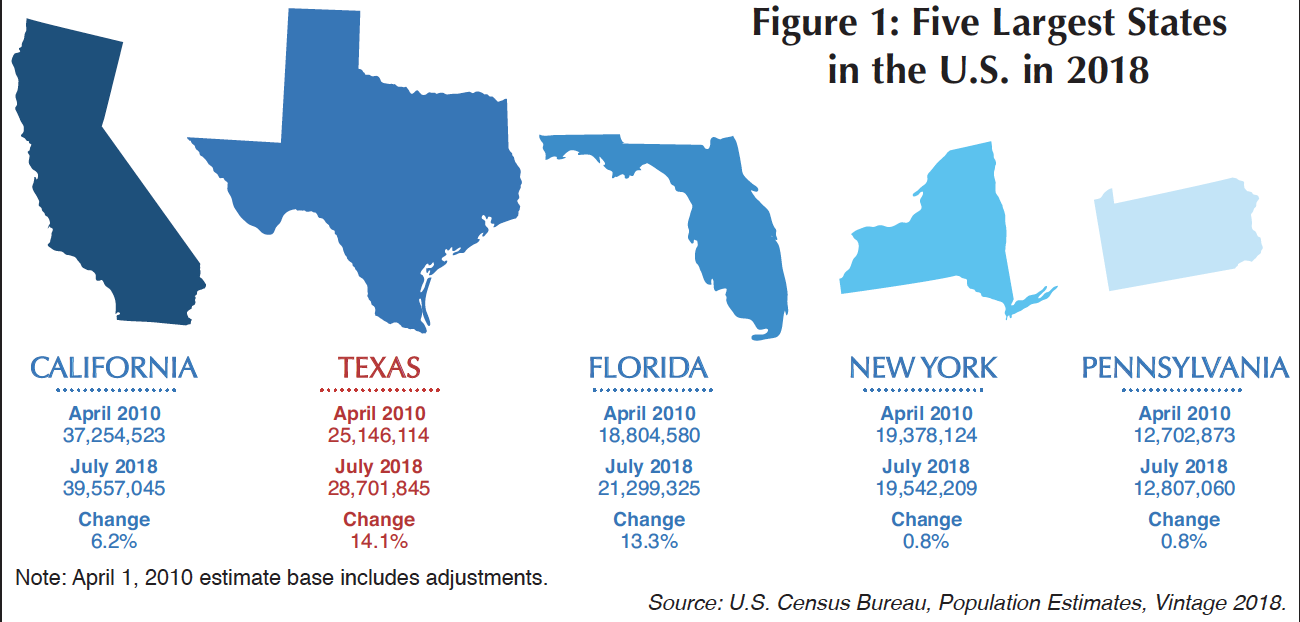
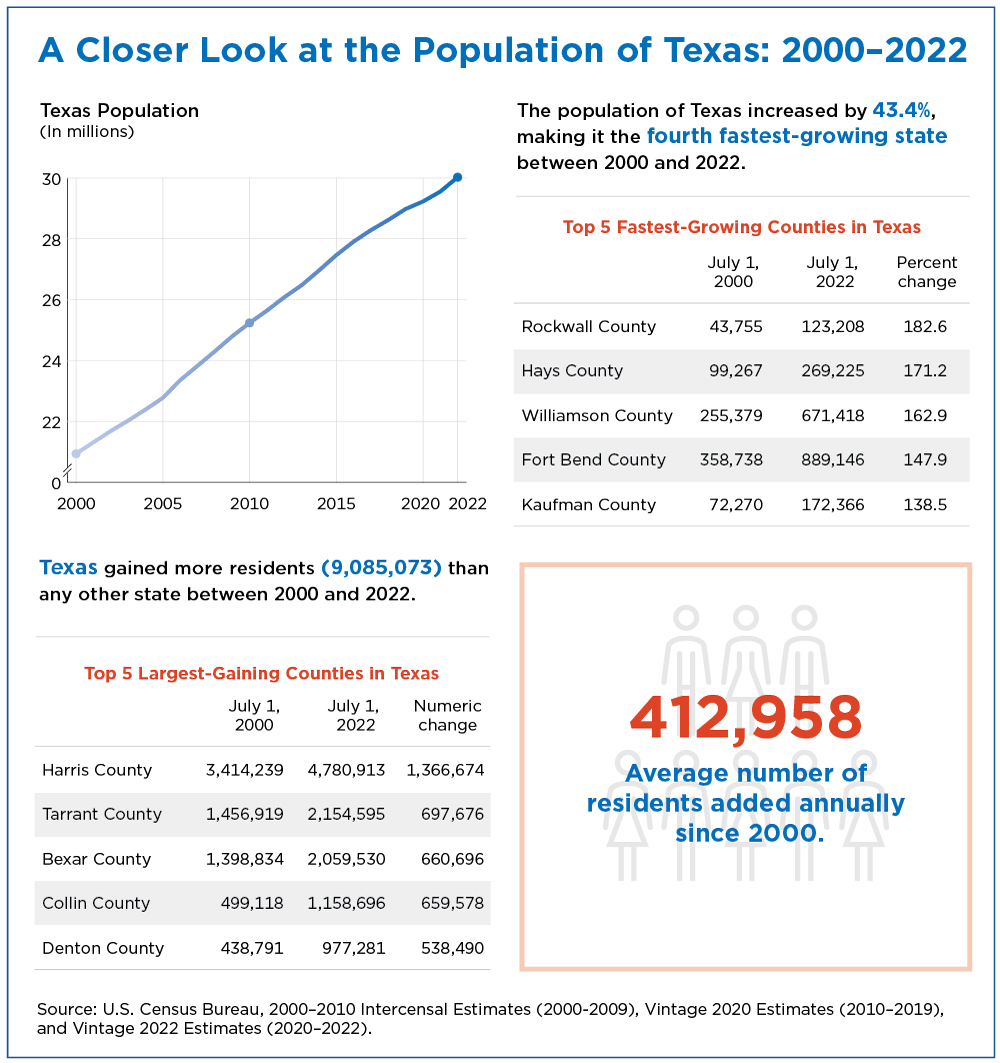
As of the latest estimates for 2023, the population of Texas proudly surpasses 30.5 million residents. This makes Texas the second-most populous state in the U.S., trailing only California. This impressive figure is not static; it represents a continuous surge driven by both a healthy birth rate and significant domestic and international migration. The state’s growth rate consistently outpaces the national average, reflecting its appeal as a destination for relocation, investment, and exploration. This demographic expansion has profound implications for every sector, from urban planning and infrastructure to the flourishing hospitality and travel industries that cater to both its residents and its millions of annual visitors.
The Dynamics of Texas Demographics: A Magnet for Growth and Diversity
The story of Texas’ population is one of rapid and sustained growth, a phenomenon that sets it apart on the national stage. For decades, the Lone Star State has consistently ranked among the top states for population increase, often leading the nation in numerical gains year after year. This remarkable expansion isn’t accidental; it’s a direct consequence of a confluence of factors that make Texas an attractive destination for diverse groups of people.
One of the primary drivers is the state’s robust and diversified economy. Texas boasts thriving industries ranging from energy (oil and gas) and aerospace to technology, healthcare, and advanced manufacturing. Major metropolitan areas like Houston serve as global energy hubs, while Dallas excels in finance and logistics, and Austin has cemented its reputation as a burgeoning tech epicenter, often dubbed “Silicon Hills.” These economic powerhouses create a plethora of job opportunities across various skill levels, drawing talent from across the U.S. and around the world. The promise of career advancement and a strong job market is a powerful incentive for individuals and families considering a move.
Beyond employment, the relatively lower cost of living compared to coastal states like California or New York is another significant draw. While housing costs have risen in popular urban areas, Texas generally offers more affordable housing, lower taxes (no state income tax), and a business-friendly environment that appeals to entrepreneurs and corporations alike. This economic accessibility often translates into a higher quality of life, allowing residents to enjoy more disposable income for leisure, travel, and lifestyle experiences.
The demographic makeup of Texas is as varied as its geography. The state is a melting pot of cultures, with a significant Hispanic population that deeply influences its cuisine, music, traditions, and overall cultural fabric. Growing Asian American and African American communities further enrich this diversity, contributing to a vibrant mosaic of traditions and perspectives. This multiculturalism is not just a statistical fact; it’s a lived experience that shapes the state’s identity, making it a fascinating destination for cultural tourism and an inviting place for new residents to find their niche. This diversity also fuels a demand for varied culinary experiences, unique local festivals, and a wide array of attractions that cater to different tastes and preferences, all contributing to the richness of the Texas travel scene.
Population Density and Its Influence on Travel and Tourism
The sheer scale of the Texas population, coupled with its concentrated distribution in major urban centers, profoundly influences the state’s travel and tourism landscape. These population hubs act as primary drivers for both domestic travel within Texas and as international gateways attracting visitors from afar. The continuous influx of residents enriches the cultural tapestry, creates new demands for leisure activities, and fuels the expansion of the hospitality sector.
The Texas Triangle—formed by the metropolitan areas of Dallas-Fort Worth, Houston, and San Antonio-Austin—is home to the vast majority of the state’s population. These sprawling urban areas are not just residential centers; they are vibrant destinations in their own right, each offering unique attractions and experiences. The dense population in these regions creates a robust local market for tourism, with residents frequently exploring their own cities or taking weekend trips to nearby Texan landmarks and recreational areas.
The growing population directly translates into increased demand for diverse recreational opportunities, cultural events, and entertainment venues. Theme parks, professional sports stadiums, museums, concert halls, and gastronomic districts thrive due to a large local consumer base. This local demand often acts as a foundation, drawing in external tourists who seek the same high-quality experiences. From the bustling Houston Space Center to the historic Alamo in San Antonio and the live music scene in Austin, each major city has cultivated distinct identities that appeal to a broad spectrum of travelers.
Moreover, the demographic diversity within these urban centers means that the types of tourism experiences sought after are incredibly varied. There’s a demand for family-friendly attractions, luxury experiences, budget-conscious travel options, cultural immersion, and adventurous outdoor pursuits. This wide-ranging appeal encourages continuous innovation within the travel industry, from new restaurant openings that celebrate global cuisines to the development of unique experiential tours and events. The interplay between a large resident population and a thriving tourist influx shapes the very essence of Texas as a premier travel destination.
Urban Escapes and Cultural Hotspots
Texas’ major cities are more than just places to live; they are meticulously curated urban escapes, each with its own character and allure for visitors and residents alike. The population density within these cities fuels a constant evolution of their cultural and entertainment offerings, making them essential stops on any Texas itinerary.
Houston: As the largest city in Texas by population, Houston is a global metropolis renowned for its energy industry, leading medical institutions like the Texas Medical Center, and the iconic Johnson Space Center, home to NASA’s mission control. Beyond its professional prowess, Houston is a treasure trove of diverse cultures, reflected in its world-class culinary scene that spans from authentic Tex-Mex to Vietnamese and West African flavors. Its Museum District boasts an impressive collection of institutions, making it a hub for arts and culture lovers. For travelers, Houston offers a sophisticated urban lifestyle with luxurious hotels, high-end shopping, and a vibrant nightlife.
Dallas: A hub for business and fashion, Dallas exudes a sleek, modern charm. Its population supports a thriving arts district, encompassing the Dallas Arts District—one of the largest contiguous urban arts districts in the U.S.—with institutions like the Dallas Museum of Art and the Nasher Sculpture Center. The city is a shopper’s paradise, from upscale boutiques in Highland Park Village to the sprawling Galleria Dallas. Its dynamic economy attracts business travelers, ensuring a steady demand for premium accommodations and fine dining. For those seeking a blend of urban sophistication and true Texan spirit, Dallas delivers.
Austin: The state capital, Austin, is synonymous with live music, a vibrant tech scene, and an ethos of “Keep Austin Weird.” Its growing population, particularly of young professionals and creatives, fuels a unique lifestyle focused on outdoor activities, eclectic eateries, and a thriving independent arts scene. Visitors flock to Austin for major festivals like South by Southwest (SXSW)) and the Austin City Limits Music Festival. The Barton Springs Pool, Lady Bird Lake, and numerous food trucks highlight the city’s laid-back yet energetic vibe, making it a prime destination for those seeking an active and culturally rich experience.
San Antonio: Steeped in history and rich cultural heritage, San Antonio is a distinctly Texan city with a strong Spanish colonial influence. Its iconic Riverwalk, a network of walkable paths along the San Antonio River lined with shops, restaurants, and hotels, is a major draw. Of course, no visit is complete without exploring The Alamo, a powerful symbol of Texan independence. The city’s population supports a vibrant arts community, historic missions (San Antonio Missions National Historical Park), and family-friendly attractions like Six Flags Fiesta Texas and SeaWorld San Antonio. San Antonio offers a charming blend of historical exploration and modern entertainment.
The Hospitality Sector in a Growing State: Accommodation and Lifestyle
The robust population growth in Texas has created a boom in its hospitality sector, leading to an impressive expansion and diversification of accommodation options. As more people move to the state, and as its appeal as a travel destination intensifies, the demand for hotels, resorts, apartments, and various other lodging types has surged, transforming the landscape of temporary and long-term stays.
The implications for the hotel industry are particularly significant. In major urban centers like Houston, Dallas, and Austin, the skyline is continuously being reshaped by new developments, including luxury high-rise hotels catering to business travelers and discerning tourists. These range from well-known international brands such as The Ritz-Carlton Dallas and Four Seasons Hotel Austin to boutique hotels that reflect the unique local character. The need to accommodate a growing workforce, coupled with a steady stream of conference attendees and event-goers, means that mid-range and budget-friendly hotels are also expanding rapidly across the state, particularly near airports, business parks, and convention centers.
For longer stays, the demand for extended-stay hotels and serviced apartments has seen exponential growth. This trend caters to new residents relocating to Texas for job opportunities who need temporary housing, as well as project-based workers and families on extended vacations. Options like Residence Inn by Marriott or Homewood Suites by Hilton provide apartment-style amenities and comforts, bridging the gap between a traditional hotel and a permanent residence. This segment of the accommodation market is crucial for facilitating the smooth transition of new Texans.
Beyond urban centers, the increasing population also contributes to the thriving market for resorts and vacation rentals in scenic areas. The Texas Hill Country, for instance, has become a popular escape for residents of Austin and San Antonio, leading to the development of luxury resorts, charming bed-and-breakfasts, and rustic villas. Destinations like Grapevine and Galveston also see continuous investment in their leisure accommodation infrastructure, catering to both local weekenders and out-of-state tourists.
The diverse lifestyles of Texas’ population directly influence travel patterns and accommodation choices. For the burgeoning population of tech professionals in Austin, “bleisure” travel (combining business and leisure) is common, leading to a demand for hotels with excellent connectivity, co-working spaces, and proximity to cultural attractions. Families across the state frequently plan family trips to theme parks, zoos, and national parks, driving the need for family-friendly suites and resorts with kid-oriented amenities. Meanwhile, the affluent population supports a robust market for luxury travel, seeking out high-end resorts, exclusive experiences, and personalized services. The presence of a vast and diverse population ensures that every niche in the hospitality market finds its clientele in Texas.
Investing in Infrastructure: Catering to Residents and Visitors
To support its ever-growing population and burgeoning tourism industry, Texas has consistently invested in enhancing its infrastructure. This commitment is evident in the continuous development of new hotels and resorts, the expansion of transportation networks, and the creation of new attractions and recreational facilities.
From upscale boutique hotels in downtown Austin to expansive resort complexes along the Gulf Coast, developers are keen to capitalize on the sustained demand for diverse accommodation options. These projects not only provide places for visitors to stay but also create thousands of jobs, further stimulating the state’s economy. The constant evolution of hotel offerings ensures that Texas remains competitive as a premier destination for both leisure and business travel.
Simultaneously, transportation infrastructure is undergoing significant upgrades. Major airports like Dallas/Fort Worth International Airport (DFW) and George Bush Intercontinental Airport (IAH) in Houston are constantly expanding their capacity and connectivity to handle the increasing volume of air travelers, both residents and tourists. Road networks are being improved, and public transit initiatives are explored in densely populated areas to ease congestion and enhance accessibility to attractions and business districts.
Furthermore, the state’s growth has spurred the emergence of new cultural institutions, entertainment venues, and outdoor recreational spaces. From new art galleries and concert venues to sprawling public parks and renovated historic landmarks, Texas is continually enriching its portfolio of attractions. This investment is a direct response to the needs and desires of a vibrant, expanding population and ensures that the state continues to offer fresh and engaging experiences for everyone who lives in or visits the Lone Star State.
The Future of Texas: Sustaining Growth and Enhancing Visitor Experiences
Looking ahead, the population of Texas is projected to continue its upward trajectory, with forecasts suggesting it could surpass California to become the most populous state within the next few decades. This sustained growth presents both exciting opportunities and significant challenges for the state, particularly concerning sustainable tourism, urban development, and preserving its unique cultural identity.
The opportunities are immense. A larger population means a larger economic base, further driving innovation and investment across various sectors. For the travel and tourism industries, this translates into an even greater market for new destinations, diverse attractions, and expanded accommodation options. The demand for hotels, resorts, and unique lodging experiences will likely continue its robust growth, offering fertile ground for investors and developers. The state’s rich cultural tapestry, constantly evolving with new residents, will continue to offer authentic and engaging experiences for those interested in local culture, food, and activities.
However, managing such rapid growth requires careful planning and strategic investments. Sustainable urban development is crucial to prevent strain on natural resources and infrastructure. Ensuring that the charm and character of Texas’ historic towns and natural landmarks are preserved amidst expansion will be a key challenge. Balancing economic development with environmental stewardship, particularly in popular areas like the Texas Hill Country and along the Gulf Coast, will be paramount.
For the travel industry, the challenge lies in enhancing visitor experiences while maintaining authenticity and managing increasing tourist traffic. This involves investing in smart tourism technologies, promoting lesser-known destinations to disperse visitors, and ensuring that the quality of service across all accommodation types remains high. Texas must continue to innovate, offering fresh perspectives on its vast landscapes, vibrant cities, and rich history, making it an irresistible choice for both long-term residents and transient travelers.
In conclusion, the state population of Texas, currently exceeding 30.5 million, is a testament to its enduring appeal as a land of opportunity and a dynamic place to live and visit. This impressive demographic figure is not just a number; it’s a living force that shapes the state’s economy, cultural identity, and critically, its booming travel and hospitality sectors. As Texas continues to grow, it will undoubtedly remain a fascinating subject for demographic study and an ever-evolving destination for explorers worldwide, offering a diverse array of experiences from bustling urban centers to serene natural beauty, all supported by a robust and expanding infrastructure of accommodation and attractions.
LifeOutOfTheBox is a participant in the Amazon Services LLC Associates Program, an affiliate advertising program designed to provide a means for sites to earn advertising fees by advertising and linking to Amazon.com. Amazon, the Amazon logo, AmazonSupply, and the AmazonSupply logo are trademarks of Amazon.com, Inc. or its affiliates. As an Amazon Associate we earn affiliate commissions from qualifying purchases.