
Understanding the current time in Texas is more than a simple inquiry; it’s a fundamental starting point for anyone planning to visit, conduct business, or simply connect with the Lone Star State. While a quick search might give you the precise hour and minute, the implications of Texas’s time zones for travel, accommodation, and experiencing its rich culture are vast and crucial for a seamless journey. Texas, a state renowned for its expansive landscapes, diverse cities, and vibrant lifestyle, operates primarily within one major time zone, with a notable exception that travelers should be acutely aware of. This guide will delve into the nuances of Texas time, exploring its impact on your itinerary, from booking flights and tours to savoring local cuisine and immersing yourself in iconic landmarks. By understanding the rhythmic pulse of Texas, you can optimize your visit, ensuring every moment is spent enjoying the best this incredible state has to offer, without a single tick out of place.
Understanding Texas Time Zones: More Than Just a Number
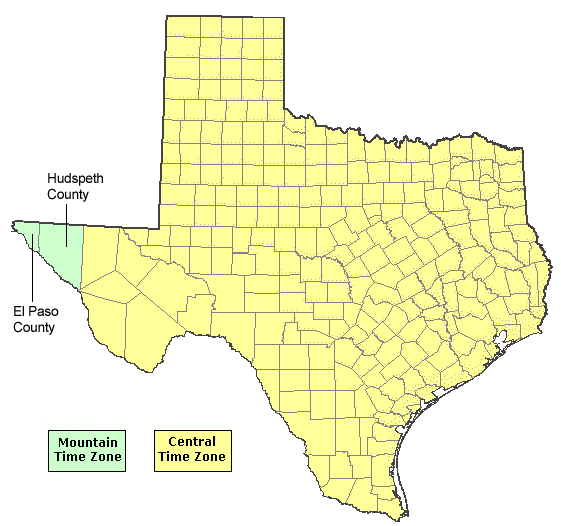
For most of its vast expanse, Texas observes the Central Time Zone (CT). This means that cities like Dallas, Houston, Austin, and San Antonio all synchronize their clocks to CT, which is UTC-6 during standard time and UTC-5 during Daylight Saving Time (DST). Daylight Saving Time typically begins on the second Sunday in March, when clocks spring forward an hour, and ends on the first Sunday in November, when they fall back. This uniform timekeeping across most of the state simplifies travel and communication significantly. However, Texas’s sheer size necessitates an important distinction: a sliver of its westernmost region operates on a different schedule, which is vital for travelers heading to that specific area.
The exception to the Central Time rule lies in far West Texas. The city of El Paso and the western part of Hudspeth County observe the Mountain Time Zone (MT), which is UTC-7 during standard time and UTC-6 during DST. This means that if you’re traveling from, say, San Antonio to El Paso, you will need to adjust your clock back by one hour. This difference, though seemingly minor, can have significant implications for travel logistics, scheduled appointments, and even simply knowing when local businesses will be open. For instance, a flight departing El Paso at 9:00 AM MT would correspond to 10:00 AM CT in Dallas, a detail that could impact connecting flights or pickups arranged in the eastern part of the state. Awareness of these time zone boundaries is the first step toward a flawlessly planned Texas adventure.
Why Time Matters for Your Texas Travel Plans
The precise time in Texas is not merely an academic detail; it’s a cornerstone of effective travel planning and a determinant of your overall experience. Imagine missing a connecting flight because you miscalculated the time zone change, or arriving at a museum only to find it closed, having forgotten about the DST shift. These scenarios, though preventable, highlight the critical role time plays in travel.
For connecting flights and ground transportation, accurate timekeeping is paramount. Texas hosts several major international airports, including Dallas/Fort Worth International Airport (DFW) and George Bush Intercontinental Airport (IAH) in Houston, which serve as crucial hubs. Coordinating arrivals and departures, especially when transiting through different time zones or factoring in potential delays, requires careful attention to the clock. Similarly, booking car rentals, shuttle services, or train tickets demands precision to avoid missed connections or unnecessary waiting times.
When it comes to booking tours, attractions, and restaurant reservations, understanding local time is equally vital. Many popular Texas attractions, such as Space Center Houston, The Alamo in San Antonio, or the various museums in the Dallas Arts District, operate on strict schedules with timed entry slots. Missing your allocated time due to a miscalculation can lead to disappointment and wasted time. Similarly, reserving a table at a renowned Tex-Mex restaurant in Austin or a legendary BBQ joint in Central Texas means adhering to their operating hours, which are, of course, locally time-sensitive.
Furthermore, business meetings and communication with home are directly impacted by time zones. For those traveling to Texas for work, punctuality is non-negotiable. Synchronizing schedules with local contacts, clients, or colleagues is essential for successful engagements. For leisure travelers, staying connected with family and friends back home requires an understanding of the time difference, preventing inconvenient calls at odd hours.
Finally, the less tangible but equally important aspect is jet lag. While Texas primarily spans one main time zone, travelers arriving from distant international locations or even from the East or West Coasts of the U.S. might experience some degree of jet lag. Being aware of the local time upon arrival helps in mentally adjusting and planning activities that ease the body into the new schedule, making for a more enjoyable and less fatiguing trip. Knowing the time is the first step in aligning your internal clock with the vibrant rhythm of Texas life.
Navigating Texas: Planning Your Trip Around the Clock
Texas is a state of immense scale, both geographically and in terms of its offerings. From bustling metropolitan areas to serene natural wonders, planning a trip requires strategic time management to truly capture its essence. Each region and attraction has its peak times, optimal visiting hours, and specific considerations influenced by the clock, making a well-timed itinerary essential for an unforgettable experience.
Iconic Destinations and Their Best Times to Visit
Texas’s iconic destinations each have a unique rhythm, and understanding their optimal visiting times can significantly enhance your experience.
The Dallas/Fort Worth Metroplex offers a diverse blend of urban sophistication and cowboy culture. In Dallas, early mornings are ideal for visiting historical sites like the Sixth Floor Museum at Dealey Plaza, before the crowds build up. The Dallas Arts District, with its world-class museums such as the Dallas Museum of Art and the Nasher Sculpture Center, can comfortably fill a day, with evenings reserved for fine dining and theatrical performances. Over in Fort Worth, the Fort Worth Stockyards National Historic District comes alive in the late morning and afternoon, especially for the twice-daily cattle drives, while evenings offer authentic rodeo experiences and live country music. Early arrival is often recommended for popular events to secure good viewing spots.

Austin, the “Live Music Capital of the World,” pulses with a different energy. Mornings are perfect for outdoor activities, such as kayaking on Lady Bird Lake or taking a refreshing dip at Barton Springs Pool. A mid-day visit to the impressive Texas State Capitol offers a glimpse into state history and politics. As dusk approaches, the city transforms. The famous Congress Avenue Bridge draws crowds to witness the spectacular flight of millions of bats at sunset. Evenings are dedicated to Austin’s vibrant music scene, with Sixth Street and the Red River Cultural District buzzing with live performances that often start late and continue into the early hours.
In Houston, exploration is often guided by its sheer scale. Start your day early at Space Center Houston to allow ample time to explore its vast exhibits without feeling rushed. The Museum District, home to institutions like the Museum of Fine Arts Houston and the Houston Museum of Natural Science, can easily occupy an entire afternoon. For a change of pace, a day trip to the historic coastal city of Galveston offers beach relaxation and Victorian architecture; planning this trip in the morning ensures you maximize daylight for both travel and exploration. Evenings in Houston are typically reserved for its world-class dining scene and diverse entertainment options.
San Antonio weaves history and charm into its urban fabric. Begin your day by visiting The Alamo as soon as it opens to avoid the largest crowds, allowing for a more reflective experience. Afterward, immerse yourself in the city’s rich Spanish colonial heritage by exploring the San Antonio Missions National Historical Park, including Mission San Jose, which is best enjoyed during the cooler morning or late afternoon hours. The iconic River Walk truly comes alive in the late afternoon and evening, with its vibrant restaurants, shops, and boat tours offering a magical experience under the twinkling lights. Dinner reservations along the River Walk are highly recommended, especially during peak season.
Finally, for those venturing into West Texas, time takes on a different meaning. In Big Bend National Park, where the Mountain Time Zone applies, sunrise and sunset offer breathtaking vistas and incredible photographic opportunities. Early mornings are best for hiking its rugged trails before the desert heat becomes too intense. Stargazing is a must in this International Dark Sky Park, with the darkest skies in the lower 48 states. Coordinating your schedule with the local MT is crucial to catch guided tours or access visitor centers. Whether chasing sunsets in the desert or enjoying a late-night show in Austin, aligning your plans with the local clock is key to unlocking the full potential of your Texas adventure.
Accommodation and Lifestyle: Maximizing Your Texas Experience
Beyond attractions, the rhythm of time deeply influences your choice of accommodation and how you embrace the Texan lifestyle. From check-in times to local dining habits and event schedules, knowing the current time in Texas helps shape a cohesive and enjoyable travel narrative. The vast array of options available means you can tailor your stay and experiences to match your preferences, all while being mindful of the clock.
Selecting Your Ideal Stay: From Luxury to Budget
Accommodation in Texas caters to every taste and budget, but understanding how check-in and check-out times align with your travel schedule is fundamental. Most hotels, from luxury resorts to boutique hotels and budget-friendly inns, adhere to standard check-in times typically around 3:00 PM or 4:00 PM local time, and check-out around 11:00 AM or 12:00 PM. Factoring this into your arrival and departure plans can prevent long waits or unexpected fees for early check-in or late check-out. Many establishments, especially those offering premium services, can often accommodate requests, but a heads-up and an understanding of the local time zone are always appreciated.
For travelers seeking opulent stays, Texas boasts an impressive collection of high-end hotels and resorts. In San Antonio, the Marriott Rivercenter offers direct access to the River Walk, making it ideal for evening strolls and dining. In Dallas, the Hotel ZaZa Dallas provides a unique, luxurious boutique experience, often popular for weekend getaways. For families, resorts like the Hyatt Regency Hill Country Resort and Spa near San Antonio offer extensive amenities and activities that can easily fill days. Coordinating meal times, spa appointments, and recreational activities within these properties requires awareness of their operating hours, all based on the local Central Time Zone.
Conversely, for those on a budget travel plan, Texas also offers abundant choices, from cozy bed and breakfasts to modern vacation rentals and established hotel chains. Booking accommodation often involves online platforms where time zone accuracy is handled automatically, but confirmation details will always reflect local time. For longer stays, considering apartments or villas can offer more flexibility, though coordination with hosts for key pick-up and drop-off times is still critical. Regardless of your choice, knowing the time ensures a smooth transition into your temporary Texan home.

Texas Lifestyle: Dining, Events, and Nightlife
Experiencing the true lifestyle of Texas involves synchronizing with its daily rhythm, particularly when it comes to culinary delights, cultural events, and vibrant nightlife. Dining in Texas is an experience in itself, with deep roots in diverse cuisines. Lunch typically runs from noon to 2:00 PM, and dinner often starts around 6:00 PM, extending well into the evening, especially in urban centers. Iconic Texas BBQ joints, for instance, often open early and close when they sell out, making an early arrival advisable to savor the best cuts. Similarly, the bustling Tex-Mex restaurants are popular for both lunch and dinner, often requiring reservations during peak times.
Texas is also famous for its large-scale events and festivals, which attract visitors from across the globe. Annual events like Rodeo Houston, typically held in March, or South by Southwest (SXSW) in Austin, also in March, operate on tightly packed schedules. Concerts, panels, and performances often run simultaneously throughout the day and night. Keeping track of the local time, and any potential changes due to DST, is crucial for navigating these multi-day extravaganzas. Checking event schedules in advance and setting personal reminders based on the correct time zone will help you maximize your participation.
As the sun sets, Texas’s nightlife comes alive. From honky-tonk bars in Fort Worth to sophisticated lounges in Dallas and the live music venues of Austin, there’s an option for every preference. Most bars and clubs remain open until the early hours, typically 2:00 AM, though specific closing times can vary by city and establishment. Live music shows, particularly in Austin, might start later in the evening and continue well past midnight. Enjoying these experiences means being aware of the clock to plan your evening, whether it’s catching a specific band or simply enjoying the ambiance without rushing.
Ultimately, embracing Texas hospitality and making the most of your trip is about being present and prepared. Understanding the current time, how it shifts with time zones and DST, and how it dictates the schedules of everything from famous landmarks to local eateries, empowers you to immerse yourself fully. It allows for spontaneous exploration while ensuring you never miss a beat in the grand, diverse tapestry of the Lone Star State.
In conclusion, knowing the time right now in Texas is far more than a simple fact; it’s the key to unlocking a truly optimized travel experience. Whether you’re coordinating flights across time zones, booking a tour to The Alamo, or planning an evening out on the River Walk, every aspect of your Texan adventure hinges on your awareness of the clock. With the majority of the state operating in the Central Time Zone and a small but significant portion in the Mountain Time Zone, a keen eye on the time, especially during Daylight Saving, will ensure your journey through the diverse and dynamic landscapes of Texas is as smooth and enriching as possible. So, go ahead, set your watches, and prepare to explore the Lone Star State without missing a single extraordinary moment.
LifeOutOfTheBox is a participant in the Amazon Services LLC Associates Program, an affiliate advertising program designed to provide a means for sites to earn advertising fees by advertising and linking to Amazon.com. Amazon, the Amazon logo, AmazonSupply, and the AmazonSupply logo are trademarks of Amazon.com, Inc. or its affiliates. As an Amazon Associate we earn affiliate commissions from qualifying purchases.