
When you ask “What time it is in Miami?”, you’re not just inquiring about the current hour. For any discerning traveler, this question opens up a world of possibilities, from understanding time zones and optimal visiting seasons to planning itineraries that maximize every precious moment in this vibrant Florida gem. Miami, a dazzling coastal city in the United States, is a destination where time seems to dance between the laid-back rhythm of beach life and the pulsating energy of a global metropolis. It’s a place where every hour offers a new experience, a new flavor, or a new sight to behold.
Our guide dives deep into the essence of time in Miami, helping you synchronize your watch and your expectations with the city’s unique beat. Whether you’re seeking a luxurious escape, a budget-friendly adventure, a family-friendly vacation, or a crucial business stay, understanding the temporal nuances of Miami is key to crafting an unforgettable journey.
Understanding Miami’s Time Zone: EST and EDT
At its core, the question “What time it is in Miami?” refers to its official time zone. Miami observes the Eastern Standard Time (EST) during the winter months, which is UTC-5. However, like much of the United States, it switches to Eastern Daylight Time (EDT) during spring, summer, and early fall, moving one hour ahead to UTC-4. This shift, typically occurring on the second Sunday in March and reverting on the first Sunday in November, is crucial for travelers arriving from different time zones, especially for scheduling flights, tours, and meetings.
Beyond the clock’s hands, the time zone dictates the rhythm of daily life. Sunrise and sunset times vary significantly between EST and EDT periods, influencing everything from ideal beach tanning hours to the perfect window for a sunset cruise on Biscayne Bay. For example, during EDT, longer daylight hours mean more time to explore attractions like the Art Deco Historic District or enjoy an evening stroll along Ocean Drive before dinner. Conversely, EST brings earlier sunsets, making for picturesque early evening experiences and often a slightly cozier, more intimate atmosphere.
The Rhythms of a Coastal City
Miami’s geographical location, perched on the southeastern tip of Florida, means it basks in abundant sunshine year-round. This constant warmth, however, comes with its own seasonal variations that impact travel experiences. Understanding these rhythms is just as important as knowing the exact minute on the clock.
Key considerations for timing your visit:
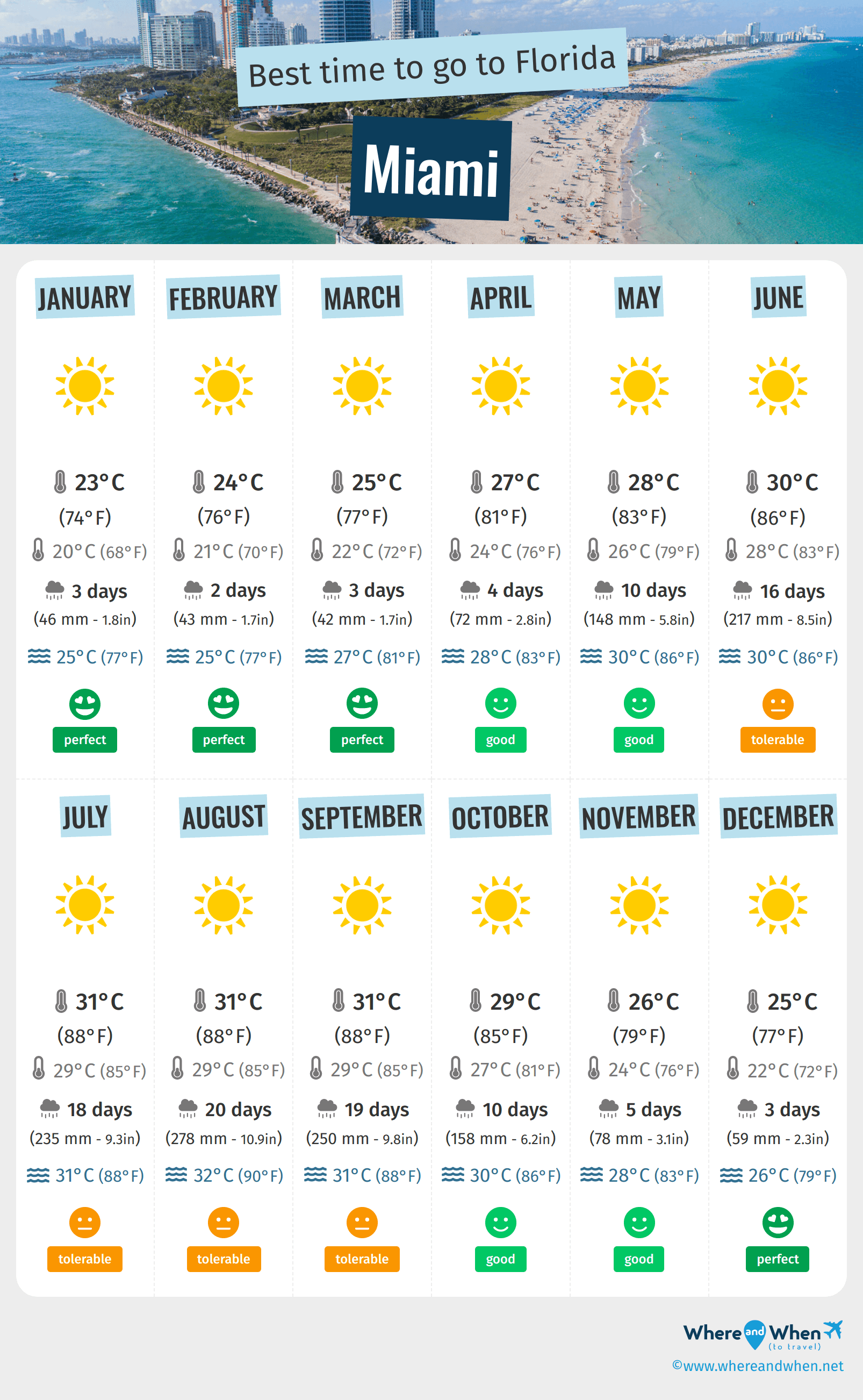
- Winter (November to April): This is Miami’s peak season, characterized by pleasant temperatures, low humidity, and minimal rainfall. It’s the ideal time for outdoor activities, beach lounging, and enjoying the city’s vibrant outdoor dining and festival scene. Expect higher prices for accommodation and more crowded attractions.
- Summer (May to October): While hot and humid, with a higher chance of afternoon thunderstorms, summer can still be a fantastic time to visit for those seeking lower prices and fewer crowds. The ocean temperatures are perfect for swimming, and many indoor attractions like the Pérez Art Museum Miami and the Phillip and Patricia Frost Museum of Science offer a cool escape. Hurricane season officially runs from June to November, so travelers during this period should keep an eye on weather forecasts and consider travel insurance.
These distinct seasonal rhythms allow Miami to offer different experiences depending on “what time of year it is.” A winter visit might focus on crisp mornings exploring Vizcaya Museum & Gardens and evenings dining al fresco, while a summer trip might involve refreshing dips in the ocean and discovering the vibrant indoor art scene of Wynwood Walls.
Making the Most of Your Miami Time: Seasons and Experiences
Miami is a city that thrives on experiences, and knowing “what time it is” in terms of seasons and daily schedules can significantly enhance your travel. From sun-drenched beaches to energetic nightlife, this city caters to every preference, making it a premier travel destination.
Peak Seasons vs. Shoulder Months
Peak Season (Winter/Spring): As mentioned, this period from November to April offers the most idyllic weather. Temperatures typically range from the mid-60s to high 70s Fahrenheit (18-26°C), perfect for enjoying South Beach, Lummus Park, and dining with ocean breezes. This is also when many major events and festivals occur, such as Art Basel Miami Beach and the South Beach Wine & Food Festival. While the atmosphere is electric, prepare for higher hotel rates and crowded attractions. Booking accommodation well in advance is essential, especially for popular spots like the Fontainebleau Miami Beach or The Setai, Miami Beach.
Shoulder Months (Late Spring/Early Fall): May, early June, and October represent fantastic opportunities for budget travel and a more relaxed tourism experience. The weather is still very pleasant, though warmer than winter, and the crowds begin to thin out. This can be an excellent time to find deals on flights and hotels, allowing for a more affordable yet equally enriching vacation. It’s also an ideal time for family trips before the full heat of summer or after the initial rush of the fall school year.
Off-Peak Season (Summer): Despite the heat and humidity, summer has its charms. Many businesses offer “Miami Spice” dining deals, and indoor attractions are less crowded. Resorts like The Biltmore Hotel or the Mandarin Oriental, Miami often have special packages. For those interested in nature, it’s also a vibrant time to explore the unique ecosystems of Everglades National Park, though guided tours are recommended to navigate the heat and mosquitoes.
Dawn to Dusk: Experiencing Miami’s Diverse Offerings
Miami offers a spectrum of activities that can fill your day, no matter the hour.
Morning (Sunrise to 11 AM):
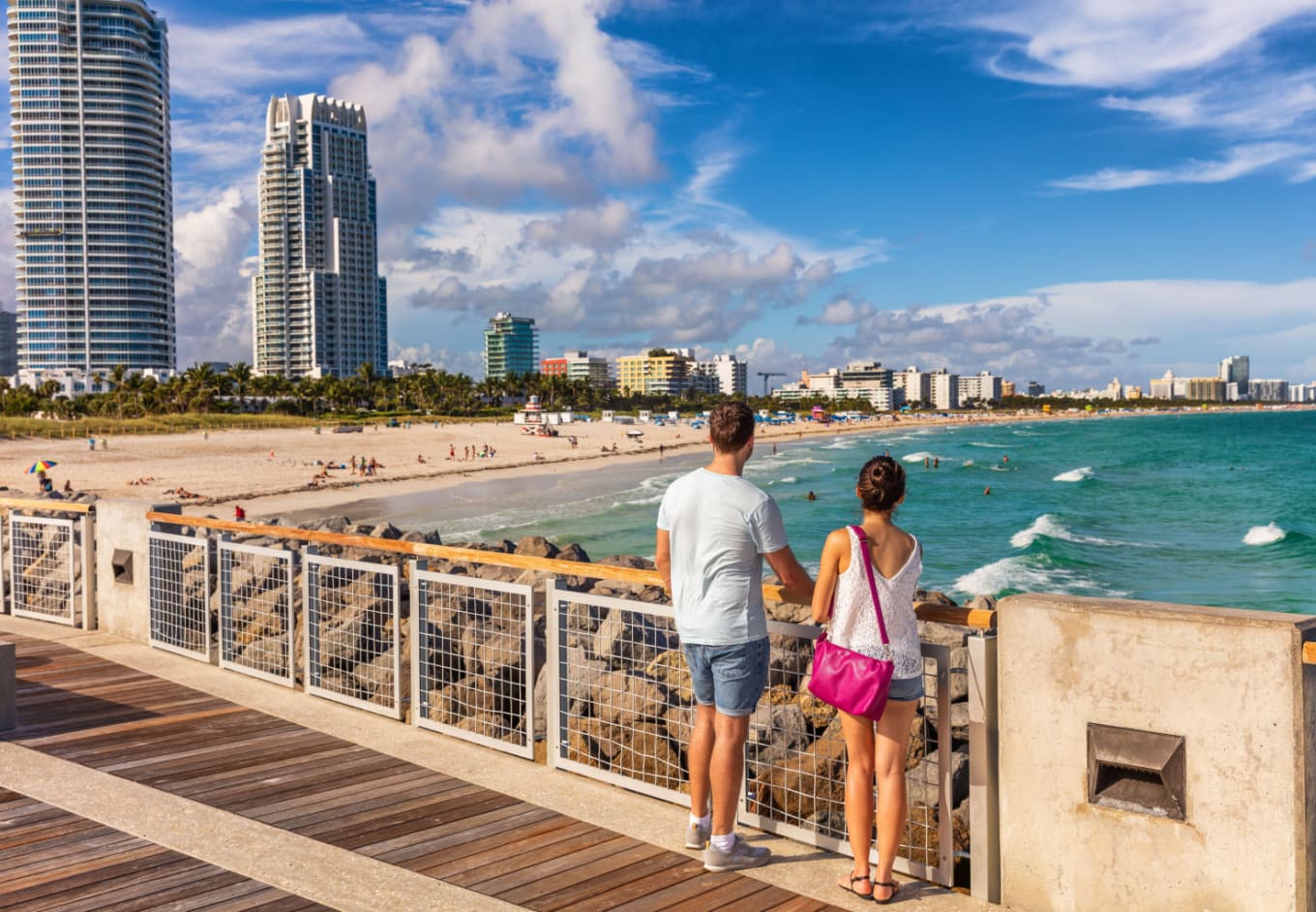
- Beach time: Catch the sunrise over the Atlantic at South Beach or Key Biscayne. The sand is cooler, and the crowds are minimal.
- Fitness: Join a yoga class on the beach or take a scenic jog along Ocean Drive.
- Breakfast: Indulge in a Cuban coffee and pastelito in Little Havana or enjoy a leisurely brunch at a trendy spot in Brickell.
Mid-day (11 AM to 4 PM):
- Culture & Art: Explore the vibrant street art of Wynwood Walls, wander through the galleries of the Design District, or delve into history at Vizcaya Museum & Gardens and Deering Estate.
- Shopping: From luxury boutiques on Lincoln Road to unique finds in Coconut Grove, Miami offers diverse retail therapy.
- Lunch: Savor fresh seafood at a waterfront restaurant or grab a quick, authentic bite in Little Havana.
Afternoon (4 PM to Sunset):
- Relaxation: Head back to the beach for a swim, or unwind by the pool at your resort, perhaps the iconic pool at W South Beach.
- Nature: Take an airboat tour of the Everglades National Park or visit Jungle Island for an up-close animal experience.
- Happy Hour: Many bars and restaurants offer specials, perfect for enjoying a refreshing cocktail as the day winds down.
Evening (Sunset onwards):
- Dining: Miami’s culinary scene is a global melting pot. From high-end dining at Faena Hotel Miami Beach to casual eateries, there’s something for every palate.
- Nightlife: Experience the legendary clubs of South Beach, dance to Latin rhythms in Little Havana on Calle Ocho, or enjoy a sophisticated lounge in Brickell.
- Live Music & Shows: Check out venues for live jazz, Latin music, or performances at the Adrienne Arsht Center for the Performing Arts.
A Timeless Allure: Miami’s Landmarks and Lifestyle
Beyond the ticking clock, Miami boasts a timeless appeal, woven through its iconic landmarks and distinctive lifestyle. It’s a city where history meets modernity, and diverse cultures blend seamlessly.
Iconic Landmarks and Historical Moments
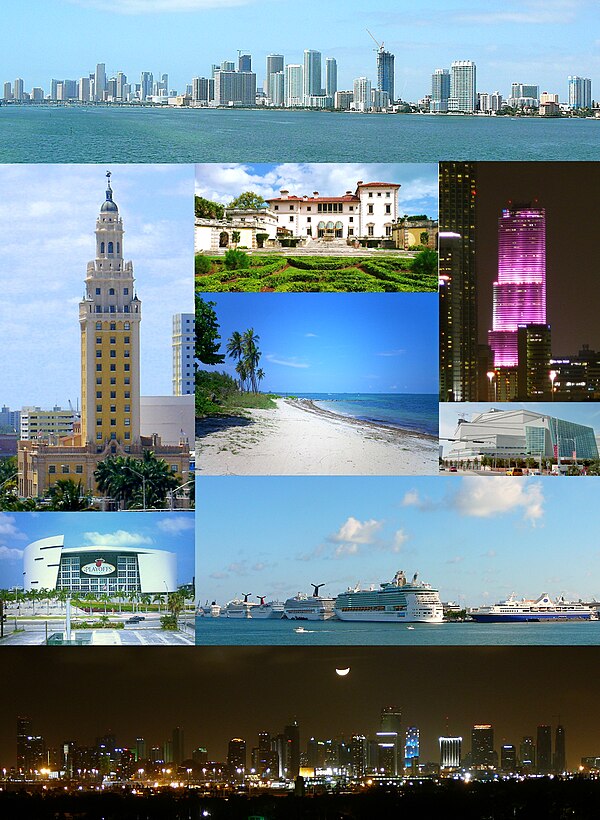
Miami’s skyline and streetscapes are dotted with landmarks that tell tales of its rich past and dynamic present. The preservation of the Art Deco Historic District on South Beach is a testament to the city’s appreciation for architectural heritage. Walking along Ocean Drive, you’re transported back to the glamorous 1930s, surrounded by pastel-hued buildings that are unique in the United States.
Further inland, the majestic Vizcaya Museum & Gardens offers a glimpse into Miami’s Gilded Age, an opulent estate built in the early 20th century, boasting stunning European architecture and elaborate gardens. In contrast, the vibrant energy of Little Havana on Calle Ocho provides a living landmark, a cultural hub steeped in Cuban history and tradition. Here, time seems to slow down, allowing visitors to savor domino games, hand-rolled cigars, and the irresistible rhythm of salsa.
The vastness of Everglades National Park, a UNESCO World Heritage Site, reminds us of the region’s enduring natural beauty and ecological importance, a timeless wilderness just a short drive from the bustling city center. These landmarks, whether architectural or natural, anchor Miami in a sense of place that transcends fleeting trends.
The Art of Living: Miami’s Unique Lifestyle
The lifestyle in Miami is a vibrant tapestry woven from its diverse cultural influences, its tropical climate, and its reputation as a hub for luxury and leisure. It’s a city where “what time it is” often refers to a state of mind rather than a mere clock reading.
- Luxury Travel: Miami epitomizes luxury, from its five-star resorts and designer boutiques to its world-class dining and exclusive nightlife. Guests seeking opulence can find it in the amenities of hotels like the Four Seasons Hotel Miami or private villas offering unparalleled privacy and service.
- Budget Travel: Despite its glamorous image, Miami also offers avenues for budget-conscious travelers. Exploring free attractions like the beaches, public parks, and the murals of Wynwood Walls can significantly reduce costs. Affordable eateries and hostels provide excellent value, making a Miami trip accessible to many.
- Family Trips: Miami is an excellent destination for families, offering a plethora of activities from interactive museums to wildlife parks. Jungle Island, the Phillip and Patricia Frost Museum of Science, and the calmer waters of Key Biscayne beaches are perfect for all ages.
- Business Stays: As a gateway to Latin America and a growing center for finance and technology, Miami is also a significant destination for business travel. Hotels like the Kimpton EPIC Hotel in downtown Miami cater specifically to business travelers, offering state-of-the-art facilities and convenient access to the financial district.
The Miami lifestyle encourages a blend of work and play, where a morning business meeting can seamlessly transition into an afternoon on the golf course or an evening at a world-class restaurant. It’s a city that embraces both the fast pace of urban living and the slow, languid charm of a tropical paradise, attracting visitors from South America, Europe, and beyond.
Planning Your Perfect Miami Getaway: Accommodation and Itineraries
Effective planning is crucial to fully appreciate Miami’s diverse offerings and truly understand “what time it is” for your specific travel needs. This includes thoughtful consideration of where to stay and how to structure your days to maximize your experience.
Finding Your Ideal Stay: Hotels and Resorts
Miami boasts an impressive array of accommodation options, catering to every style, budget, and purpose of travel. The choice of where to stay can profoundly influence your perception of time spent in the city.
- Luxury Resorts: For those seeking an indulgent escape, Miami Beach is home to some of the world’s most opulent resorts. The Fontainebleau Miami Beach, with its iconic pools and vibrant nightlife, offers a comprehensive resort experience. Similarly, the Faena Hotel Miami Beach provides an artistic and extravagant stay. These resorts often feature all-inclusive amenities, private beach access, gourmet dining, and spa services, making them destinations in themselves.
- Boutique Hotels: For a more intimate and personalized experience, boutique hotels in areas like the Art Deco Historic District offer unique charm and character. These often come with exceptional service and a strong sense of local culture.
- Apartments and Villas: For longer stays, family trips, or those desiring more space and privacy, renting an apartment or villa can be an excellent option. Platforms for accommodation comparison and booking allow travelers to find suitable properties across various neighborhoods, from the bustling downtown to quieter residential areas like Coconut Grove. This offers the flexibility to live like a local and manage your own schedule, from meal times to leisure activities.
- Budget-Friendly Options: Hostels and more modest hotels can be found throughout the city, particularly in areas like South Beach away from the most luxurious stretches, or closer to downtown Miami. Reviews and comparison websites are invaluable tools for finding quality accommodation that doesn’t break the bank.
Booking well in advance, especially during peak season, is highly recommended to secure your preferred accommodation and often at a better rate. Consider the location carefully – do you want to be within walking distance of the beach, close to museums, or near the business district? Your choice will dictate how you spend your time commuting versus experiencing.
Crafting Your Miami Schedule
Once your accommodation is set, the next step is to craft an itinerary that aligns with “what time it is” for your interests and energy levels. Miami is a city best enjoyed with a planned, yet flexible, approach.
Tips for an optimized itinerary:
- Group Activities Geographically: To save time and avoid extensive travel, group attractions that are in the same vicinity. For instance, dedicate one day to South Beach and its Art Deco Historic District, another to downtown Miami and Brickell (including museums), and a third to Wynwood and Little Havana.
- Balance Indoor and Outdoor: Especially during the hotter months, schedule outdoor activities for the cooler mornings and late afternoons, reserving the mid-day heat for indoor attractions, shopping, or relaxing by the pool.
- Factor in Travel Time: Miami traffic can be unpredictable. Always factor in buffer time for getting from one destination to another, whether you’re using ride-shares, public transport, or a rental car.
- Embrace Spontaneity: While planning is good, allow some flexibility for spontaneous discoveries. Miami’s charm often lies in its unexpected street performances, pop-up art installations, or hidden culinary gems.
- Consult Local Guides: Utilize travel guides and local tourism websites (like lifeoutofthebox.com!) for the latest information on events, restaurant openings, and special activities happening during your visit. These can help you catch time-sensitive experiences like local festivals or markets.
By thoughtfully considering Miami’s time zone, seasonal variations, diverse attractions, and accommodation options, you can ensure that every moment of your trip is well-spent, creating memories that will last a lifetime. Miami isn’t just a place; it’s an experience, and knowing “what time it is” there is the first step to unlocking its full potential.
LifeOutOfTheBox is a participant in the Amazon Services LLC Associates Program, an affiliate advertising program designed to provide a means for sites to earn advertising fees by advertising and linking to Amazon.com. Amazon, the Amazon logo, AmazonSupply, and the AmazonSupply logo are trademarks of Amazon.com, Inc. or its affiliates. As an Amazon Associate we earn affiliate commissions from qualifying purchases.