
Texas, a colossal state in the USA, is renowned for its vast landscapes, rich history, and vibrant culture. But when planning a trip to the Lone Star State, one question often looms large for travelers: “What’s the temperature in Texas?” The answer, much like the state itself, is wonderfully diverse and surprisingly complex. With an area larger than many countries, Texas spans multiple climatic zones, from arid deserts to humid coastlines, ensuring that the mercury’s reading can vary drastically depending on where and when you visit. Understanding these temperature fluctuations is key to unlocking the best travel experiences, whether you’re seeking a sun-drenched beach getaway, a cool mountain retreat, or a vibrant city break.

This article delves into the intricate climate of Texas, offering insights into its regional temperature patterns, seasonal shifts, and how these factors influence everything from your packing list to your choice of accommodation and planned activities. From the bustling metropolises like Houston and Dallas to the serene Hill Country and the majestic Big Bend National Park, preparing for the weather is an essential component of any successful Texas adventure. So, let’s explore the dynamic thermal landscape of Texas and how to navigate it like a seasoned traveler, ensuring comfort and enjoyment throughout your journey.
Texas’s Diverse Climate: A Regional Breakdown
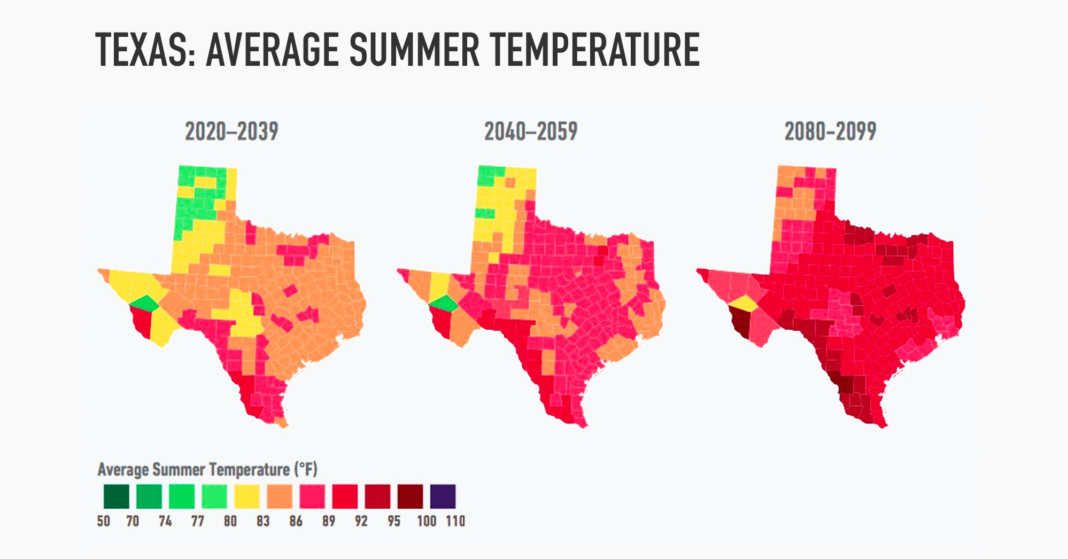
The sheer size of Texas dictates its climatic diversity. Bordering Mexico to the south and states like Oklahoma, Louisiana, Arkansas, and New Mexico in other directions, its varied geography — from coastal plains to high deserts and rolling hills — results in distinct regional temperature profiles. Understanding these differences is crucial for any traveler looking to explore its many facets.
North Texas: Four Seasons and Dynamic Weather
North Texas, encompassing major cities like Dallas and Fort Worth, experiences a humid subtropical climate characterized by four distinct seasons. Summers are typically hot and humid, with average daytime temperatures often soaring into the 90s°F (32-37°C) and occasionally exceeding 100°F (38°C) in July and August. These months demand air-conditioned accommodations and activities that involve water or indoor exploration. Winters are generally mild, with average highs in the 50s°F (10-15°C) and lows in the 30s°F (0-5°C), though cold snaps and occasional ice storms can occur. Spring and autumn are particularly pleasant, offering comfortable temperatures in the 60s-80s°F (15-27°C), making them ideal for exploring outdoor attractions such as the Dallas Arts District or the Fort Worth Stockyards. However, these transitional seasons can also bring unpredictable weather, including thunderstorms and even tornadoes.
Central Texas: Hot Summers, Mild Winters
Moving south to Central Texas, home to the state capital Austin and the historic city of San Antonio, the climate remains humid subtropical but with a slightly longer and hotter summer season. July and August often see temperatures consistently above 90°F (32°C), frequently reaching triple digits. The region’s vibrant culture, with live music venues in Austin and the historic Alamo and Riverwalk in San Antonio, often draws visitors even in the peak heat, necessitating careful planning for shade and hydration. Winters are very mild, with rare snowfall and average temperatures in the 40s-60s°F (4-15°C), making it a popular winter escape. Spring and fall are magnificent, with blooming wildflowers in the Hill Country and perfect conditions for outdoor activities like hiking at Enchanted Rock State Natural Area or exploring the vineyards of Fredericksburg.
East Texas: Humid Subtropical Charm
East Texas is characterized by its lush pine forests and a classic humid subtropical climate, receiving more rainfall than most other parts of the state. Summers are long, hot, and notably humid, with temperatures consistently in the 90s°F (32-37°C) and high dew points making it feel even warmer. Air conditioning is a must, and activities often revolve around water bodies or shaded natural areas. Winters are mild and wet, with average temperatures in the 40s-60s°F (4-15°C), providing a gentle respite from the summer heat. Spring and fall offer comfortable conditions, though spring can be quite rainy. The humidity is a defining feature here, influencing local culture and outdoor recreational preferences.
West Texas: Arid Beauty and Desert Extremes
Venture to West Texas, and the climate dramatically shifts to arid and semi-arid conditions, particularly within the Chihuahuan Desert. Cities like El Paso and the vast expanse of Big Bend National Park experience intense temperature swings. Summers are scorching, with daytime temperatures often exceeding 100°F (38°C), but low humidity means nights cool down significantly, sometimes dropping 30 degrees or more. This dry heat makes hiking challenging during midday, but sunrises and sunsets are spectacular and cooler. Winters are generally mild and dry, with daytime temperatures in the 50s-60s°F (10-15°C) and nighttime lows often below freezing, especially in higher elevations like the Guadalupe Mountains. Spring and fall are ideal for exploring this rugged beauty, offering pleasant daytime temperatures for hiking and camping in places like Palo Duro Canyon.
South Texas & The Gulf Coast: Tropical Influences
South Texas and the Gulf Coast regions, including cities like Corpus Christi, Galveston, and the popular vacation spot South Padre Island, are heavily influenced by the warm waters of the Gulf of Mexico. This results in a subtropical climate with very hot, humid summers. Daytime temperatures consistently hover in the high 80s and low 90s°F (30-35°C), often accompanied by high humidity. The coastal breezes offer some relief, making water activities like swimming, surfing, and boating incredibly popular. Winters are exceedingly mild, often remaining above freezing, with average temperatures in the 60s°F (15-20°C), making it a prime destination for “snowbirds” from colder climates. Spring and fall offer pleasant warmth, but hurricane season (June to November) is a critical consideration for travelers, as it can bring heavy rains and strong winds.
Planning Your Texas Adventure: Weather-Wise Travel Tips
Considering the dramatic temperature variations across Texas, careful planning based on the season and your chosen destination is paramount for a comfortable and enjoyable trip.
Best Time to Visit Texas
Generally, the spring (March to May) and fall (September to November) months are considered the sweet spots for visiting most of Texas. During these periods, temperatures are moderate, humidity is lower, and the natural beauty, like the famous bluebonnet fields in spring, is at its peak. This is an excellent time for outdoor activities, city exploration, and attending festivals.
- Spring: Ideal for Austin’s South by Southwest festival, exploring San Antonio’s Riverwalk, or hiking in Big Bend National Park.
- Fall: Perfect for wine tasting in Fredericksburg, enjoying outdoor patios in Dallas, or experiencing the Wurstfest in New Braunfels.
Summer (June to August) is fantastic for coastal getaways to South Padre Island or family fun at Schlitterbahn Waterpark, but be prepared for intense heat and humidity inland. Winter (December to February) is excellent for escaping cold weather in the milder southern regions or experiencing holiday lights in cities like Houston and San Antonio.
Packing Essentials for Every Season
Your packing list will heavily depend on your destination and the time of year.
- Summer: Light, breathable clothing (cotton, linen), wide-brimmed hats, sunglasses, high-SPF sunscreen, and reusable water bottles are non-negotiable. Swimwear is essential for coastal areas or hotels with pools.
- Winter: Layers are key, especially in North Texas and West Texas where temperatures can fluctuate significantly. Include sweaters, light jackets, and perhaps a warmer coat for colder fronts. Southern regions might only require light jackets or long sleeves.
- Spring/Fall: A mix of light and medium-weight clothing. Be prepared for sudden changes with a light jacket or cardigan, and an umbrella or rain jacket is advisable, especially in spring. Comfortable walking shoes are a must year-round.
Embracing Indoor & Outdoor Activities
Texas’s weather dictates the rhythm of its activities.
- Hot Weather: During summer, focus on indoor attractions such as museums (Kimbell Art Museum in Fort Worth, Sixth Floor Museum in Dallas), aquariums (Moody Gardens in Galveston), or underground caves (Natural Bridge Caverns). Water parks and river tubing (San Marcos, New Braunfels) are also popular. Early morning or late evening hikes are possible in some areas.
- Mild Weather: Spring and fall are perfect for exploring Texas’s numerous state parks, embarking on scenic drives through the Hill Country, enjoying outdoor dining, or attending festivals.
- Cooler Weather: Winter in the southern parts allows for comfortable outdoor exploration, while inland cities offer a chance to experience holiday markets and events. It’s also a great time for art galleries, historic site tours, and enjoying cozy cafes.
Temperature’s Impact on Texas Travel & Tourism
The prevailing temperatures profoundly shape the travel and tourism landscape of Texas, influencing popular destinations, event calendars, and even accommodation choices.
Iconic Destinations Through the Seasons
The allure of various Texan destinations often peaks in alignment with favorable weather conditions. For instance, Big Bend National Park is best enjoyed in the cooler months of fall, winter, and spring when hiking trails are more accessible and the desert heat less formidable. Conversely, coastal havens like South Padre Island or Galveston thrive in the summer, drawing crowds eager to escape the inland heat with beach activities and water sports. Cities like Austin, San Antonio, and Houston offer year-round attractions, but visitors in summer should prioritize air-conditioned indoor experiences like the Space Center Houston or historic missions, while spring and fall invite leisurely strolls along the Riverwalk or exploring the grounds of the Texas State Capitol.
Festivals and Events: A Calendar of Climate-Dependent Fun
Texas’s robust festival calendar is meticulously planned around its climate. The internationally renowned South by Southwest (SXSW) in Austin takes place in March, leveraging the pleasant spring temperatures. Similarly, the Houston Livestock Show and Rodeo is held in late winter/early spring, avoiding the intense summer heat. Outdoor music festivals, art fairs, and food events often fill the spring and fall weekends across the state, from Dallas to Waco and College Station. When planning your trip around a specific event, always check the time of year and prepare for the corresponding weather conditions.
Accommodation Choices: Staying Cool or Cozy
The temperature in Texas also influences accommodation choices and amenities. During scorching summers, hotels and resorts with excellent air conditioning, refreshing pools, and perhaps even indoor water parks are highly sought after. Luxury hotels like The Driskill Hotel in Austin or Hotel ZaZa in Houston provide opulent, climate-controlled sanctuaries. Resorts like La Cantera Resort & Spa in San Antonio or the Gaylord Texan Resort & Convention Center near Dallas often feature extensive pool complexes and indoor entertainment options. In cooler months, properties with cozy fireplaces or heated outdoor spaces become more appealing. For budget travelers, understanding peak seasons driven by weather can help find better deals during less extreme, but still comfortable, shoulder seasons.
Beyond the Thermometer: Experiencing Texas Culture
While temperatures dictate much of the travel planning, the true essence of Texas culture can be experienced regardless of the weather, with local traditions and culinary delights adapting to suit the climate.
Culinary Delights for Any Weather
Texan cuisine, known for its bold flavors and hearty portions, offers comfort in all seasons. On a scorching summer day, nothing beats a refreshing iced tea or a cold craft beer paired with lighter fare like fresh seafood from the Gulf Coast or a crisp salad. In cooler months, the state’s famous barbecue, chili, and Tex-Mex dishes provide a warming and satisfying experience. Whether you’re savoring a juicy brisket in Lockhart, enjoying authentic tacos in San Antonio, or exploring the diverse culinary scene in Houston, food is an integral part of the Texas lifestyle, adaptable to any temperature.
Lifestyle and Local Vibes
The Texan lifestyle, too, adjusts to the climate. In the heat of summer, locals rise early to get outdoor tasks done, retreat to air-conditioned comfort during the midday sun, and emerge in the evenings for patio dining, outdoor concerts, and twilight strolls. In the cooler months, outdoor markets, festivals, and sporting events dominate the social calendar. From the cowboy culture of Amarillo to the laid-back beach vibes of Port Aransas, the local approach to daily life is always intertwined with the natural environment. Embracing this rhythm allows visitors to truly immerse themselves in the authentic Texan spirit.
In conclusion, “What’s the temperature in Texas?” is a question with a myriad of answers, each opening a window to a different facet of this incredible state. Whether you’re chasing the sun, seeking a cool respite, or simply looking to experience its unique culture, understanding the regional and seasonal temperature variations is your first step toward an unforgettable Texan journey. With careful planning, the right gear, and a flexible itinerary, every season in Texas offers a compelling reason to visit and explore its boundless charm.
LifeOutOfTheBox is a participant in the Amazon Services LLC Associates Program, an affiliate advertising program designed to provide a means for sites to earn advertising fees by advertising and linking to Amazon.com. Amazon, the Amazon logo, AmazonSupply, and the AmazonSupply logo are trademarks of Amazon.com, Inc. or its affiliates. As an Amazon Associate we earn affiliate commissions from qualifying purchases.