
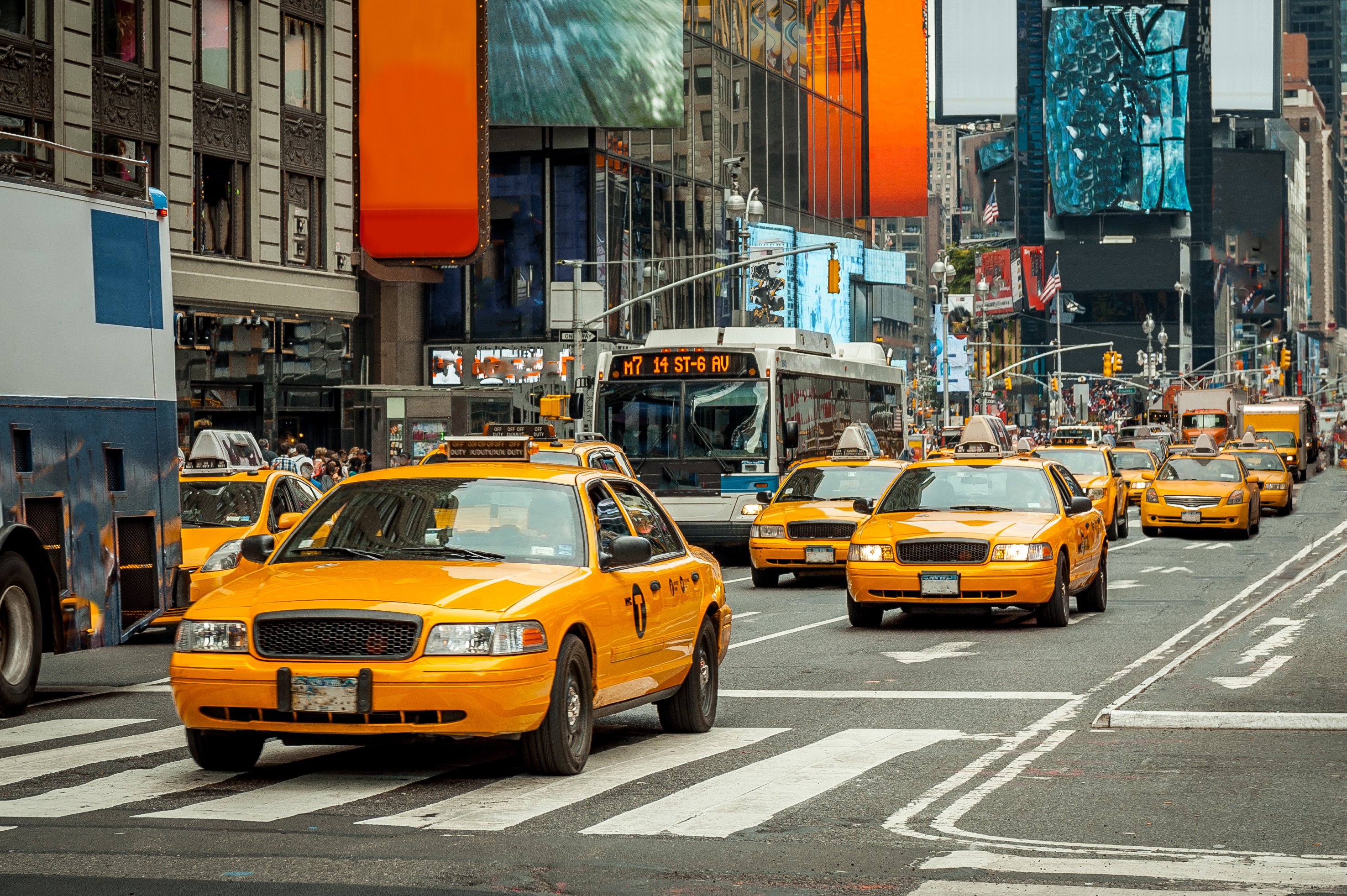
Navigating the bustling streets of New York City can be an exhilarating experience, but for first-time visitors and seasoned travelers alike, understanding the transportation landscape is key to a smooth journey. While the iconic subway system is often celebrated for its efficiency and reach, sometimes a taxi is simply the best option – whether you’re laden with luggage, heading to a crucial meeting, or simply seeking a comfortable ride after a long day of sightseeing. The image of the bright yellow cabs is synonymous with NYC, a symbol of urban movement and accessibility. But convenience often comes with a price tag, and knowing “how much are cabs in New York?” is crucial for managing your travel budget effectively.

This comprehensive guide will delve into the intricacies of taxi fares in NYC, exploring everything from base rates and surcharges to airport flat fees and tipping etiquette. We’ll also compare cabs to alternative transportation options, helping you make informed decisions that align with your travel style, budget, and schedule. From luxury travelers seeking seamless transfers between upscale hotels to budget-conscious adventurers exploring local culture, understanding cab costs is an essential piece of the New York experience.
Navigating New York City with Taxis: An Essential Guide
New York City is a sprawling metropolis, a vibrant hub of tourism, business, and daily life. The city’s taxi fleet plays a vital role in its rhythm, offering door-to-door service across its five boroughs. Primarily, when people speak of cabs in New York, they are referring to the distinctive yellow cabs that legally pick up street hails in Manhattan and at the two major airports, JFK Airport and LaGuardia Airport.
Beyond these ubiquitous yellow vehicles, visitors might also encounter green cabs, officially known as Street Hail Livery (SHL) vehicles. These apple-green cars are authorized to pick up street hails in outer borough neighborhoods such as The Bronx, Queens (excluding LaGuardia Airport and JFK Airport), Brooklyn, and upper Manhattan (above West 110th Street and East 96th Street). While their operational zones differ, the basic fare structure for both yellow and green cabs is governed by the Taxi and Limousine Commission (TLC), ensuring a standardized pricing model.
Deciding when to take a cab versus public transport often comes down to a few factors: urgency, amount of luggage, comfort preference, and destination accessibility. If you’re staying at a hotel in midtown Manhattan and need to reach a Broadway show promptly, a cab offers direct convenience. Similarly, for late-night returns from a specific landmark or a luxurious dinner, the safety and ease of a cab are often unparalleled. Understanding these scenarios helps integrate cabs into your broader travel plans, whether it’s part of a high-end lifestyle trip or a carefully planned family vacation.
Understanding New York City Taxi Fares: A Detailed Breakdown
Calculating the exact cost of a taxi ride in New York City can sometimes feel like a puzzle due to the various components that make up the final fare. It’s not just a flat rate or a simple per-mile charge. Several elements contribute, making it essential for travelers to be aware of each factor to budget accurately.
The Basic Fare Structure
The foundation of the New York City taxi fare is the meter, which starts ticking the moment you enter the cab.
- Initial Meter Drop: The base fare typically starts at $2.50.
- Per-Mile/Per-Fifth-Mile Charge: After the initial drop, the meter accumulates approximately $0.50 for each additional 1/5 mile (or 0.2 miles) when traveling above 6 mph.
- Waiting Time Charge: When the taxi is stopped or traveling below 6 mph (common in NYC’s notorious traffic), the meter charges based on time, approximately $0.50 per 60 seconds (or $30 per hour). This is why a short distance in heavy traffic can sometimes cost more than a longer ride during off-peak hours.
- Sales Tax: There is no sales tax added to taxi fares.
Common Surcharges and Fees
Beyond the basic meter rate, several surcharges can add to the total cost. These are critical to consider, especially when planning your overall accommodation and travel budget.
- MTA Surcharge: A $0.50 surcharge per ride for the Metropolitan Transportation Authority (MTA).
- State Surcharge: An additional $0.30 state-mandated surcharge per ride.
- Rush Hour Surcharge: During weekday rush hours (4:00 PM to 8:00 PM, Monday through Friday), an extra $1.00 is added to the fare.
- Night Surcharge: From 8:00 PM to 6:00 AM daily, a $1.00 surcharge is applied.
- Congestion Surcharge: Perhaps one of the most significant additions for rides primarily in Manhattan below 96th Street. A $2.50 surcharge is added for all taxi trips that begin, end, or pass through the designated Congestion Surcharge Zone. This fee helps fund public transit improvements and reduce traffic in the most crowded parts of the city.
- Tolls: Any tolls incurred during your trip (e.g., crossing bridges or tunnels like the Holland Tunnel, Lincoln Tunnel, Queens Midtown Tunnel, Hugh L. Carey Tunnel (Brooklyn-Battery Tunnel), Triborough Bridge, or Verrazzano-Narrows Bridge) will be added to your fare. The passenger is responsible for these tolls. If traveling to Newark Liberty International Airport (EWR) in New Jersey, expect a significant toll to cross the George Washington Bridge or tunnels.
- Tipping: While not a mandatory surcharge, tipping is customary and expected in the U.S. for service industries. For taxi drivers, a tip of 15-20% of the total fare before tolls is standard. Many cabs now offer easy-to-use payment screens with preset tipping options (15%, 20%, 25%). Always factor this into your expected cost.
Airport Flat Rates and Specific Routes
For common routes to and from New York City’s airports, there are specific pricing rules designed to simplify travel and avoid fare disputes.
- JFK Airport to/from Manhattan: This is one of the most frequently asked questions. Yellow cabs operate on a flat rate of $52.00 for trips between JFK Airport and any point in Manhattan. However, several additional charges apply:
- MTA Surcharge: $0.50
- State Surcharge: $0.30
- Congestion Surcharge: $2.50 (for trips into or within Manhattan)
- Port Authority Access Fee: $1.25
- Night Surcharge (8 PM to 6 AM): $1.00
- Rush Hour Surcharge (4 PM to 8 PM weekdays): $5.00 (This is a specific airport rush hour surcharge, distinct from the $1.00 citywide rush hour fee).
- Total estimated cost (without tip): Can range from approximately $56-$65, plus tolls if applicable (e.g., from JFK Airport to The Bronx might involve a bridge toll). Always remember to add your 15-20% tip. A ride from JFK Airport to a Midtown Manhattan hotel could easily be over $80 with all fees and tip.

-
LaGuardia Airport to/from Manhattan: Unlike JFK, trips to and from LaGuardia Airport operate on the standard metered fare, meaning the cost depends on the distance and traffic conditions.
- An average trip from LaGuardia Airport to midtown Manhattan generally costs between $30-$45 (excluding tip and tolls), plus the standard surcharges (MTA $0.50, State $0.30, Congestion Surcharge $2.50, and potentially Night/Rush Hour surcharges). With tip, this could easily reach $40-$60.
-
Newark Liberty International Airport (EWR) to/from Manhattan: While technically in New Jersey, many travelers consider EWR when flying into New York City. Taking a New York City yellow cab to EWR from Manhattan is expensive and often discouraged due to licensing restrictions and higher fees.
- A taxi ride from Manhattan to Newark Liberty International Airport (EWR) typically includes a metered fare (which can be $60-$80+), plus a $20.00 surcharge, plus all tolls (like for the Holland Tunnel or Lincoln Tunnel), and the New Jersey Airport Access Fee (which can be a few dollars). With tip, this can easily exceed $100-$130. For this route, ride-sharing services or specific New Jersey-licensed livery services are often more economical.
Cab Costs vs. Alternative Transportation in NYC
When planning travel within New York City, understanding the cost of cabs in isolation isn’t enough. It’s crucial to weigh them against other transportation options available, especially when factoring in overall travel and accommodation budgets.
Subway and Bus Systems
For sheer cost-effectiveness, the New York City subway and bus systems are unmatched.
- Fare: A single ride on the subway or bus costs $2.90 using a MetroCard or the contactless Omny card (tap-and-go with a credit card or mobile wallet).
- Unlimited Ride Options: Weekly and monthly unlimited ride passes are available, offering even greater savings for extended stays. A 7-day unlimited pass costs $34.00, making it incredibly economical for tourists exploring many attractions.
- Pros: Very affordable, extensive network covering all boroughs, often faster than cabs during rush hour due to heavy traffic above ground. Reaches major landmarks like Grand Central Terminal, Times Square, and provides access to parts of Central Park.
- Cons: Can be crowded, especially during peak hours. Not always comfortable with significant luggage. Accessibility for those with mobility issues can be a concern at some stations. Requires understanding the map and potentially navigating transfers.
Ride-Sharing Services (Uber, Lyft)
Uber and Lyft have become incredibly popular alternatives to traditional taxis in New York City.
- Pricing: These services operate on dynamic pricing, meaning fares can fluctuate significantly based on demand (surge pricing), time of day, and traffic. During off-peak hours, a ride-share might be slightly cheaper or comparable to a yellow cab. During high demand (e.g., concert endings, severe weather), surge pricing can make them considerably more expensive than a metered taxi.
- Service Levels: Both platforms offer various service levels, from economical options like UberX or Lyft Standard to premium services like Uber Black or Lyft Lux (which rival luxury car services).
- Pros: Convenience of booking via an app, cashless payment, often more comfortable cars than some taxis, ability to see fare estimate upfront (though subject to change with dynamic pricing). Good for specific hotel pickups or reaching destinations less served by public transport.
- Cons: Dynamic pricing can lead to unpredictable costs. Wait times can vary. Subject to the same traffic conditions as cabs. Requires a smartphone and internet access.
Other Options: Walking and Biking
For short distances, or for travelers who prioritize health and exploring the city’s unique street life, walking and biking are excellent, free (or low-cost) options.
- Walking: Many of Manhattan’s attractions are surprisingly close together. Strolling from Times Square to Rockefeller Center or from the Empire State Building to Grand Central Terminal can be quicker than taking a cab in heavy traffic and offers a chance to soak in the local culture.
- Biking: Citi Bike, New York City’s bike-share program, has numerous docking stations throughout Manhattan, Brooklyn, and Queens. A single ride or a day pass can be an enjoyable way to explore, especially areas like Central Park or along the Hudson River Greenway.
- Pros: Free (walking) or inexpensive (biking), great for exercise, allows for spontaneous discoveries, environmentally friendly.
- Cons: Not suitable for long distances, challenging with luggage, weather-dependent, requires awareness of urban traffic and safety.
Practical Tips for Taking Cabs in New York
Whether you opt for the classic yellow cab experience or an alternative, a few practical tips can enhance your travel in New York City.
-
When to Choose a Cab: Cabs are ideal for:
- Airport Transfers: Especially JFK to Manhattan with the flat rate, or when traveling with excessive luggage.
- Late-Night Travel: When public transport options are less frequent or for added safety and convenience.
- Specific Destinations: Getting to hotels like The Plaza Hotel or St. Regis New York directly, particularly if they are not near a subway station.
- Bad Weather: On rainy or snowy days, a cab offers welcome shelter.
- Time Sensitivity: If you’re running late for a flight or an important appointment.
-
How to Hail a Cab:
- Look for a yellow cab with its medallion number illuminated on the roof. This means it’s available. If only the numbers on the side are lit, it’s off-duty. If no lights are on, it’s occupied.
- Simply stand on the street corner and raise your hand. Cabs will often pull over if they see you.
- Avoid hailing cabs in restricted areas (e.g., bus stops, fire hydrants) or in the middle of a block if you’re near an intersection.
- For green cabs, remember they operate mainly outside of the core Manhattan business district.
-
Payment Methods:
- All yellow cabs are required to accept credit cards (Visa, Mastercard, American Express, Discover), debit cards, and cash.
- The backseat screen typically facilitates payment, including adding a tip.
- Confirm your desired payment method before starting a long trip, especially if you prefer cash.
-
Safety Tips:
- Always ensure the meter is on when your trip begins.
- Familiarize yourself with the general direction or use GPS on your phone to follow the route.
- Don’t share a cab with strangers unless it’s an authorized ride-share service.
- In case of any issues, note the taxi’s medallion number (found on the partition, on the outside of the cab, or on your receipt).
-
Budgeting for Taxi Travel:
- While convenient, cabs can quickly add up, especially for budget travelers. For a typical day of sightseeing, limit taxi use to one or two strategic trips (e.g., to an airport, or for a late-night return from a particular destination).
- For luxury travel or business stays, cabs can be a primary mode of transport, offering comfort and efficiency between meetings or high-end dining experiences. Factor in the higher costs compared to public transport, but appreciate the saved time and reduced stress.
- Always include an allowance for tips (15-20%) and potential surcharges in your daily travel budget.
In conclusion, cabs in New York City offer an unparalleled level of convenience and comfort, making them an attractive option for various travel scenarios. While they are generally more expensive than public transportation, understanding the fare structure, surcharges, and airport flat rates empowers you to make informed choices. Whether you’re navigating the iconic streets for leisure or business, a well-planned approach to taxi usage can significantly enhance your New York City experience, allowing you to appreciate the city’s dynamic energy without unexpected financial surprises.
LifeOutOfTheBox is a participant in the Amazon Services LLC Associates Program, an affiliate advertising program designed to provide a means for sites to earn advertising fees by advertising and linking to Amazon.com. Amazon, the Amazon logo, AmazonSupply, and the AmazonSupply logo are trademarks of Amazon.com, Inc. or its affiliates. As an Amazon Associate we earn affiliate commissions from qualifying purchases.