
For travelers, locals, and business visitors alike, understanding the intricate dance of weather patterns is paramount when planning an excursion or even just a weekend outing in a vibrant, sprawling metropolis like Houston, Texas. Texas weather, known for its dramatic shifts and often unpredictable nature, plays a crucial role in shaping travel experiences, influencing everything from what to pack to which attractions to visit. Among the most anticipated and impactful weather events are cold fronts, which can sweep through the state, transforming sweltering humidity into crisp, refreshing air almost overnight. These fronts don’t just bring a change in temperature; they usher in a whole new set of possibilities for tourism, outdoor activities, and even the ambiance of various accommodations.
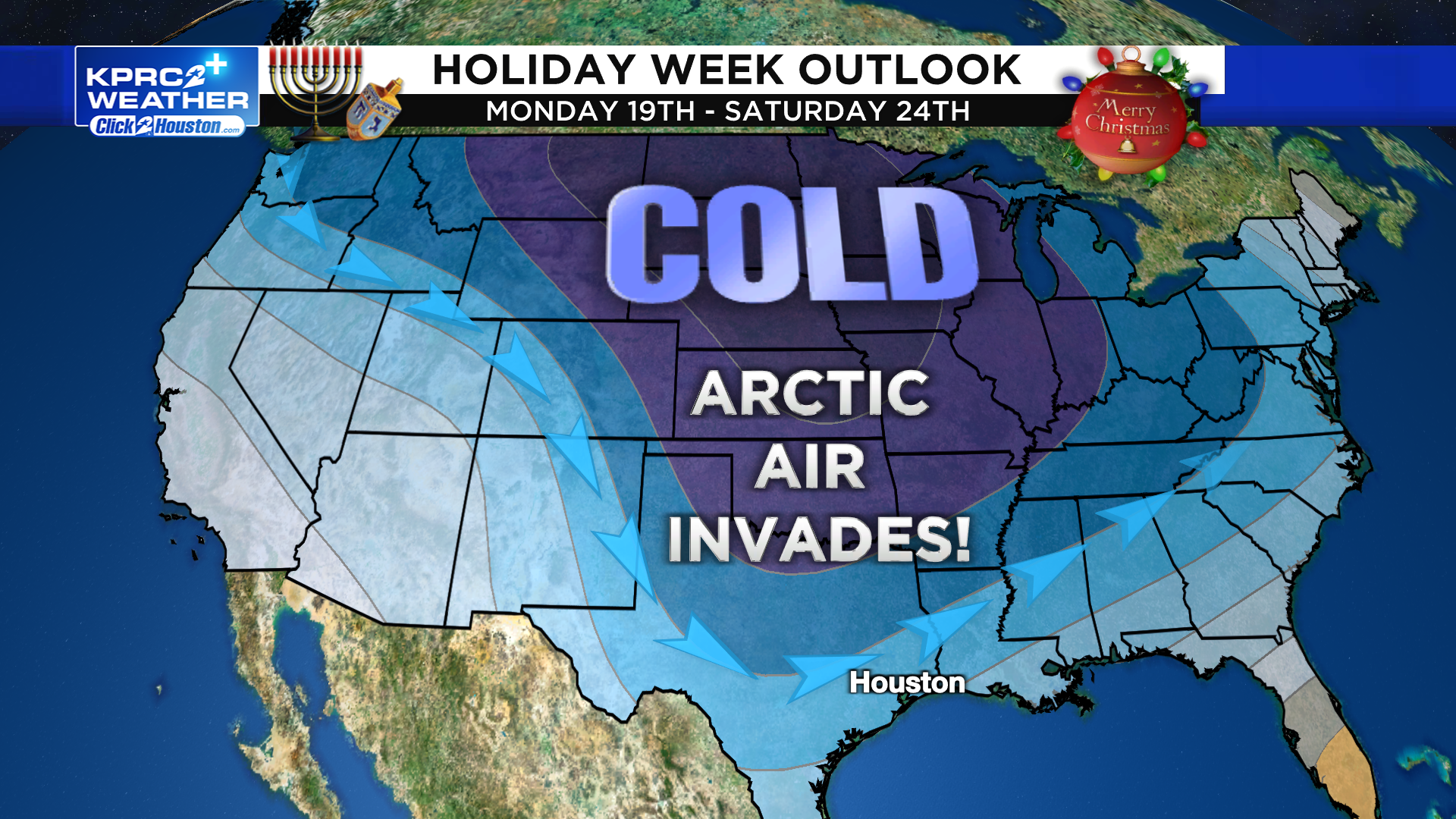
On a website dedicated to travel, hotels, tourism, accommodation, landmarks, and lifestyle, tracking cold fronts in Houston isn’t merely about forecasting; it’s about empowering you to optimize your trip. Whether you’re seeking a luxury escape with cozy indoor amenities, planning a budget-friendly family adventure that takes advantage of cooler outdoor temperatures, or embarking on a business stay where comfortable climate control is key, knowing when the next cold front is expected can make all the difference. This comprehensive guide will delve into the typical patterns of Texas cold fronts, offer insights into forecasting their arrival in Houston, and provide expert advice on how to embrace the cooler weather to enhance your travel and lifestyle choices across the Lone Star State.
Understanding Cold Front Dynamics in the Lone Star State
Texas, particularly its eastern and southern regions like Houston, experiences a humid subtropical climate. This means hot, often oppressive summers and generally mild winters, punctuated by periodic cold fronts that can dramatically alter the atmospheric conditions. These fronts typically originate from Canada or the northern United States, bringing in cooler, drier air masses that collide with the warmer, moist air lingering over the Gulf of Mexico. The collision often results in a rapid temperature drop, significant changes in wind direction, and sometimes, a burst of precipitation or even severe weather before the clear, cool air settles in.
The Seasonal Dance of Cold Fronts
While cold fronts can technically occur year-round, their frequency and intensity vary significantly with the seasons. In Houston:
- Autumn (September – November): This is when cold fronts become more common and highly anticipated. After a long, hot summer, the first strong cold fronts of fall are celebrated for bringing relief. They typically arrive every 1-2 weeks, gradually lowering temperatures and humidity, making outdoor activities much more enjoyable. This period is ideal for travel, as the weather is pleasant, and many festivals and events kick off.
- Winter (December – February): Cold fronts are most frequent during winter, sometimes arriving multiple times a week. While Houston doesn’t typically experience harsh winters like its northern counterparts, these fronts can bring temperatures down into the 30s or 40s Fahrenheit (0-10°C), with occasional dips below freezing. Snow is rare but not unheard of. Travelers during this time should be prepared for brisk weather, making cozy hotel amenities like indoor pools, fireplaces, and heated spas particularly appealing.
- Spring (March – May): As spring progresses, cold fronts become less frequent and generally weaker. They can still bring temporary cool spells, but the overall trend is towards warming. This season is often characterized by volatile weather, as the clashing air masses can trigger severe thunderstorms and tornadoes, especially from March to May.
- Summer (June – August): Cold fronts are extremely rare in summer, and when they do occur, they often bring only a slight, temporary dip in humidity rather than a significant drop in temperature. The focus during summer is usually on escaping the heat and humidity, with air-conditioned attractions and water-centric activities taking precedence.
For travelers, understanding this seasonal rhythm is key. If you’re planning a trip to Houston for a specific event or activity, consulting the typical cold front patterns can help you choose the best time to visit and what kind of wardrobe to pack. This knowledge also influences accommodation choices; a beachfront resort in Galveston might be perfect in early fall, while a Downtown Houston hotel with indoor amenities might be better suited for a mid-winter stay during a strong cold front.
Forecasting the Next Cold Front: What to Expect in Houston
Pinpointing the exact arrival of the “next” cold front requires consulting reliable, up-to-the-minute weather resources. While general patterns exist, the precise timing and intensity are subject to atmospheric conditions that evolve daily. For visitors and residents in Houston, staying informed is crucial for travel planning, outdoor activities, and even dining experiences.
Reliable Weather Resources and Early Indicators
- National Weather Service (NWS): The official source for weather information in the United States, the NWS Houston/Galveston office provides detailed forecasts, watches, and warnings. Their website and mobile alerts are invaluable.
- Local News Channels: Houston’s local news stations (e.g., KTRK-TV ABC13, KHOU 11, KPRC 2) have dedicated meteorology teams that offer region-specific forecasts, often with a focus on local impacts.
- Reputable Weather Apps/Websites: Apps like AccuWeather, The Weather Channel, and Weather Underground provide hourly and 10-day forecasts, often with radar and satellite imagery, allowing travelers to track fronts as they approach.
- Early Indicators: Keep an eye on rising humidity, southerly winds, and consistently warm temperatures (even at night) as precursors to a potential cold front. The tell-tale sign of an approaching front is often a sudden shift in wind direction (typically from south to north or northwest), a sharp drop in temperature, and sometimes a line of thunderstorms.
Immediate Outlook for Houston (General Guidance)
As of the current weather patterns typical for Texas, the frequency of cold fronts begins to increase notably from late September through the winter months. If you are planning a visit within this timeframe, it is highly probable that you will encounter at least one cold front during your stay, or you’ll be enjoying the pleasant aftermath of a recent one.
- For current and short-term forecasts (next 3-7 days): Always check the resources mentioned above. Meteorologists will typically begin forecasting a cold front’s arrival several days in advance, detailing its expected strength, temperature drop, and any associated precipitation. They will often provide specific timings for when the front is expected to pass through Houston.
- Impact on Travel: A significant cold front can bring strong winds, heavy rain, and sometimes even ice, which can impact travel, particularly at George Bush Intercontinental Airport (IAH) or William P. Hobby Airport (HOU). It’s wise to check airline schedules and road conditions if traveling during or immediately after a predicted strong front. For those on extended stays or planning long-term accommodation, considering the typical seasonal shifts in Houston’s climate will inform wardrobe choices and activity planning over several weeks.
Maximizing Your Houston Experience During a Cold Front
A cold front in Houston is not a reason to cancel your plans; it’s an invitation to experience the city differently. The crisp air and cooler temperatures open up new avenues for exploring Houston’s diverse offerings, from its world-class museums to its vibrant culinary scene.
Outdoor Adventures in Cooler Climes

While some might shy away from the outdoors when temperatures drop, many Houston landmarks and activities are transformed by cooler weather, becoming more comfortable and less crowded.
- Parks and Green Spaces: Places like Discovery Green, Hermann Park, and Buffalo Bayou Park are fantastic for strolls, picnics, or even outdoor yoga without the intense summer heat. The Houston Zoo, located within Hermann Park, can be a delightful visit when the animals are more active in cooler temperatures. Consider a bike ride along the bayou or a leisurely afternoon exploring the sprawling green spaces.
- Outdoor Events and Festivals: Cooler weather is prime season for many outdoor festivals, markets, and cultural events. Check local listings for art markets in Market Square Park, seasonal fairs, or even outdoor concerts that thrive in the crisp air. The Houston Livestock Show and Rodeo is a major event held in cooler months, offering a quintessential Texas experience.
- Galveston Excursions: Just an hour’s drive from Houston, Galveston Island offers a different coastal charm in cooler weather. While beach swimming might be out, the historic Strand District, tours of Victorian architecture, and attractions like Moody Gardens (with its indoor pyramids) are still very much in play. The island often hosts seasonal events like Oktoberfest or the Christmas Boat Parade in cooler months, attracting numerous tourists.
Embracing Indoor Attractions and Culinary Comforts
When a cold front brings a chill that’s a little too crisp for extended outdoor activities, Houston’s world-class indoor attractions shine.
- Museums and Cultural Institutions: The Museum District boasts 19 institutions, many offering free admission. Spend a day exploring the Museum of Fine Arts, Houston, the Houston Museum of Natural Science, or the Menil Collection. For space enthusiasts, Space Center Houston (the official visitor center of NASA Johnson Space Center) is an absolute must-visit, offering a captivating indoor experience that’s perfect for any weather.
- Shopping and Entertainment: The Galleria, a massive upscale mall, provides hours of indoor shopping, dining, and even an ice rink, making it an ideal destination during a cold spell. Beyond that, numerous independent boutiques in neighborhoods like Montrose and River Oaks offer unique shopping experiences.
- Culinary Scene: Cooler weather is perfect for indulging in Houston’s renowned food scene. Seek out cozy restaurants with fireplaces, enjoy hearty Texas comfort food, or explore the city’s diverse international cuisines, from Vietnamese pho to authentic Mexican dishes, which always feel extra comforting on a brisk day. Breweries and distilleries also offer warm, inviting atmospheres for tastings and tours.
Accommodation and Lifestyle Choices for Cooler Weather
The arrival of a cold front significantly influences accommodation preferences and overall lifestyle choices for travelers and residents. Hotels and resorts are keenly aware of these seasonal shifts and often tailor their amenities and offerings to suit cooler conditions.
Cozy Stays and Luxurious Amenities
When the temperatures drop, the comfort and amenities of your chosen accommodation become even more critical. Travelers planning a visit during a colder period should consider hotels that offer features designed for warmth and relaxation.
- Hotels with Indoor Pools and Hot Tubs: Many luxury hotels in Houston, such as the JW Marriott Houston Downtown or the Marriott Marquis Houston (famous for its Texas-shaped lazy river which is often heated), boast impressive indoor aquatic facilities, perfect for unwinding regardless of the weather outside.
- Fireplaces and Lounges: Boutique hotels or upscale resorts like The Post Oak Hotel at Uptown Houston or Hotel ZaZa Museum District often feature elegant lobbies, lounges, or even in-room fireplaces that create a wonderfully cozy ambiance. These spaces are ideal for enjoying a hot beverage, reading a book, or socializing.
- In-Room Comforts: Look for accommodations that prioritize comfort, such as rooms with plush bedding, robust heating systems, and perhaps even complimentary hot chocolate or coffee stations. For long-term stays or apartment-style accommodations, access to a well-equipped kitchen allows guests to prepare warm meals.
- Spa and Wellness Centers: Many high-end hotels, like the Hilton Americas-Houston, offer full-service spas where guests can indulge in massages, saunas, and other treatments, providing a perfect escape from the chill.
Budget-Friendly vs. Luxury Travel in Cooler Months
The impact of cold fronts also extends to different travel styles:
- Luxury Travel: Cooler weather often enhances the luxury experience. Imagine sipping cocktails by an outdoor fire pit at an upscale hotel, enjoying a fine dining experience in a warm, intimate setting, or exploring Houston’s cultural gems without the summer crowds. Luxury resorts often package special “winter warmer” deals or culinary experiences during these months.
- Budget Travel: For budget-conscious travelers, cooler temperatures can still be an advantage. Many of Houston’s parks and outdoor landmarks are free to access, and the pleasant weather makes walking or biking between attractions more feasible, saving on transportation costs. Public transportation is also more comfortable to use. Look for hotels outside the immediate Downtown Houston or Uptown Houston areas, which may offer more affordable rates while still providing necessary heating and basic comforts. Hostel common rooms can also be great places to warm up and meet fellow travelers.
- Family Trips: Cold fronts make family trips to places like Space Center Houston or the Houston Zoo more comfortable. Many hotels cater to families with amenities like indoor play areas or heated pools, ensuring entertainment even if outdoor plans are altered.
- Business Stays: For business travelers, a cold front might mean bringing a heavier coat. However, it typically doesn’t disrupt indoor conference schedules. Hotels with reliable Wi-Fi, comfortable workspaces, and easy access to heated transit options (if available) are key.
Beyond Houston: Cold Front Impacts Across Texas
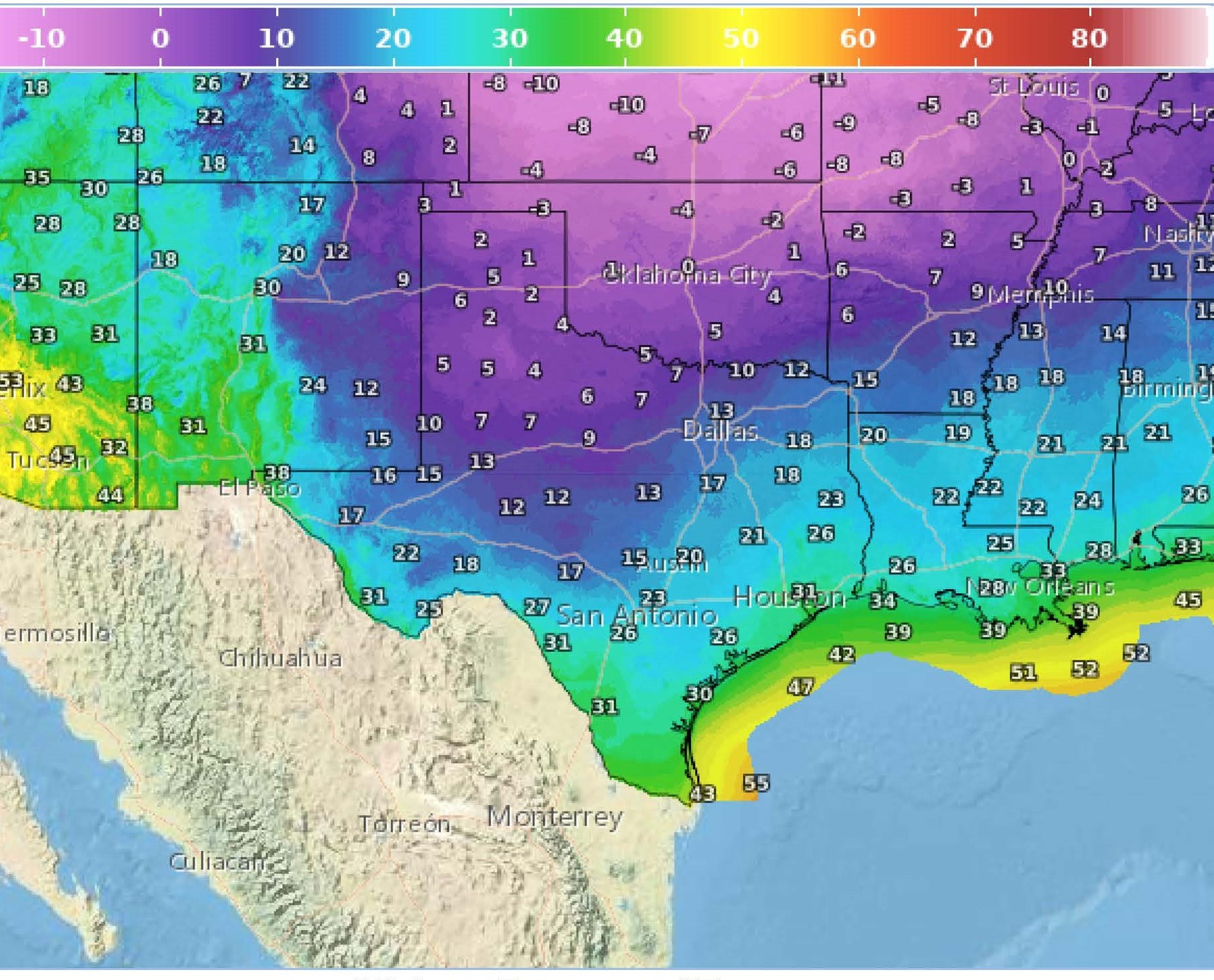
While Houston is a major focal point, cold fronts impact the entirety of Texas, offering diverse experiences across its varied landscapes. Understanding these broader implications can enhance travel planning for those looking to explore beyond the Bayou City.
Hill Country Escapes and Coastal Considerations
- Texas Hill Country: The Hill Country towns like Austin, San Antonio, and Fredericksburg truly shine under the crisp, clear skies brought by a cold front. This is prime season for exploring vineyards, hiking at destinations like Enchanted Rock State Natural Area (though be mindful of ice if temperatures drop significantly), and enjoying the vibrant fall foliage or mild winter scenery. Many bed and breakfasts in the Hill Country come alive with fireplaces and cozy amenities, perfect for a romantic getaway or a peaceful retreat.
- Texas Gulf Coast: While swimming in the Gulf of Mexico might be too chilly, the coastal areas from Galveston down to South Padre Island offer fantastic opportunities for birdwatching (migratory birds flock here during cooler months), fishing, and exploring the beaches without the oppressive summer heat and crowds. Resorts along the coast may offer discounted rates in the cooler off-season, making for a budget-friendly coastal escape. However, strong cold fronts can bring high winds and rough surf, so checking marine forecasts is essential. Schlitterbahn Galveston Island Waterpark, for example, will typically be closed in the cooler months, but Moody Gardens remains a popular indoor attraction.
Exploring Urban Centers and Natural Wonders
- Dallas and Fort Worth: These northern Texas cities experience cold fronts more frequently and often with greater intensity than Houston. Cooler weather is perfect for exploring the Dallas Arts District, the Sixth Floor Museum, or the historic Stockyards in Fort Worth. Hotels in these cities are well-equipped for colder temperatures, offering excellent indoor amenities.
- West Texas and Big Bend National Park: Cooler weather is arguably the best time to visit the vast landscapes of West Texas, including Big Bend National Park. The intense summer heat makes hiking challenging, but cold fronts bring pleasant daytime temperatures ideal for exploring trails and canyons. Nighttime temperatures can drop significantly, sometimes below freezing, so proper gear and accommodation with heating are crucial for camping or lodging in remote areas.
- East Texas Piney Woods: The forested regions of East Texas offer stunning scenery during fall and winter, especially with the subtle color changes and the crisp scent of pine. Cold fronts make hiking, camping (in cabins or well-insulated tents), and visiting state parks like Lake Conroe particularly enjoyable. Many lodges and cabins in this region cater to those seeking a cozy, rustic retreat.
In conclusion, the arrival of a cold front in Texas, and specifically Houston, is much more than just a weather event. It’s a cue for a change in lifestyle, travel priorities, and opportunities for exploration. By staying informed and planning strategically, both intrepid travelers and casual visitors can transform the cooler weather into an enriching and memorable Texas experience, whether it involves enjoying Houston’s vibrant indoor scene, seeking cozy accommodation, or venturing out to explore the diverse beauty of the wider state. The key is to be prepared, embrace the shift, and let the crisp air guide your next adventure.
LifeOutOfTheBox is a participant in the Amazon Services LLC Associates Program, an affiliate advertising program designed to provide a means for sites to earn advertising fees by advertising and linking to Amazon.com. Amazon, the Amazon logo, AmazonSupply, and the AmazonSupply logo are trademarks of Amazon.com, Inc. or its affiliates. As an Amazon Associate we earn affiliate commissions from qualifying purchases.