
California, often referred to as the Golden State, is a land of unparalleled diversity, from its sun-kissed beaches and towering redwoods to its bustling metropolises and serene deserts. This iconic state within the United States holds a unique allure for travelers, innovators, and dream-seekers alike. But beyond its stunning landscapes and vibrant culture, one fundamental aspect shapes every facet of life and travel within its borders: its population. Understanding the sheer scale and intricate dynamics of California’s population is crucial for anyone planning to visit, reside, or simply comprehend the essence of this extraordinary region.
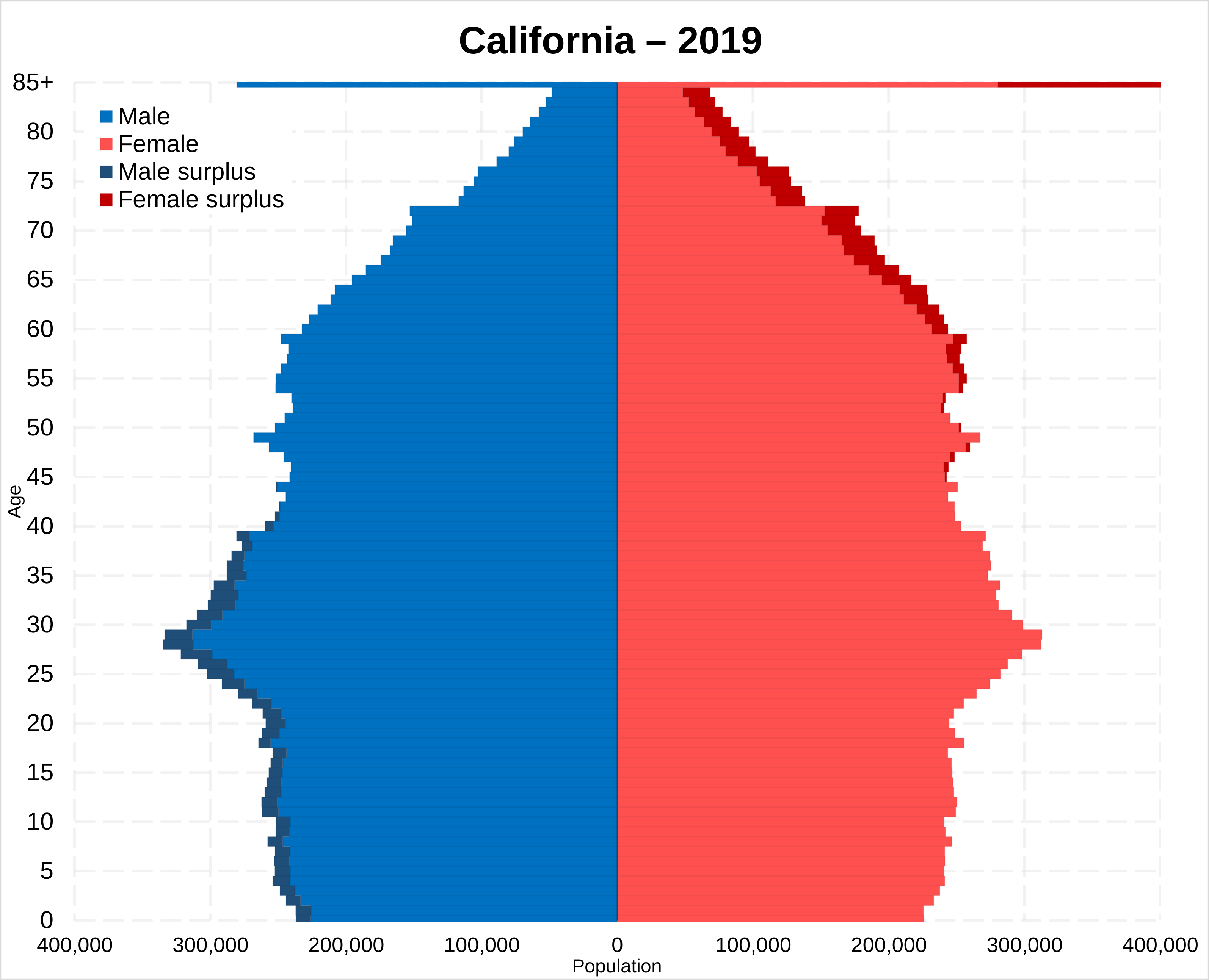
As of recent estimates, the population of California hovers around 39 million people. This makes it the most populous state in the United States, a title it has held for decades. This colossal figure isn’t just a number; it represents a vibrant tapestry of cultures, economies, and lifestyles that profoundly influence everything from the state’s tourism infrastructure to its distinct regional flavors and accommodation options. For travelers, this means encountering a wide spectrum of experiences, from the buzzing energy of urban centers to the tranquil solitude of its vast wilderness areas, all shaped by the millions who call this place home.
Unpacking California’s Vast Human Landscape
The significant population of California is not merely about its grand total but also about its composition and distribution. It’s a demographic powerhouse that dictates much about the state’s character and offerings for both residents and visitors.
Current Demographics and Growth Trends
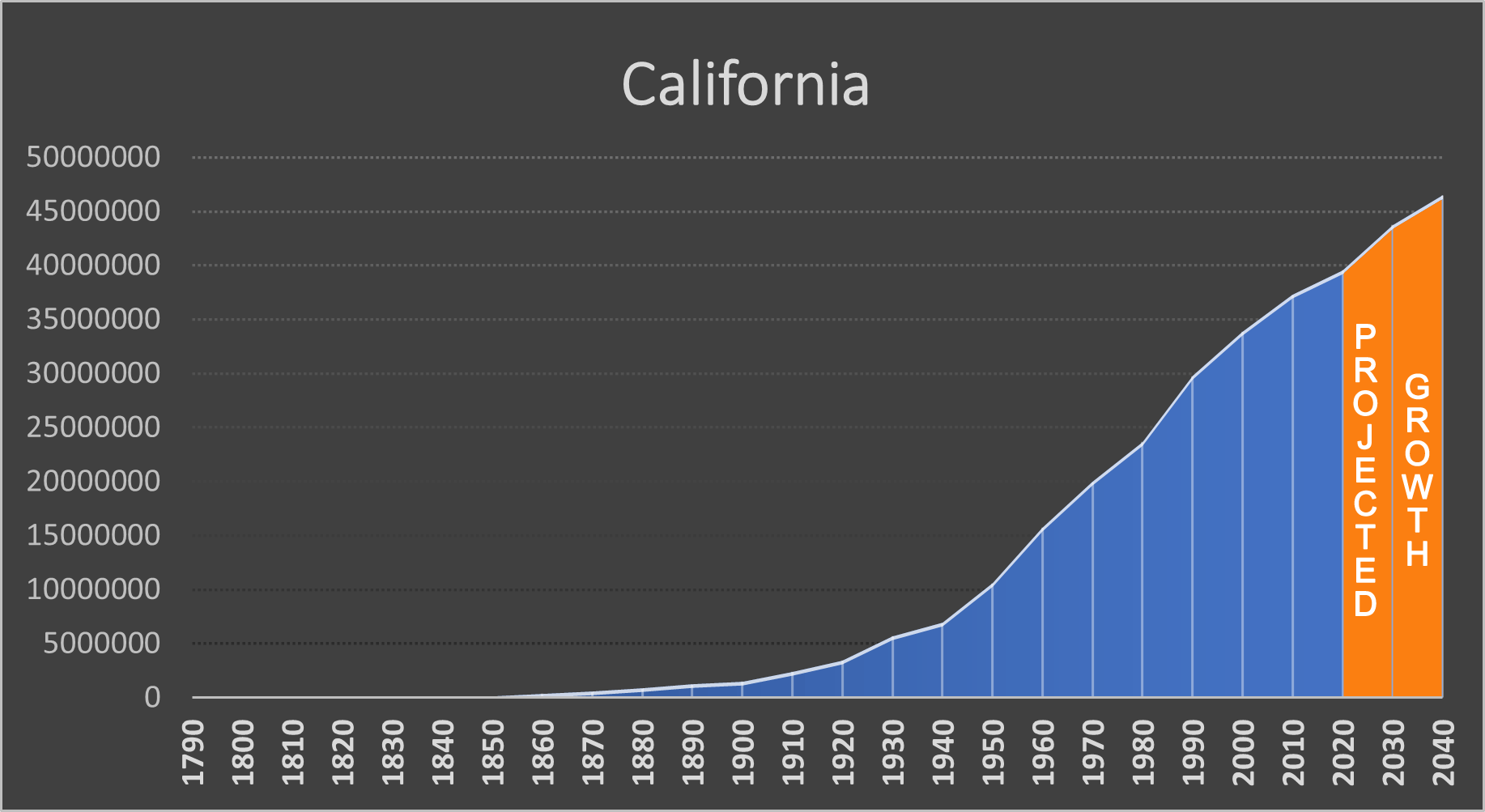
California’s population journey has been one of continuous growth for much of its history, fueled by successive waves of migration—from the Gold Rush era to the tech booms of recent decades. While the growth rate has slowed in recent years, with some periods even seeing slight declines due to various socio-economic factors, it remains a heavily populated state. The sheer number of inhabitants translates into a dynamic environment that constantly evolves. This demographic shift impacts the availability and pricing of accommodations, the types of culinary experiences available, and even the best times to visit popular attractions.
The distribution of these nearly 39 million people is far from uniform. The majority reside in concentrated urban corridors along the coast and in major valleys. Southern California, particularly the Los Angeles metropolitan area, and the San Francisco Bay Area in Northern California, are the densest regions. This concentration directly influences travel patterns, infrastructure development, and the overall visitor experience. It also means that while certain areas are bustling hubs of activity, vast swathes of the state remain sparsely populated, offering stark contrasts and diverse opportunities for exploration.
The Golden State’s Cultural Mosaic
Perhaps one of the most defining characteristics of California’s population is its incredible diversity. It is a true melting pot, with a vibrant mix of ethnicities, languages, and cultural backgrounds from across the globe. This demographic richness is not just a statistic; it’s a living, breathing aspect of the Californian lifestyle and an unparalleled draw for tourism.
From the vibrant Latin American influences permeating Los Angeles and San Diego to the historic Chinatowns of San Francisco and Oakland, the state’s culinary scene is a global gastronomic journey in itself. Visitors can savor authentic Mexican tacos from a street vendor, indulge in Michelin-starred Asian fusion cuisine, or explore the rich flavors of Ethiopian or Vietnamese dishes, often within the same city. This cultural tapestry extends beyond food to art, music, festivals, and community events, offering an immersive experience that goes far beyond typical sightseeing. The demand for diverse cultural experiences is a direct reflection of the state’s multi-ethnic population, making California a destination where every visit can feel like an international adventure.
Population Density and Its Influence on Travel & Tourism
The concentration of California’s population in specific areas has a profound impact on its travel and tourism industry. Understanding where people live, work, and play helps visitors navigate the state more effectively and appreciate the unique character of its various regions.
Urban Magnetism: Cities as Tourist Hubs
The major metropolitan areas, home to the bulk of California’s population, naturally serve as significant tourist hubs. Los Angeles, with its sprawling urban landscape, iconic Hollywood glamor, and proximity to attractions like Disneyland Resort in Anaheim and Universal Studios Hollywood, draws millions annually. Its population ensures a constant demand for diverse entertainment, dining, and shopping experiences, leading to a dynamic tourism market.
Similarly, San Francisco, renowned for its hilly streets, Victorian architecture, and the majestic Golden Gate Bridge, thrives on its dense population and status as a global tech hub. The presence of a large, affluent population in Silicon Valley nearby fuels a demand for luxury travel, high-end dining, and unique cultural events, making it a sophisticated destination. San Diego, known for its beautiful beaches, laid-back vibe, and world-class attractions like the San Diego Zoo, also benefits from its sizable local population and proximity to the Mexico border, fostering a vibrant cross-cultural appeal. Even the state capital, Sacramento, with its burgeoning food scene and historic Old Town, is experiencing a revitalization driven by its growing population.
These cities are not just places where people live; they are vibrant ecosystems of culture, commerce, and leisure that cater extensively to both residents and visitors, creating a thriving tourism economy.
Regional Differences: From Coastal Bustle to Desert Serenity
While the cities are dense, California’s vast geographical area means that a significant portion of its land is lightly populated, offering dramatically different travel experiences. The dramatic coastline, exemplified by scenic drives like the Pacific Coast Highway through Big Sur, is dotted with charming, smaller towns like Monterey and Carmel-by-the-Sea, which maintain a more intimate, less crowded feel than the metropolises.
Inland, the agricultural heartland of the San Joaquin Valley provides a different perspective on Californian life, focusing on rural landscapes and local produce, far from the tourist throngs. The majestic Sierra Nevada mountain range, home to national treasures like Yosemite National Park and Lake Tahoe, offers boundless opportunities for outdoor adventures, from hiking and skiing to water sports, with a sense of natural grandeur that stands in stark contrast to urban life.
Even further east, the arid beauty of the deserts, including Death Valley National Park and Joshua Tree National Park, provides unique landscapes and experiences of solitude, attracting those seeking a different kind of retreat. Destinations like Palm Springs, though a popular resort town, maintains a more relaxed pace than the major cities. The varied population densities across these regions allow California to offer a spectrum of travel experiences, catering to every preference, from bustling city breaks to serene nature escapes.
Accommodation and Lifestyle: Catering to Millions
The sheer number of people in California, combined with its status as a premier tourist destination, has led to an incredibly diverse and competitive market for accommodation and lifestyle experiences. Whether you’re a local seeking a staycation or an international traveler embarking on an epic journey, California offers options to suit every taste and budget.
A Spectrum of Stays: From Luxury Resorts to Boutique Apartments
With a population nearing 39 million and millions more visiting annually, the demand for lodging is consistently high, particularly in popular tourist areas. This robust demand has fostered an extensive range of accommodation types.
For those seeking opulence, California boasts world-class luxury resorts, particularly in areas like Beverly Hills, Malibu, Napa Valley, and Palm Springs. These establishments often feature lavish suites, gourmet dining, extensive spa facilities, and exclusive amenities designed to cater to a high-end lifestyle. Think of renowned hotels along Sunset Boulevard or exquisite wine country resorts that offer unparalleled service and stunning views.
Beyond luxury, the state offers a vast selection of boutique hotels, budget-friendly hotels, and extended-stay apartments, particularly appealing to business travelers or families. The rise of peer-to-peer accommodation platforms has also boomed in California’s populous cities, offering everything from charming villas in Santa Monica to cozy apartments in San Francisco, providing a more localized experience. For nature lovers, campgrounds and cabins are abundant in and around national parks like Yosemite and Sequoia National Park, demonstrating how the state’s accommodation sector caters to its diverse population and visitor base, from urban dwellers to outdoor enthusiasts.
Lifestyle Choices Reflected in Travel Experiences
The vast population of California also creates a multitude of lifestyle niches, each offering distinct travel experiences. For the luxury traveler, this means access to private tours of Sonoma Valley vineyards, exclusive shopping experiences in Rodeo Drive, or staying at five-star hotels with bespoke services. California’s wealthy population drives demand for these high-end offerings.
Conversely, for those on a budget, the state offers countless free attractions, affordable dining options, and public transportation networks in major cities. Backpackers and young travelers can find hostels and budget hotels, allowing them to explore without breaking the bank. Family trips are well-supported with numerous theme parks, child-friendly museums, and resorts designed with family amenities. Business stays are concentrated in tech hubs like San Francisco and San Jose, or financial centers like Los Angeles, where hotels are equipped with conference facilities and executive lounges. This demonstrates how the collective preferences and economic diversity of California’s populace directly shape the variety of available travel and accommodation experiences.
Iconic Landmarks and Their Connection to Population Centers
The relationship between California’s large population and its iconic landmarks is symbiotic. Many famous sites are either located within or significantly influenced by the proximity of major population centers, making them accessible and popular, while others offer crucial escapes from urban density.
Drawing Crowds: Famous Sites in Densely Populated Areas
It’s no coincidence that some of California’s most visited landmarks are situated in or near its major cities. The Golden Gate Bridge is an inseparable part of the San Francisco skyline. Disneyland Resort is nestled within the populous Orange County area, easily reachable for millions of residents and tourists flying into Los Angeles International Airport. The Santa Monica Pier is a short drive from the heart of Los Angeles, offering coastal charm to millions.
These landmarks benefit from the constant stream of visitors, both locals and tourists, ensuring their perpetual vibrancy and economic viability. The substantial local population provides a steady base for employment in these attractions and surrounding businesses, from hotels to restaurants and souvenir shops. Historic sites like Hearst Castle near San Simeon or the missions scattered throughout the state continue to attract visitors due to their historical significance and the continuous interest generated by both native Californians and newcomers alike. The density of population around these sites can also mean bustling crowds, especially during peak seasons, which travelers must plan for.
Preserving Nature Amidst Growth: National Parks
Despite the dense urban areas, California is also home to an impressive array of national parks and natural landmarks, many of which provide a critical balance to its populated regions. Places like Yosemite National Park, Redwood National Park, Sequoia National Park, and Joshua Tree National Park are vital natural assets. They serve as essential escapes for the millions living in the state’s urban cores, offering opportunities for hiking, camping, and experiencing pristine wilderness.
The popularity of these parks is, in part, driven by the sheer number of Californians seeking outdoor recreation and respite from city life. This high visitation, while fantastic for supporting the parks, also necessitates robust management strategies to preserve their natural beauty. Booking accommodation within or near these parks often requires advance planning due to high demand, a direct consequence of both the resident population and global tourism. The presence of such diverse and celebrated natural landmarks reinforces California’s appeal as a destination that seamlessly blends urban sophistication with raw natural beauty.
Planning Your California Adventure in a Populous State
Embarking on a journey through California requires a thoughtful approach, especially given its significant population and diverse geographical offerings. Effective planning ensures that visitors can make the most of their experience, whether seeking solitude or vibrant city life.
Navigating Peak Seasons and Hidden Gems
The large population of California means that popular destinations can become very crowded during peak travel seasons, school holidays, and major events. Summer, particularly July and August, sees a surge in visitors to coastal towns, national parks, and theme parks. Similarly, spring break and holiday weekends can lead to increased traffic and higher demand for accommodations.
Savvy travelers often consider visiting during the shoulder seasons (spring or fall) when the weather is still pleasant, but crowds are thinner, and prices for hotels and flights might be more favorable. For those who enjoy exploring off the beaten path, California offers numerous hidden gems that are less affected by mass tourism. Consider exploring the less-trafficked parts of the Central Coast, the scenic beauty of Catalina Island, or the historic gold rush towns in the Sierra Foothills. These locations provide authentic experiences that showcase different facets of the state’s culture and natural beauty, often with more readily available accommodation.

Embracing the Diversity of Experiences
Ultimately, the population of California is its greatest asset, creating a dynamic and multifaceted destination. It means that you can tailor your trip to virtually any interest or lifestyle. From the luxury shopping districts of Beverly Hills to the rustic charm of a cabin in Big Bear Lake, from world-class museums in Los Angeles to exhilarating surf lessons in Malibu, the options are limitless.
When planning, consider the types of experiences you desire. Do you want to immerse yourself in the hustle and bustle of a major city, enjoying fine dining and vibrant nightlife, or do you crave the tranquility of nature, with hiking and stargazing? Are you looking for a budget-friendly adventure or a luxurious escape? California’s nearly 39 million residents have built a state that caters to every conceivable preference. By understanding the scale and distribution of its population, travelers can better anticipate the vibrancy, diversity, and occasional challenges that come with exploring this incredible, populous state, ensuring a rewarding and memorable journey.
LifeOutOfTheBox is a participant in the Amazon Services LLC Associates Program, an affiliate advertising program designed to provide a means for sites to earn advertising fees by advertising and linking to Amazon.com. Amazon, the Amazon logo, AmazonSupply, and the AmazonSupply logo are trademarks of Amazon.com, Inc. or its affiliates. As an Amazon Associate we earn affiliate commissions from qualifying purchases.