
When planning a trip to Denver, Colorado, whether for business or leisure, understanding the local time is often the first logistical detail travelers consider. More than just a simple query, knowing the time zone is crucial for everything from booking flights and making dinner reservations to scheduling important meetings and preventing jet lag. Denver operates within the Mountain Time Zone in the United States, observing Mountain Daylight Time (MDT) during the warmer months and Mountain Standard Time (MST) for the remainder of the year. This distinction between standard and daylight saving time is a vital piece of information for any visitor aiming to seamlessly integrate into the rhythm of the Mile-High City.

This guide will not only clarify Denver’s time zone but will also delve into how this knowledge can enhance your entire travel experience. From navigating Denver’s vibrant attractions and diverse culinary scene to selecting the perfect accommodation and immersing yourself in the local lifestyle, understanding the clock is your first step towards a well-planned and memorable journey. We’ll explore the city’s iconic landmarks, delve into its rich cultural offerings, and provide insights into various accommodation options, all framed by the practical considerations of time management.
Understanding Denver’s Time Zone: More Than Just a Number
The concept of time zones, while seemingly straightforward, plays a pivotal role in global travel and communication. For Denver, being situated in the Mountain Time Zone means it sits at a unique intersection of geographies and schedules, directly impacting travelers from across the globe.
The Basics of Mountain Time
Denver observes Mountain Standard Time (MST) for roughly half the year, which is seven hours behind Coordinated Universal Time (UTC-7). This typically runs from early November to mid-March. When daylight saving time begins, usually on the second Sunday in March, the clocks “spring forward” one hour, shifting Denver to Mountain Daylight Time (MDT), which is six hours behind Coordinated Universal Time (UTC-6). This schedule then reverses on the first Sunday in November, when clocks “fall back” an hour to MST. This annual adjustment aims to maximize daylight during the evening hours of spring and summer, providing more time for outdoor activities and evening events. The Mountain Time Zone itself spans several United States states, including Colorado, Arizona (mostly without daylight saving), New Mexico, Utah, Wyoming, and parts of others, as well as portions of Canada and Mexico. This broad geographical reach means that if you’re traveling within the western United States, you might encounter consistent time, but a cross-country trip will almost certainly involve time zone changes.
Why Time Zone Matters for Your Denver Trip
For travelers, a clear understanding of Denver’s time zone is indispensable for several reasons. Firstly, it’s fundamental for travel planning. Incorrectly calculating the time difference can lead to missed flights, late check-ins for accommodation, or even completely missing pre-booked tours and experiences. Imagine arriving an hour late for your Rocky Mountains scenic drive or missing the window for entry to the Denver Art Museum. It’s also crucial for business travel. Coordinated meetings with colleagues in different time zones, whether on the East Coast or internationally, require precise scheduling. A seemingly minor miscalculation could disrupt crucial business operations and lead to unproductive delays. Furthermore, being aware of local time impacts your social plans. From dinner reservations at a trendy LoDo restaurant to catching a concert at Red Rocks Park and Amphitheatre, every activity hinges on accurate time knowledge. Even something as simple as calling home to update family and friends requires considering the time difference to avoid inconvenient calls.
Adjusting to the Mile-High Time: Tips for Travelers
One of the less enjoyable aspects of changing time zones is dealing with jet lag, a common adversary for travelers, particularly those arriving from significant distances. Denver’s central location in the United States means that travelers from the East Coast will typically move back two hours, while those from the West Coast will move forward one hour. International travelers face even greater adjustments. To mitigate jet lag, consider adjusting your sleep schedule gradually a few days before your trip. On the day of travel, stay hydrated, avoid excessive alcohol and caffeine, and try to sleep on the plane if it aligns with your destination’s nighttime. Upon arrival, immerse yourself in the local time. Expose yourself to natural daylight, especially in the morning, to help reset your body’s internal clock. Engage in light physical activity, like a stroll through Washington Park, and try to eat meals at local times. Avoiding long naps on your first day can also help you fall asleep more easily at night. Remember, Denver is also known as the “Mile-High City,” meaning its high altitude (approximately 5,280 feet above sea level) can also impact your body, exacerbating feelings of fatigue. Combine time zone adjustment with proper hydration and taking it easy on your first day to make your transition as smooth as possible.
Maximizing Your Time: Experiences and Attractions in Denver
Once you’ve settled into Denver’s time zone, the city unfolds a panorama of experiences. Your well-managed schedule will allow you to explore its vibrant urban core, delve into its rich cultural scene, and venture into the breathtaking natural beauty that lies just beyond its limits. Denver’s appeal as a top travel destination is multifaceted, blending sophisticated city life with unparalleled access to outdoor adventure.
Iconic Landmarks and Must-See Attractions
Denver boasts a collection of landmarks and attractions that cater to every interest. A visit to the majestic Red Rocks Park and Amphitheatre is a quintessential Denver experience, offering stunning geological formations, hiking trails, and world-class concerts. Checking performance schedules and booking tickets in advance, factoring in the time drive from Downtown Denver, is essential. Art enthusiasts will find themselves captivated by the Denver Art Museum, renowned for its expansive collection of Native American art and striking modern architecture. Its rotating exhibits mean there’s always something new to discover, so plan your visit duration accordingly. For a more leisurely urban experience, stroll down the 16th Street Mall, a mile-long pedestrian promenade lined with shops, restaurants, and public art, easily accessible by free shuttle. At one end, the beautifully restored Union Station serves as a bustling transit hub and a destination in itself, featuring a variety of dining options and a boutique hotel. Don’t miss the serene beauty of the Denver Botanic Gardens, a 24-acre oasis showcasing diverse plant collections and stunning landscapes. Other notable attractions include the Colorado State Capitol, offering free tours and panoramic views from its golden dome, and Coors Field, home to the Colorado Rockies baseball team, where catching a game is a classic Denver pastime. For families, Elitch Gardens Theme and Water Park and the Denver Zoo offer hours of entertainment.
Culinary Delights and Vibrant Local Culture
Denver’s culinary scene has exploded in recent years, becoming a haven for foodies and craft beverage connoisseurs. The city is particularly famous for its craft breweries, with neighborhoods like LoDo and the RiNo Art District housing dozens of innovative microbreweries and taprooms. Scheduling a brewery tour or simply hopping between different establishments is a popular way to spend an afternoon or evening, but always remember to factor in tasting times and transportation. Beyond beer, Denver offers a farm-to-table movement that thrives on fresh, local ingredients, showcased in its diverse array of restaurants, from upscale fine dining to casual eateries. Explore the vibrant street art and galleries of the RiNo Art District, where creativity permeates every corner, offering unique shops and cafes perfect for an afternoon exploration. The Golden Triangle Creative District, near the Denver Art Museum, also offers a concentrated hub of museums, galleries, and cultural institutions, including the History Colorado Center. Local culture also extends to Denver’s numerous festivals and events throughout the year, celebrating everything from jazz to chili. Checking a local events calendar is key to experiencing these unique facets of Denver life, often requiring advance booking or early arrival.
Adventure Beyond the City Limits
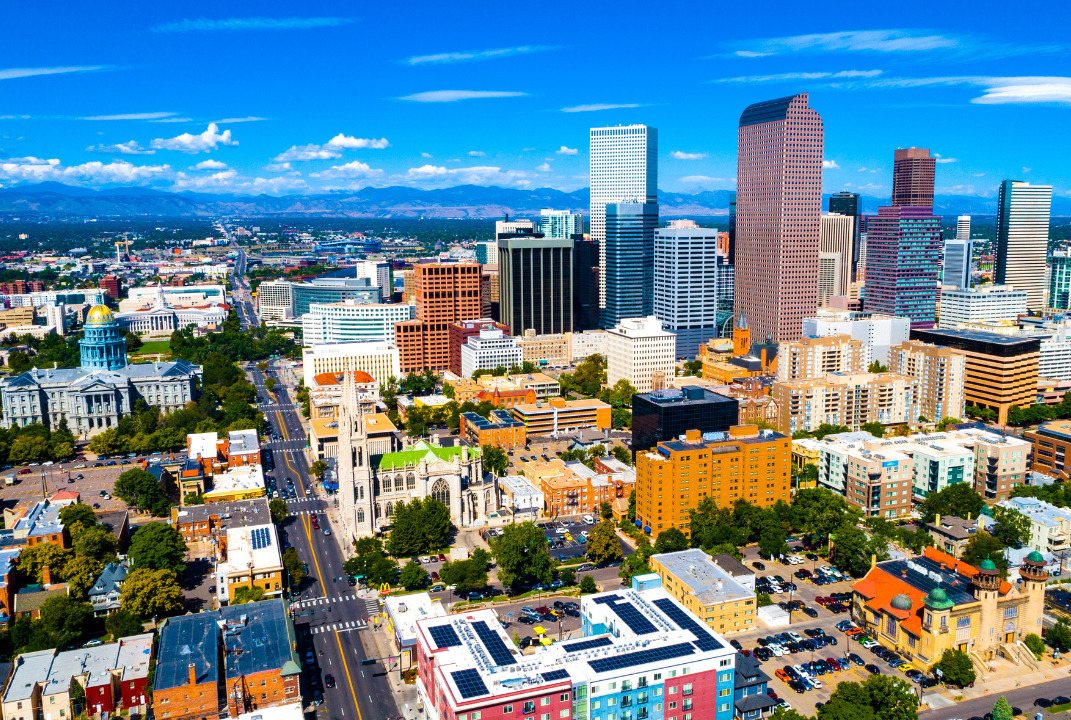
One of Denver’s greatest assets is its immediate proximity to the magnificent Rocky Mountains. A mere short drive west, the mountains provide an unparalleled playground for outdoor enthusiasts. In winter, world-class skiing and snowboarding resorts are within easy reach, offering pristine slopes for all skill levels. During the warmer months, the mountains transform into a hiker’s paradise, with countless trails ranging from easy strolls to challenging climbs, many offering panoramic views of the Front Range. Mountain biking, rock climbing, and fly fishing are also popular activities. Planning a day trip or even a weekend getaway to places like Boulder, known for its vibrant downtown and outdoor access, or Estes Park, the gateway to Rocky Mountain National Park, is highly recommended. These excursions require careful time management, considering travel time, trail durations, and opening hours for visitor centers or attractions. For the truly adventurous, a drive up Pikes Peak offers incredible views, but requires checking road conditions and allocating ample time for the ascent and descent. Whether you’re seeking an adrenaline rush or a serene escape into nature, the areas surrounding Denver provide an abundance of options, making your time in Colorado truly unforgettable.
Where to Spend Your Time: Accommodation in the Mile-High City
After a day of exploring Denver’s attractions or venturing into the mountains, having the right accommodation is paramount for relaxation and rejuvenation. Denver’s lodging scene is as diverse as its landscape, offering everything from luxurious suites to budget-friendly apartments, catering to every travel style and preference. Understanding your options and booking in advance, especially during peak season, is crucial for securing the ideal base for your Denver adventure.
Luxury and Boutique Stays for Discerning Travelers
For those seeking an indulgent experience, Denver offers a selection of luxury hotels that epitomize elegance and impeccable service. Iconic establishments like The Brown Palace Hotel and Spa, a historic landmark dating back to 1892, provide a blend of opulent architecture, upscale dining, and a world-class spa. Staying here means immersing yourself in a piece of Denver’s rich history while enjoying modern comforts. Another top-tier option is the Four Seasons Hotel Denver, known for its sophisticated rooms, rooftop pool, and prime location close to the city’s cultural attractions. These luxury hotels often feature amenities such as gourmet restaurants, concierge services, and serene spa facilities, perfect for unwinding after a busy day. Boutique hotels also offer unique and personalized experiences. The Crawford Hotel at Union Station offers a distinct charm, with rooms uniquely designed to reflect different eras of the station’s history, alongside direct access to numerous dining and shopping options. Similarly, The Maven Hotel at Dairy Block combines industrial chic with artistic flair, situated within a lively micro-district featuring independent shops and eateries. These high-end properties are often ideal for luxury travel or business stays, providing not just a place to sleep, but an integral part of the overall experience.
Comfortable and Convenient Options for Families and Budget-Conscious Visitors
Denver also caters to families and travelers on a budget with a wide array of comfortable and convenient accommodation options. Mid-range hotels such as the Hyatt Regency Denver at Colorado Convention Center or the Hilton Garden Inn Denver Downtown provide excellent value, offering essential amenities like spacious rooms, fitness centers, and sometimes pools, often within walking distance of major attractions. For those planning a longer stay or needing more space, extended-stay apartments and suites from brands like Extended Stay America are a practical choice, typically featuring kitchenettes and separate living areas. These options can significantly reduce dining costs and provide a more home-like environment, especially beneficial for family trips. When planning a budget travel itinerary, comparing prices and reading reviews across different booking platforms is essential. Booking well in advance, especially during popular seasons like summer or ski season, can also lead to better deals. Consider staying slightly outside the immediate downtown Denver core, in neighborhoods like Cherry Creek North or near Denver International Airport (DIA), where rates might be more favorable, as long as you account for transportation time to the city’s main attractions.
Unique Lodging Experiences: Beyond the Conventional Hotel
Beyond traditional hotels and resorts, Denver and its surroundings offer an increasing number of unique lodging experiences that can add a special touch to your trip. Vacation rentals through platforms like Airbnb provide opportunities to stay in local neighborhoods, from charming Victorian homes in Capitol Hill to modern lofts in LoDo, offering a more authentic glimpse into local life. These can be particularly appealing for travelers looking for more space, specific amenities (like a full kitchen or multiple bedrooms), or a more private setting. For those looking to embrace Colorado’s adventurous spirit, consider glamping options in the nearby mountains. These upscale camping experiences combine the beauty of nature with comfortable amenities, such as luxurious tents, cozy cabins, or even villas with stunning views. While not directly within Denver, they offer a fantastic complement to a city stay, providing a taste of the Rocky Mountains without sacrificing comfort. Always read descriptions and reviews carefully to ensure the accommodation aligns with your expectations and lifestyle preferences. Whether you opt for a grand hotel, a cozy apartment, or an adventurous glamping retreat, Denver’s diverse accommodation landscape ensures there’s a perfect place for every traveler to rest and recharge.
Embracing the Denver Lifestyle: Making the Most of Every Moment
To truly experience Denver, it’s essential to not just see its sights but to immerse yourself in its unique lifestyle. The city’s rhythm is distinct, characterized by its outdoor-centric culture, vibrant community spirit, and a harmonious blend of urban sophistication with rugged mountain charm. Understanding and embracing this pace will allow you to make the most of every moment during your visit, transcending beyond typical tourism to a more authentic travel experience.
The Rhythms of Daily Life in Denver
Denver residents are known for their active and healthy lifestyle, deeply connected to the outdoors. Mornings often begin with hikes or bike rides along the numerous trails that crisscross the city, such as those found in Confluence Park where the South Platte River and Cherry Creek meet. You’ll see people jogging, cycling, and walking their dogs at all hours, reflecting the city’s emphasis on well-being. Even during the workday, it’s not uncommon for locals to sneak in a quick outdoor activity. Evenings are lively, with bustling patios, diverse restaurants, and a thriving arts and entertainment scene. Whether you’re catching a show in the Denver Performing Arts Complex or enjoying a craft beer in LoDo, the city buzzes with energy. Understanding these rhythms can help you plan your days. For instance, if you want to experience Denver’s popular hiking trails, an early start will help you beat the crowds and the midday sun. Similarly, for popular restaurants, reservations are often a must, especially during peak dining hours from 6 PM to 8 PM local time. Denver’s public transportation, including its extensive RTD Light Rail and bus network, is efficient for navigating the city, allowing you to easily move between different neighborhoods and attractions, making time management simpler.
Essential Planning Tips for a Seamless Visit
Effective time management is key to a rewarding Denver experience. Firstly, pre-booking attractions and tours is highly recommended, especially for popular sites like Red Rocks Park and Amphitheatre or during peak tourist seasons (summer and winter ski season). This not only secures your spot but also helps you plan your itinerary more efficiently. Utilize online resources for up-to-date information on opening hours, special events, and local weather, as mountain weather can be unpredictable. Always allow for buffer time in your schedule; traffic, especially during rush hour on weekdays, can be a factor, and unforeseen delays can occur. When traveling to and from Denver International Airport (DIA), allocate at least an hour for travel time, though the RTD Light Rail A Line provides a reliable 37-minute connection to Union Station. Beyond timing, remember Denver’s high altitude. Hydration is crucial, and taking it easy on your first day can help prevent altitude sickness, allowing you to fully enjoy your trip without feeling unwell. Packing layers is also advisable, as temperatures can fluctuate significantly from day to night, even within the same day. These practical tips will help ensure your visit is not only enjoyable but also hassle-free, maximizing your time to create lasting memories.
Denver for Business and Leisure: Blending Productive with Playful
Denver has rapidly grown as a hub for both business and leisure, making it an ideal destination for those looking to blend productivity with pleasure. The city hosts numerous conferences and conventions at the Colorado Convention Center, drawing professionals from various industries. For business stays, the convenient Mountain Time Zone facilitates easy communication with both East Coast and West Coast partners. Many hotels, like the Hyatt Regency Denver at Colorado Convention Center, are perfectly equipped to cater to business travelers, offering meeting facilities, high-speed internet, and convenient access to Downtown Denver’s corporate offices. However, Denver’s unique appeal lies in its ability to allow business travelers to easily transition into leisure. After a day of meetings, you can enjoy a scenic walk along the South Platte River, explore the shops and restaurants of Larimer Square, or even catch a game at Coors Field. The city’s compact downtown makes it easy to access diverse offerings without extensive travel. For those considering long-term stays or even relocation, Denver offers a high quality of life, balancing career opportunities with an unparalleled connection to nature and a vibrant social scene. Whether you are in town for a quick conference or an extended stay, Denver’s dynamic environment ensures that every moment, from the first business call to the last mountain sunset, is spent meaningfully.
In conclusion, knowing what time it is in Denver, Colorado is more than just a trivial detail; it’s the foundational element for orchestrating a memorable and seamless travel experience. From the practicalities of navigating flight schedules and booking attractions within the Mountain Time Zone to embracing the city’s unique lifestyle and diverse accommodation options, every aspect of your trip will be influenced by the clock. Denver invites you to explore its majestic landscapes, delve into its rich culture, and enjoy its vibrant urban energy. By planning wisely and respecting its daily rhythms, you can ensure that every moment spent in the Mile-High City is a moment well spent, creating cherished memories that extend far beyond the ticking of a clock.
LifeOutOfTheBox is a participant in the Amazon Services LLC Associates Program, an affiliate advertising program designed to provide a means for sites to earn advertising fees by advertising and linking to Amazon.com. Amazon, the Amazon logo, AmazonSupply, and the AmazonSupply logo are trademarks of Amazon.com, Inc. or its affiliates. As an Amazon Associate we earn affiliate commissions from qualifying purchases.