
Texas, the second-largest state in the United States by both area and population, is a land of vast landscapes, rich history, and vibrant culture, drawing millions of visitors annually to its diverse cities, charming towns, and natural wonders. From the bustling metropolitan hubs of Houston, Dallas, Austin, and San Antonio to the serene beauty of Big Bend National Park and the sandy beaches of South Padre Island, Texas offers an unparalleled array of experiences for every type of traveler. The state’s unique blend of cowboy heritage, Tex-Mex flavors, live music, and cutting-edge innovation makes it a perennial favorite for those seeking memorable journeys.
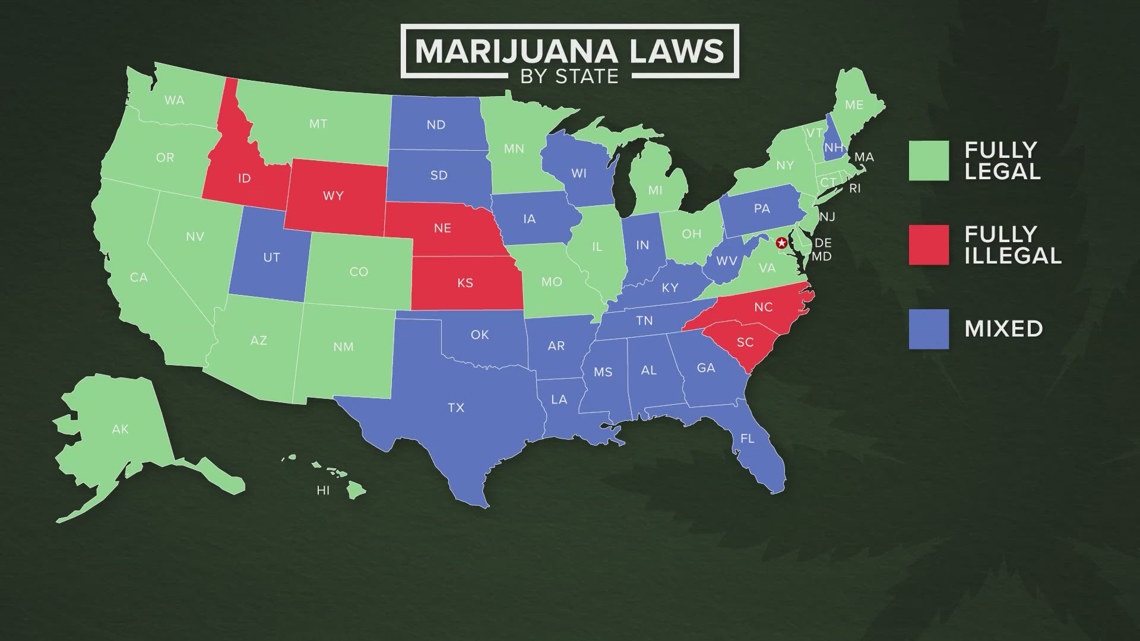
However, amidst its famed hospitality and attractions, a significant question looms that could dramatically reshape its tourism and lifestyle landscape: “When will weed be legal in Texas?” As more states across the United States embrace the legalization of cannabis, the Lone Star State finds itself at a pivotal crossroads. For travelers, hoteliers, and the broader tourism industry, the answer to this question holds considerable implications, potentially influencing everything from destination choices and accommodation preferences to the very essence of the Texas visitor experience. This comprehensive exploration delves into the current legal status, the forces driving potential change, and the profound impact that cannabis legalization could have on travel, tourism, and the lifestyle of residents and visitors in Texas.
Texas’ Current Stance on Cannabis: A Complex Legal Landscape
Understanding the current legal framework for cannabis in Texas is essential for anyone considering a visit or residency. Unlike many other states that have moved towards full recreational or broad medical legalization, Texas maintains a conservative approach, classifying marijuana as a Schedule I controlled substance under state law. This means that, at the state level, possession, sale, and cultivation of cannabis remain largely illegal, carrying significant penalties.
Decriminalization vs. Full Legalization
While full recreational legalization remains elusive, there have been some incremental shifts within Texas. Several major cities and counties, including Austin, Dallas, Houston, and San Antonio, have adopted “cite and release” or similar decriminalization policies for low-level marijuana possession. These local ordinances often mean that individuals caught with small amounts of cannabis (typically under 2 or 4 ounces) may receive a citation rather than an immediate arrest and jail time. However, it’s crucial to understand that decriminalization is not legalization. Cannabis is still illegal, and individuals can still face fines, court appearances, and a criminal record. For travelers, this patchwork of local rules can be confusing and risky, emphasizing the importance of adhering to state law to avoid potential legal complications during their travels.
Medical Cannabis in Texas: Limited Access
Texas does have a medical cannabis program, but it is one of the most restrictive in the United States. The Texas Compassionate Use Program (TCUP) initially allowed for low-THC cannabis oil (less than 0.5% THC by weight) for a very limited number of conditions, primarily intractable epilepsy. Over time, the list of qualifying conditions has expanded to include disorders such as multiple sclerosis, spasticity, autism, and certain neurological conditions. However, full-strength medical marijuana with higher THC content, commonly available in other states, is not permitted. This narrow scope means that the vast majority of medical cannabis patients, let alone recreational users, do not have legal access in Texas. For those accustomed to broad medical cannabis access in their home states, Texas’s program presents a significant limitation, underscoring the state’s conservative approach.
The Road to Legalization: Forces Driving Change in the Lone Star State
Despite the current conservative stance, the momentum for cannabis reform in Texas is undeniably growing, fueled by a confluence of evolving public opinion, compelling economic arguments, and the influence of neighboring states. The path to legalization, while challenging, appears increasingly inevitable to many observers.
Public Opinion and Shifting Attitudes
Public sentiment in Texas has shown a notable shift towards supporting cannabis reform. Recent polls consistently indicate that a majority of Texans favor either medical or recreational marijuana legalization. This trend reflects a broader national movement away from the “War on Drugs” era and towards a more pragmatic view of cannabis. As younger generations, generally more liberal on drug policy, become a larger segment of the electorate, and as more people witness the benefits (and lack of catastrophic consequences) of legalization in other states, political pressure on lawmakers in Austin continues to mount. This evolving public opinion is a critical factor that could eventually tip the scales toward comprehensive reform.
Economic Implications: Taxes, Jobs, and New Industries
One of the most persuasive arguments for cannabis legalization in Texas centers on its potential economic benefits. A regulated cannabis market could generate billions in tax revenue, providing a substantial boost to the state’s coffers. These funds could be earmarked for critical public services, education, infrastructure, or even property tax relief, issues that resonate deeply with Texans. Beyond tax revenue, legalization would undoubtedly spur the creation of a massive new industry, from cultivation and processing to retail and ancillary businesses. This would translate into tens of thousands of new jobs across various sectors, offering significant employment opportunities for residents.
Moreover, the “green rush” could invigorate existing industries. The hospitality sector, including hotels, restaurants, and entertainment venues, could see increased demand as cannabis tourism flourishes. Real estate could benefit from the need for new commercial spaces for dispensaries and grow operations. Even the agricultural sector, a cornerstone of the Texas economy, could find new avenues for growth through cannabis cultivation. The prospect of such a substantial economic infusion is a powerful motivator for lawmakers to reconsider the state’s current prohibitionist policies.
Lessons from Neighboring States: Colorado, California, and Beyond
Texas is increasingly surrounded by states that have embraced some form of cannabis legalization. To its west, New Mexico has legalized recreational cannabis, as have Colorado and California further afield. To the north, Oklahoma has a thriving medical marijuana market, and to the east, Louisiana has also expanded its medical program. Even Mexico, to the south, has taken steps towards decriminalization and legalization. This regional shift creates an interesting dynamic for Texas.
On one hand, it highlights the potential for “cannabis tourism” where Texans travel to neighboring states to legally purchase and consume cannabis, taking their tax dollars with them. On the other hand, it provides Texas with a wealth of case studies to examine. Lawmakers can observe how legalization has impacted public health, crime rates, and economies in these states, learning from both successes and challenges. The experiences of states like Colorado and California, which have built robust regulated markets, offer valuable insights into crafting effective policies that could work for the unique context of Texas.
Cannabis and Tourism: Unlocking New Potential for Texas Travel
Should Texas legalize cannabis, the ripple effects on its already booming tourism industry would be significant and multifaceted. It has the potential to introduce a new demographic of travelers, reshape existing travel patterns, and create novel opportunities for hospitality businesses.
Transforming the Texas Tourist Experience
Legalizing cannabis could dramatically alter the Texas tourist experience, attracting a new segment of visitors known as “cannabis tourists.” These travelers often seek out destinations where they can legally and safely enjoy cannabis as part of their leisure activities. For a state like Texas, which already boasts a diverse array of attractions – from live music venues in Austin (home to SXSW), historic sites in San Antonio (The Alamo, Riverwalk), and cultural institutions in Dallas (Dallas Arts District) and Houston (NASA Johnson Space Center) – this could mean an added layer of appeal.
Imagine visitors exploring the vibrant street art of Austin or enjoying a live concert, with the option to legally purchase cannabis. This could enhance the sensory experience, offering a more relaxed and immersive way to engage with the state’s cultural offerings. Texas already excels in outdoor attractions like Big Bend National Park and Guadalupe Mountains National Park, and cannabis consumption could be integrated into adult-focused nature retreats or wellness tourism, similar to trends seen in Colorado or California. The state could cultivate unique cannabis-friendly festivals, tours, and culinary experiences, adding another dimension to its already rich tapestry of travel options. This transformation would likely broaden Texas’ appeal, attracting visitors who might have otherwise overlooked the state.
Impact on Hotels and Accommodation Sector
The accommodation sector, particularly hotels and resorts, would face both challenges and opportunities with legalization. On one hand, there would be a need to establish clear policies regarding on-site consumption, ventilation, and designated smoking areas, similar to how properties currently manage tobacco and alcohol. On the other hand, many properties could capitalize on the trend by becoming “cannabis-friendly.” This could involve offering specialized packages, providing information on local dispensaries, or even allowing certain forms of consumption (e.g., edibles or vapes) in designated rooms or outdoor spaces.
Boutique hotels, vacation rentals, and unique lodging options in areas like Austin, Marfa, or Galveston might be particularly quick to adapt, catering to a niche market of cannabis enthusiasts seeking upscale, comfortable, and discreet experiences. The rise of “bud and breakfast” establishments, common in other legal states, could offer an entirely new segment within Texas’s diverse accommodation market. Furthermore, existing hospitality businesses like Southfork Ranch or popular theme parks like Six Flags Over Texas and Schlitterbahn Waterpark could see increased visitor numbers, as ancillary businesses spring up around them to cater to this new demand. This would require careful planning and regulation but holds immense potential for growth and diversification within the hospitality industry.
Navigating the Future: What Legalization Could Mean for Visitors and Businesses
The eventual legalization of cannabis in Texas would usher in a new era, requiring careful consideration from both individuals planning a trip and businesses looking to thrive in the new environment.
Considerations for Travelers and Tourists
For travelers, a legal Texas cannabis market would offer clarity and convenience. Instead of navigating confusing local ordinances or risking legal trouble, visitors could purchase regulated products from licensed dispensaries, ensuring product safety and potency. However, even with legalization, it’s crucial to remember that regulations will still apply. These would likely include age restrictions (21+), limits on possession amounts, and rules against public consumption, driving under the influence, or transporting cannabis across state lines. Travelers would need to stay informed about these specific rules to ensure a smooth and enjoyable trip.
Furthermore, responsible consumption would be paramount. Just as with alcohol, moderation and awareness of local laws regarding where and when cannabis can be consumed would be essential for a hassle-free experience. The overall lifestyle for visitors might become more relaxed, but the core travel tips – planning ahead, respecting local customs, and staying safe – would remain just as important. The allure of sampling local cannabis strains alongside local BBQ and craft beers could become a distinct draw for the Texas travel experience.
Business Opportunities in the Hospitality Sector
For Texas’s robust hospitality sector, legalization would unlock a wave of new business opportunities. Beyond direct sales, the ancillary market would boom. Tour operators could design cannabis-themed experiences, integrating dispensary visits with cultural tours or outdoor adventures. Restaurants and bars might explore cannabis-infused cuisine or non-alcoholic cannabis beverages, creating unique dining experiences. Wellness resorts and spas could incorporate CBD and other cannabis derivatives into their offerings, appealing to a health-conscious clientele.
Event planners in cities like Austin and Houston could organize cannabis-friendly festivals, concerts, and conventions, attracting significant tourism revenue. Real estate developers might see demand for specialized commercial properties for dispensaries, grow facilities, and consumption lounges. Existing businesses, from local gift shops to major hotel chains, would need to adapt their operations, training staff, and potentially re-evaluating their amenity offerings. The potential for economic diversification and growth within the hospitality and related industries would be immense, solidifying Texas’s position as a forward-thinking destination.
Looking Ahead: The Evolving Debate and Projected Timelines
Predicting the exact timeline for cannabis legalization in Texas is challenging, given the state’s unique political landscape. However, the signs point towards continued progress, making it a matter of “when,” not “if.”
Legislative Efforts and Political Momentum
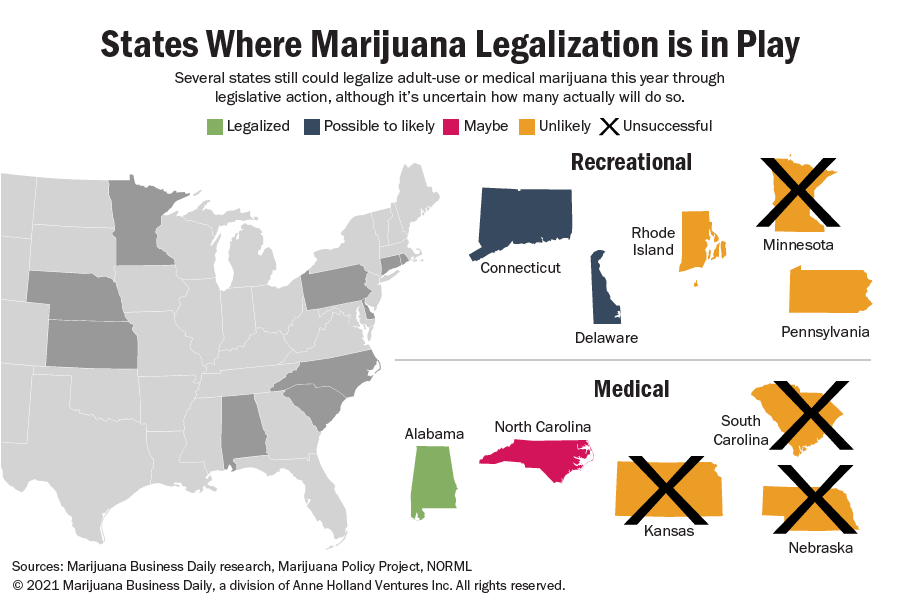
In recent legislative sessions, there have been increasing attempts to pass significant cannabis reform bills, ranging from full recreational legalization to expanded medical access and decriminalization. While many of these bills have faced hurdles, the mere fact that they are being debated and gaining bipartisan support signals a shift in political momentum. Lobbying efforts from various groups, including industry advocates, patient organizations, and civil liberties defenders, continue to push the issue forward. As more conservative states like Missouri and Montana have embraced recreational cannabis, the argument that Texas is an outlier grows stronger. The upcoming legislative sessions will be crucial indicators of how quickly Texas moves towards comprehensive reform.
Projected Timeline for Full Legalization
Based on current trends and political dynamics, most experts project that full recreational cannabis legalization in Texas is likely still several years away, perhaps between 2025 and 2030. This timeline accounts for the typically slow legislative process in Texas, the need to build consensus among a diverse political spectrum, and the time required to establish a robust regulatory framework if a bill passes. It’s more probable that Texas will continue to expand its medical cannabis program and potentially fully decriminalize before taking the leap to full adult-use legalization. However, a significant federal policy shift could accelerate this timeline, as could increasing pressure from a shifting electorate.
Embracing a New Era for the Lone Star State
Ultimately, when cannabis does become legal in Texas, it will mark a new era for the Lone Star State. For travelers, it will mean a more consistent and accessible experience, potentially broadening Texas’ appeal as a unique destination that blends traditional Southern charm with modern progressive amenities. For the hospitality and tourism sectors, it will present opportunities for innovation, growth, and diversification, allowing Texas to further cement its reputation as a premier global travel hub. The debate around “When will weed be legal in Texas?” is not just about a plant; it’s about the future identity of a state poised to embrace new economic engines and redefine its cultural landscape for generations of residents and visitors to come.
LifeOutOfTheBox is a participant in the Amazon Services LLC Associates Program, an affiliate advertising program designed to provide a means for sites to earn advertising fees by advertising and linking to Amazon.com. Amazon, the Amazon logo, AmazonSupply, and the AmazonSupply logo are trademarks of Amazon.com, Inc. or its affiliates. As an Amazon Associate we earn affiliate commissions from qualifying purchases.