
When most people envision Hawaii, images of sun-drenched beaches, swaying palm trees, crystal-clear turquoise waters, and vibrant hibiscus flowers immediately spring to mind. It’s a quintessential tropical paradise, a dream destination for those seeking warmth, relaxation, and endless summer. Yet, beneath this familiar veneer lies a surprising climatic secret that challenges conventional expectations: Hawaii does indeed have snow. This revelation often catches visitors off guard, transforming the island chain from a simple beach escape into a realm of astonishing geographical diversity, where you can literally go from surfing in the morning to seeing snow-capped peaks in the afternoon. For the adventurous traveler, this unique phenomenon offers an unparalleled opportunity to experience the extraordinary, blending the thrill of a winter wonderland with the allure of a tropical haven.

This juxtaposition of snow and tropics is one of the most remarkable aspects of Hawaii’s landscape, particularly on the Big Island and to a lesser extent, Maui. It adds an unexpected layer of adventure and beauty to an already breathtaking destination, inviting travelers to look beyond the postcards and discover the full spectrum of its natural wonders. Understanding where and why snow falls in this tropical paradise not only deepens one’s appreciation for Hawaii’s unique geology and meteorology but also opens up a world of distinct travel experiences for those seeking something truly out of the ordinary.
The Paradox of Paradise: Snow-Capped Peaks in the Tropics
The presence of snow in Hawaii is not a widespread occurrence across all its islands or at all elevations. Instead, it is a localized phenomenon primarily confined to the summits of the highest volcanoes. These towering giants, particularly on the Big Island, reach altitudes where temperatures drop significantly, allowing for the formation and accumulation of snow when moisture-laden clouds pass over. It’s a vivid demonstration of how elevation can dramatically alter climate, even in the middle of the Pacific Ocean.
The science behind this unusual weather pattern is straightforward: for every 1,000 feet (approximately 305 meters) increase in elevation, the air temperature drops by about 3.5 degrees Fahrenheit (1.9 degrees Celsius). Given that Hawaii’s highest peaks soar well above 13,000 feet (nearly 4,000 meters), their summits frequently experience freezing temperatures, especially during the winter months. When cold fronts or strong storm systems bring moisture from the Pacific, this precipitation falls as snow at these extreme elevations, creating a stark and beautiful contrast against the surrounding tropical greenery. The islands act as massive natural barriers, forcing moist air upwards, where it cools and condenses, leading to precipitation. This oro-graphic lift, combined with sufficient altitude, is the key to Hawaii’s snowy secret.
The Majestic Mauna Kea and Mauna Loa
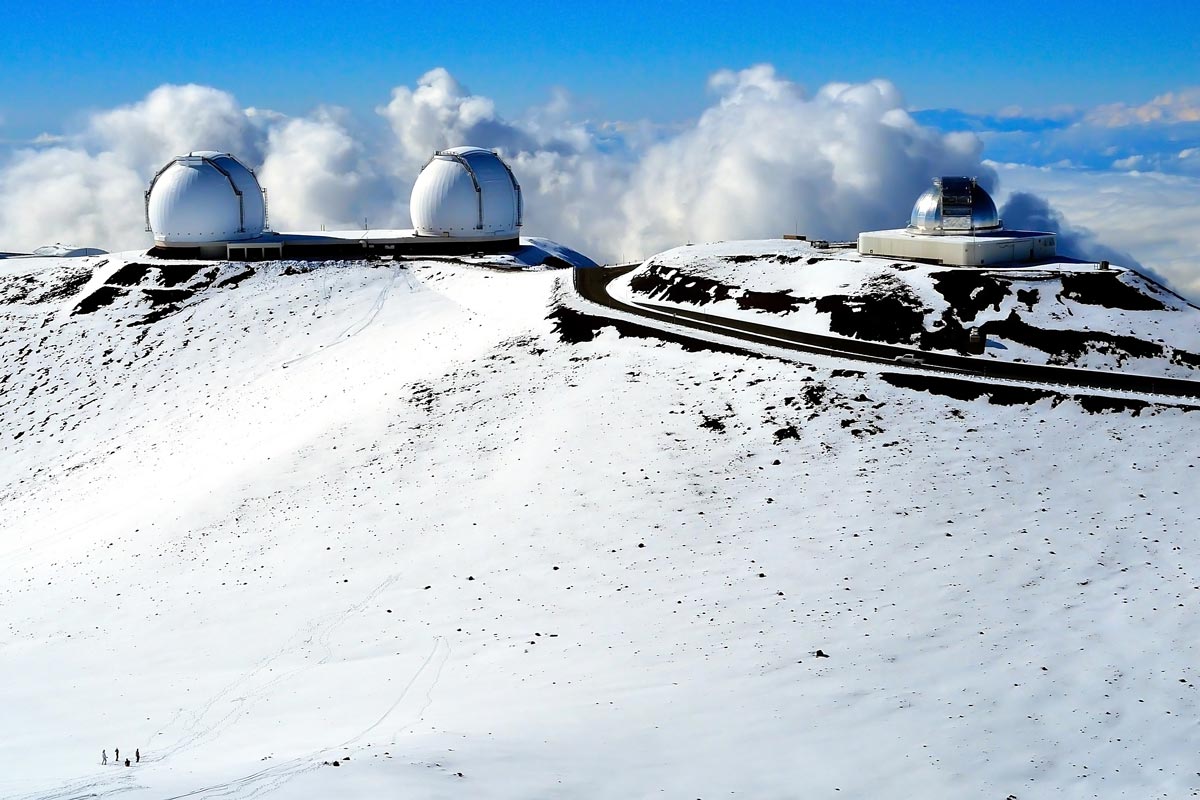
The primary locations for snow in Hawaii are the peaks of Mauna Kea and Mauna Loa, both located on the Big Island of Hawaii. Mauna Kea, a dormant volcano, is the highest point in Hawaii and the entire United States Pacific region, reaching an elevation of 13,803 feet (4,207 meters) above sea level. When measured from its base on the ocean floor, it’s actually the tallest mountain in the world, stretching over 33,000 feet (10,000 meters). Its summit is home to a collection of world-renowned astronomical observatories, which benefit from the mountain’s dry air, minimal light pollution, and high altitude. It is here that snow is most frequently observed and can persist for days or even weeks after a significant snowfall.
Mauna Loa, a much larger active shield volcano, stands at 13,678 feet (4,169 meters) and is also a frequent recipient of snowfall. While less prominent in its snow coverage compared to its neighbor Mauna Kea due to its broader, less conical shape, its summit can also be blanketed in white, particularly during stronger winter storms. The landscape of these mountains, stark and volcanic, takes on an ethereal beauty when dusted with snow, creating a visually stunning contrast with the vibrant blue skies and distant tropical coastlines.
While less common and typically shorter-lived, Haleakala, the dormant volcano on Maui, can also receive snow on its 10,023-foot (3,055-meter) summit. This makes Maui another surprising contender for snow sightings, though the frequency and depth are generally less than on the Big Island. The sight of snow in the crater of Haleakala is a truly rare and memorable experience for those fortunate enough to witness it.
When Does Snow Fall in Hawaii?
Snowfall in Hawaii is primarily a winter phenomenon, occurring between November and March. However, it’s not entirely unheard of to see late-season snow in April or even rare, anomalous dusting in May or October, though these are exceptions rather than the norm. The most significant snow events typically coincide with powerful winter storms that bring colder air and abundant moisture to the islands. These storms can drop several inches, or even feet, of snow on the upper slopes of Mauna Kea and Mauna Loa.
The snow itself can vary in texture, from light, powdery dustings to denser, wet snow. Due to the equatorial sun, even at high altitudes, the snow often melts relatively quickly, usually within a few days or weeks, depending on the depth and ambient temperatures. This ephemeral nature adds to the mystique of Hawaii’s snow, making it a fleeting and special event. Predicting exact snowfall can be challenging, but monitoring local weather forecasts for the Big Island (specifically for the summits) during the winter months is the best way to catch this rare spectacle.
Experiencing Snow in Hawaii: A Unique Travel Opportunity
For travelers seeking an unparalleled experience, visiting Hawaii during a snowfall offers a truly unique adventure. Imagine starting your day with a surf lesson on the sun-drenched beaches of Kailua-Kona or exploring the volcanic landscapes of Volcanoes National Park, then driving up to the frosty peaks of Mauna Kea to play in the snow. This “beach to blizzard” experience is virtually impossible to replicate anywhere else in the world, making it a highlight for adventure tourists and those who appreciate geographical anomalies.
Many visitors come specifically hoping to witness this phenomenon, and while there are no organized ski resorts or formal winter sports infrastructure, locals and intrepid tourists often engage in impromptu snow play. Sledding on boogie boards, building snowmen, or simply marveling at the snow-covered observatories under a brilliant blue sky are common activities. It’s a raw, unfiltered encounter with nature’s extremes, providing a stark contrast to the tropical warmth at lower elevations.
Planning Your Visit to the High Elevations
Venturing to the summits of Mauna Kea or Mauna Loa requires careful planning and respect for the challenging conditions. The road to the summit of Mauna Kea is a well-maintained, but steep, gravel road past the Visitor Information Station at 9,200 feet, requiring a 4×4 vehicle with low-range gearing. Visitors should be aware of potential road closures due to heavy snow or icy conditions, which are common after significant weather events. It’s crucial to check road conditions with the Mauna Kea Visitor Information Station or local authorities before attempting the drive.
Safety is paramount. The high altitude can cause acute mountain sickness, so it’s recommended to spend at least 30 minutes acclimatizing at the Visitor Information Station before proceeding to the summit. Pregnant women, young children (under 16), and individuals with respiratory or heart conditions should avoid the summit due to the reduced oxygen levels. Proper clothing is essential: even if it’s warm at sea level, summit temperatures can be below freezing, so layers, hats, gloves, and waterproof outerwear are a must. Bring plenty of water, snacks, and a full tank of gas. There are no services past Kamuela or Hilo for a significant stretch of the drive. The observatories on Mauna Kea are research facilities and generally not open to the public during the day, but the summit area offers breathtaking panoramic views.
Beyond the Snow: Exploring the Big Island’s Diverse Landscapes
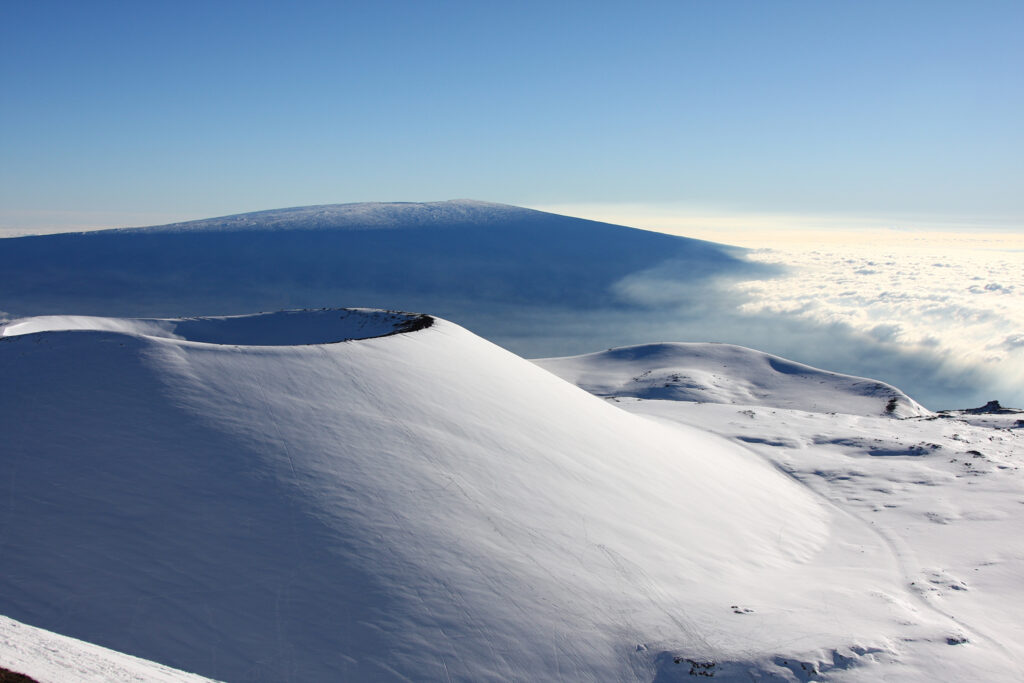
Even if you don’t catch fresh snow, the journey to the high elevations of the Big Island is an attraction in itself, offering stunning vistas and a unique ecological transition. The drive showcases the island’s incredible diversity, from lush rainforests near Hilo to arid volcanic plains, and eventually, the stark, moon-like landscapes of the summits.
Beyond the snow-capped peaks, the Big Island is a treasure trove of natural wonders. Hawaii Volcanoes National Park allows visitors to witness active lava flows (when conditions permit), walk across ancient solidified lava fields, and explore impressive lava tubes. The black sand beaches of Pahala offer a stark contrast to the white sands found elsewhere. Lush valleys like Waipi’o and Pololu provide incredible hiking opportunities, revealing cascading waterfalls and verdant cliffs. The cowboy country around Waimea (also known as Kamuela) offers a glimpse into Hawaii’s paniolo (cowboy) culture. From snorkeling and diving in the calm waters of the Kohala Coast to exploring the charming towns of Laupahoehoe and Honokaa, the island truly lives up to its name, offering an expansive array of experiences that cater to every type of traveler.
Accommodation and Travel Logistics for Your Hawaiian Snow Adventure
Planning a trip that incorporates both tropical beach activities and a potential snow excursion requires careful consideration of accommodation and transportation on the Big Island. The island is vast, and distances between major towns and attractions can be significant, so strategic lodging choices and reliable transport are key to a smooth and enjoyable experience.
Where to Stay on the Big Island
The Big Island offers a wide range of accommodation options, catering to different budgets and travel styles. For those looking to explore the snow-capped mountains and the eastern side of the island, staying in or around Hilo is a practical choice. Hilo is a charming town with a more local feel, offering boutique hotels, vacation rentals, and guesthouses. It’s closer to the route up Mauna Kea and provides easier access to Hawaii Volcanoes National Park and the lush, rainy eastern coast.
On the other hand, if your primary goal is to combine mountain adventures with sunny beaches and resort amenities, the Kailua-Kona side of the island, or the Kohala Coast, might be more appealing. This western side boasts numerous luxury resorts, family-friendly hotels, and upscale vacation villas, often with direct beach access, stunning pools, and a plethora of amenities like spas, golf courses, and fine dining. From Kailua-Kona, the drive to Mauna Kea is longer but offers different scenic routes.
For those seeking a blend of convenience and rustic charm, the upcountry towns like Waimea (Kamuela) offer a cooler climate and a more rural experience, with country inns and cozy bed and breakfasts. While these accommodations might not have snow at their doorstep, they provide a comfortable base from which to launch excursions to both the mountains and the coasts. When booking, consider reading reviews and comparing options on platforms dedicated to accommodation to ensure the best fit for your needs, whether you’re looking for a budget-friendly apartment or a luxurious villa for a long-term stay.
Navigating the Island: Transportation Tips
Renting a car is almost essential for exploring the Big Island, especially if you plan to visit Mauna Kea’s summit. As mentioned, a 4×4 vehicle with low-range gearing is required for the upper section of the Mauna Kea access road (past the visitor center). Standard rental cars are prohibited past this point, and attempting to do so can void your rental agreement and potentially lead to dangerous situations. Ensure your rental company explicitly allows the use of their 4×4 vehicles on the Mauna Kea summit road.
Driving conditions on the island vary greatly, from well-maintained highways to winding country roads. Be prepared for sudden changes in weather, especially when ascending the volcanoes. Fog, rain, and strong winds are common at higher elevations. Always carry an emergency kit, including extra water, blankets, and a fully charged phone. Planning your routes in advance and allowing ample travel time will help make your journey across the Big Island’s diverse terrain both safe and enjoyable.
Embracing Hawaii’s Full Spectrum: From Beaches to Blizzards
The unique phenomenon of snow in Hawaii elevates it from a simple beach destination to a place of profound geographical marvel and diverse experiences. It’s a testament to the powerful forces of nature that have sculpted these islands, creating microclimates and landscapes found nowhere else on Earth. For the lifestyle traveler, this offers an unparalleled opportunity to engage with Hawaii on multiple levels, blending traditional tropical leisure with unexpected alpine adventure.
Balancing Adventure with Relaxation
For many, Hawaii represents the pinnacle of relaxation – lying on a beach, swimming in warm waters, and enjoying the gentle trade winds. The inclusion of snow doesn’t detract from this; rather, it enriches it, offering an incredible contrast that can redefine a luxury travel experience or add an exciting dimension to a family trip. Imagine a vacation where you can spend your mornings snorkeling with manta rays and your afternoons marveling at snow-dusted volcanic craters. This unique blend allows for a dynamic itinerary, ensuring that every day brings a new discovery.
Beyond the physical activities, the diverse landscapes of Hawaii cater to a wide range of interests. Food tourism thrives with farm-to-table cuisine, local markets, and traditional Hawaiian feasts. Cultural experiences abound, from ancient petroglyphs to modern hula performances. Whether you’re a budget traveler seeking free natural attractions or a luxury traveler indulging in resort amenities, the sheer variety of Hawaii’s offerings means there’s something for everyone. The presence of snow simply adds another layer to this already rich tapestry, inviting travelers to explore the full spectrum of what the islands have to offer.
The Cultural Significance of Hawaii’s Mountains
For Native Hawaiians, the mountains, particularly Mauna Kea and Mauna Loa, hold profound cultural and spiritual significance. They are considered sacred spaces, realms of the gods and ancestors, and vital sources of fresh water. The summit of Mauna Kea is especially revered, seen as the piko (navel) of Hawaii, a sacred connection to the heavens.
When visiting these elevated regions, it is crucial for travelers to approach them with respect and sensitivity. This includes adhering to guidelines, staying on marked paths, and understanding that for many, these are not just tourist attractions but living, sacred landscapes. Engaging with local culture and understanding the profound connection Hawaiians have to their land, including its snowy peaks, adds a deeper, more meaningful dimension to any travel experience. It transforms a simple sightseeing trip into an educational and respectful journey, fostering a deeper appreciation for the true spirit of aloha.
In conclusion, the answer to “Does Hawaii have snow?” is a resounding yes, making it one of the world’s most unique travel destinations. The existence of snow-capped volcanoes like Mauna Kea and Mauna Loa on the Big Island offers an extraordinary opportunity to experience winter’s embrace amidst a tropical paradise. For the discerning traveler, it’s a chance to witness the incredible diversity of nature and to craft an adventure that combines the best of both worlds – the warmth of the sun and the chill of the snow, all within the breathtaking landscape of Hawaii. This unexpected element ensures that a trip to Hawaii can be far more than just a beach vacation; it can be an unforgettable journey into the heart of a truly extraordinary natural wonder.
LifeOutOfTheBox is a participant in the Amazon Services LLC Associates Program, an affiliate advertising program designed to provide a means for sites to earn advertising fees by advertising and linking to Amazon.com. Amazon, the Amazon logo, AmazonSupply, and the AmazonSupply logo are trademarks of Amazon.com, Inc. or its affiliates. As an Amazon Associate we earn affiliate commissions from qualifying purchases.