
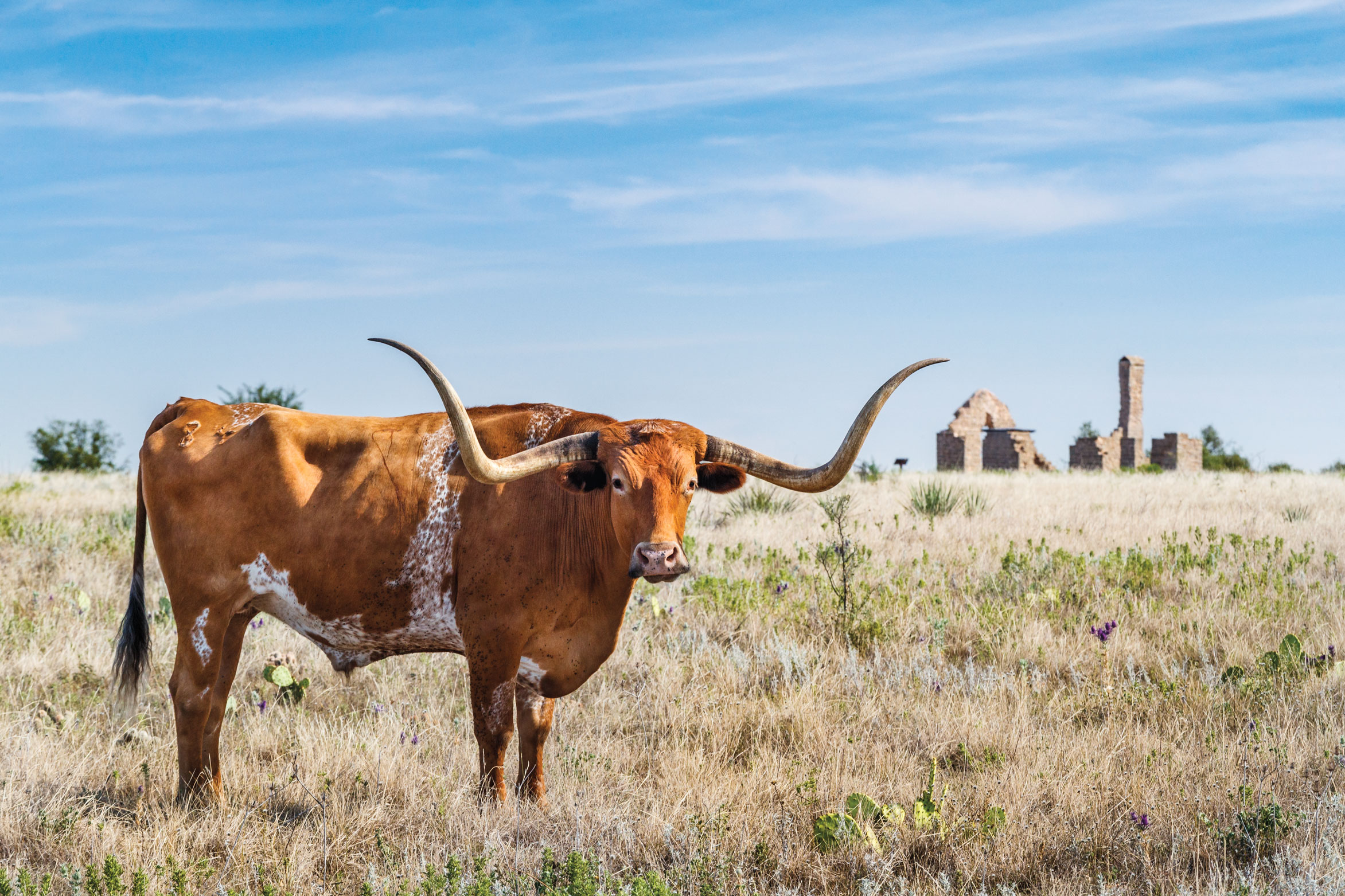
The majestic Texas Longhorn, with its sweeping horns and stoic gaze, is more than just a breed of cattle; it’s a living legend, an enduring symbol of the American West and the resilient spirit of the Lone Star State. For travelers drawn to authentic cultural experiences, discovering where these magnificent creatures roam offers a unique blend of history, adventure, and unparalleled photo opportunities. Far from being confined to history books, the Texas Longhorn thrives across various landscapes, from historic urban districts to sprawling rural ranches, inviting visitors to step back in time and connect with a pivotal piece of the nation’s heritage.

Embarking on a journey to find the Texas Longhorns isn’t merely about spotting an animal; it’s about immersing oneself in the rich tapestry of Texan life. It involves exploring iconic landmarks, understanding the legacy of cattle drives, and experiencing the warm hospitality of the region. Whether you’re planning a family trip, a solo adventure, or a romantic getaway, the quest for the Longhorn intertwines perfectly with diverse travel interests, offering opportunities for luxury stays, budget-friendly explorations, and deep dives into local culture. This guide will navigate you through the prime locations to encounter these iconic beasts, suggest ideal accommodations, and provide tips to enhance your overall Texan lifestyle experience.
The Enduring Legacy of the Texas Longhorn
Before embarking on the quest to find these magnificent animals, it’s essential to understand their profound significance. The Texas Longhorn is not just livestock; it is a cultural icon, a testament to survival, and a direct link to the pioneering spirit that shaped a nation. Their story is intertwined with the very fabric of Texas and the grand narrative of westward expansion.
A Symbol Forged in History
The origins of the Texas Longhorn are as fascinating as their imposing appearance. They are descendants of cattle brought to the New World by Spanish colonists in the 16th century, which then interbred with hardy English breeds. Left to roam and adapt to the harsh Texan landscape for centuries, they developed remarkable resilience, disease resistance, and an uncanny ability to thrive on sparse forage – qualities that made them perfectly suited for the challenging environment. Their most distinctive feature, of course, are their horns, which can span up to ten feet from tip to tip.
In the post-Civil War era, the Texas Longhorn became the backbone of the burgeoning cattle industry. Millions were driven north on legendary trails like the Chisholm Trail and the Great Western Cattle Trail, feeding a hungry nation and laying the foundation for many a fortune. These epic cattle drives were feats of endurance and courage, cementing the Longhorn’s place in the lore of the American West and establishing Texas as the heart of cowboy culture. Though their numbers dwindled with the advent of barbed wire and imported breeds, dedicated conservation efforts have brought them back from the brink of extinction, ensuring their legacy endures.
More Than Just Cattle: Cultural Iconography
Today, the Texas Longhorn remains an indelible part of the state’s identity. It embodies rugged individualism, strength, and a deep connection to the land. This iconic status is celebrated in countless ways, from art and literature to sports and tourism. The most famous example of their cultural sway is arguably their role as the beloved mascot for the University of Texas Longhorns at Austin, where “Bevo,” the live longhorn mascot, is a venerated figure.
Beyond collegiate sports, the Longhorn’s image graces everything from business logos to highway markers, serving as a constant reminder of Texas’s proud heritage. Visitors often seek out these animals not just as an attraction, but as a genuine connection to the soul of the state, a chance to witness a living piece of history that continues to inspire awe and admiration. Understanding this deep cultural significance enriches the experience of encountering a Texas Longhorn, transforming a simple viewing into a profound encounter with the spirit of Texas.
Prime Locations to Witness Texas Longhorns
For those eager to encounter Texas Longhorns firsthand, Texas offers a variety of settings, each providing a unique perspective on these magnificent animals. From bustling historic districts to serene natural landscapes, there’s an option for every type of traveler.
Historic Trails and Urban Encounters
One of the most accessible and captivating places to see Texas Longhorns is in the vibrant heart of Fort Worth. The Fort Worth Stockyards National Historic District is where history truly comes alive. Twice daily, at 11:30 AM and 4:00 PM, the Fort Worth Herd — a group of genuine Texas Longhorns driven by authentic cowhands — parades down Exchange Avenue. This free event is a dazzling spectacle, offering visitors a vivid glimpse into the city’s cattle drive past. It’s an unforgettable experience for families, history buffs, and anyone looking to capture iconic photographs.
The Stockyards area itself is a landmark, teeming with Western culture. Beyond the cattle drive, you can explore historic buildings, enjoy live music at Billy Bob’s Texas (the world’s largest honky-tonk), browse unique shops in Mule Alley, and dine on classic Texas BBQ. The blend of entertainment and historical significance makes Fort Worth a premier destination for Longhorn encounters, perfectly aligning with tourism and lifestyle interests.
Ranch Life and Natural Habitats
For a more immersive experience, several working Longhorn ranches across Texas offer tours and educational programs. These ranches provide an authentic look at the daily operations, conservation efforts, and the life cycle of the Texas Longhorn. While specific ranch accessibility varies, many welcome visitors by appointment, offering opportunities to learn directly from breeders and experience the tranquil beauty of rural Texas. Examples include specialized breeding ranches or educational centers dedicated to the breed.
Additionally, some Texas State Parks and wildlife refuges occasionally host herds of Texas Longhorns, often as part of historical preservation or ecological grazing programs. While not always guaranteed to be visible in every park, inquiries to the Texas Parks and Wildlife Department can reveal locations where Longhorns are known to roam freely, offering a chance to see them in a more natural, expansive setting. These locations are perfect for travelers interested in nature, conservation, and combining wildlife viewing with outdoor activities like hiking or birdwatching.
Educational and Conservation Initiatives
Several institutions are dedicated to the preservation and promotion of the Texas Longhorn. The Texas Longhorn Breeders Association of America, headquartered in Fort Worth, provides resources and organizes events that showcase the breed. While not a direct viewing location, their events and publications are excellent for deepening one’s understanding and connecting with the Longhorn community.
Another notable destination is the National Ranching Heritage Center in Lubbock. This outdoor museum preserves and interprets the history of ranching in North America, featuring historic structures, artifacts, and often, resident Longhorns that provide visitors with a tangible connection to the past. It’s an invaluable landmark for anyone interested in the broader context of cowboy life and the ranching industry that the Texas Longhorn helped build. These centers offer both educational value and a chance to admire the animals in a controlled, informative environment.
Crafting Your Texas Longhorn Adventure
Planning a trip to see the Texas Longhorns is an exciting endeavor that blends travel, tourism, and accommodation into a memorable experience. To make the most of your journey, consider these practical aspects.
Planning Your Journey
The best time to visit Texas for Longhorn viewing largely depends on your tolerance for heat. Spring (March to May) and Fall (September to November) offer the most pleasant weather, with comfortable temperatures ideal for exploring outdoor attractions like the Fort Worth Stockyards or sprawling ranches. Summers can be intensely hot, particularly in July and August, though many indoor attractions and air-conditioned venues provide respite. Winters are generally mild, especially in the southern parts of the state, making it a viable option for those looking to escape colder climates.
Transportation around Texas is best managed with a rental car, especially if you plan to visit multiple locations or rural ranches. Major airports in Dallas-Fort Worth Metroplex, Houston, and Austin offer easy access to regional hubs. When planning, check the specific schedules for events like the Fort Worth Herd cattle drive or ranch tours, as times can vary or require reservations.
Accommodation Choices for Every Traveler
Texas offers a vast array of accommodation options to suit every budget and lifestyle, perfectly complementing your Longhorn quest.
- Luxury & Boutique Stays: In cities like Fort Worth, you’ll find exquisite luxury hotels and boutique hotels that combine historical elegance with modern amenities. The Hotel Drover, located directly within the Fort Worth Stockyards, offers a sophisticated Western experience with unparalleled access to the Longhorn action. Other high-end options include the Omni Fort Worth Hotel or The Ashton Hotel, providing a plush base for exploring the city.
- Mid-Range & Family-Friendly: Many reputable hotel chains, such as Hilton Fort Worth, provide comfortable and convenient stays with amenities suitable for families, often featuring pools and dining options. These are excellent choices for travelers seeking quality and value near key attractions.
- Unique Ranch Stays: For an unparalleled immersive experience, consider a ranch stay. While not all ranches exclusively feature Longhorns, many working ranches or guest ranches offer accommodation, allowing you to experience true Texan hospitality, cowboy culture, and often, the chance to interact with various livestock. These can range from rustic cabins to more upscale resort-style ranches, providing a unique take on accommodation and local culture.
- Budget-Friendly Options: For travelers on a tighter budget, numerous motels, guesthouses, and vacation rentals are available across Texas, especially in larger towns and cities. These provide a comfortable base from which to explore without breaking the bank.
Guided Tours and Immersive Experiences
To enrich your Longhorn adventure, consider booking guided tours. Many local operators in Fort Worth offer walking tours of the Stockyards, providing historical context and insider tips for viewing the cattle drive. For those venturing further afield, some ranches offer private tours, giving you a personal introduction to their herds and operations. These tours often include opportunities for photography, learning about Longhorn genetics, and sometimes even interacting with the animals from a safe distance. Look for tour companies that emphasize responsible tourism and offer knowledgeable guides to deepen your understanding of these iconic creatures and their significance.
Beyond the Pasture: Embracing the Texan Lifestyle
A trip to see the Texas Longhorns is an invitation to explore the broader Texan lifestyle, a vibrant tapestry of culture, cuisine, and history. Integrating other local experiences will transform your Longhorn quest into a comprehensive journey through the heart of the Lone Star State.
Savoring Texas: Food and Drink
No visit to Texas is complete without indulging in its legendary culinary scene. Texas BBQ is a pilgrimage in itself, with smoky brisket, ribs, and sausage reigning supreme. Seek out local smokehouses near your Longhorn viewing destinations; for instance, Fort Worth boasts several acclaimed BBQ joints. Pair your meal with classic sides like coleslaw, potato salad, and white bread for an authentic experience.
Beyond BBQ, Tex-Mex cuisine offers a delicious fusion of Mexican and American flavors, with sizzling fajitas, cheesy enchiladas, and refreshing margaritas. Many towns, especially those with a strong Western heritage, also feature classic diners serving hearty American breakfasts and comfort food. Don’t forget to sample local craft beers or the burgeoning Texas wine scene, which has gained significant recognition in recent years. Exploring the local food and drink is an essential part of understanding the diverse lifestyle and vibrant culture of Texas.
Exploring Nearby Attractions
Your Longhorn adventure can be seamlessly integrated with visits to other significant landmarks and attractions. In Fort Worth, after witnessing the cattle drive, delve deeper into Western heritage at the National Cowgirl Museum and Hall of Fame, or explore the impressive art collections at the Kimbell Art Museum and Amon Carter Museum of American Art. The Fort Worth Museum of Science and History also offers engaging exhibits for all ages.
If you venture to other parts of Texas for ranch visits, consider exploring nearby natural wonders. Palo Duro Canyon State Park in the panhandle, often called the “Grand Canyon of Texas,” offers stunning vistas and hiking opportunities. Further west, Big Bend National Park provides unparalleled desert landscapes and stargazing. Even historic music venues like Gruene Hall, Texas’s oldest dance hall, can be incorporated into your itinerary if you’re exploring the Hill Country, offering a taste of the state’s lively music scene. These diverse attractions underscore the richness of Texas as a travel destination, catering to interests from history and art to nature and entertainment.

Tips for Responsible Tourism
When seeking out Texas Longhorns, especially in more natural or ranch settings, it’s crucial to practice responsible tourism. Always respect private property and observe animals from a safe distance. Never attempt to feed or approach Longhorns without guidance from a ranch hand or guide. These are powerful animals, and their behavior can be unpredictable.
Support local businesses, whether it’s by staying in local accommodations, dining at independent restaurants, or purchasing authentic Texan crafts. By being mindful of your impact and respecting local customs and environments, you contribute to the sustainable tourism that allows future generations to also experience the majestic beauty and rich heritage of the Texas Longhorn and the captivating state of Texas. Your journey to discover these magnificent creatures will be more rewarding when undertaken with respect and appreciation for the land and its traditions.
In conclusion, the question “Where Are Texas Longhorns Located?” opens the door to a truly immersive travel experience. From the historic streets of Fort Worth to the vast, open spaces of working ranches, these iconic animals serve as guides to the heart and soul of Texas. By strategically planning your trip, choosing the right accommodation, and embracing the diverse cultural and culinary offerings, you’ll not only find the Longhorns but also discover the unique charm and enduring spirit of the Lone Star State.
LifeOutOfTheBox is a participant in the Amazon Services LLC Associates Program, an affiliate advertising program designed to provide a means for sites to earn advertising fees by advertising and linking to Amazon.com. Amazon, the Amazon logo, AmazonSupply, and the AmazonSupply logo are trademarks of Amazon.com, Inc. or its affiliates. As an Amazon Associate we earn affiliate commissions from qualifying purchases.