
The heart of the Midwest beats with a rhythm of diverse cities, each offering a unique tapestry of culture, history, and modern appeal. Among the most prominent are Chicago, Illinois, and St. Louis, Missouri, two metropolitan powerhouses that have significantly shaped the region’s identity. For travelers, business professionals, or curious adventurers looking to explore the depth of the American landscape, understanding the connection between these two cities is often the first step in planning an unforgettable journey.
The question of “how far” is more than just a matter of miles; it’s an invitation to consider the diverse travel experiences available, the iconic landmarks that dot the route, and the vibrant lifestyles awaiting discovery in both destinations. From bustling urban centers brimming with world-class attractions to historic neighborhoods preserving tales of yesteryear, the path between Chicago and St. Louis promises an adventure rich in discovery. This guide delves into the practicalities of bridging this distance, exploring the various transportation options, and highlighting the compelling reasons to visit each city, whether you’re seeking luxury travel, a budget-friendly escape, or a memorable family trip.

The Journey Between Two Iconic Midwestern Cities
Connecting the northern plains of Illinois to the eastern edge of Missouri, the route between Chicago and St. Louis is a well-traveled corridor. Understanding the distance and the time it takes to traverse it is crucial for effective trip planning, allowing travelers to choose the best mode of transportation that aligns with their schedule, budget, and desired experience.
Understanding the Distance and Travel Time
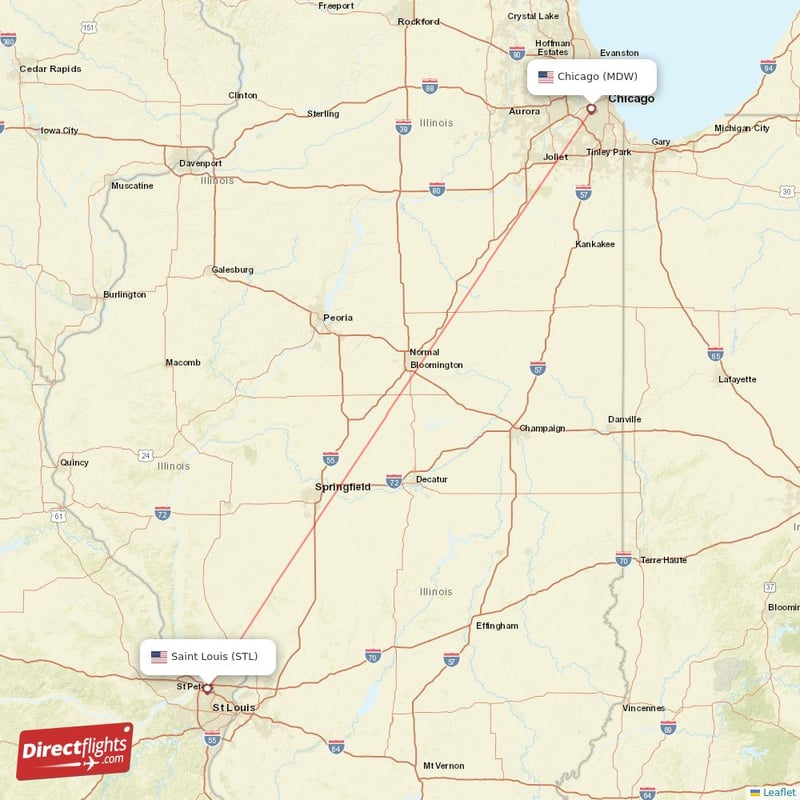
The approximate driving distance between downtown Chicago and downtown St. Louis is around 290 to 300 miles (467 to 483 kilometers), depending on the exact starting and ending points and the specific highways taken. The most common route follows Interstate 55 (I-55), a direct and relatively straight path through central Illinois.
For those opting to drive, the average travel time is typically 4.5 to 5 hours under optimal conditions. However, this estimate can fluctuate significantly based on several factors:
- Traffic: Exiting Chicago or entering St. Louis during peak rush hour can add considerable delays. Weekends and holidays also tend to see heavier traffic volumes.
- Road Construction: Like many major interstate highways, I-55 is subject to ongoing construction projects, which can introduce temporary detours or slow-downs.
- Weather Conditions: Midwestern weather can be unpredictable. Winter storms (snow, ice) and severe thunderstorms in warmer months can significantly impact driving conditions and extend travel times.
- Stops: Many travelers choose to break up the journey with stops for gas, food, or a quick stretch. Towns like Springfield, Illinois, offer excellent opportunities for a pause, perhaps even a brief visit to a historical landmark like the Abraham Lincoln Presidential Library and Museum.
When budgeting for a road trip, remember to factor in fuel costs, potential tolls (though I-55 between these cities is largely toll-free), and parking fees at your destinations.
Modes of Transportation: Choosing Your Path
The variety of transportation options available makes the trip accessible for all types of travelers.
-
Driving: The most popular choice for its flexibility, driving allows you to set your own pace, explore charming towns off the main highway, and carry as much luggage as you need. It’s particularly convenient for family trips or those planning a multi-stop itinerary. Car rental services are readily available in both cities for those not traveling with their own vehicle.
-
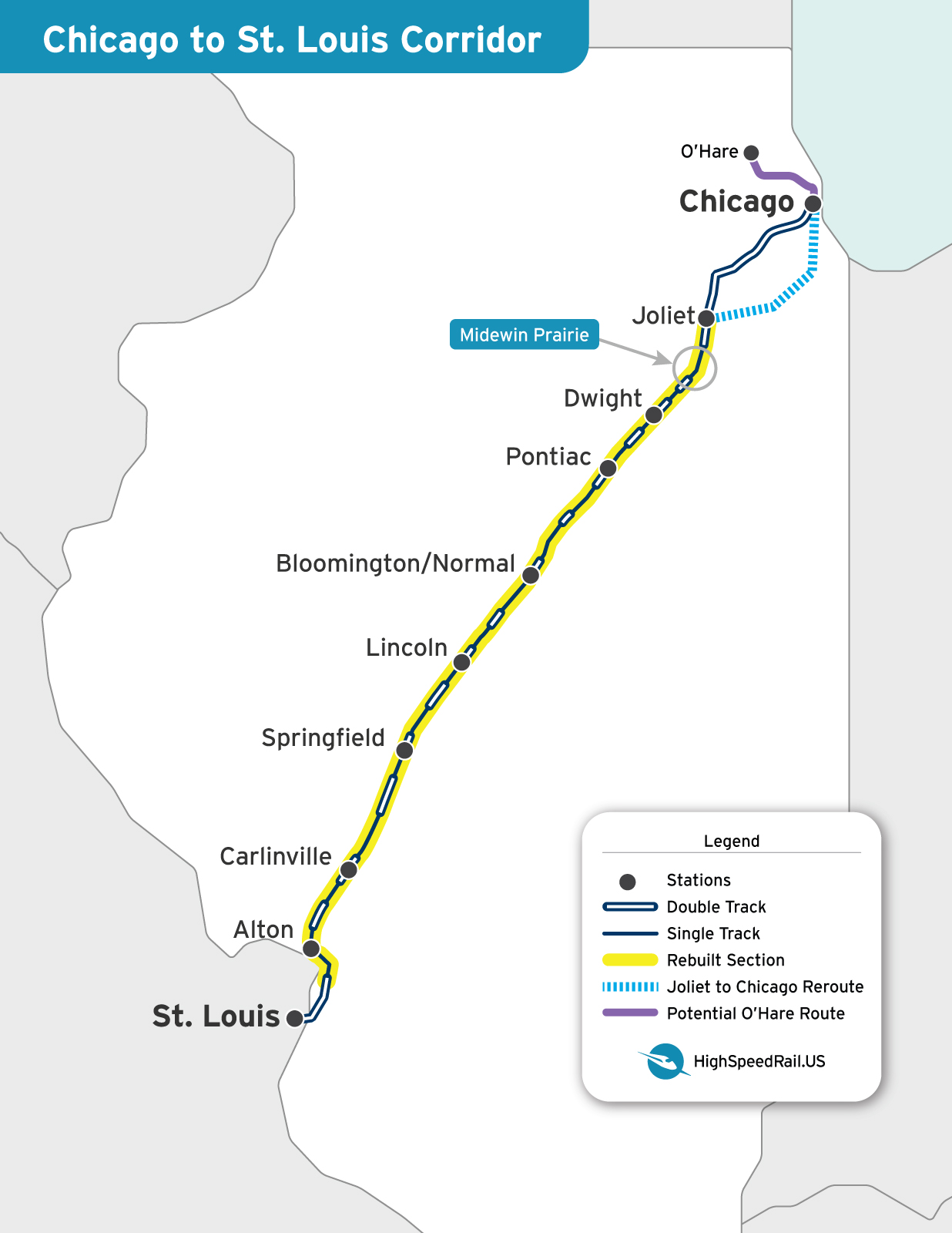
Train (Amtrak): For a more relaxed and scenic journey, Amtrak offers the Lincoln Service route connecting Chicago and St. Louis. With multiple daily departures, the train provides a comfortable experience, complete with power outlets, Wi-Fi, and dining options. The journey typically takes around 5.5 to 6 hours, making it comparable to driving without the stress of navigation or traffic. Stations are centrally located, with Union Station Chicago and the Gateway Transportation Center St. Louis offering convenient access to local transportation.
-
Bus (Greyhound, Megabus): For budget-conscious travelers, intercity bus services like Greyhound and Megabus provide an economical way to travel between the two cities. Bus journeys generally take 5.5 to 7 hours, depending on the route and number of stops. While less luxurious than train travel, buses offer a straightforward and often considerably cheaper alternative, with multiple daily schedules to choose from.
-
Flying: While seemingly the fastest, flying between Chicago and St. Louis is often not the most efficient or economical option once you account for the entire travel process. The flight duration itself is typically less than an hour, but the time spent traveling to and from airports (O’Hare International Airport or Midway International Airport in Chicago; St. Louis Lambert International Airport), going through security, and boarding can easily add 3-4 hours to your journey. Combined with higher ticket prices, flying is usually only recommended for those with very tight schedules or connecting flights.
Exploring St. Louis: The Gateway to the West
St. Louis, Missouri, often called the “Gateway to the West,” is a city steeped in history, rich in culture, and bustling with attractions. Its location on the Mississippi River made it a pivotal hub for westward expansion, a legacy beautifully preserved and celebrated throughout the city.
Must-See Landmarks and Attractions
A visit to St. Louis wouldn’t be complete without experiencing its most iconic sights:
- Gateway Arch National Park: Dominating the city skyline, the Gateway Arch is a symbol of America’s westward expansion. Visitors can take a tram to the top for breathtaking panoramic views of the city and the Mississippi River, or explore the museum beneath the arch, which details the history of exploration and the construction of this marvel.
- Forest Park: One of the largest urban parks in the United States, Forest Park is home to several world-class cultural institutions, many of which offer free admission. These include the Saint Louis Zoo, the Saint Louis Art Museum, the Missouri History Museum, and the Saint Louis Science Center. It’s an ideal spot for family trips, offering endless opportunities for recreation and learning.
- City Museum: An extraordinary, interactive museum crafted from repurposed architectural and industrial objects. It’s a whimsical wonderland for all ages, featuring caves, slides, a rooftop Ferris wheel, and endless nooks and crannies to explore. It defies categorization and offers an experience found nowhere else.
- Anheuser-Busch Brewery: Founded in 1852, this historic brewery offers free tours, providing insight into the beer-making process and a chance to see the famous Clydesdale horses. It’s a fascinating look into a cornerstone of St. Louis industry and heritage.
- Busch Stadium: Home to the beloved St. Louis Cardinals baseball team, catching a game here is a quintessential St. Louis experience, especially during the vibrant baseball season.
St. Louis Accommodation and Culinary Delights
St. Louis offers a wide array of accommodation options to suit every travel style and budget. For luxury travelers, hotels like the Four Seasons Hotel St. Louis or The Chase Park Plaza Royal Sonesta St. Louis provide opulent suites and resorts with top-tier amenities. Mid-range options like the Hotel Saint Louis, Autograph Collection offer boutique experiences and excellent service, while numerous budget-friendly hotels and long-term stay apartments cater to economic and extended visits.
The culinary scene in St. Louis is as diverse as its history. Don’t leave without trying:
- Toasted Ravioli: A local invention, these breaded and deep-fried pasta pockets are a delicious appetizer found almost everywhere.
- St. Louis-style pizza: Known for its thin, cracker-like crust, Provel cheese blend, and often cut into squares, it’s a unique take on pizza.
- Barbecue: St. Louis has a strong barbecue tradition, particularly known for its pork steaks and spare ribs.
Exploring neighborhoods like the eclectic Delmar Loop or the historic Soulard district will introduce you to a fantastic selection of local restaurants, lively bars, and unique shops, offering a true taste of local culture and vibrant activities.
Discovering Chicago: The Windy City’s Charms
Just a few hours north, Chicago stands as a beacon of urban sophistication, architectural marvels, and cultural dynamism. Known as the “Windy City,” it’s a global city with a distinct Midwestern friendliness, offering an unparalleled array of attractions and experiences for every visitor.
Iconic Landmarks and Cultural Experiences
Chicago’s skyline is instantly recognizable, but its allure extends far beyond its towering buildings:
- Millennium Park: A masterpiece of landscape design, this park is home to some of Chicago’s most iconic public art. Don’t miss Cloud Gate, affectionately known as “The Bean,” a reflective sculpture that offers fantastic photo opportunities, and the interactive Crown Fountain.
- Art Institute of Chicago: One of the oldest and largest art museums in the United States, boasting an extraordinary collection spanning centuries and continents, from ancient artifacts to contemporary masterpieces. It’s a must-visit for art enthusiasts.
- Navy Pier: Extending into Lake Michigan, Navy Pier is a lively hub of entertainment, featuring a Ferris wheel, boat tours, restaurants, and shops. It’s a perfect spot for families and offers stunning views of the city skyline.
- Magnificent Mile: For world-class shopping, luxury boutiques, and high-end department stores, the Magnificent Mile on Michigan Avenue is an essential destination. It’s also lined with impressive architecture and fine dining establishments.
- Skydeck Chicago at Willis Tower: For unparalleled views, ascend to the 103rd floor of the Willis Tower (formerly the Sears Tower). The Skydeck Chicago features “The Ledge,” glass boxes that extend out from the building, offering a thrilling perspective hundreds of feet above the city streets.
- Museum Campus: Located on the shore of Lake Michigan, this scenic area brings together three of Chicago’s premier institutions: the Field Museum (natural history), the Shedd Aquarium (aquatic life), and the Adler Planetarium (astronomy).
Chicago’s Diverse Accommodation and Food Scene
Chicago’s hospitality sector is second to none, with a vast selection of hotels, resorts, and apartment-style accommodations. Luxury options like The Langham Chicago and the Waldorf Astoria Chicago provide exquisite suites, spas, and panoramic city views. For business stays or those seeking premium comfort, the Hyatt Regency Chicago or the Palmer House Hilton are popular choices. Numerous boutique hotels, budget-friendly options, and serviced apartments cater to all preferences and lengths of stay, making booking and comparison essential tools for finding the perfect fit.
The culinary landscape of Chicago is legendary:
- Deep-Dish Pizza: No visit to Chicago is complete without indulging in its signature deep-dish pizza, a hearty, cheesy, and tomato-rich experience. Iconic pizzerias like Lou Malnati’s, Giordano’s, and Pequod’s Pizza are local favorites.
- Chicago-style hot dogs: A vibrant, “dragged through the garden” hot dog, loaded with mustard, chopped white onions, sweet pickle relish, a dill pickle spear, tomato slices or wedges, pickled sport peppers, and a dash of celery salt—all on a poppy seed bun.
- Fine Dining: Chicago boasts an impressive number of Michelin-starred restaurants, offering world-class gastronomic experiences for those seeking luxury travel culinary adventures.
Explore vibrant neighborhoods like River North for art galleries and trendy restaurants, or Lincoln Park for its charming boutiques and namesake park. Each neighborhood offers unique activities and a glimpse into Chicago’s diverse local culture.
Planning Your Midwest Adventure: Tips and Considerations
Embarking on a journey between Chicago and St. Louis offers a rewarding experience, but a well-planned itinerary can elevate your trip from good to unforgettable. Considering factors like the best time to visit, budgeting, and maximizing your experiences will help ensure a smooth and enjoyable adventure.
Best Time to Visit and Event Planning
The Midwest experiences four distinct seasons, each offering unique advantages for travel:
- Spring (April-May): Mild temperatures and blooming flowers make spring an excellent time to visit, especially for outdoor activities in Forest Park or strolling along Lake Michigan.
- Summer (June-August): Warm and sunny, summer is peak tourist season, filled with festivals, outdoor concerts, and baseball games in both cities. Be prepared for crowds and higher accommodation prices. Booking in advance is highly recommended.
- Fall (September-October): Crisp air, vibrant fall foliage, and comfortable temperatures make autumn another ideal time to visit. Many cultural events and food festivals take place during this season.
- Winter (November-March): While cold and snowy, winter brings festive holiday decorations, ice skating rinks (like McCormick Tribune Ice Rink in Millennium Park), and fewer crowds at indoor attractions. For budget travel, winter often offers the best deals on flights and hotels.
Before finalizing your travel dates, check the event calendars for both Chicago and St. Louis. You might catch a major sporting event, a world-renowned music festival, or a unique local celebration that aligns perfectly with your interests.
Budgeting and Travel Styles
Whether you’re planning a luxurious getaway, a practical business trip, or an affordable family vacation, both cities offer options to match your budget and lifestyle:
- Luxury Travel: Indulge in five-star hotels, gourmet dining experiences, and exclusive tours. Both Chicago and St. Louis cater to discerning travelers with high-end resorts, suites, and personalized services.
- Budget Travel: Opt for hostels, motels, or Airbnb rentals. Utilize public transportation (both cities have excellent systems), seek out free attractions (like Forest Park or many of Chicago’s parks), and enjoy casual dining or cook your own meals in apartment-style accommodations.
- Family Trips: Look for hotels with family-friendly amenities such as pools or connecting rooms. Plan activities that appeal to various ages, like museums, parks, and interactive exhibits. Many attractions offer family passes or discounts.
- Business Stays: Choose hotels with business centers, meeting rooms, and convenient access to corporate districts. Consider booking accommodation near convention centers if attending events.
When booking, always compare prices across different platforms for flights, hotels, and car rentals. Look for package deals or promotions, especially if booking well in advance. Flexibility with your travel dates can often lead to significant savings.
Maximizing Your Experience
To truly embrace the journey, consider these tips:
- Dive into Local Culture: Explore diverse neighborhoods, visit local markets, and engage with residents. The cultural fabric of each city is vibrant and unique.
- Seek Out Hidden Gems: While the famous landmarks are a must, don’t shy away from discovering lesser-known attractions or off-the-beaten-path restaurants recommended by locals.
- Be Flexible: While planning is essential, leave some room for spontaneity. You might stumble upon an unexpected festival or a charming cafe that wasn’t in your original itinerary.
- Utilize City Passes: Both Chicago and St. Louis offer city passes (e.g., CityPASS Chicago, St. Louis Explorer Pass) that can save money on multiple attractions, especially if you plan to visit several major sites.
- Stay Informed: Check local tourism websites for up-to-date information on events, closures, and travel advisories.
Conclusion
The distance between Chicago and St. Louis, Missouri, while significant, is easily navigable through various means of transportation, each offering its own set of advantages. This journey doesn’t merely connect two points on a map; it links two distinct and dynamic Midwestern metropolises, each brimming with unique attractions, culinary delights, and vibrant local culture.
Whether you’re drawn to St. Louis’s historic Gateway Arch and expansive Forest Park, or Chicago’s breathtaking architecture, world-class museums, and lively Magnificent Mile, a trip between these cities promises a rich tapestry of experiences. From luxury resorts to budget-friendly apartments, from iconic landmarks to hidden culinary gems, both destinations cater to every travel style and interest. By carefully considering your transportation choices, planning your itinerary, and embracing the unique charms of each city, your Midwest adventure will undoubtedly be a memorable one, filled with discovery and enjoyment. So, pack your bags and prepare to explore the captivating distance between these two American treasures.
LifeOutOfTheBox is a participant in the Amazon Services LLC Associates Program, an affiliate advertising program designed to provide a means for sites to earn advertising fees by advertising and linking to Amazon.com. Amazon, the Amazon logo, AmazonSupply, and the AmazonSupply logo are trademarks of Amazon.com, Inc. or its affiliates. As an Amazon Associate we earn affiliate commissions from qualifying purchases.