
Embarking on an adventure to Texas, whether it’s for an exhilarating vacation, a crucial business trip, or a significant relocation, promises a vibrant tapestry of experiences. From the bustling metropolitan hubs of Dallas and Houston to the historic charm of San Antonio and the live music capital of Austin, the Lone Star State offers unparalleled opportunities for travel, tourism, and lifestyle immersion. However, to truly unlock all that Texas has to offer, a seemingly mundane document—a Texas ID—can become an indispensable asset. Far from being just a bureaucratic formality, securing local identification streamlines everything from checking into your chosen accommodation to renting a car for a scenic drive through the Texas Hill Country, or even enjoying a sophisticated evening at one of the state’s renowned wineries.
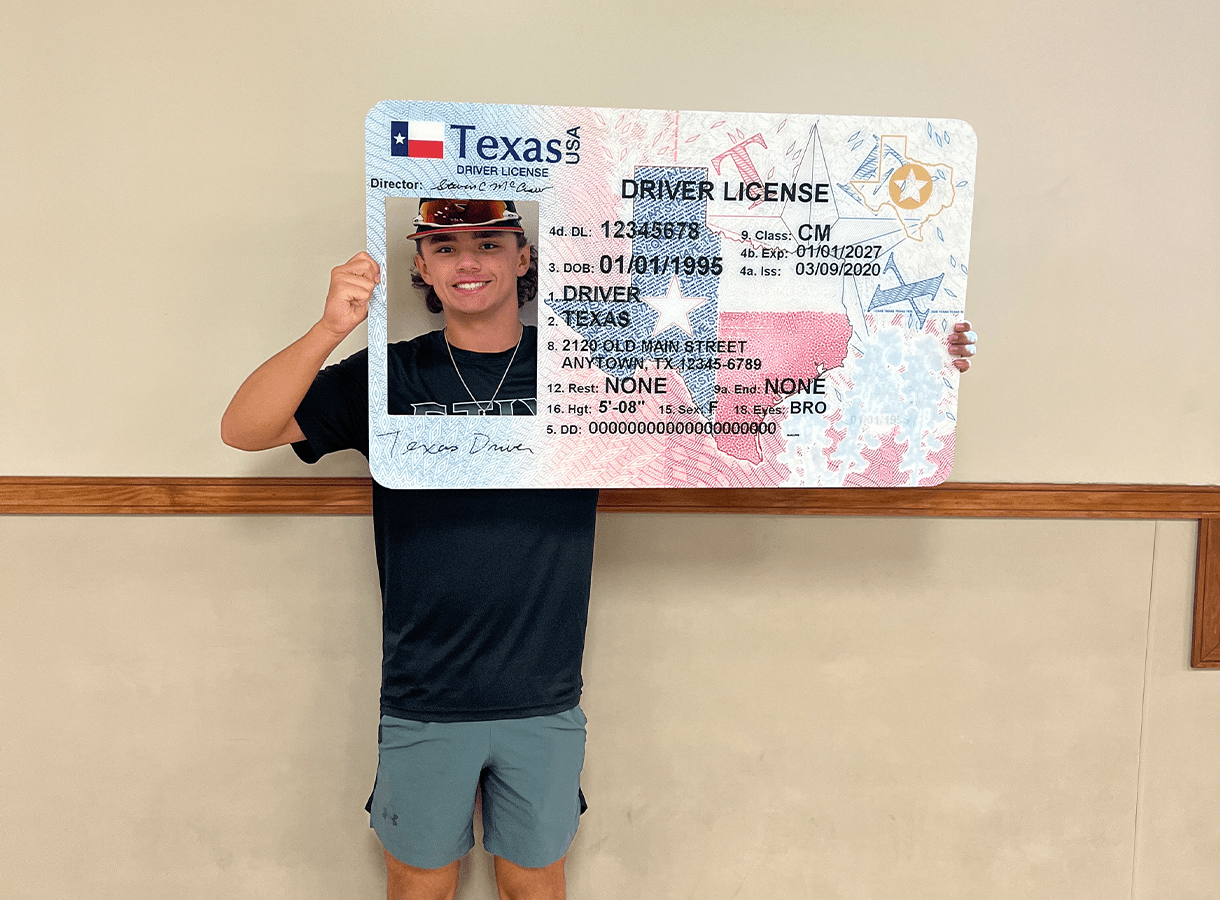
This comprehensive guide delves into the significance of obtaining a Texas ID, not just for long-term residents but also for savvy travelers and those on extended stays. We’ll explore why this piece of identification is crucial for a hassle-free journey, how to navigate the application process, and what essential documents you’ll need to prepare. By understanding the ins and outs of securing a Texas ID, you can ensure your visit or move to this magnificent state is as smooth and enriching as possible, allowing you to fully embrace the spirit of Texas.
The Indispensable Role of a Texas ID in Your Travel and Lifestyle Journey
For anyone stepping foot in Texas, especially those venturing beyond brief visits, the need for a valid form of identification quickly becomes apparent. While out-of-state IDs or passports are generally accepted, a Texas ID offers a layer of convenience and legitimacy that can significantly enhance your experience. It simplifies transactions, confirms your identity with local businesses, and is often a prerequisite for a multitude of activities crucial to both travel and establishing a temporary or permanent lifestyle within the state.
Smooth Sailing: Why Identification is Key for Travelers and Tourists
Imagine planning a meticulously curated Texas itinerary, only to encounter unexpected hurdles due to insufficient identification. A Texas ID proactively solves many common travel dilemmas, ensuring your focus remains on enjoyment and exploration.
One of the most critical reasons for having proper identification, particularly for domestic air travel, is compliance with the REAL ID Act. This federal mandate requires state-issued driver’s licenses and identification cards to meet minimum security standards for use at federal facilities, including boarding federally regulated commercial aircraft. While a valid U.S. passport or other Transportation Security Administration (TSA)-approved documents will suffice, obtaining a REAL ID compliant Texas ID can be a practical alternative for those without a passport or who prefer not to carry it. It streamlines the security check process at airports, making your journey into and out of Texas significantly smoother.
Furthermore, booking hotels, securing resort stays, or checking into vacation rental apartments often requires a valid photo ID. While an out-of-state license or passport is typically accepted, a Texas ID can simplify the check-in process, especially for those planning extended stays or frequently moving between different types of accommodation across the state. It provides immediate local verification, which some establishments may prefer.
For adventurers eager to explore the diverse landscapes of Texas, renting a vehicle is often essential. From navigating the bustling streets of Houston to embarking on a road trip to Big Bend National Park or the beaches of Padre Island National Seashore, a valid driver’s license is a must. If you’re planning an extended stay and need to obtain a Texas driver’s license, it will serve as your primary photo ID, satisfying rental car company requirements and ensuring you’re legally compliant on Texas roads.
Beyond logistics, a Texas ID plays a role in myriad lifestyle activities. Age verification is frequently required for enjoying the vibrant nightlife in Austin, sampling exquisite wines at Fredericksburg’s renowned wineries, or purchasing alcoholic beverages and tobacco products. While any valid government-issued ID will work, having a local ID can sometimes facilitate quicker service and less scrutiny, particularly in popular tourist areas.
For Newcomers: Integrating into the Texan Tapestry
For individuals or families making Texas their new home, whether for work, education, or simply a change of scenery, obtaining a Texas ID (or driver’s license) is a foundational step in establishing residency and integrating into the local community. It transitions from a convenience to a necessity, underpinning many aspects of daily life.
Establishing residency goes beyond simply living in the state. A Texas ID is typically required to open bank accounts, set up utility services (electricity, water, internet), register children for school, and even subscribe to local library services. These seemingly mundane tasks are crucial for laying down roots and ensuring a smooth transition into your new Texan lifestyle.
For those on long-term stays, perhaps working on a project or spending an extended vacation, a local ID can simplify many aspects of daily living. While a passport or out-of-state ID might suffice for some short-term needs, a Texas ID offers a more permanent and recognized form of identification within the state. It’s especially useful for accessing various local services, applying for permits, or even getting resident discounts at certain attractions or recreational facilities. It signals your engagement with the local community and can simplify interactions in both professional and casual settings.
Navigating the Process: Types of Texas IDs and Where to Get Them
Understanding the available options and the correct channels for obtaining your Texas ID is the next crucial step. The process is straightforward once you know what to expect, ensuring you can quickly secure the necessary documentation to continue your Texas journey unimpeded.
Understanding Your Options: Driver’s License vs. State ID Card
In Texas, you generally have two primary options for state-issued identification: a Driver’s License or a State ID Card. The choice largely depends on whether you intend to operate a motor vehicle.
A Texas Driver’s License is issued to individuals who have successfully passed the required driving tests (written and practical) and meet all eligibility criteria. It serves as both proof of identity and authorization to drive in Texas. If you are moving to Texas and possess a valid driver’s license from another U.S. state, you typically won’t need to retake the driving tests, but you will still need to apply for a Texas license.
A Texas State ID Card, on the other hand, is for individuals who do not drive or do not require a driver’s license. It functions solely as a photo identification card, providing proof of identity, age, and residency. For tourists on extended stays, non-drivers new to the state, or those who prefer not to drive, a State ID Card is an excellent choice. It carries the same weight as a driver’s license for identification purposes, ensuring you can verify your identity for all the purposes discussed earlier, from hotel check-ins to age-restricted purchases.
Both the Texas Driver’s License and State ID Card are designed to be REAL ID compliant, indicated by a star symbol, meaning they meet federal security standards for air travel and access to federal facilities. When applying, you will typically be issued a REAL ID compliant card by default, provided you supply the necessary documentation.
The DPS: Your Gateway to a Texas ID
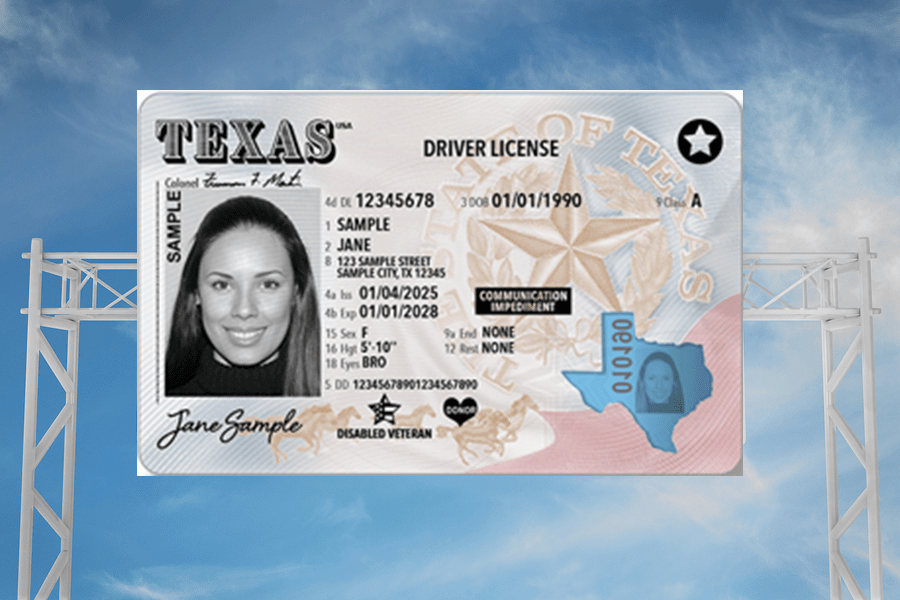
The sole authority for issuing driver’s licenses and state identification cards in Texas is the Texas Department of Public Safety (DPS). You must visit a local DPS office in person to apply for or renew your identification.
To locate the nearest DPS office, the official Texas DPS website is your most reliable resource. The website provides a convenient search tool where you can enter your zip code or city to find nearby locations, view their operating hours, and, critically, schedule an appointment.
Booking an appointment online is highly recommended and often mandatory for many DPS services. This significantly reduces wait times and ensures you can be seen efficiently. Walk-ins are sometimes accommodated but can involve lengthy waits, especially in larger cities like Houston, Dallas, or Austin. Planning ahead and securing your slot is a smart move, much like booking popular attractions or accommodations in advance.
Before your appointment, make sure you have gathered all necessary documents. The DPS website also offers detailed checklists for both driver’s license and ID card applications, categorized by citizenship status. Carefully reviewing these lists and preparing all original documents (photocopies are generally not accepted) will prevent delays and the need for multiple visits.
Preparing for Your Application: A Traveler’s Checklist
A smooth application process hinges on thorough preparation. Gathering the correct documents, understanding the fees, and knowing what to expect can make your visit to the DPS office efficient and stress-free, freeing you up to enjoy your Texas travel and lifestyle experiences.
Essential Documents for a Seamless Application
The specific documents required can vary slightly depending on whether you are a U.S. citizen, a permanent resident, or a foreign national, and whether you are applying for a driver’s license or an ID card. However, there are core categories of documents universally needed:
- Proof of Identity: This is paramount. For U.S. citizens, an original birth certificate or a valid U.S. passport is typically required. Permanent residents will need their Green Card (Form I-551). Foreign nationals with temporary lawful presence will need their valid foreign passport with an unexpired U.S. visa and their I-94 (Arrival/Departure Record), along with other supporting immigration documents. The name on all documents must match perfectly.
- Proof of Texas Residency: This demonstrates that you currently live in Texas. You’ll typically need two different documents from a list provided by the DPS. Common examples include a current utility bill (electricity, water, gas), a lease agreement or mortgage statement, a deed, a medical card, a bank statement, or a voter registration card. For those on extended stays, a confirmed booking for a long-term apartment or hotel with a dated receipt for at least 30 days might be considered, though it’s always best to check directly with the DPS for specific guidelines concerning temporary residents.
- Proof of Social Security Number (SSN): You must present your Social Security card or a document verifying your SSN, such as a W-2 form or a pay stub with your name and SSN on it. For individuals not eligible for an SSN, specific DPS procedures apply, often requiring a signed affidavit.
- Proof of U.S. Citizenship or Lawful Presence: This often overlaps with proof of identity but ensures your legal standing in the U.S. For REAL ID compliance, this is a critical component.
Remember to bring original documents, not photocopies. The DPS agents will verify these documents and return them to you. It’s also wise to bring extra forms of identification or proof of address if you have them, just in case.
Fees and Further Considerations
There are application fees associated with obtaining both a Texas Driver’s License and a State ID Card. These fees are subject to change, so checking the official DPS website for the most current fee schedule is always recommended before your visit. Payments can typically be made by cash, check, money order, or credit card.
Once your application is approved and you’ve paid the fee, you will typically receive a temporary paper ID or driver’s license. Your permanent plastic card will then be mailed to your provided Texas address, usually within a few weeks. The temporary document is valid for identification purposes during this waiting period, allowing you to continue with your travels or residency establishment.
It’s also crucial to remember that your Texas ID or driver’s license will have an expiration date. Keep track of this date and be prepared to renew it before it expires, especially if you plan a prolonged stay in the state. Furthermore, if you change your residential address within Texas, you are legally required to notify the DPS within 30 days and update your address on your ID. This can often be done online or via mail, preventing issues with receiving important documents or official communications.
Exploring Texas: How Your ID Unlocks the Lone Star Experience
With your Texas ID in hand, the Lone Star State truly opens up before you. This essential document isn’t just a key to administrative necessities; it’s a passport to deeper engagement with Texas’s rich culture, diverse landscapes, and vibrant lifestyle.
From Urban Adventures to Natural Wonders
Your Texas ID facilitates seamless access to many of the state’s iconic landmarks and attractions. In Dallas, you can delve into history at the Sixth Floor Museum at Dealey Plaza or explore the impressive Dallas Arts District. In Houston, a visit to Space Center Houston offers an awe-inspiring glimpse into space exploration. San Antonio invites you to walk through history at The Alamo and enjoy a leisurely boat ride along its famous Riverwalk. While many of these places don’t require an ID for entry, having one on hand can be useful for any age-restricted exhibits, discounts, or secondary verification if needed.
Furthermore, if you’ve obtained a Texas Driver’s License, you’re now fully equipped to explore the state’s immense natural beauty. Take a rental car and embark on an unforgettable journey to the rugged wilderness of Big Bend National Park, where mountains meet desert in a spectacular display of geological grandeur. Or, head to the Texas Gulf Coast to relax on the pristine beaches of South Padre Island or experience the ecological diversity of Padre Island National Seashore. Your license is the key to independent exploration, allowing you to craft your own itinerary and discover hidden gems at your own pace.

Culinary Delights and Cultural Immersion
Texas’s vibrant tourism scene is deeply intertwined with its legendary food and culture. Your ID ensures you can fully participate in these sensory experiences. Sample authentic Texas BBQ in historic towns like Lockhart, often hailed as the “BBQ Capital of Texas.” Enjoy a craft beer at one of Austin’s many breweries, or savor a sophisticated evening tasting local vintages at wineries dotted throughout the scenic Texas Hill Country. For these experiences, particularly those involving alcoholic beverages, your Texas ID simplifies age verification and enhances your overall interaction with local establishments.
Beyond food, your ID can be valuable for immersing yourself in Texas’s rich cultural activities. Attend live music events in Austin, explore the art galleries in Fort Worth, or experience a rodeo in one of the many towns where this Western heritage thrives. While not always a strict requirement, having a readily available and recognized form of identification contributes to a seamless and respectful engagement with local customs and businesses. It allows you to feel more like a local, enhancing your sense of belonging and making your Texas experience all the more authentic and memorable.
In conclusion, whether your journey to Texas is fleeting or foundational, obtaining a Texas ID or driver’s license is a wise investment. It removes potential obstacles, facilitates daily interactions, and ultimately enriches your ability to explore, engage, and enjoy everything the Lone Star State has to offer. By planning ahead and understanding the process, you can ensure your Texas adventure is as boundless and brilliant as the state itself.
LifeOutOfTheBox is a participant in the Amazon Services LLC Associates Program, an affiliate advertising program designed to provide a means for sites to earn advertising fees by advertising and linking to Amazon.com. Amazon, the Amazon logo, AmazonSupply, and the AmazonSupply logo are trademarks of Amazon.com, Inc. or its affiliates. As an Amazon Associate we earn affiliate commissions from qualifying purchases.