
For many travelers and those simply curious, the question “What is time now in Arizona?” often leads to a moment of delightful confusion. Unlike most of the United States, Arizona observes a unique temporal rhythm, steadfastly opting out of Daylight Saving Time (DST) for the majority of the state. This distinctive characteristic not only sets Arizona apart but also adds an interesting layer to planning any trip, from booking flights and hotel stays to scheduling activities and understanding local routines.
This article delves into the fascinating world of Arizona’s time zone, exploring its implications for visitors and providing comprehensive insights into how this affects your travel, accommodation, and overall experience in the Grand Canyon State. Whether you’re planning an adventurous trek through the Grand Canyon, a luxurious spa retreat in Scottsdale, or a cultural exploration in Tucson, understanding Arizona’s time is crucial for a seamless journey. Beyond the clock, we’ll also explore the myriad of timeless experiences that await, from breathtaking natural landmarks to vibrant cultural scenes, ensuring your visit is unforgettable.

Arizona’s Unique Time Zone: MST All Year Round
At the heart of the “what time is it in Arizona?” enigma lies its unwavering commitment to Mountain Standard Time (MST) throughout the entire year. While many states spring forward and fall back with DST, Arizona largely remains constant, a decision rooted in practicality and tradition.
Understanding Mountain Standard Time (MST)
Mountain Standard Time (MST) is seven hours behind Coordinated Universal Time (UTC-7). This means that during the months when most of the United States observes Daylight Saving Time, typically from March to November, Arizona’s time aligns with Pacific Daylight Time (PDT). However, once DST ends in the autumn, Arizona reverts to being one hour ahead of Pacific Standard Time (PST), effectively making it the same time as Mountain Standard Time in neighboring states that have “fallen back.”
The primary reason for Arizona’s opt-out from Daylight Saving Time is simple: intense summer heat. With average summer temperatures soaring well above 100°F (38°C), an extra hour of daylight in the evening would mean an extra hour of blistering sun. By staying on MST, residents and visitors can enjoy slightly cooler evenings, pushing outdoor activities and leisure further into the twilight hours when the desert truly comes alive. This decision significantly impacts the lifestyle in cities like Phoenix, Scottsdale, and Tucson, where pool time, outdoor dining, and evening strolls are cherished traditions. For travelers, this means a consistent time frame to remember, simplifying planning regardless of the season.
The Navajo Nation Exception
While most of Arizona proudly eschews Daylight Saving Time, there is one significant exception: the Navajo Nation. Spanning portions of northeastern Arizona, New Mexico, and Utah, the Navajo Nation observes DST, aligning its clocks with the rest of the Mountain Time Zone. This decision is largely driven by the practicalities of coordinating with the majority of their tribal lands and neighboring communities in other states that do observe DST.
This localized distinction is crucial for travelers venturing into iconic areas like Antelope Canyon, Monument Valley, and Canyon de Chelly National Monument, which are situated within the Navajo Nation. When planning tours, especially those that involve specific time slots or guides (such as Antelope Canyon tours), it is imperative to confirm whether the local time observed by the tour operator is MST or the Navajo Nation’s DST-adjusted time. Failing to account for this one-hour difference can lead to missed tours, appointments, or simply unnecessary confusion, highlighting the importance of diligent pre-trip research, particularly for those exploring the rich cultural and natural landscapes of the tribal lands.
Navigating Time for Your Arizona Travel Plans
Understanding Arizona’s unique time zone is not just an academic exercise; it’s a practical necessity for every traveler. From the moment you book your flight to the last sunset you witness over the desert, time plays a pivotal role in ensuring a smooth and enjoyable experience.
Planning Your Itinerary: Flights, Check-ins, and Tours
The primary impact of Arizona’s time zone quirk is felt most acutely in travel logistics. When booking flights, especially during DST months, travelers coming from the East Coast or Midwest might find themselves gaining an extra hour (or two, or three, depending on their origin) compared to what they initially expected. Conversely, those arriving from the West Coast might not experience a time difference at all, as Arizona aligns with PDT. Always double-check arrival and departure times for Phoenix Sky Harbor International Airport (PHX) or Tucson International Airport to avoid any surprises.

Hotel check-in and check-out times, while usually standardized locally, should also be confirmed. If you’re planning a multi-city trip within Arizona that includes the Navajo Nation, remember that the clocks will shift by an hour as you cross into or out of tribal lands, which could affect your arrival time for pre-booked accommodations. For popular tours, especially those with strict schedules like sunrise or sunset tours of the Grand Canyon National Park, hot air balloon rides over Sedona, or guided hikes in Saguaro National Park, confirming the local time with the tour operator is paramount. Many operators will explicitly state whether their times are MST or, if applicable, Navajo Nation time, but a quick confirmation call can save you from a missed adventure.
Maximizing Your Experience: Adjusting to the Local Rhythm
Beyond mere logistics, understanding Arizona’s time can help you better align with the local rhythm and maximize your experience. The absence of Daylight Saving Time means that the sun rises and sets at a relatively consistent clock time throughout the year, making early morning activities particularly rewarding. Imagine catching a breathtaking sunrise over the red rocks of Sedona or embarking on a cool morning hike before the midday sun makes its full presence known.
For travelers arriving from significantly different time zones, managing jet lag becomes a critical component of travel wellness. While Arizona’s unique time might initially seem confusing, its consistency can be an advantage. By staying on MST, the state offers a stable temporal anchor. Gradually adjusting your sleep schedule a few days before departure, staying hydrated on your flight, and exposing yourself to natural light upon arrival can help your body adapt more quickly. Embrace the local pace; dine when the locals do, enjoy the early morning tranquility, and appreciate the extended twilight hours that Arizona’s time zone affords, particularly during the warmer months when evenings become the prime time for social gatherings and outdoor pursuits.
Beyond the Clock: Timeless Experiences in Arizona
While understanding the local time is practical, the true magic of Arizona lies in its timeless appeal—a mosaic of stunning landscapes, rich culture, and diverse experiences that transcend the tick-tock of any clock. From majestic natural wonders to vibrant urban hubs and luxurious retreats, Arizona offers an unparalleled adventure for every type of traveler.
Iconic Destinations and Natural Wonders
Arizona is synonymous with some of the world’s most breathtaking natural landmarks. The undisputed crown jewel is the Grand Canyon National Park, a monumental testament to geological artistry. Whether you gaze from the South Rim or brave the more remote North Rim, its vastness and vibrant hues offer an experience that feels ancient and ever-present. Beyond the Grand Canyon, the vibrant red rock formations of Sedona captivate with their spiritual energy and stunning vistas, perfect for hiking, mountain biking, or simply soaking in the serene beauty. The ethereal slot canyons of Antelope Canyon, with their swirling sandstone walls and shafts of light, offer a photographic wonderland, accessible through guided tours on Navajo Nation land.
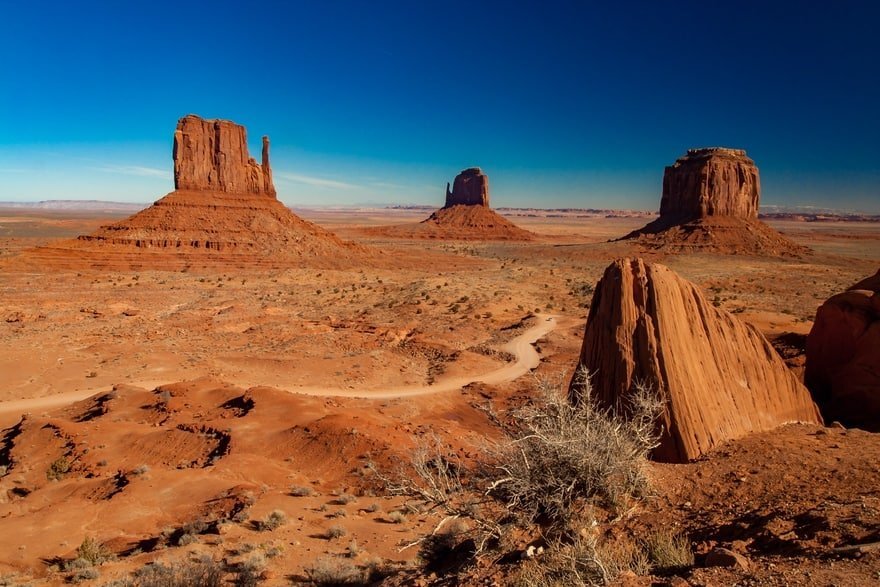
Further north, the dramatic buttes and mesas of Monument Valley, another jewel within the Navajo Nation, evoke classic Western films and an enduring sense of the frontier. For a unique desert ecosystem, Saguaro National Park, near Tucson, showcases the iconic saguaro cactus forests—majestic giants that stand sentinel over the Sonoran Desert. Each of these landmarks offers not just a sight to behold but an immersion into landscapes that have been shaped over millennia, providing a humbling perspective on time itself.
Accommodations and Lifestyle: Crafting Your Perfect Stay
Arizona’s commitment to tourism is reflected in its diverse and exceptional accommodation options, catering to every lifestyle and budget. For those seeking the pinnacle of luxury, Scottsdale and Paradise Valley are home to world-class resorts that define opulent travel. Imagine unwinding at Sanctuary Camelback Mountain, A Gurney’s Resort & Spa, with its breathtaking views and renowned spa treatments, or experiencing the architectural grandeur and desert tranquility of The Boulders Resort & Spa Scottsdale, Curio Collection by Hilton. These establishments offer not just rooms but expansive experiences, complete with championship golf courses, infinity pools, gourmet dining, and personalized service designed to rejuvenate the body and mind.
Beyond the high-end resorts, Arizona also excels in providing unique boutique hotels, family-friendly resorts with extensive activity programs, and charming bed and breakfasts that capture local flavor. For the adventure seeker, glamping options near the Grand Canyon or Sedona offer a blend of outdoor immersion and comfort. Budget-conscious travelers will find a plethora of affordable hotels and vacation rentals in cities like Phoenix, Mesa, and Flagstaff, ensuring that a memorable Arizona experience is accessible to all. From bustling urban centers like Tempe to tranquil lakeside escapes in Lake Havasu City, the choice of accommodation significantly enhances the overall lifestyle experience of your Arizona journey.
Cultural Immersion and Culinary Delights
Arizona’s rich cultural tapestry is woven from a vibrant blend of Native American heritage, Mexican influences, and rugged pioneer spirit. Exploring the indigenous cultures of tribes like the Hopi Tribe and the Hualapai Nation (who operate the Grand Canyon Skywalk) offers profound insights into ancient traditions, artistry, and a deep connection to the land. Museums such as the Heard Museum in Phoenix provide an excellent introduction to these rich histories and contemporary Native American art.
The culinary scene in Arizona is a delectable journey in itself, heavily influenced by its Southwestern location. From authentic Mexican cuisine and sizzling Sonoran hot dogs in Tucson (a UNESCO City of Gastronomy) to upscale farm-to-table restaurants in Phoenix and Scottsdale, there’s a flavor for every palate. The state also boasts a growing wine region, particularly around Willcox and the Verde Valley, offering delightful tastings and vineyard tours. Engaging with local festivals, art markets, and community events further enriches the cultural immersion, allowing travelers to connect with the heart and soul of Arizona beyond its landscapes.
In conclusion, while the question “What is time now in Arizona?” might seem straightforward, its answer unveils a unique aspect of the state that profoundly influences the travel experience. Arizona’s year-round adherence to Mountain Standard Time (with the notable exception of the Navajo Nation) is a practical decision that shapes everything from daily routines to travel planning. By understanding this temporal nuance, visitors can seamlessly navigate their itineraries, from flight arrivals and hotel check-ins to scheduled tours, ensuring they are always on time for their next adventure. Beyond the clock, Arizona offers a collection of timeless experiences: majestic natural wonders, luxurious accommodations, vibrant cultural interactions, and a culinary landscape as diverse as its scenery. So, set your watches, embrace the desert rhythm, and prepare for an unforgettable journey through a land where every moment is an opportunity for discovery.
LifeOutOfTheBox is a participant in the Amazon Services LLC Associates Program, an affiliate advertising program designed to provide a means for sites to earn advertising fees by advertising and linking to Amazon.com. Amazon, the Amazon logo, AmazonSupply, and the AmazonSupply logo are trademarks of Amazon.com, Inc. or its affiliates. As an Amazon Associate we earn affiliate commissions from qualifying purchases.