
The aroma of slow-cooked pork, tender enough to shred with a fork, is a quintessential experience that often evokes memories of family gatherings, vibrant summer picnics, or perhaps a culinary adventure through the Southern United States. While dedicated barbecue pits and smokehouses across iconic destinations like Memphis or Kansas City offer the ultimate taste of this classic dish, mastering the art of the Boston Butt pork shoulder roast in your own kitchen is a deeply rewarding endeavor. It’s more than just a recipe; it’s an invitation to explore a rich cultural heritage, a test of patience, and a celebration of robust flavors that can transport you, if only gastronomically, to the heart of American barbecue country.
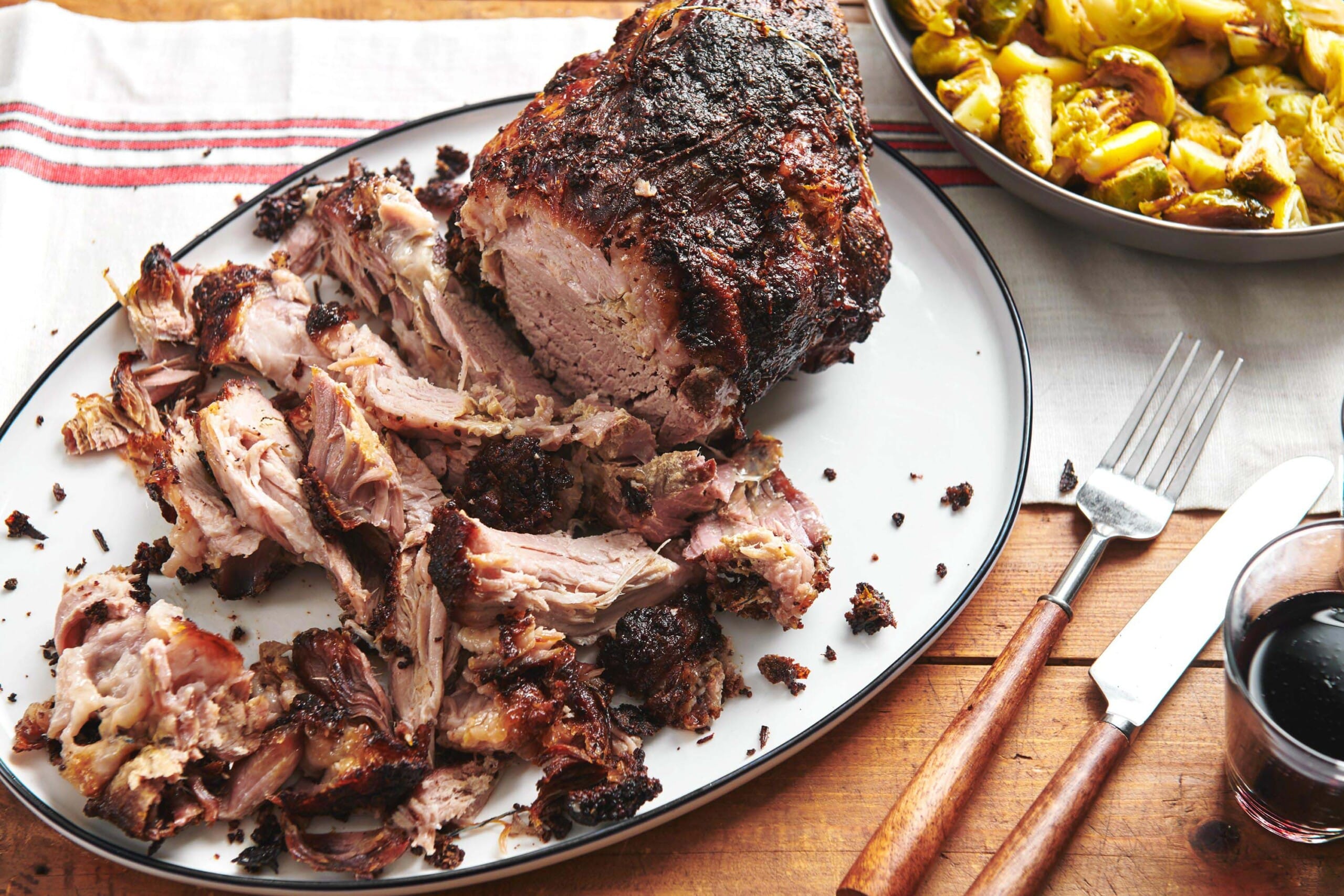
At Life Out Of The Box, we believe that life’s most enriching experiences extend beyond physical travel, encompassing the joy of discovery and creation right at home. Preparing a Boston Butt is a fantastic way to bring the essence of culinary tourism into your lifestyle, allowing you to recreate the magic of a regional delicacy. Whether you’re planning a staycation, hosting friends, or simply seeking a comforting, flavorful meal, understanding how to properly cook this magnificent cut of pork is a skill that will serve you well, offering a delicious gateway to a world of flavors.
The Culinary Journey of the Boston Butt: More Than Just a Cut of Meat
Before we dive into the specifics of cooking, let’s appreciate the story behind the Boston Butt. This cut, despite its name, is neither from Boston nor solely from the pig’s rear end. It’s a fascinating example of how history and regional practices can shape culinary terminology.
A Taste of American Barbecue Culture
The Boston Butt, properly known as a pork shoulder, is the upper part of the pig’s front leg, specifically the shoulder blade area. It’s a tough cut, rich in connective tissue and intramuscular fat, which makes it perfect for low-and-slow cooking methods. This approach breaks down the collagen, rendering the meat incredibly tender and juicy, ideal for shredding into classic pulled pork.
This cut is the undisputed champion of American barbecue, particularly in the United States South. Different states boast their unique barbecue traditions, with the Boston Butt often at the center. From the vinegar-based sauces of the Carolinas to the dry rubs of Memphis and the sweet, tangy glazes of Kansas City, the humble pork shoulder serves as a canvas for a diverse array of flavors. Understanding this cultural context enriches the cooking experience, transforming a simple meal into a culinary exploration. Imagine yourself in a quaint BBQ joint in North Carolina, soaking in the local culture, or enjoying a vibrant food tour in Texas, where smoked meats reign supreme. Recreating this dish at home isn’t just about food; it’s about connecting with these travel experiences.
Why “Boston Butt”? Unraveling the Name
The name “Boston Butt” itself is a piece of culinary history. In colonial New England, butchers would often pack less prized cuts of pork, like the shoulder, into wooden barrels for storage and transport. These barrels were known as “butts.” Thus, a pork shoulder packed in a “butt” barrel in Boston became known as a “Boston Butt.” The name stuck, even as packaging methods evolved. This historical tidbit adds another layer of intrigue to the dish, making it a conversation starter at any gathering and linking it to the rich history that permeates many of America’s iconic landmarks and regional cuisines.
Essential Ingredients and Tools for the Perfect Roast
Embarking on the journey to cook a perfect Boston Butt requires careful selection of ingredients and the right culinary tools. Think of it as preparing for an expedition; having the proper gear ensures a smooth and successful trip.
Selecting Your Boston Butt: Quality Matters
The foundation of any great dish is quality ingredients. For a Boston Butt, this means starting with the right cut of meat. Look for a bone-in pork shoulder roast, typically weighing between 6 to 10 pounds. The bone helps to distribute heat evenly and adds flavor and moisture to the meat as it cooks. Marbling, the streaks of fat running through the muscle, is crucial here. This fat renders down during the long cooking process, basting the meat from within, resulting in unparalleled tenderness and flavor. If you have access to a local butcher, discuss options like heritage breed pork, which often offers superior flavor and fat content, elevating your home-cooked meal to a gourmet experience akin to dining in a high-end resort.
Crafting the Ideal Rub and Marinade
While the meat itself is paramount, the rub is where much of the flavor magic happens. A good dry rub typically consists of a blend of salt, black pepper, paprika (smoked paprika for an extra layer of flavor), brown sugar (which helps create a beautiful bark), garlic powder, onion powder, and a touch of cayenne for a subtle kick.
Here’s a simple yet effective dry rub recipe:
- 1/4 cup brown sugar
- 2 tablespoons smoked paprika
- 2 tablespoons coarse salt (kosher or sea salt)
- 1 tablespoon black pepper
- 1 tablespoon garlic powder
- 1 tablespoon onion powder
- 1 teaspoon cayenne pepper (optional, adjust to taste)
Whisk these ingredients together. You’ll want to generously coat your pork shoulder with this mixture.
For those who prefer a deeper infusion of flavor or a more tenderizing effect, a liquid marinade can be used in addition to or instead of a dry rub. Common marinade ingredients include apple cider vinegar, Worcestershire sauce, liquid smoke (for oven cooking), and various spices. However, for traditional pulled pork, a good dry rub is often sufficient, allowing the natural pork flavor to shine through.
Must-Have Kitchen Gear for Slow Cooking
You don’t need a professional smoker to achieve fantastic results. Many home cooks achieve incredible Boston Butt roasts using standard kitchen equipment.
- Large Roasting Pan: Essential for holding the large cut of meat and catching any drippings. A sturdy pan, perhaps one you might find in a well-equipped vacation apartment, is perfect.
- Aluminum Foil: For covering the roast during part of the cooking process to retain moisture and tenderness. Heavy-duty foil is preferred.
- Meat Thermometer: Absolutely critical for ensuring the pork reaches the correct internal temperature for both safety and optimal texture. An instant-read thermometer is helpful for checking temperatures throughout, and a probe thermometer that stays in the meat during cooking is even better. This is a non-negotiable tool for culinary success.
- Sharp Knife: For trimming excess fat from the pork shoulder.
- Pulled Pork Claws (Optional): These make shredding the tender meat significantly easier and faster. Think of them as a specialized tool for a specialized task, much like specific gear for adventure travel.
The Art of Slow Roasting: A Step-by-Step Guide
The secret to a perfect Boston Butt lies in patience. This is not a dish to rush. Embracing the “low and slow” philosophy is key to transforming a tough cut into a melt-in-your-mouth masterpiece.
Preparation is Key: Trim, Season, and Rest
- Trim the Fat: While some fat is essential for moisture and flavor, excessive fat on the exterior (the fat cap) should be trimmed down to about 1/4 to 1/2 inch thick. This allows the rub to penetrate better and prevents the roast from becoming greasy.
- Apply the Rub: Generously coat the entire pork shoulder with your chosen dry rub. Don’t be shy; massage it into every crevice. For best results, do this at least 12 hours, or up to 24 hours, before cooking. This allows the salt to penetrate the meat and the flavors to meld, much like allowing yourself time to settle into a new destination before exploring.
- Rest (Optional but Recommended): After applying the rub, place the pork shoulder on a wire rack set over a baking sheet, cover loosely with plastic wrap, and refrigerate. This dry brining process can significantly enhance the flavor and moisture retention. Before cooking, remove the pork from the refrigerator about an hour before to allow it to come closer to room temperature. This promotes more even cooking.
Achieving Tenderness: Low and Slow Methods
While a smoker is the traditional choice, an oven can produce equally fantastic results for home cooks.
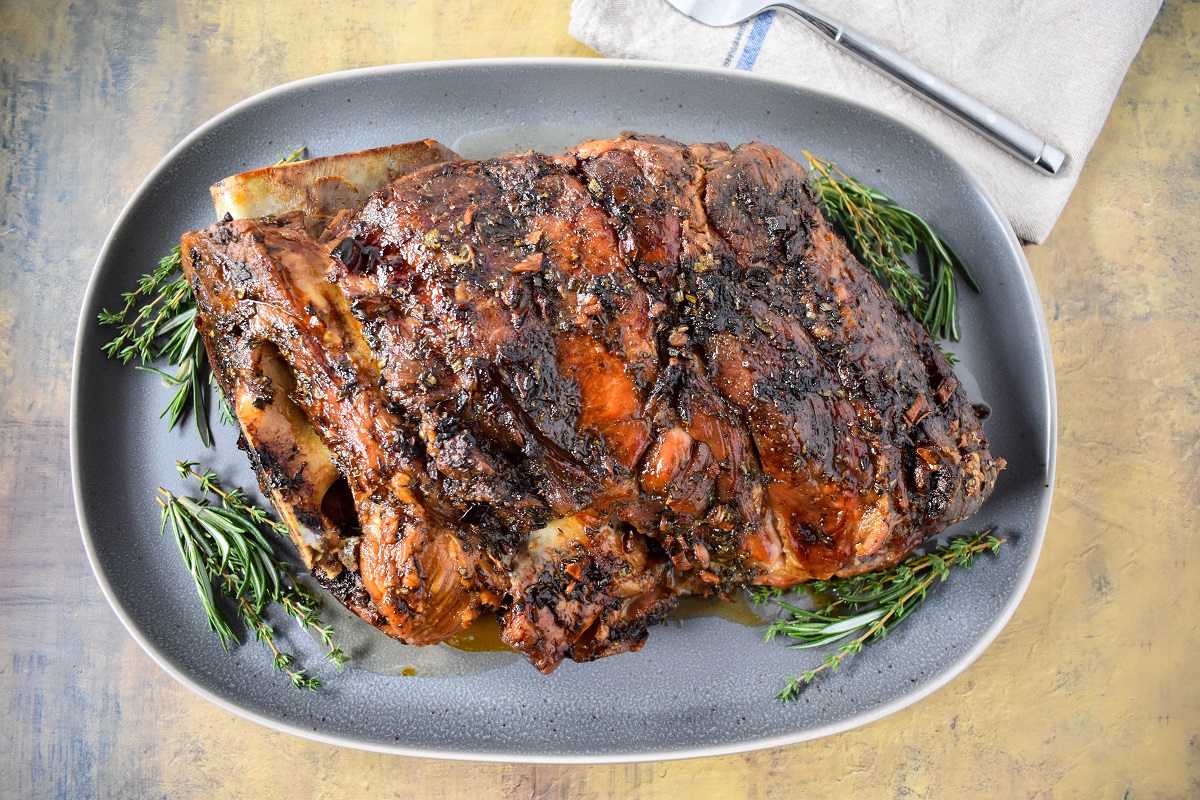
Oven Method (The Most Accessible):
- Preheat Your Oven: Set your oven to a low temperature, typically between 225°F (107°C) and 275°F (135°C). Lower temperatures require longer cooking times but yield incredibly tender results.
- Position the Roast: Place the seasoned pork shoulder fat-side up in your large roasting pan. If you prefer to capture drippings for sauce, you can add a cup of apple cider vinegar or chicken broth to the bottom of the pan.
- Initial Cook: Roast uncovered for the first 3-4 hours. This helps to develop a flavorful “bark” on the exterior.
- Wrap and Continue Cooking: Once a good bark has formed, tightly wrap the entire roasting pan (or just the pork itself) in heavy-duty aluminum foil. This creates a steamy environment that helps tenderize the meat and prevents it from drying out. Some prefer to place the pork in a disposable aluminum pan and then wrap that pan tightly.
- Monitor Temperature: Continue cooking until the internal temperature reaches between 195°F (90°C) and 205°F (96°C). At this stage, the connective tissues have broken down, making the meat incredibly tender and easy to shred. A general rule of thumb is about 1.5 to 2 hours per pound, but a meat thermometer is your best friend. For a 8-pound roast, expect anywhere from 12 to 16 hours or even longer. This extended cooking time is similar to the patience required for a long-haul journey, knowing the reward is worth the wait.
Slow Cooker Method (Effortless Convenience):
While less traditional for bark development, a slow cooker is a fantastic hands-off option, especially for smaller Boston Butts or when you need dinner ready after a day of exploring landmarks.
- Sear (Optional): For added flavor, quickly sear all sides of the pork shoulder in a hot pan before placing it in the slow cooker.
- Add Liquid: Place the pork in the slow cooker with about 1 cup of liquid (apple cider vinegar, broth, or even beer).
- Cook: Cook on low for 8-10 hours or on high for 5-7 hours, until the internal temperature reaches 195°F-205°F (90°C-96°C) and the meat is easily shreddable.
The Waiting Game: Temperature, Time, and Patience
The most crucial aspect of cooking a Boston Butt is hitting the right internal temperature, not just for food safety, but for texture. While pork is safe to eat at 145°F (63°C), the collagen doesn’t break down sufficiently for shredding until it reaches the higher range of 195°F (90°C) to 205°F (96°C). There might be a “stall” period during cooking where the temperature plateaus. Don’t panic; this is normal. Just keep cooking. Patience will be rewarded.
Once the pork reaches the target temperature, remove it from the oven or slow cooker and, still wrapped, let it rest for at least 30 minutes, ideally an hour. This allows the juices to redistribute throughout the meat, resulting in an even more tender and moist product. This resting period is just as vital as the cooking itself, much like taking time to reflect and recharge after a busy day of sightseeing.
Serving Your Masterpiece: Pairing and Presentation
After hours of anticipation, the moment to enjoy your perfectly cooked Boston Butt has arrived. This is where your culinary journey culminates in a feast that’s sure to impress.
Classic Sides to Complement Your Roast
Pulled pork is best served with a cadre of classic Southern sides. These pairings create a harmonious meal that feels like a true culinary event.
- Coleslaw: A crunchy, creamy, or tangy coleslaw offers a refreshing contrast to the richness of the pork.
- Cornbread: Moist, warm cornbread is perfect for soaking up juices and complementing the smoky flavors.
- Baked Beans: Sweet and savory baked beans are another barbecue staple.
- Macaroni and Cheese: Creamy, indulgent mac and cheese is a crowd-pleaser and adds a comforting element.
- Pickles and Onions: Sliced dill pickles and raw red onion provide a sharp, acidic counterpoint that cuts through the richness of the pork.
Consider preparing these sides in advance, allowing you to relax and enjoy the experience, just as you might plan your itinerary for a stress-free travel experience.
Crafting the Ultimate Pulled Pork Experience
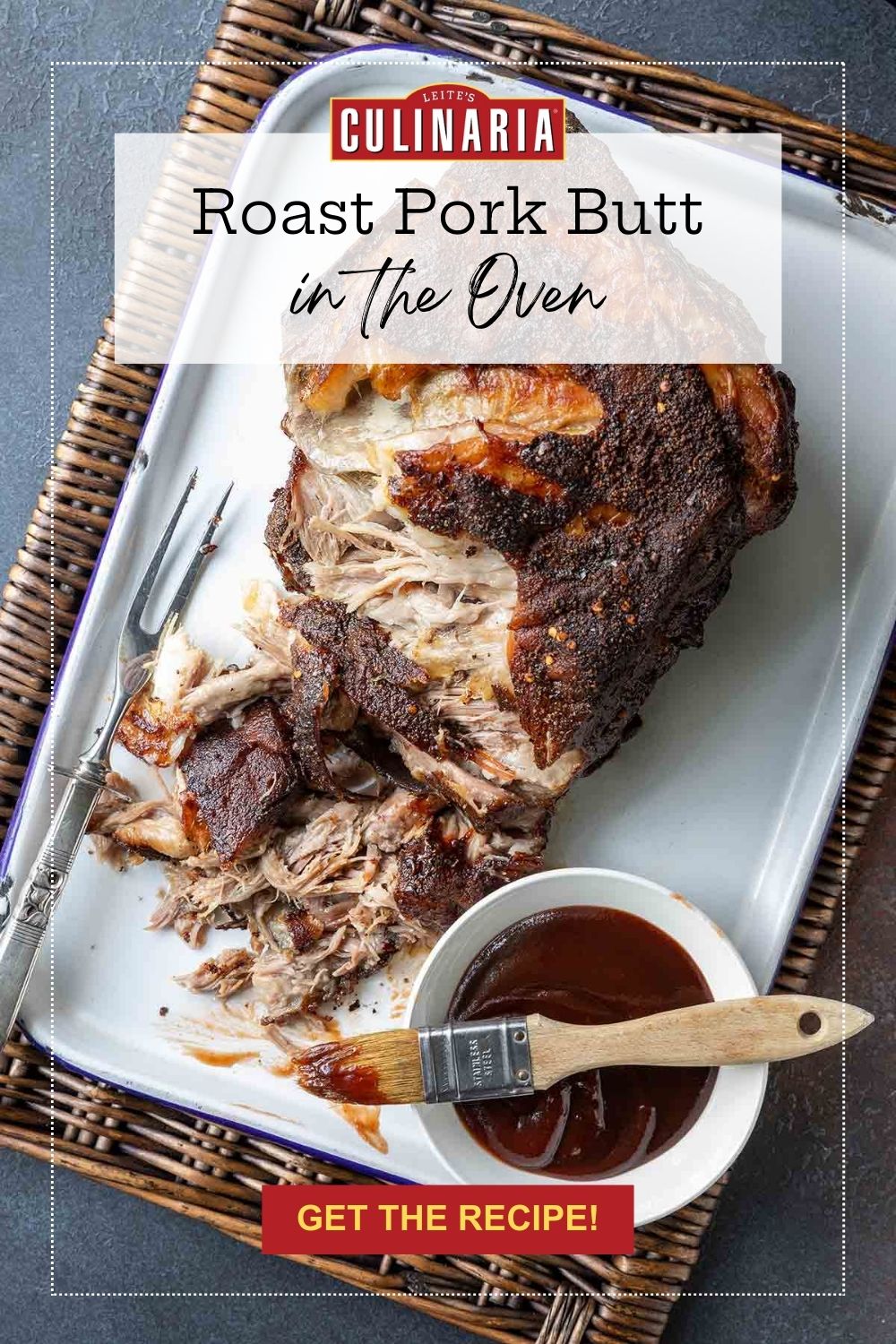
With the pork rested, it’s time to shred. Using forks or pulled pork claws, tear the meat apart, discarding any large pieces of rendered fat or connective tissue. The bone should pull out cleanly with minimal effort. Mix some of the reserved pan drippings back into the shredded pork to keep it moist and flavorful. You can also add your favorite barbecue sauce directly to the pork or serve it on the side, allowing guests to customize their plates. Whether you prefer a sweet, tangy, spicy, or mustard-based sauce, the choice is yours, reflecting the diverse regional tastes you might encounter on a culinary tour.
Serve the pulled pork on soft burger buns, brioche rolls, or even as a filling for tacos. A dollop of coleslaw directly on the sandwich adds extra texture and flavor. This approach not only makes for a delicious meal but also a fun, interactive dining experience, reminiscent of shared meals in vibrant local eateries discovered during your travels.
Embracing the Leftovers: Creative Culinary Adventures
One of the great joys of cooking a large Boston Butt is the abundance of delicious leftovers. Don’t let them go to waste! Pulled pork is incredibly versatile.
- Pulled Pork Tacos or Nachos: A quick and easy weeknight meal.
- Pulled Pork Pizza: Use barbecue sauce as the base, add pulled pork, red onion, and cheese.
- Pulled Pork Hash: Combine with potatoes and eggs for a hearty breakfast or brunch.
- Pulled Pork Enchiladas: A flavorful twist on a Mexican classic.
These creative uses for leftovers extend the enjoyment of your culinary efforts, much like how the memories and stories from a trip continue to enrich your life long after you’ve returned home.
Bringing the Barbecue Trail Home: A Lifestyle Choice
Mastering the Boston Butt pork shoulder roast isn’t just about making a meal; it’s about embracing a lifestyle that values quality, patience, and the joy of sharing. It’s about bringing the flavors of your travels, or the destinations yet to be explored, directly to your dining table.
Hosting a Southern-Inspired Feast
Imagine hosting a backyard barbecue, where the star of the show is your homemade pulled pork. Your guests, whether they’ve just returned from a getaway or are enjoying a staycation, will appreciate the effort and the authentic flavors. Pair it with craft beers, sweet tea, and good company, and you’ve created an experience that rivals any five-star resort dining, but with the personal touch of your own home. This type of entertaining aligns perfectly with a lifestyle centered around good living, travel-inspired experiences, and fostering connections.
The Joy of Culinary Exploration in Your Own Kitchen
For those who love to travel, culinary exploration is often a highlight. Learning to cook a Boston Butt is an extension of that passion. It allows you to delve deep into a specific regional cuisine, understand its history, and appreciate the nuances of its preparation. It’s a form of active learning and enjoyment that transcends geographical boundaries. So, the next time you find yourself craving the authentic taste of Southern barbecue, remember that the journey to creating it can begin right in your own kitchen, a delicious adventure awaiting your discovery.
Embrace the slow process, savor the incredible flavors, and let the Boston Butt pork shoulder roast become a staple in your culinary repertoire, connecting you to a rich tradition and countless memorable meals.
LifeOutOfTheBox is a participant in the Amazon Services LLC Associates Program, an affiliate advertising program designed to provide a means for sites to earn advertising fees by advertising and linking to Amazon.com. Amazon, the Amazon logo, AmazonSupply, and the AmazonSupply logo are trademarks of Amazon.com, Inc. or its affiliates. As an Amazon Associate we earn affiliate commissions from qualifying purchases.