
Texas, a state renowned for its sprawling landscapes, vibrant cities, and rich cultural tapestry, offers a unique blend of experiences for every traveler. From the bustling metropolitan areas of Houston and Dallas to the serene natural beauty of its Gulf Coast and hill country, the Lone Star State is a destination brimming with adventure. For those with a passion for avian life, Texas presents a fascinating intersection of nature, commerce, and lifestyle. While many visitors might focus on birdwatching in its numerous state parks and wildlife refuges, a growing number of enthusiasts are looking to Texas as a place to acquire live birds. This comprehensive guide explores the various avenues for purchasing live birds in Texas, delving into the ethical considerations, legal requirements, and travel logistics involved, ensuring a responsible and fulfilling experience.
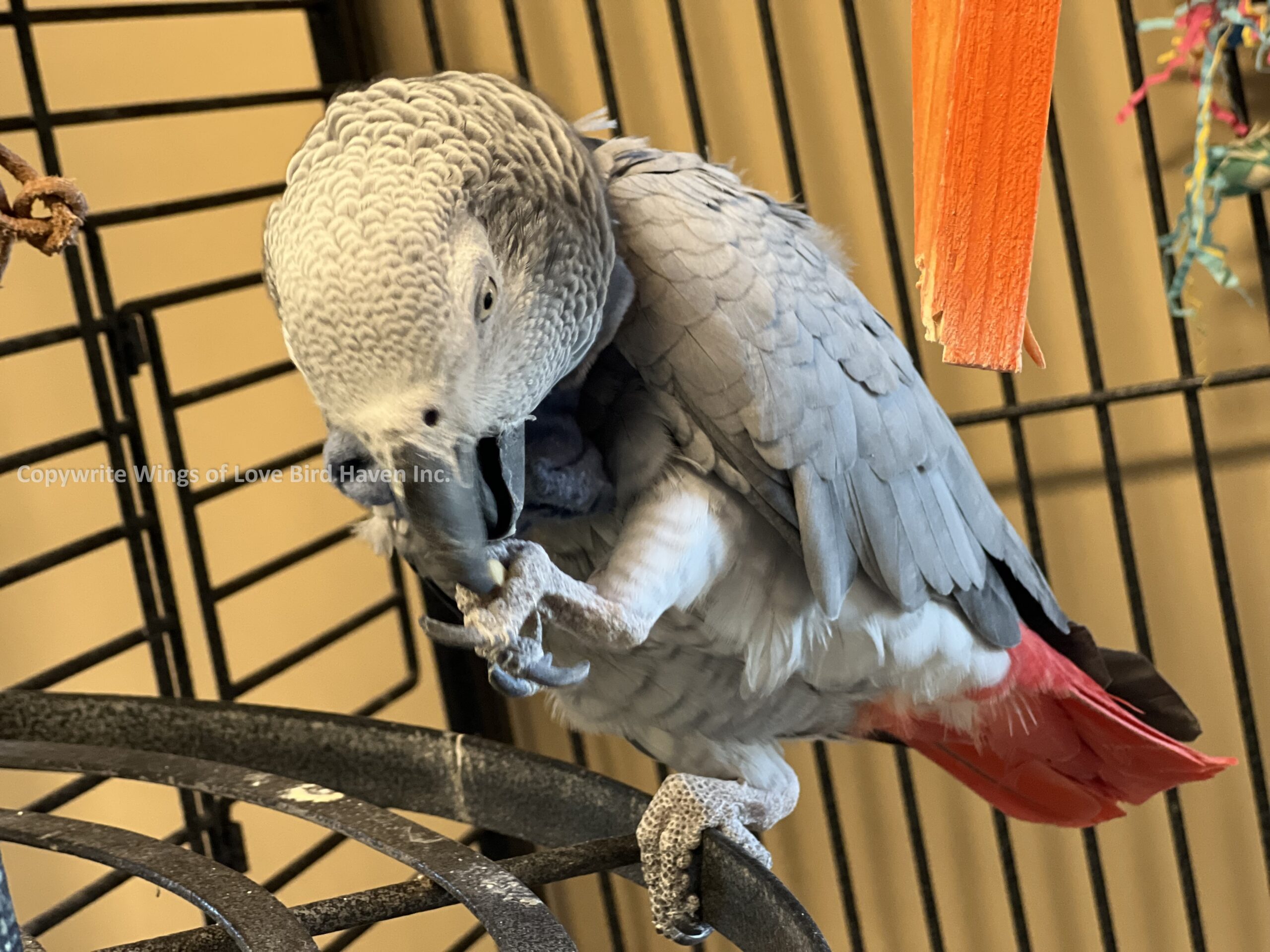
The decision to buy a live bird, whether for companionship, breeding, or as part of a collection, is a significant one that involves careful consideration. For travelers, this decision is further complicated by the need to navigate transportation, accommodation, and the distinct regulations of both Texas and their home state or country. This article will not only point you towards reputable sources but also equip you with the knowledge needed to make an informed choice, integrating seamlessly with your travel plans and lifestyle preferences.
Navigating the Avian Market in Texas: Reputable Sources and Key Considerations
Texas boasts a diverse avian community, ranging from casual pet owners to serious breeders and conservationists. This creates a market rich with opportunities for those looking to purchase specific bird species. However, discerning reputable sources is paramount to ensure the health and well-being of the bird, as well as to avoid unethical practices.
Reputable Breeders and Specialty Pet Stores
The most reliable avenues for purchasing live birds in Texas are through established breeders and dedicated avian pet stores. Unlike general pet stores that might have limited knowledge or care facilities for birds, specialty stores and breeders often possess deep expertise in avian husbandry, genetics, and health.
- Breeders: Directly purchasing from a breeder offers several advantages. You can often see the bird’s parents, inquire about its lineage, and understand the specific care requirements from someone intimately familiar with the species. Many reputable breeders operate small, home-based aviaries, focusing on specific types of birds like parrots (e.g., Macaws, African Greys, Cockatiels), finches, or canaries. They are often members of local or national avian clubs and associations, such as the American Federation of Aviculture (AFA) or the Parrot Breeders Association of Texas. These associations often provide directories of ethical breeders. When visiting a breeder, observe the cleanliness of their facility, the health and behavior of the birds, and their willingness to answer all your questions. A good breeder will prioritize the bird’s welfare over a quick sale.
- Finding Breeders: Online searches for “bird breeders [Texas city]” or “parrot breeder [Texas]” are good starting points. Look for breeders with positive reviews, clear health guarantees, and a commitment to socialization if you’re seeking a pet bird. Some prominent areas for breeders might be found around larger cities like Houston, Dallas, and San Antonio, where there’s a higher demand and infrastructure.
- Specialty Avian Pet Stores: Unlike large chain stores, specialty avian stores focus exclusively on birds, offering a wider variety of species, specialized supplies, and knowledgeable staff. These stores are often run by passionate bird enthusiasts who can provide expert advice on everything from diet to cage setup. They usually source their birds from reputable breeders and prioritize health screenings.
- Examples of locations (hypothetical, as specific stores vary): You might find highly-rated avian specialty stores in cities like Austin, known for its pet-friendly culture, or in suburban areas surrounding Dallas-Fort Worth and Houston. These establishments often feature separate areas for different species, ensuring minimal stress for the birds and a clean environment.
Avian Expos and Bird Marts
For a truly immersive experience and the opportunity to meet multiple breeders and vendors under one roof, avian expos and bird marts are excellent options. These events are often held annually or semi-annually in major Texas cities.
- What to Expect: At these expos, you’ll find a vast selection of birds, from common species to rare exotics. Breeders and vendors set up stalls, showcasing their birds, as well as a wide array of bird supplies, cages, feed, and accessories. It’s an unparalleled opportunity to compare prices, discuss different species with multiple experts, and even find unique birds that might not be available elsewhere. Many expos also feature educational seminars on bird care, training, and health, adding a valuable learning component to your travel experience.
- Planning Your Visit: Check online calendars for avian societies in Texas (e.g., Texas Aviculture Society, Houston Parrot Head Club). Popular venues for such events often include convention centers in Dallas, Houston, or San Antonio. Attending an expo requires planning, especially if you intend to make a purchase. Be prepared to transport your new bird safely, and ensure your accommodation is pet-friendly. These events can be bustling, so arriving early is often recommended for the best selection.
Legalities, Ethics, and Travel Logistics for Your Avian Companion
Acquiring a live bird in Texas, especially as a traveler, involves more than just selecting a species. It requires an understanding of legal frameworks, ethical responsibilities, and the practicalities of traveling with an animal.
Essential Considerations Before Buying
Before making a commitment, it’s crucial to understand the long-term implications of bird ownership. This is especially true for exotic birds, which can have lifespans exceeding 50 years.
- Research Species-Specific Needs: Different bird species have vastly different dietary, environmental, social, and enrichment needs. A macaw, for instance, requires a much larger cage, specialized diet, and significant social interaction compared to a finch. Ensure you can provide an appropriate environment, sufficient time, and financial resources for the bird’s entire lifespan.
- Health Checks and Guarantees: Always request health guarantees and veterinary records from the seller. A reputable breeder or store will have their birds regularly checked by an avian veterinarian. Ask about common diseases for the species you are interested in and what preventative measures are taken. Never purchase a bird that appears lethargic, has ruffled feathers, discharge from eyes or nostrils, or difficulty breathing.
- Legal Ownership: Ensure the species you are interested in is legal to own in Texas and, crucially, in your home state or country. Some exotic species are regulated or require special permits. The Texas Parks and Wildlife Department (TPWD) is the primary resource for state-level regulations.
Travel and Accommodation with Your New Avian Companion
Bringing a new bird into your life, especially while traveling, requires meticulous planning.
- Transportation:
- Road Travel: For travel within Texas or to neighboring states, road travel is often the most straightforward. You’ll need a secure, well-ventilated travel cage. Ensure the bird is comfortable, not exposed to extreme temperatures, and has access to water (though food might be withheld for short trips to prevent motion sickness).
- Air Travel: This is significantly more complex. Most airlines have strict regulations for transporting live animals, particularly exotic birds. You will likely need an approved IATA-compliant carrier, a health certificate issued by a licensed veterinarian (often within 10 days of travel), and potentially specific permits. Some airlines only allow birds as cargo, while others permit small birds in the cabin, often at an additional fee. Research airline policies well in advance and book direct flights where possible to minimize stress on the bird. Consider the climate at your destination and any layovers, as extreme temperatures can be dangerous.
- International Travel: This is the most challenging. It involves customs, import/export permits from both countries, extensive veterinary examinations, and often quarantine periods. Consult the relevant governmental agencies (e.g., USDA in the United States, CITES for endangered species) and the consulate of your destination country months in advance.
- Accommodation: When planning your trip to Texas to acquire a bird, booking pet-friendly accommodation is essential. Many hotels, especially in major cities like Austin, Dallas, and Houston, now welcome pets.
- Research Pet Policies: Look for hotels explicitly stating “bird-friendly” policies, as some “pet-friendly” hotels may only accommodate cats and dogs. Inquire about any additional fees, weight or size restrictions, and specific rules regarding pet presence in rooms. Boutique hotels or extended-stay apartments often have more flexible policies than traditional resorts.
- Booking and Reviews: Websites specializing in pet-friendly travel or specific hotel chains (e.g., La Quinta by Wyndham, Kimpton Hotels) can be invaluable resources. Always call the specific hotel directly to confirm their policies before booking. User reviews often highlight experiences of other pet owners, offering insights into the true pet-friendliness of a place.
- Long-Term Stays: If you’re considering acquiring a bird that requires a short adjustment period or you need to finalize travel arrangements, exploring long-term stay options such as serviced apartments or vacation rentals can be beneficial. These accommodations often provide more space and a home-like environment, reducing stress for your new avian companion.
Beyond the Purchase: Embracing Texas’s Bird-Friendly Culture
While the primary aim might be to purchase a bird, your trip to Texas can also be enriched by exploring the state’s vibrant bird culture and natural avian habitats. This aligns perfectly with a lifestyle centered on appreciating nature and responsible animal stewardship.
Top Birdwatching Destinations in Texas
Texas is a globally recognized birdwatching hotspot, particularly during migration seasons, offering stunning opportunities to observe hundreds of species in their natural environments. This is a perfect way to deepen your connection with avian life and learn more about different species before making a commitment.
- Rio Grande Valley: Often called “The Birdiest Place in America,” the Rio Grande Valley is a critical migratory flyway and home to many species found nowhere else in the United States, such as the Green Jay and Plain Chachalaca. The World Birding Center comprises nine sites across the valley, each offering unique viewing opportunities and guided tours.
- Gulf Coast and Coastal Bend: These areas are crucial stopover points for millions of migratory birds. The Aransas National Wildlife Refuge is famous as the wintering ground for the endangered Whooping Crane. Other notable sites include Galveston Island State Park and Mustang Island State Park, offering excellent opportunities for shorebirds, waterfowl, and raptors.
- Big Bend National Park: In West Texas, this vast park offers dramatic desert and mountain landscapes, hosting unique species like the Colima Warbler, which nests almost exclusively in the Chisos Mountains. It’s a remarkable destination for both birding and experiencing true wilderness.
- Texas State Parks and Wildlife Management Areas: Beyond these famous spots, numerous state parks and wildlife management areas across Texas provide fantastic birding opportunities. Many offer cabins or campsites, allowing for extended stays amidst nature.
- Consider booking a cabin or campsite in parks like Dinosaur Valley State Park near Glen Rose or Caprock Canyon State Park in the panhandle for a rustic yet enriching accommodation experience, blending your love for birds with outdoor adventure.

Avian Sanctuaries and Rescue Organizations
For those interested in the welfare and rehabilitation of birds, visiting an avian sanctuary or rescue organization can be an incredibly rewarding experience. While you cannot purchase birds from these facilities, they offer valuable insights into the care and commitment required for different species. Many offer guided tours, educational programs, and volunteer opportunities, providing a different perspective on avian interaction. Supporting these organizations through donations or volunteering is a fantastic way to contribute to bird welfare. Look for organizations like the National Parrot Rescue and Preservation Foundation or local wildlife rehabilitation centers in Texas.
In conclusion, purchasing a live bird in Texas can be an exciting endeavor, but it is one that demands thorough research, ethical consideration, and careful planning, particularly for travelers. By seeking out reputable breeders and specialty stores, understanding the legal landscape, and meticulously organizing your travel and accommodation, you can ensure a positive experience for both you and your new avian companion. Furthermore, integrating your journey with the diverse birdwatching opportunities and avian culture that Texas offers will undoubtedly enrich your trip, transforming a simple purchase into a holistic avian adventure within the heart of the Lone Star State. Whether you’re a seasoned aviculturist or a first-time owner, Texas provides a unique backdrop for your avian quest, blending responsible acquisition with the joy of discovery and the beauty of its natural world.
LifeOutOfTheBox is a participant in the Amazon Services LLC Associates Program, an affiliate advertising program designed to provide a means for sites to earn advertising fees by advertising and linking to Amazon.com. Amazon, the Amazon logo, AmazonSupply, and the AmazonSupply logo are trademarks of Amazon.com, Inc. or its affiliates. As an Amazon Associate we earn affiliate commissions from qualifying purchases.