
For anyone planning a trip to the Lone Star State, contemplating a move, or simply curious about wellness trends, understanding the legal landscape of CBD in Texas is increasingly important. With its vast landscapes ranging from the bustling metropolises of Houston and Dallas to the historic charm of San Antonio and the vibrant culture of Austin, Texas offers an array of experiences for every type of traveler. As the popularity of Cannabidiol (CBD) products continues to grow, questions about their legality often arise, especially for those navigating different state laws. The good news for visitors and residents alike is that, yes, CBD is legal in Texas, but with crucial caveats and distinctions that everyone should be aware of.
The journey of CBD from a federally prohibited substance to a widely available wellness product is a fascinating one, marked by significant legislative changes at both national and state levels. For travelers exploring Texas’ diverse attractions, from the Alamo to Big Bend National Park, knowing these laws ensures a smooth and worry-free experience, allowing you to focus on the local culture, delicious food, and unforgettable activities. Whether you’re considering staying in a luxury suite in Dallas, a cozy apartment in Austin, or a resort near the Gulf Coast, understanding the legalities surrounding CBD is a vital part of planning your accommodation and overall lifestyle choices in the state.
The Legal Landscape of CBD in Texas
The legality of CBD in Texas is primarily shaped by two pivotal pieces of legislation: the federal 2018 Farm Bill and Texas’ own House Bill 1325. These laws collectively define what constitutes legal CBD and differentiate it from illegal cannabis products. For anyone interested in the wellness benefits or simply curious about the market, grasping these distinctions is paramount.
Hemp vs. Marijuana: A Crucial Distinction
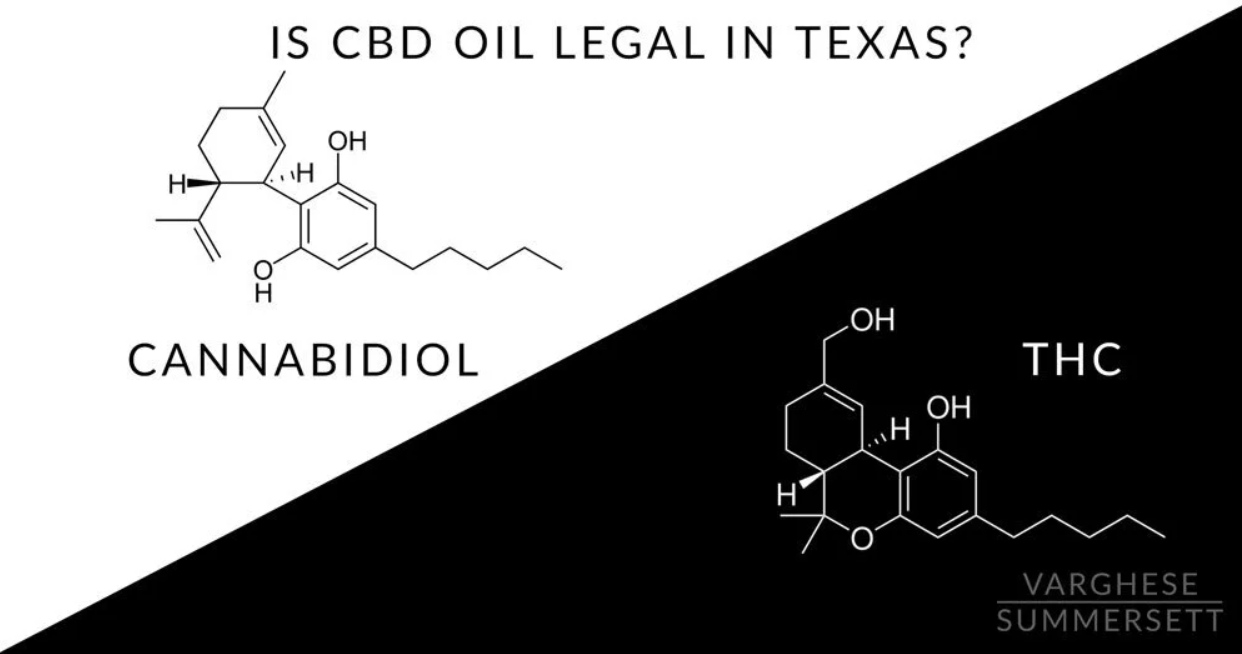
At the heart of CBD legality lies the fundamental difference between hemp and marijuana. Both are varieties of the Cannabis Sativa plant, but their chemical compositions and legal statuses diverge significantly. The 2018 Farm Bill, officially known as the Agriculture Improvement Act of 2018, was a game-changer. It federally legalized hemp by removing it from the list of controlled substances, provided it contains no more than 0.3% Delta-9 THC (tetrahydrocannabinol) on a dry weight basis. THC is the psychoactive compound primarily responsible for the “high” associated with marijuana.
Marijuana, conversely, is defined as any cannabis plant containing more than 0.3% Delta-9 THC. This remains a Schedule I controlled substance under federal law, and its recreational use is illegal in Texas. Medical marijuana is permitted in Texas under very strict conditions through the Texas Compassionate Use Program (TCUP), primarily for specific debilitating conditions and with low-THC cannabis products (up to 0.5% THC). However, this is distinct from general CBD products available to the public. For a traveler, this means that while low-THC CBD products are widely accessible, anything derived from marijuana or exceeding the 0.3% THC threshold is illegal.

Key Texas Legislation Affecting CBD
Following the federal lead, Texas enacted House Bill 1325 (HB 1325) in 2019. This state law officially aligned Texas with the federal definition of hemp, effectively legalizing the cultivation, processing, and sale of hemp-derived products, including CBD, as long as they adhere to the 0.3% Delta-9 THC limit. This legislation was crucial for establishing a legal framework within the state, allowing businesses to operate and consumers to purchase CBD products with confidence.
HB 1325 also established a regulatory program for hemp in Texas, overseen by the Texas Department of Agriculture. This program covers everything from licensing hemp cultivators and processors to setting standards for testing and labeling. The goal is to ensure consumer safety and product quality, which is particularly beneficial for tourists who might be less familiar with local suppliers. This framework provides a level of assurance that products purchased from reputable vendors in Texas are compliant with state law.
What CBD Products Are Permitted?
Under Texas law, a wide variety of hemp-derived CBD products are legal and available for purchase. These include:
- CBD Oils and Tinctures: Designed for sublingual (under the tongue) administration.
- CBD Edibles: Gummies, chocolates, beverages, and other food items infused with CBD.
- CBD Topicals: Creams, balms, lotions, and salves applied to the skin.
- CBD Capsules and Softgels: Convenient, pre-dosed options.
- Vaporizers (Vapes): Devices used to inhale CBD vapor, though rules around smokable hemp flower have seen some controversy and clarification.
It is important to note that while most CBD products are legal, there was some initial confusion and restriction regarding smokable hemp flower in Texas. Initially, a ban was placed on the manufacturing and processing of smokable hemp flower for sale to consumers. However, court rulings have since challenged and largely overturned this ban, meaning smokable hemp products are generally available, though local regulations might still vary. For the traveler, this means exercising discretion and ensuring any purchased products explicitly state “hemp-derived” and list their THC content.
Navigating CBD as a Traveler in Texas
For travelers, the legal status of CBD isn’t just about what you can buy, but also how you can transport and use it. Exploring destinations like the Houston Space Center or the San Antonio River Walk should be stress-free, and understanding CBD rules is part of that.
Flying with CBD: What You Need to Know
Traveling by air with CBD products within the United States can be a source of anxiety for many. The Transportation Security Administration (TSA) follows federal guidelines. This means that hemp-derived CBD products containing no more than 0.3% Delta-9 THC are generally permitted in both carry-on and checked luggage. The TSA’s guidance specifically states that “products that contain CBD and less than 0.3 percent THC are legal under the 2018 Farm Bill.”
However, there are still crucial considerations:
- Proof of Compliance: While not legally required, having the product’s Certificate of Analysis (COA) readily available can be helpful if questioned. This document, typically found via a QR code on the packaging or on the manufacturer’s website, verifies the THC content.
- Liquid Rules: If you’re carrying CBD oils or tinctures in your carry-on, they must adhere to the TSA’s 3-1-1 rule for liquids (containers no larger than 3.4 ounces or 100 milliliters, placed in a 1-quart-sized bag).
- International Travel: This guidance applies only to domestic flights within the U.S.. Never attempt to fly internationally with CBD, as laws vary wildly and can lead to severe penalties.
- Airport Specifics: While the general rule holds, major Texas airports like Dallas/Fort Worth International Airport (DFW), George Bush Intercontinental Airport (IAH) in Houston, and Austin-Bergstrom International Airport (AUS) operate under federal regulations. Your main concern should be ensuring your product meets the federal hemp definition.
CBD and Texas Accommodation: Hotels and Resorts
When booking your stay in Texas, whether it’s a luxurious resort on South Padre Island, a boutique hotel in Austin, or a family-friendly villa near Galveston, it’s important to understand the nuances of CBD use in private accommodations. While CBD is legal statewide, individual properties, like any private business, reserve the right to establish their own rules regarding its use on their premises.
Most hotels and resorts will not explicitly prohibit legal CBD products, especially tinctures, edibles, or topicals that don’t produce smoke or vapor. However, using smokable CBD products (like vapes or hemp flower) might fall under their general smoking policies. Many hotels have strict no-smoking policies in rooms, even for tobacco, and this would likely extend to smokable hemp.
It’s always a good practice to:
- Check Policies: If you plan on using CBD in a form that produces smoke or vapor, consider calling your hotel or accommodation provider in advance to inquire about their specific policies.
- Be Discrete: For non-smokable forms, discretion is key. Treat CBD products like any other personal wellness item.
- Private Rentals: For apartments or villas booked through platforms, landlords or hosts may have their own rules. Review these carefully during the booking process.
Where to Purchase Legal CBD in Texas
Finding legitimate CBD products in Texas is relatively easy, especially in larger cities. You can find them in:
- Dedicated CBD Shops: Many cities have specialty stores focused entirely on CBD products.
- Health Food Stores: Popular health and wellness retailers often stock a range of CBD items.
- Pharmacies and Grocery Stores: Some chains have begun carrying CBD products, particularly topicals and edibles.
- Online Retailers: Purchasing online from reputable brands that ship to Texas is also an option, often providing a wider selection and detailed product information.
When purchasing, always look for:
- Clear Labeling: Products should clearly state “hemp-derived” and list the THC content (0.3% or less).
- Third-Party Lab Testing (COA): Reputable brands will provide a Certificate of Analysis from an independent lab, verifying cannabinoid content and absence of contaminants.
- Reputation: Stick to well-known brands with positive reviews and transparent practices.
Exploring Texas: Lifestyle, Tourism, and CBD Considerations
Texas offers a diverse range of tourism and lifestyle experiences, from bustling urban centers to serene natural wonders. Understanding how CBD fits into these adventures can enhance your trip.
CBD and Texas Landmarks: A Tourist’s Perspective
Whether you’re visiting historical landmarks like the Alamo in San Antonio, marveling at the natural beauty of Guadalupe Mountains National Park, or exploring the vibrant culture of Austin’s music scene, legal CBD can seamlessly integrate into your wellness routine. For travelers seeking relaxation after a long day of sightseeing or looking to manage travel-related stress, CBD offers a non-intoxicating option.
Imagine unwinding with a CBD edible after a challenging hike in Palo Duro Canyon State Park, or using a CBD topical to soothe tired muscles after exploring the Fort Worth Stockyards National Historic District. The key is responsible use and adherence to public consumption laws. While buying and possessing CBD is legal, public consumption of any smokable product might still be frowned upon or subject to local ordinances regarding smoking in public spaces. Always be mindful of your surroundings and local etiquette.
Enjoying Texas Culture with Legal CBD Products
Texas is famous for its unique local culture, distinct food, and diverse activities. From savoring barbecue in Lockhart to dancing in a honky-tonk in Gruene, incorporating CBD into your lifestyle choices while exploring the state is straightforward. For those on a budget travel adventure, CBD products are available at various price points, making them accessible to a wide range of visitors. Similarly, for those indulging in luxury travel, high-end CBD boutiques and spa treatments are increasingly common, especially in cities like Houston and Dallas.
Consider trying CBD-infused beverages or snacks from local vendors, which are becoming popular additions to the Texan culinary scene. This allows visitors to experience a unique blend of wellness and local flavor. For those traveling with family trips, CBD can be a personal tool for relaxation, but always ensure products are stored safely and out of reach of children. Remember that while CBD is legal, discretion in its use is always advised in public settings.
The Future of CBD in the Lone Star State
The trajectory of CBD in Texas and across the U.S. continues to evolve. While hemp-derived CBD is firmly established as legal, ongoing discussions surround potential changes to the THC limit, the regulation of specific product types (like Delta-8 THC, which has seen complex legal battles), and broader cannabis reform. For travelers and residents, staying informed about these developments is key.
The economic impact of the hemp and CBD industry in Texas is significant, contributing to agricultural growth, new businesses, and job creation. This robust market infrastructure suggests that CBD will remain a prominent feature of the Texan landscape, continually adapting to consumer demand and legislative updates. The future likely holds even greater accessibility and diversity of products, further solidifying CBD’s place in the lifestyle and wellness routines of many.
Understanding CBD: Benefits and Safe Use
Beyond its legal status, understanding what CBD is and how to use it safely is vital for any consumer, especially a traveler. Many choose CBD as a part of their wellness routine for various reasons.
Potential Wellness Benefits for Travelers
For individuals on the go, CBD is often praised for its potential to support general well-being without the psychoactive effects associated with THC. Some of the benefits that might appeal to travelers include:
- Stress and Anxiety Relief: Travel can be stressful. CBD may help promote a sense of calm and reduce anxiety.
- Improved Sleep: Changes in time zones or unfamiliar beds can disrupt sleep. CBD is often used to encourage more restful sleep.
- Pain and Inflammation Management: Long flights, extensive walking, or new activities can lead to aches and pains. CBD topicals or oils might offer relief.
- General Well-being: Many users report an overall feeling of balance and improved mood.
It’s important to remember that CBD’s effects can vary from person to person, and it is not intended to diagnose, treat, cure, or prevent any disease. Always consult with a healthcare professional, especially if you have underlying health conditions or are taking other medications.
Tips for Responsible CBD Consumption
To ensure a positive and safe experience with CBD while traveling through Texas, consider these tips:
- Start Low, Go Slow: If you are new to CBD, begin with a small dose and gradually increase it until you find the desired effect.
- Read Labels Carefully: Pay attention to the CBD content, THC levels (ensuring it’s below 0.3%), and other ingredients.
- Check for Third-Party Testing: Always opt for products that come with a Certificate of Analysis (COA) from an independent lab. This verifies potency and purity.
- Be Aware of Drug Interactions: CBD can interact with certain medications. Consult your doctor before using CBD if you are on prescription drugs.
- Stay Hydrated: This is good advice for any traveler, but especially relevant when trying new supplements.
- Know Your Local Laws: While CBD is legal in Texas, if you’re traveling to other states or countries, always research their specific laws beforehand.
In conclusion, the question “Is CBD legal in Texas?” can be confidently answered with a “yes,” provided the product adheres to the crucial 0.3% Delta-9 THC limit. This clarity allows travelers and residents to explore Texas’s rich tapestry of destinations, attractions, and experiences with an understanding of how CBD fits into the broader lifestyle and wellness landscape of the Lone Star State. By staying informed and consuming responsibly, you can fully enjoy everything Texas has to offer, from its vibrant cities to its stunning natural beauty.
LifeOutOfTheBox is a participant in the Amazon Services LLC Associates Program, an affiliate advertising program designed to provide a means for sites to earn advertising fees by advertising and linking to Amazon.com. Amazon, the Amazon logo, AmazonSupply, and the AmazonSupply logo are trademarks of Amazon.com, Inc. or its affiliates. As an Amazon Associate we earn affiliate commissions from qualifying purchases.