
Nevada, often referred to as the Silver State, is a land of vibrant contrasts, from the dazzling neon glow of Las Vegas to the tranquil, starlit skies of its vast deserts and the pristine alpine beauty of Lake Tahoe. Whether you’re planning a thrilling getaway, a serene natural escape, or a productive business trip, understanding the local time is a fundamental aspect of seamless travel and an enjoyable experience. For most visitors and residents, the simple answer to “What time is it in Nevada?” is that the state primarily observes the Pacific Time Zone. This means it switches between Pacific Standard Time (PST) during the cooler months and Pacific Daylight Time (PDT) when the days grow longer. However, like many things in life, there’s a nuance that makes knowing the exact time a little more interesting, especially for those venturing to its easternmost reaches.
The implications of Nevada’s time zone extend far beyond merely setting your watch. It influences everything from flight schedules and hotel check-in times to the operating hours of world-class attractions, dining reservations, and the timing of unforgettable outdoor adventures. For travelers arriving from different parts of the United States or international destinations, adjusting to the local time can be a critical factor in mitigating jet lag and maximizing their valuable vacation days. This comprehensive guide will delve into the intricacies of Nevada’s time, offering practical advice for planning your itinerary, making the most of your visit, and ensuring your Nevada experience is perfectly synchronized.
Understanding Nevada’s Time Zone: PST and PDT
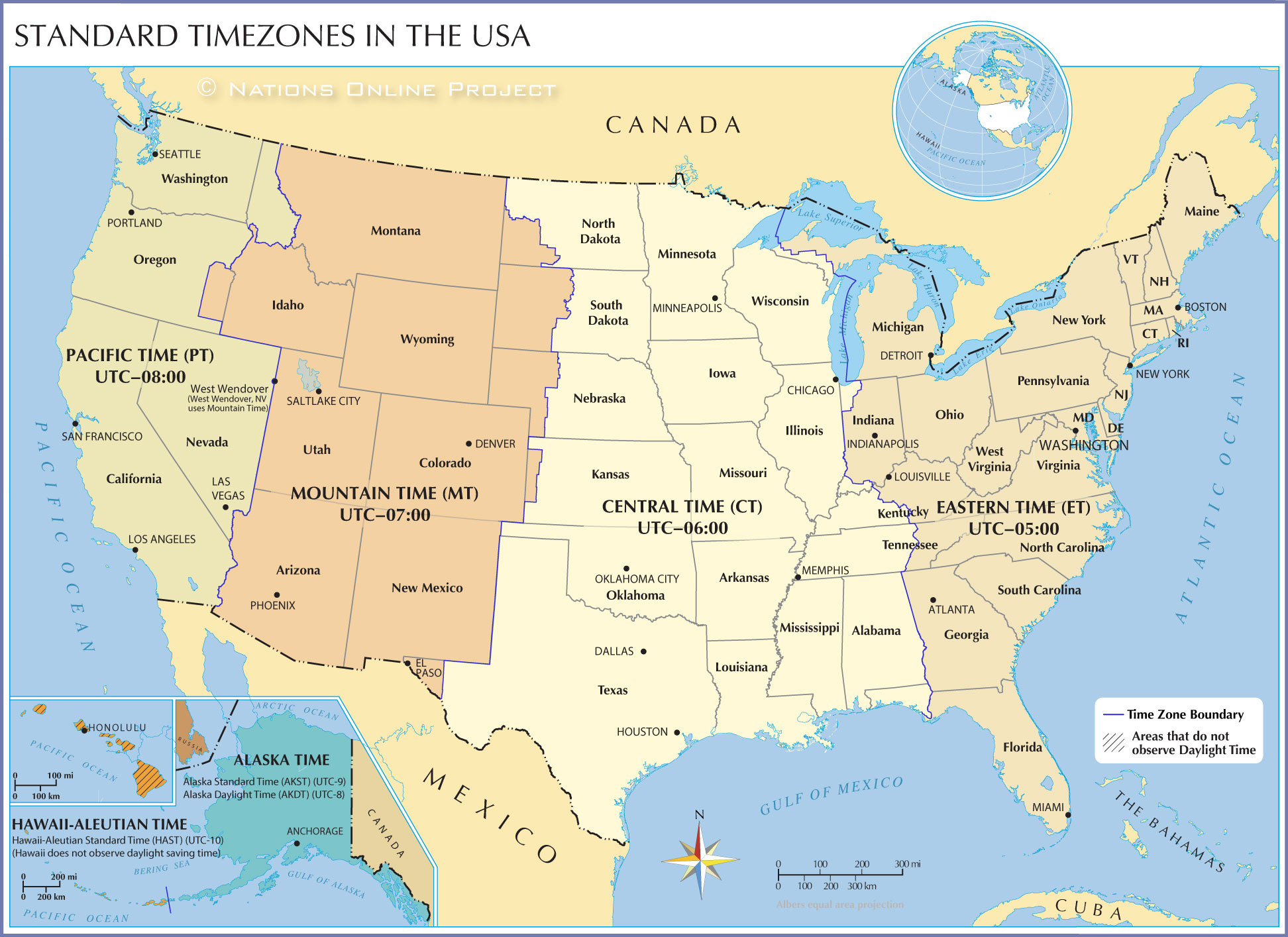
For the vast majority of its geographical area and population centers, Nevada operates on the Pacific Time Zone. This time zone is shared with neighboring states like California, Oregon, and Washington, creating a consistent rhythm across much of the American West Coast. The observance of Daylight Saving Time means that Nevada alternates between two distinct time settings throughout the year.
Pacific Standard Time (PST): The Winter Clock
During the fall and winter months, typically from early November to mid-March, Nevada observes Pacific Standard Time (PST). This is defined as Coordinated Universal Time minus eight hours (UTC-8). For travelers arriving from the Eastern Time Zone (UTC-5), this translates to a three-hour time difference, meaning 10:00 AM on the East Coast would be 7:00 AM in Nevada. This difference can be significant for flight arrivals, hotel check-ins, and early morning tours. Many visitors find that the earlier sunrise and sunset in PST still allow for ample daylight for winter sports around Lake Tahoe or exploring urban attractions, even if the evenings arrive sooner.
Pacific Daylight Time (PDT): Embracing the Longer Days
As spring arrives, usually on the second Sunday in March, Nevada springs forward into Pacific Daylight Time (PDT). This adjustment pushes the clock forward by one hour, making it Coordinated Universal Time minus seven hours (UTC-7). PDT remains in effect until the first Sunday in November. The shift to PDT means later sunsets, allowing for extended daylight hours ideal for outdoor activities like hiking in Red Rock Canyon near Las Vegas, enjoying an evening boat ride on Lake Mead, or simply lingering longer at a resort pool. This extra hour of daylight is a boon for tourism, enabling more experiences to be packed into each day, from scenic drives to enjoying alfresco dining.
The Curious Case of West Wendover
While the vast majority of Nevada adheres to the Pacific Time Zone, there is a notable exception: the city of West Wendover in Elko County, located right on the border with Utah. Due to its unique geographical and economic ties with its sister city, Wendover, Utah, West Wendover observes the Mountain Time Zone (MST/MDT). This means that West Wendover is one hour ahead of the rest of Nevada. For instance, when it’s 10:00 AM in Las Vegas, it’s 11:00 AM in West Wendover. This distinction is crucial for anyone traveling through or visiting this specific border town, as casinos, hotels, and businesses in West Wendover operate on Mountain Time. Always double-check your devices and local signage if your itinerary takes you to this fascinating exception.
Time-Sensitive Travel: Planning Your Nevada Adventure
The time zone isn’t just an arbitrary setting on your phone; it’s a critical element in planning every aspect of your Nevada trip. From the moment you book your flight to the last souvenir you purchase, time plays a pivotal role in ensuring a smooth and enjoyable experience.
Flights, Check-ins, and Accommodations
For many travelers, especially those crossing multiple time zones, the biggest initial challenge is jet lag. Arriving from the East Coast to Las Vegas or Reno means gaining three hours, which can be disorienting. Planning your flight arrival for the late afternoon or early evening in Nevada can allow you to check into your accommodation – be it a luxury suite at The Cosmopolitan of Las Vegas, a family-friendly resort in Henderson, or a charming apartment in Downtown Las Vegas – and settle in before a relatively early bedtime, helping you adjust faster.
Hotel check-in and check-out times are strictly observed, typically around 3:00 PM or 4:00 PM for check-in and 11:00 AM or 12:00 PM for check-out. If your flight arrives significantly earlier than check-in, consider requesting an early check-in or planning an activity that doesn’t require immediate access to your room. Similarly, late departures might necessitate a late check-out request (often for an additional fee) or utilizing luggage storage services offered by resorts like Resorts World Las Vegas or Bellagio Hotel to enjoy your last few hours unencumbered. Coordinating with transportation services, whether a shuttle from Harry Reid International Airport or a rental car pick-up, also requires precise timing to avoid unnecessary waiting.
Maximizing Your Nevada Experience: Attractions and Activities
Nevada’s diverse attractions operate on their own schedules, all governed by the local time zone. For instance, catching the world-renowned shows and performances in Las Vegas requires meticulous timing for ticket booking and arrival. A 7:00 PM show starts at 7:00 PM Pacific Time. Similarly, securing prime reservations at acclaimed restaurants within resorts like Wynn Las Vegas or Caesars Palace means adhering to PST/PDT.
Beyond the urban glitter, Nevada’s natural wonders also demand time-conscious planning. A day trip to the Grand Canyon (specifically the West Rim, which is in Nevada’s time zone) or the engineering marvel of the Hoover Dam often involves early departures to maximize exploration time and avoid peak crowds. Many tour operators will specify their pick-up times in local Nevada time.
For outdoor enthusiasts exploring Red Rock Canyon, Valley of Fire State Park, or the recreational opportunities around Lake Tahoe – from hiking and biking in summer to skiing and snowboarding in winter – understanding daylight hours is paramount. During PDT, the extended daylight offers more time for afternoon adventures, while during PST, planning to be off trails or slopes before sunset is crucial for safety. Always check the specific opening and closing times for visitor centers, park gates, and guided tours, as these are all synced to the local Pacific Time.
Dining and Nightlife: A Timeless Pursuit (with a Clock)
Nevada’s, especially Las Vegas, is famous for its vibrant dining scene and 24/7 nightlife. While it often feels like “the city that never sleeps,” even these round-the-clock operations run on a clock. Happy hour specials at various lounges typically adhere to specific PST/PDT windows. Restaurant reservations, especially for high-demand fine dining establishments, are made and honored according to local time. Brunch spots in Henderson or Reno open at standard morning hours, and late-night eateries cater to the post-show crowd long after midnight, all within the context of Pacific Time. For those enjoying Las Vegas’s famous pool parties or nightclubs, gates open and close at set times, and knowing the local clock is essential for enjoying the full experience.
Lifestyle and Business in the Silver State
Beyond tourism, the time zone also shapes the daily lives of residents and those conducting business within Nevada, impacting everything from remote work schedules to family routines.
Remote Work and Business Travel
For business professionals or digital nomads working remotely from Nevada, coordinating with colleagues in different time zones is a constant consideration. Being on Pacific Time means a significant time difference from the East Coast (three hours behind) and Europe (nine hours behind London, for example). This can translate into early morning calls or late-evening meetings to bridge the gap. For business travelers attending conferences or conventions in Las Vegas or Reno, understanding the schedule in advance and adjusting to the local time upon arrival is crucial for punctuality and productivity. Many conference centers and hotels cater to this by displaying multiple time zones, but personal adjustment remains key.
Family Trips and Budgeting Time
Families traveling to Nevada often face the added challenge of adjusting children’s sleep schedules. The three-hour difference from the East can mean cranky kids in the morning or bedtime battles in the evening. Planning activities that align with a gradual time adjustment, perhaps starting with later morning activities and pushing bedtime back slowly, can help. Scheduling breaks and downtime is also important to prevent over-scheduling and burnout, especially when managing varied interests and energy levels within the family. Making the most of daylight hours for outdoor fun and allocating evenings for more relaxed entertainment can lead to a more harmonious family vacation.
Embracing the Nevada Rhythm
Life in Nevada, particularly in its major tourist hubs, has a unique rhythm influenced by its time zone. Las Vegas famously starts “late” compared to East Coast cities, with restaurants and shops often opening later in the morning and staying open much later into the night. This pace suits the entertainment-driven culture, encouraging visitors to embrace the later hours. In contrast, more rural areas or towns catering to outdoor activities like Boulder City or those near Great Basin National Park might operate on a more traditional schedule, with businesses closing earlier. Learning to tune into this local rhythm, whether it’s the perpetual buzz of the Las Vegas Strip or the serene quiet of a desert sunrise, is part of experiencing the true essence of Nevada.
Navigating Time Across Nevada’s Diverse Landscapes
The perception and practical application of time can shift dramatically as you traverse Nevada’s varied terrain, from its bustling urban centers to its tranquil wilderness.
From Urban Lights to Desert Nights
In cities like Las Vegas and Reno, the abundance of artificial light and 24-hour operations can make time feel somewhat fluid, especially to a visitor enjoying a long night out. However, step away from the neon and into the vast wilderness of Nevada’s desert or mountain ranges, and the natural clock reasserts itself. Sunrise and sunset times become critical markers for hikers, photographers, and stargazers. Observing Pacific Daylight Time in summer means later sunsets, perfect for capturing golden hour photos or embarking on a twilight hike. In contrast, Pacific Standard Time means earlier darkness, ideal for experiencing the profound beauty of Nevada’s dark skies at locations like Great Basin National Park, where stargazing is a premier activity.
Seasonal variations also heavily influence daylight hours. In the height of summer, Nevada enjoys very long days, with daylight stretching well past 8:00 PM, particularly beneficial for those engaging in outdoor recreational activities. In winter, days are considerably shorter, necessitating earlier planning for excursions. Understanding these seasonal shifts and how they interact with PST/PDT is essential for any itinerary that includes exploring the state’s natural beauty.
The Practicalities: Devices and Daily Routines
In our hyper-connected world, most modern smartphones and devices automatically adjust to the local time zone, greatly simplifying travel. However, it’s always a good practice to double-check that your phone has correctly updated upon arrival. For those relying on analog watches or older devices, manual adjustment will be necessary. When making appointments, reservations, or coordinating meet-ups, always confirm that you are discussing the time in Pacific Time (PST or PDT, depending on the season) to avoid confusion. This is especially vital if you’re communicating with people in other time zones or traveling to the unique exception of West Wendover.
In conclusion, knowing “What time is it in Nevada?” is more than a simple query; it’s a foundational piece of knowledge that underpins a successful and enjoyable visit. Predominantly operating within the Pacific Time Zone with its seasonal shifts to Daylight Saving Time, and with the unique exception of West Wendover, Nevada’s clock sets the pace for every experience. From the glamour of Las Vegas to the serenity of its natural landscapes, being time-aware ensures that every moment of your journey is perfectly orchestrated, allowing you to fully immerse yourself in all the Silver State has to offer.
LifeOutOfTheBox is a participant in the Amazon Services LLC Associates Program, an affiliate advertising program designed to provide a means for sites to earn advertising fees by advertising and linking to Amazon.com. Amazon, the Amazon logo, AmazonSupply, and the AmazonSupply logo are trademarks of Amazon.com, Inc. or its affiliates. As an Amazon Associate we earn affiliate commissions from qualifying purchases.