
The perception of “cheap” homes in Texas often sparks curiosity, especially when considering the state’s booming economy and rapid population growth. For many, the idea of owning a spacious home with a yard, often at a price significantly lower than in other major metropolitan areas across the United States, seems almost too good to be true. This affordability is a cornerstone of the Texas lifestyle, influencing everything from daily commutes and family budgets to the potential for travel and leisure.
This article delves into the multifaceted reasons behind the relative affordability of homes in the Lone Star State. We’ll explore the economic drivers, the unique land and development policies, the appealing tax structure, and the overall cost of living that contribute to this phenomenon. Understanding these factors not only sheds light on the real estate market but also reveals why Texas has become such a magnet for individuals and families seeking a higher quality of life without the prohibitive housing costs often found in states like California or New York. For those interested in travel, lifestyle, and accommodation, the implications of affordable housing extend far beyond property values, impacting disposable income, opportunities for adventure, and the very fabric of local culture.
The Economic Engine: Robust Growth Meets Affordability
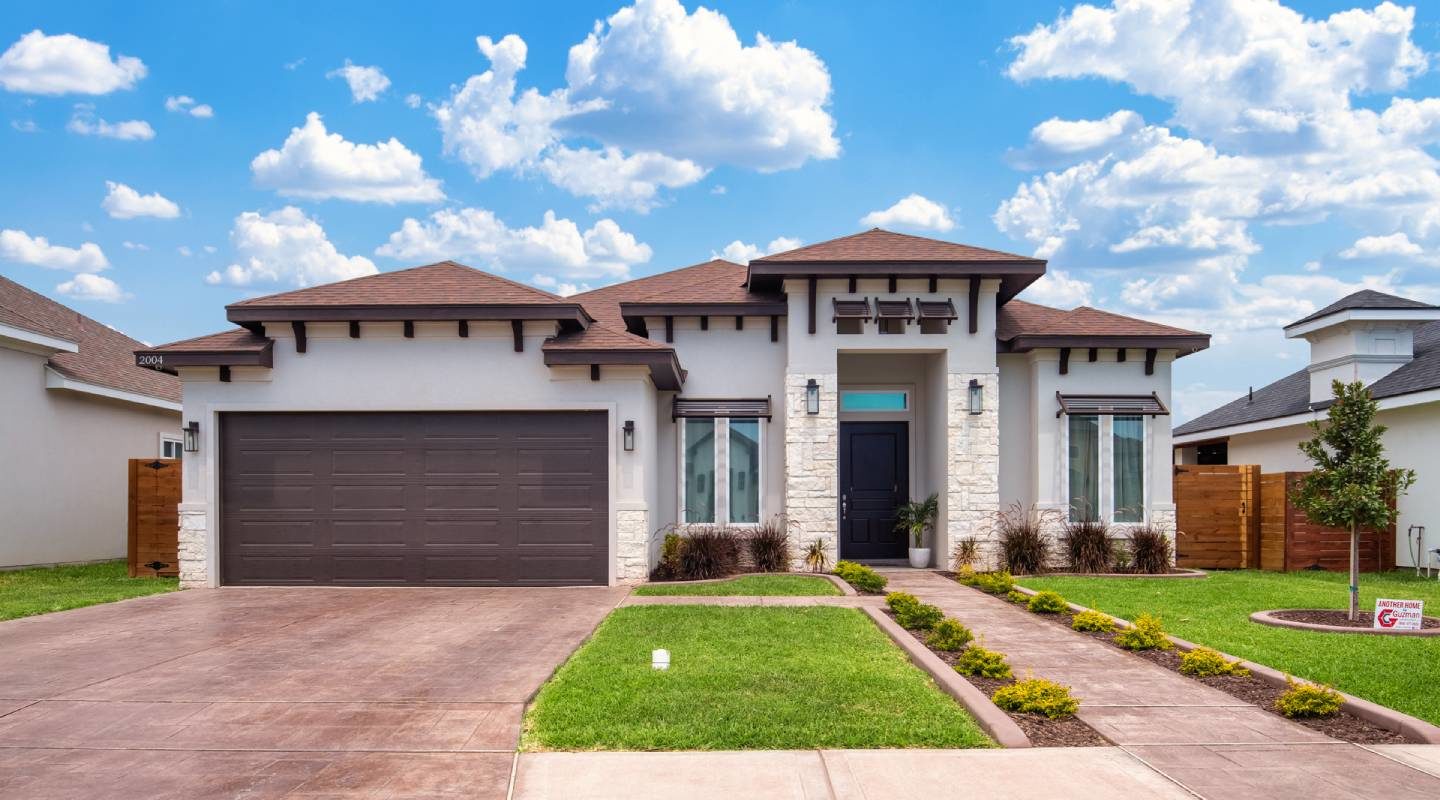
Texas’s economic landscape is one of its most compelling attributes. The state boasts a diverse and resilient economy, often ranking among the top in the nation for job creation and economic output. This robust growth, however, hasn’t translated into exorbitant housing prices across the board, primarily due to a unique blend of factors that ensure supply can largely keep pace with demand.
Diverse and Booming Industries
The strength of the Texas economy is not reliant on a single sector. While historically known for energy, particularly in cities like Houston, the state has successfully diversified its economic base. Technology, finance, healthcare, manufacturing, and aerospace have all seen significant expansion. Major corporations, including Amazon, Apple, Google, Facebook, Tesla, Samsung, Oracle, and Dell, have established or expanded their operations here, bringing high-paying jobs and attracting talent from across the globe.
- Energy Sector: Houston remains the energy capital of the world, with a vast network of oil and gas companies, refining operations, and related services concentrated in its Energy Corridor. This sector provides stable, well-paying jobs that contribute to the overall economic health of the region.
- Technology Hubs: Austin, often dubbed “Silicon Hills,” is a thriving hub for tech startups and established giants alike. Dallas and Fort Worth are also growing their tech presence, attracting a young, innovative workforce.
- Healthcare and Biosciences: The Texas Medical Center in Houston is the largest medical complex in the world, fostering groundbreaking research and providing extensive employment opportunities. Other major cities like Dallas and San Antonio also have significant healthcare industries.
- Finance and Corporate Headquarters: Dallas and Plano have become major centers for corporate headquarters, housing companies like JP Morgan Chase, Wells Fargo, and Bank of America, further bolstering the job market.
This diversity creates a robust job market that draws new residents, fueling demand for housing. However, unlike in some other booming economies, Texas’s ability to expand its housing stock means that this demand doesn’t always lead to runaway price increases.
Population Growth and Internal Migration
Texas consistently ranks among the top states for population growth. People are flocking to Texas from other states, particularly California and New York, seeking better job prospects, a lower cost of living, and an improved quality of life. This influx of residents creates a perpetual demand for housing. Yet, the state has largely managed to accommodate this growth without prices spiraling out of control, a testament to its land availability and development policies. The balance between strong job growth and a continuous supply of new homes is a critical factor in maintaining affordability.
The Land Factor: Abundance and Development Policies
One of the most significant explanations for Texas’s affordable housing market lies in its sheer size and the policies governing land use and development. Unlike dense coastal states, Texas benefits from vast expanses of developable land, particularly outside the core urban centers.
Ample Land for Expansion
Texas is the second-largest state in the United States by both area and population. This immense size translates directly into a plentiful supply of land, especially on the fringes of its major cities. While urban cores like downtown Austin or Dallas can be expensive, the ability for development to expand outwards into suburban and exurban areas is relatively unhindered. This contrasts sharply with states where geographical barriers (mountains, oceans) or strict greenbelt policies limit urban sprawl.
- Suburban and Exurban Growth: Developers in Texas have ample space to build large-scale master-planned communities, which often include schools, parks, and retail centers. This continuous outward expansion provides a steady stream of new housing units, from single-family homes to townhouses, at various price points.
- Less Restrictive Zoning: Many Texas cities have less restrictive zoning regulations compared to their counterparts in other states. This often means fewer bureaucratic hurdles and lower costs for developers to acquire land and construct new homes. While some critics point to the environmental impact of sprawl, it undeniably contributes to housing affordability by increasing supply.
- Faster Construction: The streamlined permitting processes and availability of land often mean that housing projects can be completed more quickly. This speed helps to prevent significant supply shortages that could drive up prices.
This constant availability of new inventory helps to moderate price increases, even in the face of strong demand from population growth. It’s a supply-side solution to the housing crisis that many other states struggle to implement.
The Fiscal Framework: Tax Advantages and Cost of Living

Beyond land and economic growth, the fiscal policies of Texas play a pivotal role in maintaining its reputation for affordability. The state’s tax structure and the overall cost of living significantly impact how much residents need to earn to maintain a comfortable lifestyle, and consequently, how much they can allocate to housing.
No State Income Tax
One of the most significant financial advantages of living in Texas is the absence of a state income tax. This means residents retain a larger portion of their earnings compared to those in states with high income taxes like California or New York. While property taxes in Texas are generally higher to compensate for the lack of income tax, for many homeowners, the overall tax burden can still be lower, especially when considering the significant difference in home prices.
- Higher Disposable Income: With no state income tax, individuals and families have more disposable income. This extra money can be put towards a mortgage, savings, or lifestyle expenditures like travel, dining, or entertainment, making the overall cost of living feel more manageable.
- Attractive to Businesses: The favorable tax environment also attracts businesses to the state, creating more job opportunities and further fueling the economy. Companies often choose Texas due to lower operating costs, which can translate into better wages for employees or more competitive pricing for goods and services.
This financial structure significantly contributes to the perception and reality of affordability, making a Texas paycheck stretch further than in many other high-tax states.
Lower Overall Cost of Living
While housing is a major component, the general cost of living in Texas is often lower across the board when compared to coastal megacities. Groceries, utilities, transportation, and services tend to be more affordable, which further enhances the appeal of the state.
- Transportation: Fuel prices are often lower, and extensive highway networks, particularly in major metro areas like the Dallas-Fort Worth Metroplex and Houston, make commuting relatively straightforward, even if public transportation options are not as extensive as in some older cities. The cost of car ownership and insurance can also be more competitive.
- Utilities: While air conditioning usage can be high in the summer, the overall cost of utilities often compares favorably to other states, thanks to competitive energy markets and abundant natural resources.
- Consumer Goods and Services: A robust retail sector and strong competition mean that everyday goods and services are often priced affordably. From dining out to entertainment, the options are plentiful and often less expensive than in comparable markets elsewhere.
This combination of lower housing costs and a generally lower cost of living allows residents to enjoy a higher standard of living, providing more opportunities for budgeting towards travel, luxury experiences, or simply enjoying the rich local culture.
Lifestyle Implications: More Than Just a Place to Live
The affordability of homes in Texas has profound implications for the lifestyle of its residents, directly linking back to the core themes of travel, accommodation, and diverse experiences that our website focuses on. Lower housing expenses translate into greater financial flexibility, opening doors to a wider array of activities and opportunities.
Enhanced Quality of Life and Leisure
With less of their income tied up in mortgage payments or rent, Texas residents often have more disposable income to spend on leisure, entertainment, and personal enrichment. This directly impacts travel habits and the ability to enjoy local attractions.
- Increased Travel Opportunities: For many, the dream of international travel or frequent domestic trips becomes more attainable when monthly housing costs are lower. Families can save for a trip to Europe, a cruise to the Caribbean, or weekend getaways to Texas’s diverse destinations like Big Bend National Park, Guadalupe Mountains National Park, or the serene Hill Country wine regions.
- Local Exploration: The state itself offers an incredible variety of experiences. From the vibrant nightlife and music scene of Austin (home to South by Southwest) to the historic Alamo and picturesque Riverwalk in San Antonio, or the world-class museums in Houston’s Museum District and Dallas’ arts district, there’s always something new to discover. Lower living costs mean enjoying these local treasures more frequently is feasible.
- Luxury Experiences: Affordability doesn’t just mean budget travel. For those seeking luxury, more disposable income allows for indulging in premium hotels, fine dining, or high-end shopping at places like The Galleria in Houston or Dallas. It might mean being able to afford that McLaren, Ferrari, Rolls-Royce, BMW, or Mercedes-Benz or a stay at a top-tier resort without feeling financially stretched.
Family Living and Business Stays
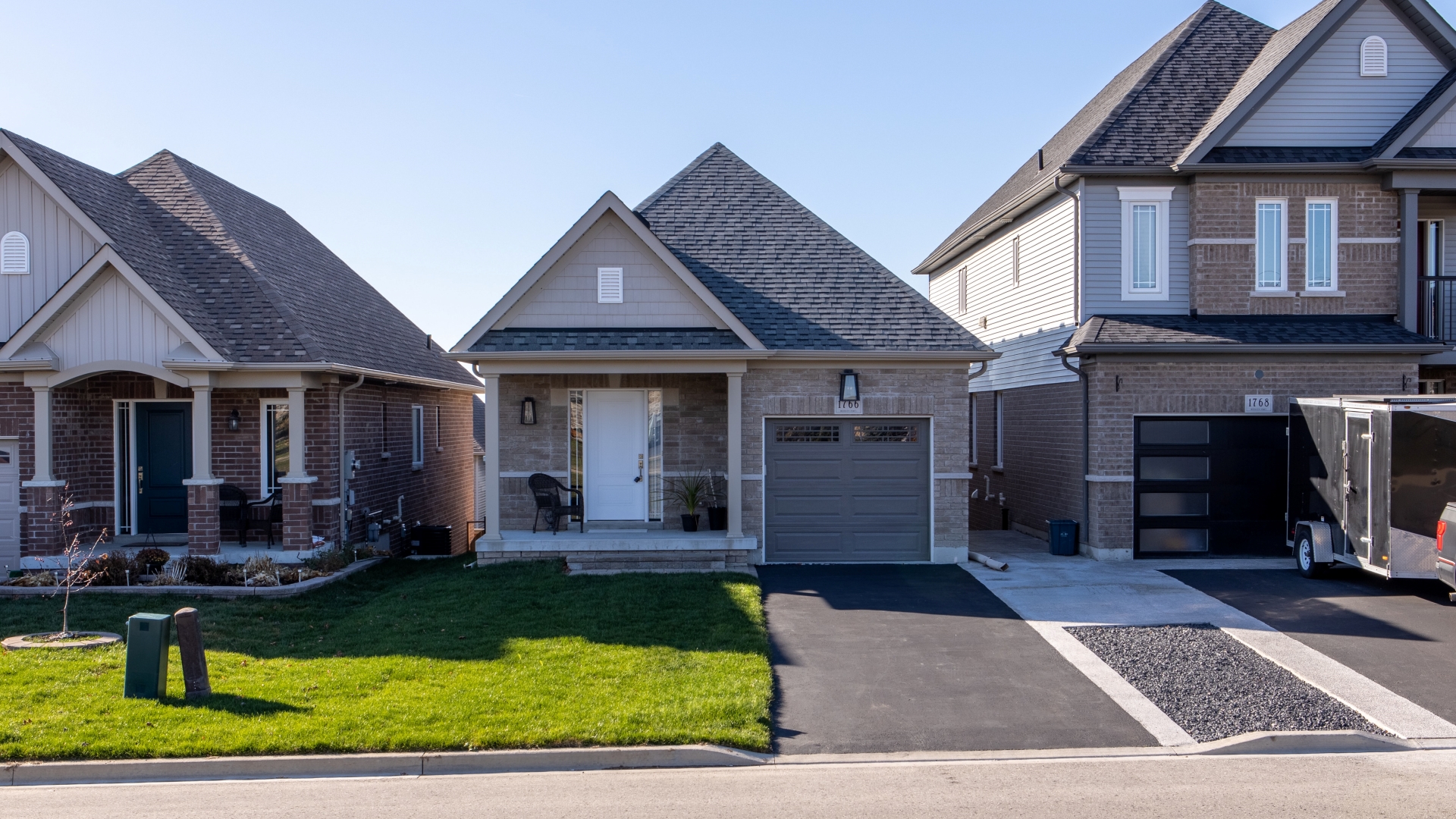
Texas’s housing market is particularly attractive to families. The ability to afford a larger home with a backyard is a major draw, especially for those moving from smaller, more expensive dwellings in other states. This creates a fertile ground for family-focused tourism and activities within the state.
- Family-Friendly Destinations: Theme parks, zoos, and extensive park systems are common throughout Texas. Cities like San Antonio with SeaWorld and Six Flags Fiesta Texas, or Houston with Space Center Houston, offer numerous attractions. Affordable living allows families to enjoy these experiences more often.
- Long-Term Accommodation and Relocation: For those considering a temporary business stay or even permanent relocation, the affordable housing market in Texas makes it an attractive option. The transition is smoother when one doesn’t have to contend with prohibitive rental or purchase costs. This also influences the market for extended-stay hotels and corporate apartments.
- Community and Culture: Lower housing stress fosters stronger communities. Residents have more time and resources to engage in local events, support small businesses, and participate in cultural activities. From rodeos and live music venues to food festivals and art markets, Texas offers a rich tapestry of experiences that are made more accessible by its economic environment. The Stockyards National Historic District in Fort Worth and the Sixth Floor Museum in Dallas are prime examples of cultural landmarks that become more accessible when residents have fewer financial burdens related to housing.
In conclusion, the affordability of homes in Texas is not merely a matter of low prices; it is a complex outcome of a thriving, diversified economy, abundant land resources, and a state fiscal policy designed to attract both businesses and residents. This unique combination creates a powerful ripple effect, allowing Texans to enjoy a higher quality of life, more financial freedom, and greater opportunities for travel, leisure, and personal enrichment. Whether one is considering a permanent move or simply a longer visit, Texas’s housing market provides a compelling backdrop for a life rich in experiences, making it a truly exceptional destination for living, working, and exploring.
LifeOutOfTheBox is a participant in the Amazon Services LLC Associates Program, an affiliate advertising program designed to provide a means for sites to earn advertising fees by advertising and linking to Amazon.com. Amazon, the Amazon logo, AmazonSupply, and the AmazonSupply logo are trademarks of Amazon.com, Inc. or its affiliates. As an Amazon Associate we earn affiliate commissions from qualifying purchases.