
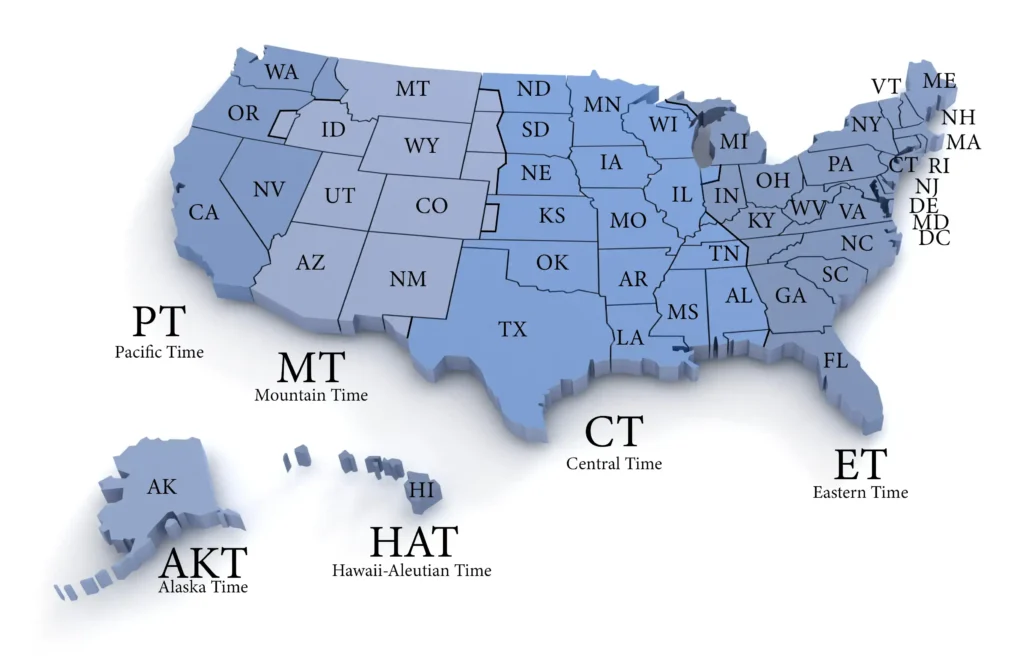
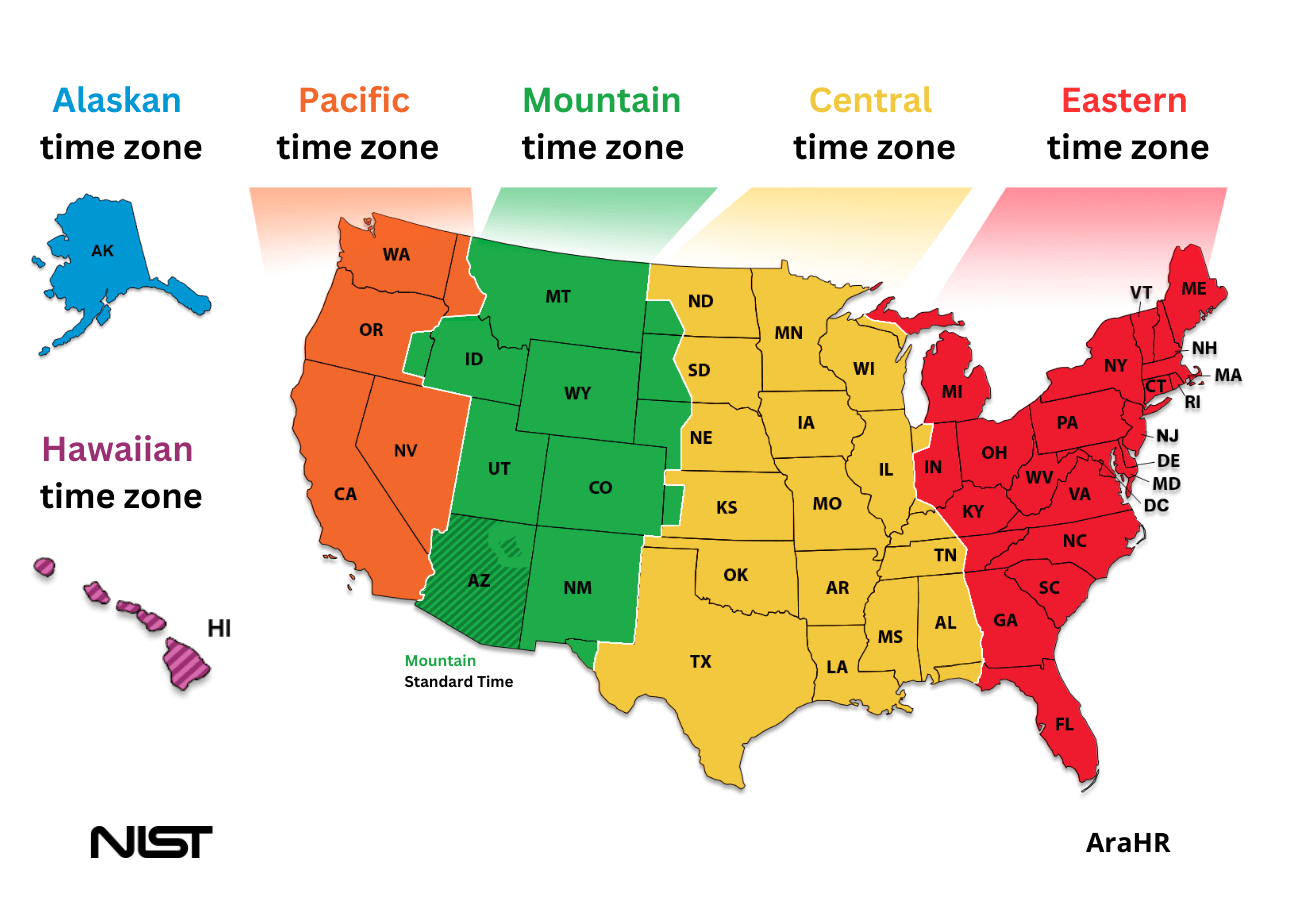
For travelers planning a visit to the Heart of Dixie, understanding local time zones is a fundamental step in itinerary planning. The question, “Is Alabama on Eastern Time?” is a common one, especially for those venturing from the bustling cities of the East Coast. The straightforward answer is that almost all of Alabama observes the Central Time Zone (CT), specifically Central Standard Time (CST) for much of the year, switching to Central Daylight Time (CDT) during Daylight Saving. This seemingly simple fact carries a surprising amount of nuance and practical implications for everyone from the casual tourist to the business traveler and those considering longer stays.
Navigating the time difference can significantly impact your travel experience, influencing everything from flight connections and hotel check-ins to the timing of local attractions and cultural experiences. This comprehensive guide will delve into the intricacies of Alabama’s time zone, explore its effects on various aspects of travel and lifestyle, and offer valuable tips to ensure a seamless and enjoyable journey through this vibrant Southern state. Whether you’re planning a luxurious resort getaway in Gulf Shores, a historical tour through Montgomery, or a business trip to Birmingham, being time-aware is key to unlocking the full potential of your Alabama adventure.
Navigating Alabama’s Central Time Zone
Understanding the precise time zone of your destination is paramount for any successful travel plan. While many might assume a state bordering Georgia and the Florida Panhandle might fall partially into the Eastern Time Zone, Alabama firmly plants itself within the Central Time Zone. This means it is typically one hour behind Eastern Standard Time (EST). This seemingly small difference can have significant ripple effects on your travel logistics and daily routine while visiting.
Understanding Central Standard Time (CST) and Daylight Saving
Throughout the year, Alabama operates on Central Standard Time (CST), which is UTC-6, during the fall and winter months. When Daylight Saving begins, typically in the spring, the state transitions to Central Daylight Time (CDT), which is UTC-5. This shift means that for roughly half the year, Alabama is two hours behind Greenwich Mean Time (GMT) and one hour behind Eastern Daylight Time (EDT).
It’s worth noting that while technically a minuscule, unpopulated sliver of Alabama near its eastern border with Georgia falls into the Eastern Time Zone due to a historical surveying quirk, in practical terms, the entire state functions on Central Time. This means that for all residential, commercial, and tourist activities, you can confidently set your watch to CT when in Alabama. This unified time zone simplifies planning considerably, eliminating the confusion that might arise in states with multiple time zones. However, awareness is crucial when coordinating with contacts or flights in neighboring Eastern Time Zone states like Georgia or most of Florida.
Travel Implications: East Meets Central
For travelers arriving from the Eastern Time Zone, the shift into Central Time means gaining an hour upon arrival. This can be a welcome change, offering a slight reprieve from potential jet lag and providing an extra hour to settle into your accommodation, whether it’s a luxurious suite or a charming boutique hotel. Conversely, departing from Alabama back to the East Coast will mean losing an hour, a factor to consider carefully when planning early morning flights or tight connections.
Flights and Airports: Many travelers to Alabama arrive via major hubs like Hartsfield-Jackson Atlanta International Airport in Georgia, which operates on Eastern Time. If your connecting flight to Birmingham-Shuttlesworth International Airport, Mobile Regional Airport, or Huntsville International Airport is listed in local time, you’ll need to account for the one-hour difference. For instance, a 10:00 AM flight departing Atlanta will arrive in Birmingham at approximately 10:30 AM local CT, not 11:30 AM. Always double-check your arrival times in the destination’s local time zone to avoid confusion or missed connections.
Road Trips and Borders: When embarking on a scenic road trip through the South, crossing state lines means potential time zone changes. While driving from Mississippi or Tennessee into Alabama typically won’t involve a time change (as these states also largely observe CT), entering Alabama from Georgia or the Florida Panhandle will mean setting your clock back an hour. This is especially relevant for those traveling to popular coastal destinations like Orange Beach or Gulf Shores from the Florida side. Modern smartphones and GPS devices will usually adjust automatically, but it’s always wise to confirm, especially if you have timed reservations or activities.
Time Zone Considerations for Your Alabama Itinerary
The one-hour difference from the East Coast can be a subtle yet impactful factor in planning your Alabama itinerary. From coordinating your visits to iconic landmarks to ensuring smooth hotel stays, being mindful of the Central Time Zone helps optimize your travel experience, allowing you to immerse yourself fully in local culture and attractions without unnecessary stress.
Planning Your Visits to Destinations and Attractions
Alabama boasts a diverse array of destinations and attractions, each offering unique experiences, from historical sites to natural wonders. When planning your visits, remember that all listed opening and closing times will be in local Central Time.
For instance, if you’re exploring the rich history of the Civil Rights Movement in Montgomery and plan to visit the Rosa Parks Museum or the Civil Rights Memorial Center, their operating hours will align with CST/CDT. Similarly, a trip to Birmingham to see the Birmingham Civil Rights Institute, climb the Vulcan Park and Museum, or explore the McWane Science Center will require timing your day according to Central Time.
In Huntsville, the “Rocket City,” a visit to the phenomenal U.S. Space & Rocket Center will follow the same schedule. Down on the coast, planning a day at the USS Alabama Battleship Memorial Park in Mobile or enjoying the pristine beaches of Dauphin Island, Gulf Shores, or Orange Beach means your sunrises and sunsets will feel one hour “later” compared to Eastern Time, offering potentially longer evenings for beachside strolls or enjoying fresh Mobile Bay seafood.
When booking guided tours or tickets for specific time slots, such as a round of golf on the famous Robert Trent Jones Golf Trail, always reconfirm that your internal clock has adjusted to Alabama’s Central Time to avoid missing out. This vigilance ensures you make the most of every moment, from savoring a leisurely breakfast to catching the perfect sunset view from a natural landmark like Cheaha State Park or Oak Mountain State Park.
Accommodation and Hotel Logistics
Hotels, resorts, apartments, and villas in Alabama universally operate on Central Time. This is a critical factor for managing check-in and check-out times, especially if you’re arriving from or departing to an Eastern Time Zone location. A typical 3:00 PM check-in at a hotel like The Battle House Renaissance Mobile Hotel & Spa or the Grand Hotel Golf Resort & Spa, Autograph Collection will feel like 4:00 PM to your East Coast body clock. This extra hour in Alabama can be a blessing, allowing for more comfortable arrival and luggage drop-off.
For those enjoying the luxury of properties like the Renaissance Montgomery Hotel & Spa at the Convention Center or the Westin Birmingham, spa appointments, dining reservations, and scheduled resort activities (like children’s programs or fitness classes) will all adhere to the local CT. If you’re staying at the Embassy Suites by Hilton Huntsville Hotel & Spa or the Perdido Beach Resort, being aware of the time difference can prevent any scheduling mishaps with their various amenities.
When booking accommodations online, particularly through platforms that might default to your local time, always confirm the check-in and check-out times displayed are in the property’s local time zone. This simple verification can prevent stress and ensure a smooth start and end to your stay, whether it’s a short business trip or a prolonged family vacation. For long-term stays, especially for remote workers, the one-hour difference can impact daily coordination with East Coast colleagues, requiring minor adjustments to meeting schedules.
Lifestyle and Long-Term Stays in Central Time
The implications of Alabama being on Central Time extend beyond immediate travel logistics, significantly influencing lifestyle aspects for both visitors and those considering extended stays. The time zone can shape everything from business interactions to family leisure, making it a crucial consideration for anyone embedding themselves in the local rhythm.
Business Travel and Remote Work
For business travelers frequently commuting between Alabama and the East Coast, the one-hour difference is a constant factor. Coordinating meetings, conference calls, and deadlines with colleagues or clients in EST/EDT requires careful attention. A 9:00 AM meeting on the East Coast means you’ll need to be ready by 8:00 AM CT. This can sometimes lead to an earlier start to the workday for those based in Alabama, but it also offers the advantage of an earlier wrap-up compared to their Eastern Time counterparts, potentially fostering a better work-life balance.
For the growing number of remote workers, relocating to or undertaking a long-term stay in Alabama from an Eastern Time Zone presents a similar dynamic. While it requires adjusting your internal clock and scheduling tools, the change often provides a perceived “extra hour” at the end of the day, which can be dedicated to personal pursuits, family time, or exploring Alabama’s many attractions. The lower cost of living in many Alabama cities, coupled with this beneficial time zone difference, makes it an attractive option for those seeking a change of pace without entirely disconnecting from East Coast professional networks.

Family Trips and Leisure
For families embarking on an Alabama vacation, the Central Time Zone can be a friend or a foe, depending on how it’s managed. Arriving from the East Coast might mean that children naturally wake an hour later by local time, potentially aligning better with vacation sleep-in desires. However, it’s essential to gradually adjust sleep schedules to avoid overtiredness, especially for younger children.
The “later” sunrise and sunset in Central Time compared to Eastern Time offers extended daylight hours in the evenings, particularly during CDT. This is a significant advantage for leisure activities. Imagine longer evenings spent on the white sands of Gulf Shores, enjoying outdoor dining in Mobile, or taking leisurely walks around historical sites like the Edmund Pettus Bridge in Selma. Families can maximize their time exploring national parks, state parks, and engaging in outdoor recreation well into the evening, making the most of every precious vacation moment. From budget-friendly camping trips in Oak Mountain State Park to luxury resort stays, the Central Time allows for a relaxed pace of life that complements Alabama’s renowned Southern hospitality and laid-back charm.
In conclusion, while the question “Is Alabama on Eastern Time?” is definitively answered with a “no” – it’s firmly in the Central Time Zone – the nuances of this time difference are crucial for any visitor or prospective long-term resident. From seamless travel arrangements and efficient business coordination to maximized leisure time and a relaxed lifestyle, understanding Alabama’s time zone ensures a richer, more enjoyable, and well-planned experience in this captivating Southern state. So, adjust your watches, embrace the rhythm of Central Time, and prepare to explore all the wonders Alabama has to offer.
LifeOutOfTheBox is a participant in the Amazon Services LLC Associates Program, an affiliate advertising program designed to provide a means for sites to earn advertising fees by advertising and linking to Amazon.com. Amazon, the Amazon logo, AmazonSupply, and the AmazonSupply logo are trademarks of Amazon.com, Inc. or its affiliates. As an Amazon Associate we earn affiliate commissions from qualifying purchases.