
Alaska, often referred to as “The Last Frontier,” captivates the imagination with its unparalleled wilderness, majestic landscapes, and a sense of untamed beauty. But beyond its iconic imagery of towering mountains, vast glaciers, and abundant wildlife, one of the most striking characteristics of Alaska is its sheer size. When contemplating a journey to this incredible state, understanding its immense scale is not just a geographical fact; it’s fundamental to appreciating the scope of experiences it offers to travelers. From planning a grand Alaskan cruise through the Inside Passage to embarking on a wilderness adventure deep within its interior, the vastness of Alaska dictates everything from travel logistics to the very nature of its tourism and accommodation options.
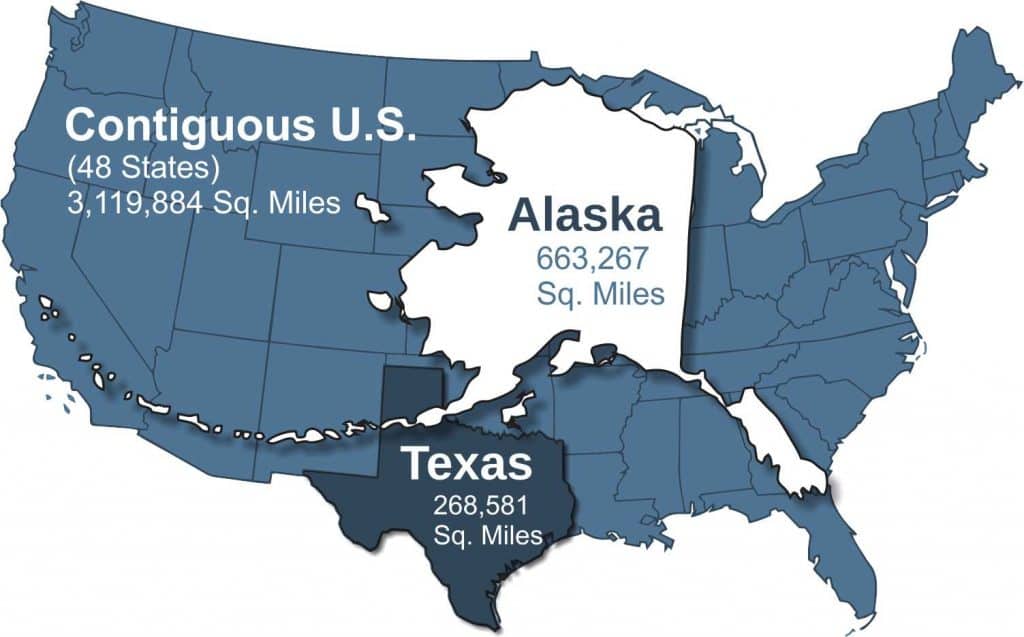
So, just how many acres is the State of Alaska? The numbers are staggering and often difficult to fully comprehend without context. Alaska spans an astounding 365,000,000 acres. This figure alone paints a vivid picture of a state that is truly in a league of its own, dwarfing nearly every other geographical entity within the United States and indeed, many countries around the globe. This incredible expanse is not just dry land; it encompasses a mosaic of diverse ecosystems, from dense forests and expansive tundras to countless lakes, rivers, and thousands of miles of coastline. For those dreaming of an Alaskan escape, these acres represent a universe of possibilities, a canvas for unforgettable adventures, and a testament to nature’s grandeur.
Alaska’s Immense Scale: A Geographic Overview
The sheer magnitude of Alaska is often the first thing that astonishes visitors and residents alike. To truly grasp “The Last Frontier’s” colossal footprint, we must delve into its specific dimensions and compare it to more familiar territories. This isn’t just about statistics; it’s about understanding the foundation upon which Alaska’s unique travel experiences, natural landmarks, and distinct lifestyle are built.
Breaking Down the Numbers: Land and Water
The total area of Alaska is approximately 665,384 square miles, which translates to the aforementioned 365,000,000 acres. To put this into perspective, Alaska is more than twice the size of Texas, the next largest state, and larger than the combined area of Texas, California, and Montana. It accounts for roughly one-fifth of the entire landmass of the United States.
Within this vast expanse, a significant portion is covered by water, further emphasizing the state’s intricate geography. Alaska boasts the longest coastline in the United States, stretching over 33,904 miles, which is longer than all other U.S. states combined. This extensive coastline borders the Pacific Ocean, the Gulf of Alaska, and the Arctic Ocean via the Bering Sea. Its waters are home to an incredible array of marine life and provide vital routes for tourism, commerce, and local communities. The state also contains over 3 million lakes, including the vast Lake Iliamna, and countless rivers, such as the mighty Yukon River. This intricate network of waterways is not just scenic; it’s integral to the state’s ecology, economy, and the travel experiences it offers, from fishing charters to kayaking expeditions.
Comparing Alaska to Other States and Nations
To truly appreciate Alaska’s scale, let’s consider a few comparisons:
-
Compared to other U.S. states: As mentioned, Alaska is in a league of its own. It is larger than the next two largest states, Texas and California, combined. Even tiny states like Rhode Island could fit into Alaska hundreds of times over. This vastness contributes to its low population density, creating immense areas of pristine wilderness untouched by human development, which is a major draw for adventure travelers.
-
Compared to nations: Alaska is larger than many sovereign nations. For example, it is larger than France, Spain, and Germany combined. It is roughly one-fifth the size of Australia and comparable in size to Iran. This international comparison highlights why Alaska truly feels like a continent unto itself, offering an astonishing diversity of climates, ecosystems, and geographical features that one might expect to find across several countries.
This understanding of Alaska’s colossal size is crucial for any traveler. It means that exploring the state requires careful planning, often involving internal flights, ferry travel, or lengthy road trips. It also means that even after multiple visits, there will always be new frontiers to discover, new destinations to explore, and new experiences to be had across its countless acres.
Exploring Alaska’s Vastness: Unforgettable Travel Experiences
The immense acreage of Alaska translates directly into a spectrum of unparalleled travel experiences. For those seeking adventure, natural beauty, and a chance to disconnect from the modern world, Alaska offers a playground of epic proportions. The varied landscapes and ecosystems found across its 365 million acres provide endless opportunities for exploration, making it a prime destination for diverse tourism interests.
Iconic Destinations and Natural Wonders
Within Alaska’s borders lie some of the world’s most breathtaking natural landmarks and attractions. The sheer scale allows for massive national parks and preserves, protecting vast swaths of pristine wilderness.
-
Denali National Park and Preserve: Home to Mount Denali, North America’s highest peak, this park alone covers 6 million acres. It’s an essential destination for wildlife viewing, hiking, and experiencing the raw power of the Alaskan wilderness. Visitors often take bus tours deep into the park to spot grizzly bears, moose, caribou, and wolves.
-
Glacier Bay National Park and Preserve: A jewel of the Inside Passage, Glacier Bay offers dramatic tidewater glaciers, towering mountains, and abundant marine life. It’s best explored by cruise ship or small vessel, providing intimate views of glaciers calving into the sea, a truly awe-inspiring natural spectacle.
-
The Inside Passage: This intricate network of waterways, islands, and fjords in Southeast Alaska is a prime cruise destination. Cities like Juneau, Ketchikan, Sitka, and Skagway serve as gateways to unique cultural experiences, historical sites, and nearby natural wonders like Mendenhall Glacier.
-
Kenai Fjords National Park: Near Seward, this park showcases a dramatic landscape where mountains, ice, and ocean meet. Its highlight is the Harding Icefield, one of the largest icefields in the United States, from which numerous glaciers flow into the sea, creating stunning fjords and coves.
-
Katmai National Park and Preserve: Famed for its dense population of brown bears, especially around Brooks Falls where they gather to fish for salmon. This remote park offers some of the best bear viewing opportunities in the world, a testament to Alaska’s thriving wildlife.
Adventures Across Diverse Landscapes
The sheer variety of landscapes across Alaska’s vast acreage means that nearly every type of outdoor adventure is possible. From the temperate rainforests of the Southeast to the Arctic tundra of the North Slope, each region offers distinct activities and challenges.
-
Wildlife Encounters: Whether it’s watching humpback whales breach in Prince William Sound, seeing bald eagles soar above Kodiak Island, or observing the annual caribou migration, Alaska is a premier destination for wildlife photography and observation. The vastness of the land provides ample habitat for these creatures to thrive.
-
Outdoor Sports and Recreation:
- Hiking and Backpacking: With millions of acres of national parks and forests, like the Tongass National Forest (the largest national forest in the U.S.) and the Chugach National Forest, Alaska offers endless trails for all skill levels, from coastal walks to challenging mountain expeditions.
- Fishing: Renowned for its world-class salmon and halibut fishing, Alaska’s rivers, lakes, and coastal waters draw anglers from around the globe. Towns like Homer on the Kenai Peninsula are famous for their charter fishing trips.
- Winter Sports: In winter, Alaska transforms into a snowy wonderland. Skiing and snowboarding are popular at resorts like Alyeska Resort in Girdwood. Dog sledding, inspired by races like the Iditarod Trail Sled Dog Race, offers an iconic Alaskan experience.
- Flightseeing and Glacier Tours: Given the expansive and rugged terrain, many of Alaska’s most stunning views are best appreciated from the air. Flightseeing tours over Denali, the Juneau Icefield, or remote glaciers offer breathtaking perspectives.
-
Witnessing the Aurora Borealis: In the northern parts of the state, particularly around Fairbanks (which sits near the Arctic Circle), the dark winter skies provide prime conditions for viewing the spectacular Northern Lights. This ethereal display is a bucket-list experience for many travelers.
The sheer acreage of Alaska means that exploring even a fraction of its wonders requires dedication and thoughtful planning. It’s a land where the journey is as significant as the destination, offering a true sense of discovery.
Planning Your Alaskan Journey: Accommodation and Logistics
Navigating the vastness of Alaska requires careful consideration, especially regarding accommodation and travel logistics. The enormous distances between destinations mean that getting around is often part of the adventure, and where you choose to stay can significantly impact your experience. Whether you prefer the comforts of a city hotel or the rustic charm of a wilderness lodge, Alaska offers a range of options tailored to various lifestyles and budgets.
Where to Stay: From Cities to Wilderness
Alaska’s immense size necessitates a diverse array of accommodation choices to cater to different travel itineraries and preferences.
-
City Hotels and Resorts: Major cities like Anchorage, Fairbanks, and Juneau serve as primary hubs and offer a full spectrum of hotels, from international chains to boutique properties. These provide convenient bases for exploring urban attractions, enjoying local cuisine, and accessing transportation networks. For example, in Anchorage, you’ll find various suites and resorts with modern amenities, ideal for families or business travelers.
-
Wilderness Lodges and Cabins: For those seeking a deeper immersion into Alaska’s wilderness, remote lodges and cabins are a quintessential Alaskan experience. Often accessible only by small plane or boat, these accommodations offer unparalleled access to prime wildlife viewing, fishing, and hiking opportunities. They range from rustic, self-catering options to luxury all-inclusive resorts that provide gourmet meals and guided excursions.
-
Cruise Ship Accommodation: For exploring the Inside Passage or the Gulf of Alaska, a cruise ship effectively becomes your floating hotel. This popular option allows travelers to wake up to new scenery each day, visiting multiple coastal cities and glaciers without the need for constant packing and unpacking. Many ships offer a wide range of amenities, dining options, and onboard activities.
-
RV Parks and Campgrounds: For the budget-conscious traveler or those who enjoy the freedom of the open road, Alaska has numerous RV parks and campgrounds within its state parks, national parks, and private lands. This allows for a flexible travel style and the chance to truly immerse oneself in the natural surroundings.
When selecting accommodation, consider the focus of your trip: do you want easy access to urban attractions or a profound wilderness experience? Booking in advance is highly recommended, especially during the peak summer season (June to August), as popular lodges and tours fill up quickly.
Navigating the Last Frontier: Travel Tips and Considerations
The sheer scale of Alaska dictates unique travel planning and logistics that differ significantly from other destinations.
-
Transportation:
- Air Travel: Given the vast distances, internal flights are often the most practical way to traverse Alaska. Small bush planes are common for reaching remote lodges or wilderness areas, offering scenic views in themselves.
- Roads: While Alaska has a limited road system compared to its size, major routes like the Alaska Highway and the Parks Highway connect key cities and national parks. Road trips can be incredibly rewarding, but prepare for long drives and fewer services between towns.
- Rail: The Alaska Railroad offers passenger services between Seward, Anchorage, Denali National Park, and Fairbanks, providing a comfortable and scenic way to see the interior.
- Ferry: The Alaska Marine Highway System (often called the “Marine Highway”) provides essential transportation along the coast, connecting Southeast Alaska with other regions and allowing travelers to bring their vehicles.
-
Best Time to Visit: The peak tourism season is summer (June-August) when the weather is warmest, daylight hours are longest, and all attractions and activities are open. Spring and fall offer fewer crowds and potentially lower prices, while winter provides opportunities for Northern Lights viewing, dog sledding, and skiing.
-
Packing Essentials: No matter the season, layering clothing is key due to unpredictable weather. Include waterproof outerwear, sturdy hiking boots, insect repellent, sunscreen, and bear spray if venturing into the wilderness.
-
Connectivity: While major cities have reliable cell service and Wi-Fi, expect limited to no connectivity in many remote areas. This is part of the appeal for many, offering a chance to truly unplug.
Understanding these logistical challenges and planning accordingly will ensure a smoother and more enjoyable Alaskan journey. The reward is access to experiences that simply cannot be found anywhere else on Earth.
The Alaskan Lifestyle: Beyond the Scenery
The colossal acreage of Alaska is more than just a backdrop for stunning scenery and exhilarating adventures; it profoundly shapes the unique culture, economy, and everyday lifestyle of its residents. For visitors, delving into the local culture and understanding the Alaskan way of life adds another rich layer to their travel experience. This connection between the land and its people is palpable, influencing everything from the cuisine to the prevalent attitudes towards nature and community.
Cultural Experiences and Local Flavor
Alaska’s cultural tapestry is as diverse as its landscapes, woven from the traditions of its numerous Alaska Native groups and the pioneering spirit of those who have settled in this rugged land.
-
Alaska Native Heritage: The vastness of Alaska has allowed indigenous cultures to thrive for millennia. Visitors have opportunities to learn about the rich history and traditions of groups like the Tlingit, Haida, Tsimshian, Yup’ik, and Inupiat. Cultural centers and museums, such as the Anchorage Museum or the Alaska Native Heritage Center, offer insights into traditional art, storytelling, music, and ways of life. Many villages welcome visitors to experience dances, traditional crafts, and local ceremonies.
-
Alaskan Cuisine: The land and sea heavily influence the Alaskan diet. Freshly caught seafood, particularly salmon, halibut, and crab, is a culinary highlight. Wild game, such as reindeer and moose, also feature in local dishes. Beyond the protein, Alaskan berries like blueberries and cranberries are popular ingredients. Exploring local markets and restaurants provides a delicious window into the regional flavors, often with a focus on sustainable, locally sourced ingredients.
-
Festivals and Events: Despite the dispersed population, Alaskans come together for a variety of unique festivals and events. The Iditarod Trail Sled Dog Race, starting in Anchorage and ending in Nome, is a world-famous testament to the state’s rugged spirit. Fur Rendezvous (also in Anchorage), and various smaller town fairs celebrate everything from fishing harvests to arts and crafts.
Luxury and Budget Travel in the Great North
Alaska’s vastness means it can cater to almost any traveler’s lifestyle and budget, from opulent luxury excursions to resourceful budget-friendly adventures.
-
Luxury Travel: For those seeking a premium experience, Alaska offers high-end options that leverage its unique landscape. This includes luxury lodges that provide helicopter access to remote glaciers for heli-skiing or exclusive wildlife viewing tours. Private yacht charters along the Inside Passage or bespoke rail journeys on the Alaska Railroad with gourmet dining and private viewing cars offer unparalleled comfort and access. Luxury cruises provide lavish accommodations, fine dining, and curated shore excursions to Alaskan ports and natural wonders.
-
Budget Travel: Despite its reputation for being expensive, Alaska can also be explored on a more modest budget. Camping and RV travel are excellent ways to save on accommodation costs while immersing oneself in nature. Utilizing the Alaska Marine Highway System as a ferry rather than a cruise ship offers a more economical way to see the coastal areas. Self-guided hiking trips in state and national parks (with appropriate permits and safety precautions) provide access to incredible scenery at minimal cost. Choosing to visit during shoulder seasons (late spring or early fall) can also lead to significant savings on flights and accommodations.
Ultimately, Alaska’s 365 million acres offer something for every type of traveler. It’s a place where the grandeur of nature meets a resilient and unique human spirit, creating a destination that promises not just a trip, but a profound and transformative experience. Whether you come for the epic scale of its wilderness, the thrill of adventure, or the richness of its culture, Alaska truly lives up to its moniker as “The Last Frontier.”
LifeOutOfTheBox is a participant in the Amazon Services LLC Associates Program, an affiliate advertising program designed to provide a means for sites to earn advertising fees by advertising and linking to Amazon.com. Amazon, the Amazon logo, AmazonSupply, and the AmazonSupply logo are trademarks of Amazon.com, Inc. or its affiliates. As an Amazon Associate we earn affiliate commissions from qualifying purchases.