
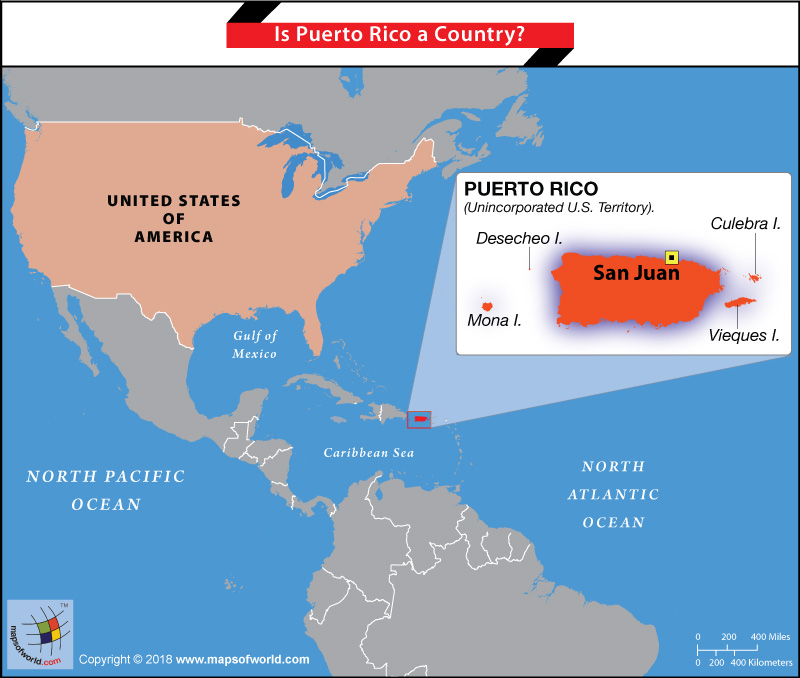
The question “Is Puerto Rico its own country?” often sparks curiosity and reveals a common misunderstanding about the political status of this vibrant Caribbean island. While Puerto Rico boasts a distinct culture, language, and identity, it is not an independent nation in the traditional sense. Instead, it holds a unique and complex relationship with the United States as an unincorporated territory. This status profoundly impacts its governance, economy, and the daily lives of its residents, while also shaping its appeal as a prime travel destination.
For many travelers planning a trip to Puerto Rico, understanding its political framework can clarify travel requirements, currency use, and even local customs. As a hub for travel, accommodation, and tourism information, it’s essential to delve into what makes Puerto Rico distinct, both politically and culturally, and why it continues to captivate visitors from across the globe. From its historical landmarks and breathtaking natural beauty to its rich culinary scene and lively festivals, Puerto Rico offers an experience that is both familiar and exotic, inviting exploration and appreciation of its singular heritage.
Understanding Puerto Rico’s Political Status
To truly appreciate Puerto Rico, one must first grasp its complex political reality. Its designation as an unincorporated territory of the United States positions it in a grey area, neither a sovereign nation nor a U.S. state. This status is a legacy of historical events that have shaped the island’s destiny for over a century, influencing everything from its legal system to its economic development.
A Commonwealth of the United States
Puerto Rico’s journey to its current status began in 1898, at the conclusion of the Spanish-American War. Following the war, Spain ceded Puerto Rico, Cuba, and Guam to the United States under the Treaty of Paris. Initially governed by military rule, the U.S. Congress passed the Foraker Act in 1900, establishing a civilian government and classifying Puerto Rico as an unincorporated territory. This meant that while it belonged to the United States, it was not considered an integral part of the country and its residents were not granted full constitutional rights.
A significant shift occurred in 1917 with the passage of the Jones-Shafroth Act, which granted U.S. citizenship to Puerto Ricans. This meant they could travel freely to the mainland United States without passports and serve in the U.S. military. However, this citizenship comes with certain limitations; residents of Puerto Rico cannot vote in U.S. presidential elections unless they move to one of the 50 states, and they have no voting representation in Congress, only a Resident Commissioner who can speak but not vote on legislation.
In 1952, Puerto Rico adopted its own constitution and established itself as a “commonwealth” (Estado Libre Asociado in Spanish), granting it a degree of self-governance over internal affairs. This allows the island to elect its own governor and legislative assembly, manage its own budget, and establish its own legal system, which is a blend of U.S. common law and Spanish civil law traditions. Despite this autonomy, the U.S. federal government retains ultimate authority over matters such as defense, foreign policy, currency (the U.S. dollar is used), and interstate trade. This unique arrangement makes Puerto Rico neither fully independent nor fully integrated, occupying a distinct space within the American political landscape.
The Quest for Self-Determination
The political status of Puerto Rico is a subject of continuous debate and controversy, both on the island and in the United States. For decades, Puerto Ricans have been divided into three main camps regarding their future: statehood, independence, or maintaining the current commonwealth status (often with enhancements).
Advocates for statehood argue that full integration into the United States would provide equal rights and responsibilities, including voting representation in Congress, access to the same federal funding as states, and increased economic stability. They believe that being the 51st state would eliminate the colonial aspects of the current relationship and allow Puerto Ricans to fully participate in the American democratic process.
On the other hand, proponents of independence believe that Puerto Rico’s unique culture, language, and history warrant full sovereignty. They contend that only through independence can the island achieve true self-determination, control its own destiny, and develop an economy tailored to its specific needs without federal oversight. This option, while appealing to a segment of the population, also raises concerns about economic viability and the potential loss of U.S. citizenship benefits.
The third option, enhanced commonwealth status, seeks to reform the existing relationship, granting Puerto Rico greater autonomy and powers, while retaining U.S. citizenship and other benefits. However, the precise definition and feasibility of an “enhanced commonwealth” have often been points of contention, with critics arguing that it would still leave Puerto Rico in a subordinate position to the federal government.
Several non-binding plebiscites have been held over the years, with varying results and participation rates, reflecting the deeply divided opinions among the population. While recent plebiscites have shown a preference for statehood, the lack of definitive action from the U.S. Congress means the debate continues. This ongoing quest for self-determination underscores the powerful sense of identity among Puerto Ricans and their desire to shape their own future, regardless of their political ties to the mainland.
The Allure of Puerto Rico: A Traveler’s Paradise
Despite its complex political status, Puerto Rico shines as a captivating destination for travelers seeking a rich blend of history, culture, and natural beauty. Its ease of access for U.S. citizens (no passport required) combined with its vibrant Latin American flair makes it an irresistible choice for a tropical getaway. The island offers an incredible diversity of experiences, from bustling historic cities to serene rainforests and pristine beaches.
San Juan: A Blend of History and Modernity
The capital city of San Juan serves as the primary gateway to Puerto Rico and is a must-visit for any traveler. At its heart lies Old San Juan, a UNESCO World Heritage site renowned for its remarkably preserved colonial architecture. Strolling through its cobblestone streets, visitors are transported back in time, surrounded by brightly colored Spanish colonial buildings with intricate ironwork balconies.
The iconic fortresses of El Morro (Castillo San Felipe del Morro) and Castillo de San Cristobal stand as formidable testaments to San Juan’s strategic importance throughout history. These massive stone fortifications, built by the Spanish to defend against invaders approaching from the Atlantic Ocean and Caribbean Sea, offer breathtaking panoramic views of the ocean and the city. Exploring their ramparts, dungeons, and sentry boxes provides a fascinating glimpse into centuries of military history. Beyond the historical core, San Juan seamlessly blends its past with a vibrant modernity. The trendy neighborhoods of Condado and Ocean Park boast luxurious beachfront resorts, chic boutiques, and an array of fine dining establishments, catering to those seeking contemporary comforts and lively nightlife. Art galleries, museums, and performance venues add to the city’s cultural tapestry, making San Juan a dynamic destination where history and contemporary life coalesce.
Beyond the Capital: Natural Wonders and Coastal Charms
While San Juan offers an abundance of urban delights, venturing beyond the capital reveals Puerto Rico’s astounding natural diversity. The island is home to El Yunque National Forest, the only tropical rainforest in the U.S. National Forest System. Here, lush vegetation, cascading waterfalls like La Mina Falls and Juan Diego Falls, and diverse wildlife create an immersive ecological experience. Hiking trails range from easy interpretive paths to challenging climbs, offering stunning views and opportunities to spot the coqui frog, a beloved symbol of Puerto Rico.

Puerto Rico is also globally renowned for its extraordinary bioluminescent bays, a rare natural phenomenon where microorganisms in the water glow when disturbed. The most famous is Mosquito Bay on the island of Vieques, often cited as the brightest in the world. Laguna Grande in Fajardo and La Parguera in Lajas offer additional opportunities to kayak or boat through these magical glowing waters, an unforgettable experience.
For beach lovers, Puerto Rico’s coastline is dotted with pristine stretches of sand. Flamenco Beach on the offshore island of Culebra consistently ranks among the world’s best, celebrated for its crescent-shaped white sand, turquoise waters, and vibrant marine life perfect for snorkeling. Other notable beaches include Luquillo Beach with its calm, palm-fringed waters, and the rugged, undeveloped shores along the west coast ideal for surfing. Inland, the central mountains offer a cooler escape, with verdant coffee plantations, scenic drives, and opportunities for zip-lining and caving in the karst region. Each corner of the island presents a unique charm, inviting travelers to explore its varied landscapes and discover hidden gems.
Experiencing Puerto Rican Culture and Lifestyle
The heart of Puerto Rico’s appeal lies in its vibrant culture, a captivating fusion of Taíno, Spanish, and African influences, enriched by its connection to the United States. This cultural tapestry is evident in everything from its language and music to its art and, perhaps most deliciously, its cuisine. Experiencing the local lifestyle means immersing oneself in this unique blend of traditions.
A Culinary Journey
Puerto Rican food is a celebration of flavor, characterized by its hearty, savory dishes known as cocina criolla. The island’s culinary landscape is a testament to its history, incorporating indigenous ingredients like plantains and root vegetables with Spanish cooking techniques and African spices.
The quintessential Puerto Rican dish is mofongo, a savory mound of fried green plantains mashed with garlic, olive oil, and pork cracklings (chicharrón), often served with a choice of meat or seafood and a rich broth. Another beloved specialty is lechon asado, slow-roasted suckling pig, a staple at celebrations and found year-round along the famous “Pork Highway” (La Ruta del Lechón) in the central mountainous region, particularly in Guavate, Cayey. Other popular dishes include arroz con gandules (rice with pigeon peas), pasteles (a labor-intensive dish similar to tamales), and fresh seafood prepared with local seasonings.
Beyond the main courses, don’t miss the street food, from alcapurrias (fritters made from taro and green bananas, stuffed with meat) to empanadillas (savory turnovers). For a sweet treat, try flan or tembleque (coconut pudding). Puerto Rico is also famous for its rum production. Visitors can take tours of distilleries like Casa Bacardi in Cataño to learn about the rum-making process and enjoy tastings. The island’s coffee culture is equally robust, with numerous haciendas offering tours and freshly brewed cups from beans grown in the highlands. Dining in Puerto Rico is more than just eating; it’s an immersive cultural experience, reflecting the warmth and passion of its people.
Festivals, Music, and Art
Puerto Ricans know how to celebrate, and their calendar is filled with vibrant festivals that showcase their rich cultural heritage. The most famous is the Fiestas de la Calle San Sebastián, held every January in Old San Juan. This multi-day street festival features parades with vejigantes (colorful, horned mask-wearers), live music, traditional dances, artisan markets, and food stalls, drawing crowds from across the island and beyond. Another significant celebration is Noche de San Juan (Saint John’s Night) on June 23rd, where locals flock to the beaches at midnight to perform rituals of purification by taking three backward dips in the ocean.
Music is the soul of Puerto Rico, with rhythms that trace back to its African and Spanish roots. Genres like bomba and plena are indigenous to the island, characterized by their energetic drumming, call-and-response singing, and passionate dancing. Salsa, too, has a powerful presence, with many clubs and venues in San Juan offering opportunities to dance the night away. Modern genres like Reggaeton also originated here, reflecting the island’s ongoing influence on global music trends.
The island’s art scene is equally dynamic, ranging from traditional santos (carved wooden saints) to contemporary murals and gallery exhibitions. Old San Juan is dotted with galleries showcasing local artists, while vibrant street art can be found in neighborhoods like Santurce. Handicrafts, such as mundillo lace, vejigante masks, and intricate baskets, make for unique souvenirs. Engaging with Puerto Rico’s cultural expressions offers a profound connection to its identity, revealing the resilience, creativity, and joy of its people.
Planning Your Puerto Rico Getaway: Hotels and Accommodation
As a premier travel destination, Puerto Rico offers a diverse range of accommodation options to suit every taste, budget, and travel style. From luxurious beachfront resorts to charming boutique hotels and practical vacation rentals, finding the perfect place to stay is an integral part of planning your memorable island escape.
Diverse Lodging Options
For those seeking ultimate luxury and pampering, Puerto Rico boasts world-class resorts, particularly concentrated along the northern coast in areas like Dorado and Rio Grande. Properties such as the St. Regis Bahia Beach Resort and Dorado Beach, a Ritz-Carlton Reserve offer exquisite suites, private villas, championship golf courses, lavish spas, and exclusive access to pristine beaches. In San Juan, iconic hotels like the Caribe Hilton and the historic Condado Vanderbilt Hotel provide luxurious amenities, elegant dining, and stunning ocean views, blending classic elegance with modern comforts.
Travelers looking for a more intimate or unique experience will find a wealth of boutique hotels. Old San Juan features charming guesthouses housed in colonial buildings, offering personalized service and a deep dive into the city’s historical ambiance. The O:live Boutique Hotel in Condado, for example, provides a chic, Mediterranean-inspired retreat with rooftop pools and exquisite dining.
For families, groups, or those planning longer stays, vacation rentals (apartments, villas, and houses) through platforms like Airbnb or VRBO are an excellent option. These offer more space, privacy, and often self-catering facilities, making them ideal for a home-away-from-home experience. Budget travelers can find affordable guesthouses and hostels, particularly outside the main tourist zones, allowing for a more economical yet authentic exploration of the island. When booking, consider the amenities crucial to your trip, whether it’s a swimming pool, kitchen access, Wi-Fi, or proximity to specific attractions. Reviewing previous guest feedback can also provide valuable insights into the quality and suitability of your chosen accommodation.

Practical Travel Tips
Navigating Puerto Rico is relatively straightforward, especially for visitors from the United States. As mentioned, U.S. citizens do not need a passport to enter, simplifying travel logistics. The official currency is the U.S. dollar, and both English and Spanish are widely spoken, though Spanish is the primary language. Learning a few basic Spanish phrases can enhance your interactions with locals.
The best time to visit Puerto Rico is generally from December to May when the weather is drier and cooler, avoiding the peak hurricane season (June to November). However, even during the wetter months, rain often comes in short, heavy bursts, leaving plenty of sunshine. Renting a car is highly recommended for exploring beyond San Juan, providing the flexibility to discover hidden beaches, mountain towns, and natural parks at your own pace. Public transportation outside the capital is limited.
When it comes to local culture, embracing the relaxed mi casa es tu casa attitude will enrich your experience. Politeness and respect are highly valued. Always be mindful of your surroundings, especially in crowded tourist areas, and take standard precautions to ensure personal safety. Tipping conventions are similar to those on the U.S. mainland. By preparing for these practical aspects, travelers can ensure a smooth and enjoyable visit, allowing them to fully immerse themselves in the charm and wonder of Puerto Rico.
In conclusion, while the question “Is Puerto Rico its own country?” points to a unique political status, it also highlights an island brimming with an independent spirit and a culture that is distinctly its own. This fascinating blend of American ties and Latin American soul makes Puerto Rico an unparalleled destination. From the historic fortifications of Old San Juan to the mystical glow of its bioluminescent bays, and from the tantalizing flavors of its cuisine to the infectious rhythms of its music, Puerto Rico offers an unforgettable journey. Whether you’re seeking adventure, relaxation, or cultural immersion, this dynamic island promises an experience that is as rich and complex as its history, inviting every traveler to discover its enduring magic.
LifeOutOfTheBox is a participant in the Amazon Services LLC Associates Program, an affiliate advertising program designed to provide a means for sites to earn advertising fees by advertising and linking to Amazon.com. Amazon, the Amazon logo, AmazonSupply, and the AmazonSupply logo are trademarks of Amazon.com, Inc. or its affiliates. As an Amazon Associate we earn affiliate commissions from qualifying purchases.