
For any ardent baseball enthusiast or a traveler seeking a quintessential American sports experience, the question “Where do the Chicago Cubs play?” immediately conjures images of a legendary ballpark steeped in history. The Chicago Cubs, one of Major League Baseball’s most storied franchises, call Wrigley Field their home. Located in the vibrant Wrigleyville neighborhood of Chicago, Illinois, this iconic stadium is far more than just a place to watch a baseball game; it’s a living museum, a cultural landmark, and a vibrant center for tourism and local life. Visiting Wrigley Field offers an unparalleled blend of sporting excitement, historical reverence, and urban exploration, making it a prime destination for anyone planning a trip to the Windy City. Whether you’re a die-hard fan, a curious tourist, or someone looking for a unique travel experience, understanding the magic of Wrigley Field and its surrounding area is key to unlocking an unforgettable Chicago adventure.
Wrigley Field: A Historic Icon in the Heart of Chicago
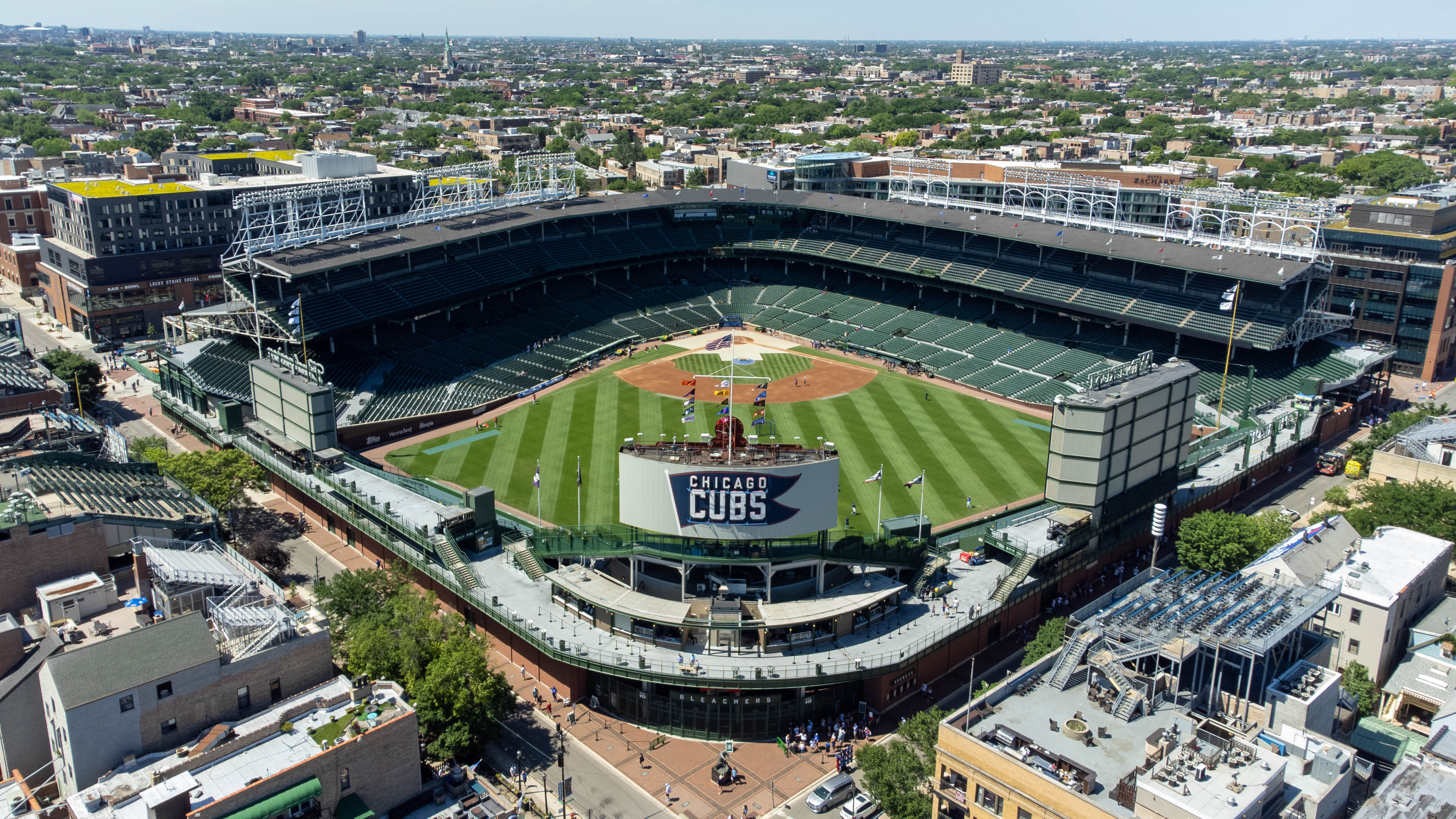
Stepping into Wrigley Field is like stepping back in time, yet with all the modern amenities expected of a world-class venue. Opened in 1914, it is the second-oldest ballpark in Major League Baseball, trailing only Fenway Park in Boston. Its longevity and unique characteristics have cemented its status as one of America’s most beloved sports landmarks, drawing millions of visitors annually. The stadium itself is an attraction, seamlessly blending its rich past with contemporary vibrancy. From its famous ivy-covered outfield walls to the hand-operated scoreboard, every detail tells a story of over a century of baseball tradition. For travelers planning a visit, experiencing Wrigley Field is an essential component of any Chicago itinerary, offering a profound insight into American sports culture and the city’s enduring spirit.
The Friendly Confines: A Glimpse into History
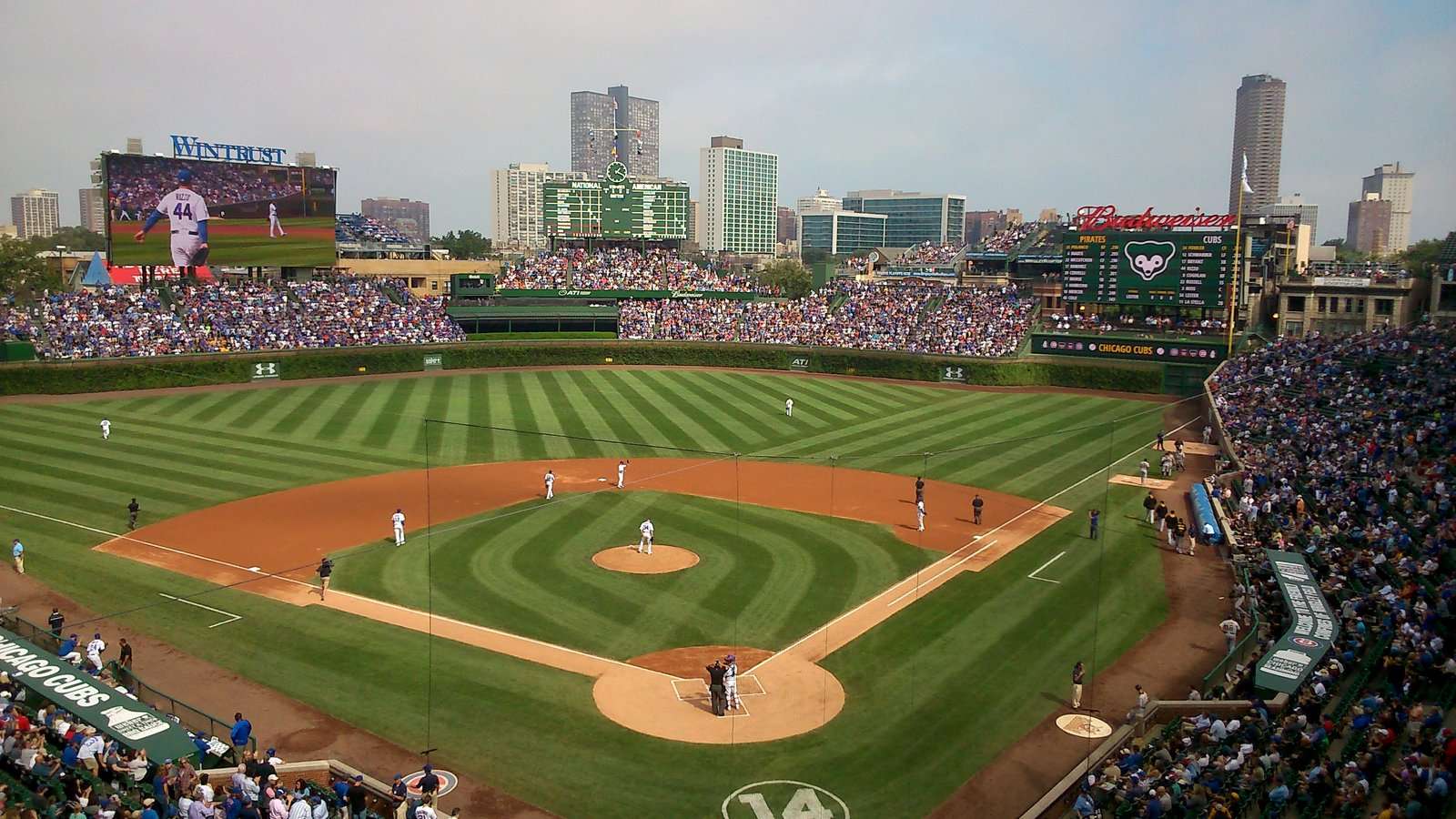
Affectionately known as “The Friendly Confines,” Wrigley Field provides an intimate and nostalgic baseball experience that is increasingly rare in the era of modern, corporate-sponsored mega-stadiums. The stadium’s most distinguishing feature, the vibrant green ivy that covers the brick outfield walls, creates a picturesque backdrop for every game. This natural barrier, planted in 1937, acts as both a hazard and a charm, swallowing up balls and adding to the mystique. Another celebrated anachronism is the manually operated scoreboard, which still displays scores from around the league by hand, providing a tangible connection to baseball’s early days. The bleachers, a sun-drenched haven for the most passionate Cubs fans, offer a lively and raucous atmosphere that is a spectacle in itself. Beyond the ivy and scoreboard, the architecture of Wrigley Field, with its distinctive red marquee at the main entrance, evokes a sense of timeless grandeur. This blend of historic charm and continued relevance makes Wrigley Field a must-see landmark, a place where history isn’t just preserved, but actively lived out with every pitch and every cheer. Its status as a cultural icon and a beacon for sports tourism solidifies its place on any destination guide for Chicago.
Beyond the Ballgame: The Wrigleyville Experience
The allure of Wrigley Field extends far beyond the stadium’s gates into the vibrant Wrigleyville neighborhood. This bustling area transforms into a massive street party on game days, with an infectious energy that’s palpable whether you have a ticket or not. Wrigleyville is famed for its plethora of sports bars, restaurants, and souvenir shops that line the streets, offering endless opportunities for pre-game festivities and post-game celebrations. establishments like the Murphy’s Bleachers or the Cubby Bear are legendary spots where fans gather to soak in the atmosphere, often spilling out onto the sidewalks. The neighborhood’s character is deeply intertwined with the Cubs, creating a unique local culture centered around baseball. Even on non-game days, Wrigleyville maintains a lively charm, with its eclectic mix of residential buildings, boutique shops, and diverse dining options. For visitors, exploring Wrigleyville offers an authentic taste of Chicago life, providing opportunities to engage with local traditions, savor delicious food, and immerse oneself in an energetic urban environment. It’s an essential part of the travel experience, proving that the magic of the Cubs is a community affair.
Planning Your Trip to Wrigley Field and Chicago
Visiting Wrigley Field and exploring Chicago requires a bit of planning to maximize your experience. Given the stadium’s historic nature and its integration into a bustling urban neighborhood, understanding transportation, accommodation, and game-day etiquette is crucial. Chicago is a major metropolitan hub, offering a wide array of options for every type of traveler, from luxury seekers to budget-conscious adventurers. This section serves as a comprehensive guide, ensuring your visit is seamless, enjoyable, and filled with unforgettable moments, whether you’re focusing solely on baseball or using your trip to Wrigley Field as a springboard to discover the broader attractions of the city.
Getting There: Transportation and Accessibility
Navigating to Wrigley Field is relatively straightforward, thanks to Chicago’s excellent public transportation system. The most recommended method for travelers is the CTA “L” train. The Red Line stop at Addison is literally steps away from the stadium’s main entrance, making it incredibly convenient. This iconic elevated train system provides easy access from various parts of the city, including downtown Chicago hotels and major transit hubs. Multiple bus routes also serve the Wrigleyville area, offering additional flexibility. For those who prefer to drive, parking near Wrigley Field can be a challenge, particularly on game days. Street parking is often restricted or expensive, and private lots fill up quickly. Many fans opt for remote parking options with shuttle services or utilize ride-sharing services to avoid the hassle. Our travel guides consistently recommend utilizing public transport or ride-shares to mitigate stress and enhance the overall travel experience to and from the ballpark. Planning your route in advance, especially during peak game times, will ensure a smooth journey and more time to enjoy the pre-game atmosphere.
Where to Stay: Accommodation Options Near Wrigleyville
Chicago offers a diverse range of accommodation options, catering to every preference and budget, whether you seek luxury travel experiences or more budget-friendly stays. For unparalleled convenience to Wrigley Field, several hotels are located directly within or very close to the Wrigleyville neighborhood. Options such as the Hotel Zachary at Wrigleyville, a boutique hotel that pays homage to the stadium’s architect, offer modern amenities and direct views of the ballpark. Other nearby selections include various chain hotels that provide comfortable and reliable lodging.
For those who prioritize access to Chicago’s broader attractions, staying in the downtown area, such as the Magnificent Mile, the Loop, or River North, is an excellent choice. These areas boast a vast selection of luxury hotels like the Langham Chicago, the Peninsula Chicago, or the Waldorf Astoria Chicago, offering opulent suites, world-class amenities, and breathtaking city views. There are also numerous mid-range hotels and more affordable options, including hostels and extended-stay apartments, suitable for various travel budgets and long-term stays.
For families or groups, considering vacation rentals, such as apartments or villas, in neighborhoods like Lakeview or Lincoln Park can provide more space and a taste of local living. These neighborhoods are well-connected by public transport to Wrigleyville and downtown. When booking accommodation, comparing prices, reading reviews, and checking amenities (like pools, fitness centers, or complimentary breakfast) are essential steps to ensure you find the perfect match for your travel style and needs. Many booking platforms offer comparison tools that simplify this process, making it easier to secure the ideal base for your Chicago adventure.
Enhancing Your Game Day Experience
Attending a Chicago Cubs game at Wrigley Field is an experience to savor, and a few tips can elevate your game day. Firstly, purchasing tickets in advance is highly recommended, especially for popular matchups or weekend games, as they often sell out. Consider arriving early – at least two hours before first pitch – to fully soak in the Wrigleyville atmosphere. This allows time to grab a drink at one of the famed local bars, sample some classic Chicago street food like a hot dog or Italian beef sandwich from a vendor, or simply explore the vibrant streets around the ballpark. Inside the stadium, don’t miss the opportunity to grab a Wrigley Field hot dog or a deep-dish pizza slice.
Engaging with the traditions is part of the fun: sing along to “Take Me Out to the Ball Game” during the 7th inning stretch, often led by a celebrity guest, and participate in the enthusiastic cheers and chants. For families, consider bringing small children to a day game to enjoy the sunshine and the energetic crowd. Many sections are family-friendly, and the stadium offers various amenities for younger fans. Post-game, the celebration or commiseration continues in Wrigleyville, with fans spilling out into the streets, creating a communal experience that truly embodies the spirit of Chicago baseball. Attending a game at “The Friendly Confines” is more than just watching sports; it’s about participating in a cherished American pastime, creating lasting memories, and immersing yourself in a unique aspect of lifestyle travel.
Exploring Chicago: Attractions Beyond the Ballpark
While Wrigley Field is an undeniable highlight, Chicago itself is a treasure trove of cultural, architectural, and culinary delights. Extending your visit beyond game day allows you to discover why Chicago consistently ranks as a top global destination for tourism. From world-class museums to stunning architecture and a vibrant food scene, the city offers an incredible array of experiences for every type of traveler. Integrating these attractions into your itinerary transforms a sports trip into a comprehensive exploration of one of America’s most dynamic cities, making it an ideal destination for family trips, business stays, or luxury travel.
Must-Visit Landmarks and Cultural Gems
Chicago’s skyline is instantly recognizable, dotted with architectural masterpieces that tell the story of modern design. Begin your exploration at Millennium Park, home to the iconic “The Bean” (Cloud Gate), a reflective sculpture that offers fantastic photo opportunities and a dynamic view of the city. Nearby, the Art Institute of Chicago houses a world-renowned collection spanning centuries and cultures, making it a must-visit for art lovers. For panoramic city views, ascend to Skydeck Chicago at the Willis Tower (formerly the Sears Tower), where you can step out onto “The Ledge,” a glass balcony extending four feet from the building.
Another popular landmark is Navy Pier, offering family-friendly attractions like the Centennial Wheel, boat tours, and various dining and entertainment options along Lake Michigan. For a deeper dive into the city’s architectural legacy, consider an architectural boat tour on the Chicago River, which provides fascinating insights into the city’s towering structures and historical development. The Museum Campus, featuring the Field Museum, Shedd Aquarium, and Adler Planetarium, offers days of educational and engaging experiences for all ages. These landmarks and cultural institutions are not just tourist attractions; they are integral to Chicago’s identity, reflecting its rich history and vibrant present.
A Culinary Journey Through the Windy City
No visit to Chicago is complete without indulging in its legendary culinary scene. The city is famous worldwide for two iconic dishes: the deep-dish pizza and the Chicago hot dog. Pizzerias like Lou Malnati’s, Giordano’s, and Uno Pizzeria & Grill offer unique takes on the hearty, cheesy deep-dish, making a “pizza tour” a delightful experience. For the authentic Chicago hot dog, complete with its specific seven toppings (yellow mustard, chopped white onions, bright green sweet pickle relish, a dill pickle spear, tomato slices or wedges, pickled sport peppers, and a dash of celery salt – “no ketchup!”), look for establishments like Portillo’s or Superdawg Drive-In.
Beyond these staples, Chicago boasts a world-class dining landscape, from Michelin-starred restaurants for luxury travelers to bustling ethnic eateries offering authentic flavors from around the globe. Neighborhoods like Fulton Market and West Loop are foodie havens, packed with innovative restaurants, artisanal bakeries, and chic cafes. Whether you’re seeking a gourmet meal, a casual brunch, or street food adventures, Chicago’s diverse culinary offerings promise a delightful journey for your taste buds, solidifying its reputation as a prime destination for food tourism.
Lifestyle and Leisure in Chicago
Chicago’s lifestyle caters to a wide array of interests, offering much more than just sightseeing. For shoppers, the Magnificent Mile on Michigan Avenue is an upscale paradise, featuring luxury boutiques, department stores, and major retailers. Beyond shopping, Chicago has a thriving arts and culture scene, with a vibrant theater district showcasing Broadway productions, improv comedy at The Second City, and numerous live music venues, especially for jazz and blues. The city’s nightlife is equally diverse, from sophisticated cocktail bars to lively dance clubs, ensuring there’s something for every evening out.
For those seeking relaxation or outdoor activities, the city’s extensive park system, including the scenic Lincoln Park and its free zoo, provides ample green space. Boating and kayaking on the Chicago River or Lake Michigan offer unique perspectives of the skyline, particularly during warmer months. Chicago is also a city of festivals, with events celebrating everything from music and food to art and ethnic heritage throughout the year. Whether you’re planning a luxurious escape, a budget-friendly adventure, a family trip with varied interests, or a business stay that allows for some leisure time, Chicago’s dynamic lifestyle and diverse leisure options make it an engaging and fulfilling destination.
In conclusion, the Chicago Cubs play at the legendary Wrigley Field, a true landmark that offers a captivating blend of sports history and modern urban charm. A visit here is not merely about watching a game; it’s an immersive travel experience that combines the thrill of live baseball with the vibrant local culture of Wrigleyville and the broader wonders of Chicago. From convenient transportation and diverse accommodation choices, including luxury hotels and budget-friendly apartments, to iconic landmarks, world-class dining, and a dynamic lifestyle, Chicago stands as a premier tourism destination. Whether your journey is driven by a passion for the Cubs, a desire for architectural exploration, a quest for culinary excellence, or simply an interest in experiencing one of America’s great cities, a trip to Wrigley Field and Chicago promises an unforgettable adventure for every traveler.
LifeOutOfTheBox is a participant in the Amazon Services LLC Associates Program, an affiliate advertising program designed to provide a means for sites to earn advertising fees by advertising and linking to Amazon.com. Amazon, the Amazon logo, AmazonSupply, and the AmazonSupply logo are trademarks of Amazon.com, Inc. or its affiliates. As an Amazon Associate we earn affiliate commissions from qualifying purchases.