
Alaska, the nation’s largest state by area, presents a landscape of breathtaking beauty and formidable challenges. From its rugged wilderness and majestic mountain ranges to its vibrant Indigenous cultures and abundant natural resources, Alaska offers a unique tapestry of experiences for residents and visitors alike. However, the sheer scale of the state, its remote location, and the harsh climate contribute to an economy profoundly different from those of the Lower 48. Understanding how much Alaska relies on federal loans and grants is crucial to grasping its economic stability, its capacity for development, and indeed, its very ability to sustain its unique lifestyle and burgeoning tourism industry.
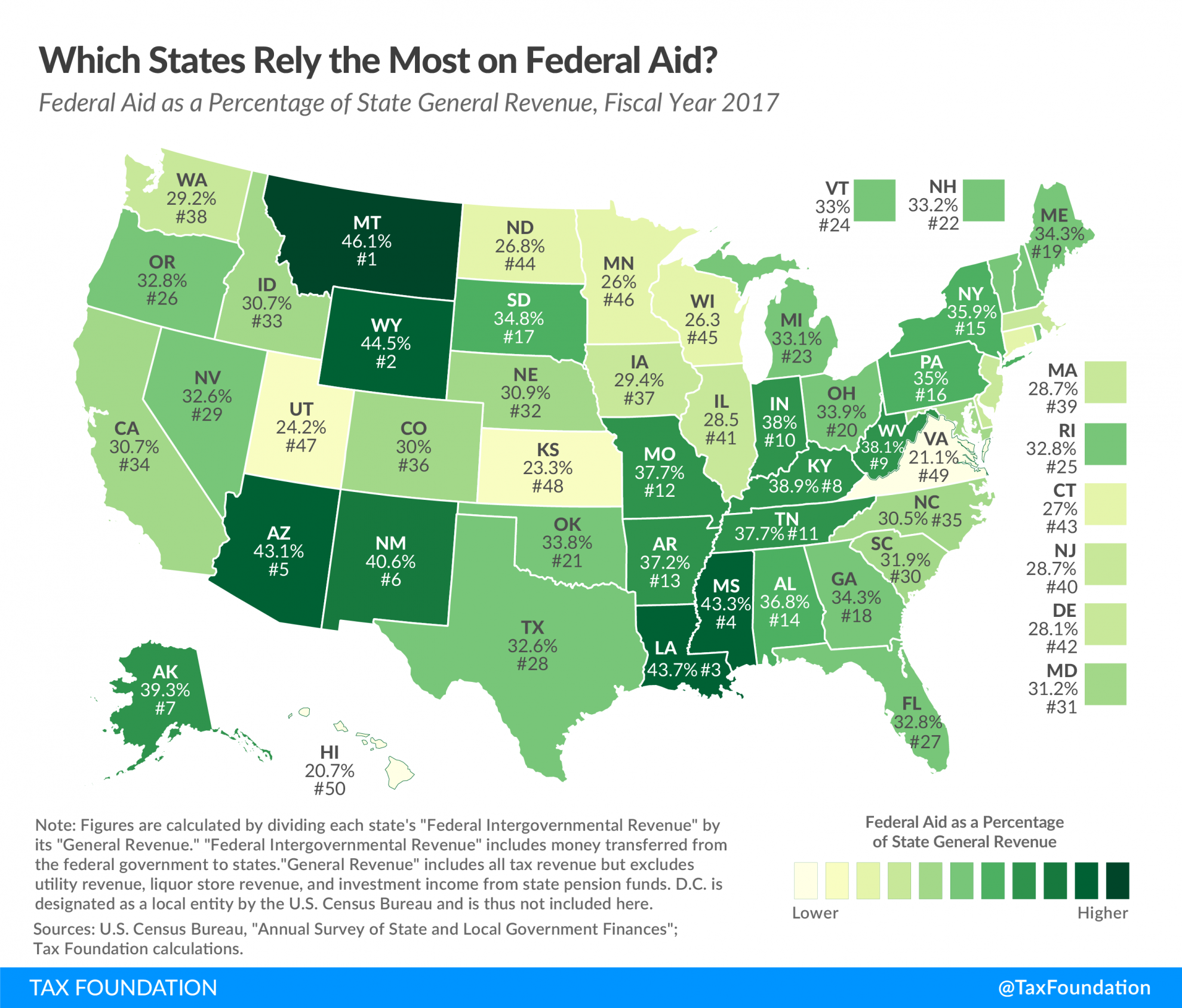
Federal funding, in various forms, permeates nearly every sector of the Alaskan economy. Unlike many states that boast diverse manufacturing or agricultural bases, Alaska’s economy has historically been driven by natural resources, primarily oil and gas. While the Permanent Fund provides a unique financial buffer, the state’s vast public lands, significant military presence, and relatively small population mean that federal dollars play an outsized role in supporting everything from essential infrastructure to conservation efforts, and crucially, the development of its travel and tourism sectors. This intricate financial relationship shapes not just the state budget, but also the daily lives of Alaskans and the unforgettable journeys of those who come to explore its wonders.
The Lifeline of Infrastructure: Fueling Alaska’s Accessibility
For a state as geographically expansive and sparsely populated as Alaska, infrastructure is not merely a convenience; it is the backbone of connectivity and economic viability. Federal loans and grants are indispensable in building and maintaining the critical networks that allow residents to live, businesses to operate, and tourists to access its remote attractions. Without substantial federal investment, many of the travel experiences that draw millions to Alaska each year simply would not be possible. The cost of construction in Alaska is notoriously high due to logistics, labor, and materials, making federal support not just helpful, but often the sole avenue for project completion.
Roads, Rails, and Runways: Connecting Remote Wonders
The vast distances in Alaska mean that transportation infrastructure is paramount. Federal Highway Administration grants, for instance, are vital for maintaining and expanding the limited road network that connects major cities like Anchorage, Fairbanks, and Juneau. These roads are not just for commuters; they are the arteries for RV travelers heading to Denali National Park or adventurers seeking the remote beauty of the Chugach National Forest. The Alaska Department of Transportation & Public Facilities heavily relies on these funds to ensure safe passage through challenging terrains, often requiring innovative engineering solutions to combat permafrost, earthquakes, and extreme weather.
Airports, especially those serving smaller, isolated communities, are equally dependent on federal aviation grants. Many villages are “off the road system,” meaning air travel is their only link to the outside world for essential goods, services, and medical care. For tourists, these regional airports in places like Kotzebue or Barrow (Utqiagvik) are gateways to authentic Arctic experiences, wildlife viewing, and cultural immersion. The Federal Aviation Administration’s Airport Improvement Program (AIP) is a cornerstone of funding for upgrades, safety enhancements, and new construction, ensuring that visitors can reach even the most remote and untouched parts of the state. These federal investments ensure that the airstrips, crucial for lodges and guides offering wilderness excursions, remain operational and safe.
The Alaska Railroad, a historic and scenic railway, also benefits indirectly and directly from federal support. While a state-owned corporation, its operations and maintenance often tie into broader federal transportation initiatives and environmental regulations that can receive grant funding. For tourists, the railroad offers one of the most iconic ways to experience Alaska, winding through stunning landscapes from Seward to Fairbanks, passing through Anchorage and providing unique access to Denali National Park.
Ports of Call: Gateways for Cruising Adventures
Alaska’s coastline, stretching over 34,000 miles, is a primary draw for the global cruise industry. Ports in cities like Juneau, Ketchikan, Sitka, and Skagway are bustling hubs during the summer season, welcoming hundreds of thousands of visitors. Federal funding, often through grants from the U.S. Department of Transportation’s Maritime Administration (MARAD) or the Economic Development Administration (EDA), is frequently instrumental in port infrastructure development and improvements. These funds help modernize docks, improve passenger terminals, and enhance logistics, which are all vital for accommodating the massive cruise ships that bring economic prosperity to these coastal communities.
Furthermore, the Alaska Marine Highway System (AMHS), a state-run ferry service, functions as a critical transportation link for many coastal towns, some of which are only accessible by sea or air. The AMHS, often referred to as a “marine highway,” is heavily subsidized by the state but also seeks federal grants for vessel maintenance, replacements, and operational support. This ferry system is not just a lifeline for residents; it’s an adventurous travel experience for tourists who want to explore the Inside Passage or transport their vehicles to remote destinations, making it an integral part of Alaska’s unique travel appeal. The continued viability of these maritime links directly influences the accessibility and appeal of coastal Alaska as a top travel destination.
Preserving Paradise: Federal Support for Natural Wonders and Cultural Heritage
Alaska’s greatest asset, undeniably, is its pristine wilderness, vast national parks, and rich Indigenous cultures. The allure of untouched nature, abundant wildlife, and vibrant heritage is what primarily draws visitors from across the globe. Much of this “paradise” is federally owned and managed, meaning that federal grants and appropriations are the primary means of its preservation and responsible presentation to the public. The relationship between federal funding and the state’s natural and cultural resources is symbiotic, benefiting both conservation efforts and the tourism industry that thrives on them.
Protecting National Parks and Wilderness Areas
Over two-thirds of Alaska’s land is federally owned, including eight national parks, numerous national preserves, national forests, and wildlife refuges. Iconic destinations like Denali National Park, Glacier Bay National Park, Katmai National Park and Preserve, and Wrangell-St. Elias National Park and Preserve are managed by the National Park Service, an agency of the U.S. Department of the Interior. These parks receive their operating budgets and funding for infrastructure projects, visitor centers, trail maintenance, and scientific research directly from federal appropriations. These funds pay for park rangers, educational programs, search and rescue operations, and vital conservation efforts that protect species like grizzly bears, moose, and caribou – animals that are often the highlight of an Alaskan adventure.
Similarly, the U.S. Forest Service manages the Tongass National Forest and the Chugach National Forest, two immense temperate rainforests offering unparalleled opportunities for hiking, fishing, and wildlife viewing. The Bureau of Land Management oversees millions of acres of public lands available for various recreational activities. Federal funding ensures these lands are accessible, well-maintained, and stewarded in a way that preserves their ecological integrity while allowing for sustainable tourism. Without these funds, the very wilderness that defines Alaska and draws travelers would be at risk of degradation or lack the necessary infrastructure to be safely explored.
Sustaining Indigenous Cultures and Local Economies
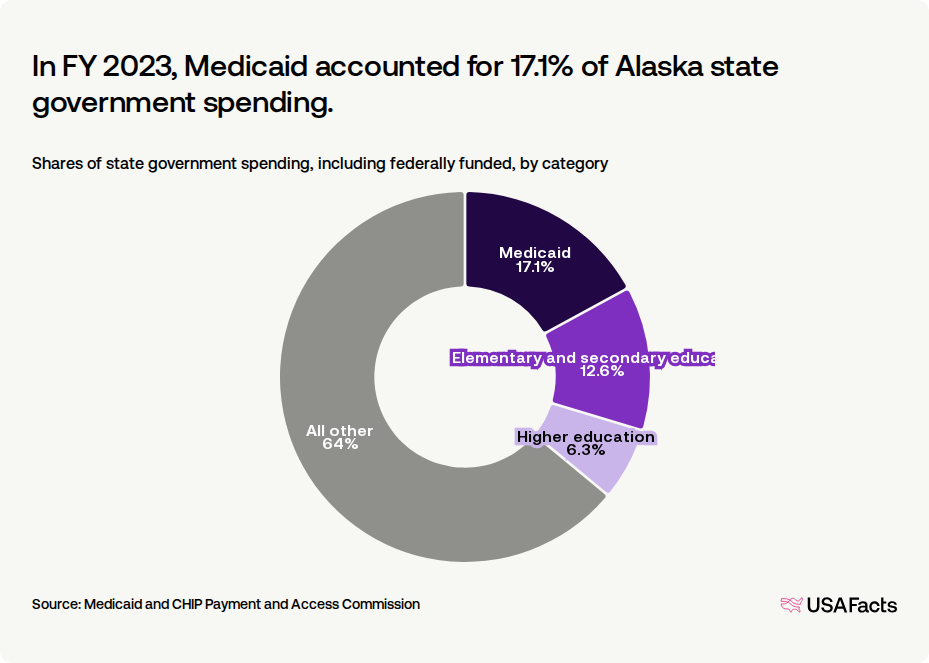
Alaska is home to 229 federally recognized tribes, more than any other state. The federal government has a trust responsibility to these Indigenous peoples, which manifests in various grants and programs designed to support tribal governments, healthcare, education, housing, and economic development. These funds are crucial for sustaining vibrant cultural practices, preserving languages, and supporting local economies in remote villages. For the tourism sector, this support indirectly contributes to the authenticity and richness of cultural experiences offered to visitors. Many visitors seek out opportunities to learn about Native Alaskan history, art, and traditions, whether through visits to cultural centers in Anchorage or Fairbanks, attending festivals, or experiencing village life firsthand.
Grants from agencies like the National Endowment for the Arts or the National Endowment for the Humanities can also support cultural institutions and projects that highlight Indigenous heritage, making them more accessible and attractive to tourists. Furthermore, federal programs aimed at small business development or rural economic diversification can empower local Indigenous entrepreneurs to establish tourism-related ventures, such as guided cultural tours, artisan craft shops, or wilderness lodges. This allows for a more equitable distribution of tourism benefits and a more authentic cultural exchange for visitors, enriching the overall Alaskan travel experience.
Economic Ripple Effect: From Federal Funds to Tourist Dollars
The federal financial inflow into Alaska is not simply absorbed; it creates a significant ripple effect throughout the state’s economy, directly and indirectly bolstering the tourism and hospitality sectors. From stimulating local businesses to attracting further private investment, federal funds lay a foundation upon which a robust and diverse visitor economy can be built. This intertwining of public funding and private enterprise is particularly pronounced in a state with unique economic challenges and opportunities.
Empowering Local Businesses and Hospitality
Many businesses in Alaska directly or indirectly benefit from federal spending. Construction companies working on federally funded infrastructure projects, for example, employ Alaskans who then spend their wages locally, supporting restaurants, retail, and services – including those catering to tourists. Small business grants and loans from the Small Business Administration (SBA) can be critical for new or expanding tourism-related enterprises, such as tour operators, guides, accommodations providers, or souvenir shops. A lodge owner in Homer might use an SBA loan to expand their Aurora Sky Lodge facilities, or a wilderness outfitter in Talkeetna might secure funds to upgrade their equipment for guided expeditions.
The presence of military bases, such as Joint Base Elmendorf-Richardson in Anchorage or Eielson Air Force Base near Fairbanks, also represents a significant federal economic footprint. Military personnel and their families contribute to the local economy as consumers, and their presence supports a variety of local businesses, including hotels, resorts, and recreational services. When these individuals host visiting friends or family, they become part of the tourism market, directly benefiting local hospitality providers. The federal payroll provides a stable economic base that helps insulate Alaska from some of the volatility of its resource-based economy.
Attracting Investment and Innovation in Travel
Federal grants can act as a catalyst for private investment. For example, if federal funds contribute to improving airport facilities in a remote area, it can make that area more attractive for private developers to build new hotels or expand existing resorts, like the potential new “Coastal Wilderness Resort” in Valdez. Similarly, federal support for scientific research in Alaska’s unique ecosystems can lead to new discoveries and educational opportunities that draw niche tourism markets, such as ecotourism or scientific tourism.
The federal government also invests in broadband infrastructure, which is increasingly vital for modern tourism. High-speed internet access allows visitors to share their experiences, enables remote booking and digital marketing for local businesses, and supports the operational needs of hotels and tour operators. Programs like the Universal Service Fund aim to bridge the digital divide in rural areas, directly improving the visitor experience and the capacity of local tourism providers to compete in a global market. This technological backbone is essential for everything from guests at a Grand Hyatt Hotel Anchorage checking their email to a small B&B in Seward managing online bookings.
Navigating the Future: Sustainability and Diversification
While federal reliance is a deeply ingrained aspect of Alaska’s economic fabric, there is an ongoing conversation about the optimal balance between federal support and economic independence. The state’s unique challenges, combined with its immense potential for sustainable tourism, mean that future strategies will likely involve both continued federal partnership and intensified efforts toward diversification and self-sufficiency. This balance is critical for ensuring the long-term health of both the state’s economy and its invaluable natural resources.
Balancing Reliance with Economic Independence
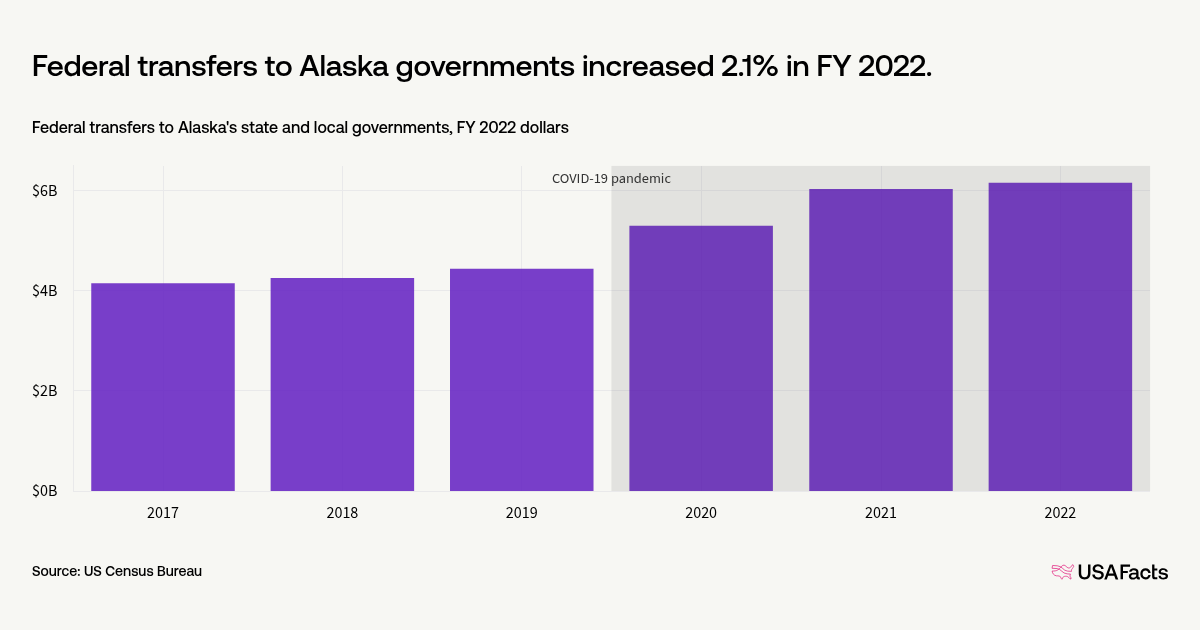
The debate over Alaska’s federal reliance often centers on resource extraction versus conservation, and the desire for more local control over development. While federal funds are vital, they also come with federal regulations and priorities that may not always align perfectly with state or local interests. Diversification of the economy beyond oil and gas is a consistent goal, and tourism is seen as a major part of that future. However, developing tourism infrastructure and marketing a state as vast and complex as Alaska still requires significant upfront investment, much of which will continue to be sought from federal sources.
The state government continually seeks to leverage federal funds strategically, directing them towards projects that will have the greatest long-term economic impact and help foster sectors less prone to global commodity price fluctuations. This includes investing in workforce development programs to train Alaskans for jobs in the hospitality and tourism sectors, reducing reliance on seasonal imported labor. By developing a skilled local workforce, Alaska can maximize the economic benefits of federal investments in tourism infrastructure and promotion.
Opportunities for Sustainable Tourism Growth
Federal loans and grants are increasingly geared towards sustainable development and resilience, which aligns perfectly with Alaska’s tourism ethos. Programs from agencies like the Environmental Protection Agency (EPA) or the Department of Energy can provide funding for renewable energy projects, energy efficiency upgrades for hotels and lodges, or sustainable waste management initiatives in tourist areas. Such investments not only reduce operational costs but also enhance Alaska’s brand as a leader in responsible travel. Visitors, increasingly conscious of their environmental footprint, are often willing to pay a premium for eco-friendly experiences and accommodations.
Furthermore, federal grants supporting scientific research on climate change and its impacts on Alaska’s glaciers, wildlife, and coastal communities also contribute to the tourism narrative. Educational tourism focused on climate science and conservation draws visitors interested in understanding these critical issues firsthand. Federal agencies also contribute to mapping and charting efforts, vital for safe navigation for cruise ships and recreational boating in the pristine, yet challenging, waters of the Inside Passage and beyond. This commitment to scientific understanding and environmental protection underpins the long-term sustainability of Alaska’s natural attractions.
In conclusion, Alaska’s reliance on federal loans and grants is not merely significant; it is foundational to its economic structure, its capacity to connect its vast territories, and its ability to preserve and present its unparalleled natural and cultural heritage. From the roads and airports that open up remote wilderness to the national parks that safeguard iconic wildlife, and the support for Indigenous communities, federal dollars are woven into the very fabric of the Alaskan experience. As Alaska continues to evolve, balancing this essential federal partnership with strategic diversification, especially in the thriving tourism sector, will be key to charting a resilient and prosperous future for the Last Frontier. For travelers, understanding this unique financial ecosystem offers deeper insight into the incredible journeys and experiences awaiting them in this magnificent land.
LifeOutOfTheBox is a participant in the Amazon Services LLC Associates Program, an affiliate advertising program designed to provide a means for sites to earn advertising fees by advertising and linking to Amazon.com. Amazon, the Amazon logo, AmazonSupply, and the AmazonSupply logo are trademarks of Amazon.com, Inc. or its affiliates. As an Amazon Associate we earn affiliate commissions from qualifying purchases.