
Embarking on an Alaska cruise represents a dream vacation for many, offering unparalleled access to stunning glaciers, abundant wildlife, and captivating coastal towns. The allure of the Last Frontier draws travelers from around the globe, eager to witness its majestic beauty. While the idea of an “all-inclusive” package often conjures images of worry-free travel, understanding the true scope of what’s included, and what isn’t, is crucial for anyone planning a voyage to Alaska. This guide aims to demystify the costs associated with an all-inclusive Alaska cruise, helping you budget effectively and select the perfect adventure.

Deconstructing the “All-Inclusive” Label in Alaska Cruises
The term “all-inclusive” can vary significantly across the cruise industry, and Alaska cruises are no exception. Unlike some land-based resorts where virtually everything is covered, cruise lines often have distinct interpretations of what constitutes an all-inclusive experience. Understanding these nuances is the first step toward accurately calculating your total vacation cost.
What “All-Inclusive” Truly Means on a Cruise
For most mainstream cruise lines, an “all-inclusive” Alaska cruise typically covers the basics, ensuring a comfortable and entertaining journey without constant nickel-and-diming for core services. This generally includes:
- Accommodation: Your chosen cabin category, from interior staterooms to luxurious suites.
- Dining: Most meals in the main dining rooms, casual buffets, and sometimes a selection of snack bars or cafes. This usually means breakfast, lunch, and dinner, along with various snacks throughout the day.
- Basic Beverages: Water, tea, coffee (non-specialty), milk, and sometimes juice are available at specific venues or during meal times.
- Entertainment: Access to Broadway-style shows, live music, comedy acts, daily activities (trivia, dance classes, games), and use of onboard facilities like swimming pools, hot tubs, and fitness centers.
- Port Fees and Taxes: These are often rolled into the advertised “all-inclusive” price, though it’s always wise to confirm.
- Transportation: Your passage between ports of call along the Alaskan coast.
However, it’s important to note that the depth of these inclusions can vary. A cruise line like Regent Seven Seas Cruises or Silversea offers a far more comprehensive “all-inclusive” package than a mainstream line like Norwegian Cruise Line or Royal Caribbean, which might offer “all-inclusive” as an add-on package or specific promotion. The former typically includes unlimited specialty restaurants, premium alcoholic beverages, gratuities, shore excursions, and sometimes even pre-cruise hotel stays and flights.
What’s Often Not Included
Even with an “all-inclusive” label, several significant expenses are typically excluded from the base fare on most Alaska cruises, especially with mainstream operators. These are critical to factor into your budget:
- Shore Excursions: Exploring destinations like Juneau, Skagway, and Ketchikan often involves organized tours such as whale watching, dog sledding, glacier treks, or floatplane excursions to remote areas. These can range from $50 to $500+ per person per excursion.
- Specialty Dining: While main dining rooms are included, most ships offer premium restaurants with unique cuisines that come with an additional per-person cover charge or à la carte pricing.
- Premium Alcoholic Beverages and Specialty Coffee: While basic drinks are included, cocktails, wine, beer, and espresso-based coffees usually cost extra, often purchased à la carte or through a separate drink package.
- Gratuities: These service charges for the ship’s staff are typically not included in the upfront price on mainstream cruises and can amount to $16-$20 per person per day. Some luxury lines do include them.
- Spa Treatments and Salon Services: Massages, facials, haircuts, and other personal care services are always an additional cost.
- Wi-Fi and Internet Access: Satellite internet on a cruise ship is often expensive, sold in packages or by the minute.
- Travel to and from the Port: Flights to embarkation cities like Seattle, Vancouver, or Anchorage, as well as pre- and post-cruise hotel stays, ground transportation, and airport transfers, are almost never included in the cruise fare.
- Travel Insurance: Highly recommended for any cruise, travel insurance provides coverage for cancellations, medical emergencies, and lost luggage. This is an essential separate purchase.
- Souvenirs and Shopping: Any purchases made in onboard boutiques or in port towns will add to your expenses.
Factors Shaping Your Alaska Cruise Budget
The final cost of your all-inclusive Alaska cruise is influenced by a multitude of factors, making it a highly customizable travel experience. Understanding these variables will empower you to make informed decisions that align with your budget and preferences.
Cruise Line and Ship Choice
The single most significant factor in cost is the cruise line itself. The industry offers a spectrum from value-oriented to ultra-luxury.
- Mainstream Cruise Lines: Brands like Princess Cruises, Holland America Line, Norwegian Cruise Line, Royal Caribbean, and Celebrity Cruises dominate the Alaskan market. They offer excellent value, with a broad range of cabin options, dining choices (both included and specialty), and entertainment. Their “all-inclusive” might mean a promotion bundling a drink package or gratuities.
- Premium Cruise Lines: Lines like Oceania Cruises or Viking Ocean Cruises often include more in their base fare, such as some specialty restaurants, non-alcoholic beverages, and occasionally a shore excursion credit.
- Luxury and Expedition Cruise Lines: Silversea, Regent Seven Seas Cruises, and expedition lines like Lindblad Expeditions offer the most genuinely all-inclusive experiences. Their fares typically cover nearly everything: flights, pre-cruise hotels, all specialty dining, premium drinks, gratuities, Wi-Fi, and a selection of shore excursions or expedition gear. The price reflects this comprehensive package and a higher level of service and smaller ship experience.
Itinerary and Duration
Alaska cruises generally come in two main types:
- 7-Day Roundtrip Inside Passage: These typically depart from Seattle or Vancouver and navigate the calm waters of the Inside Passage, visiting ports like Juneau, Skagway, and Ketchikan, often including a scenic day cruising Glacier Bay National Park or Tracy Arm Fjord. These are the most common and generally the most affordable option.
- One-Way Gulf of Alaska Cruises (7+ days): These sail between Vancouver or Seattle and Anchorage (or nearby ports like Whittier or Seward). They offer more extensive glacier viewing and often include a land tour (cruisetour) to places like Denali National Park before or after the cruise. These are typically longer and more expensive due to the added land portion and potentially higher flight costs to / from different ports.
Longer cruises, such as 10-day or 14-day voyages, will naturally incur higher costs than shorter 7-day options, regardless of the “all-inclusive” status.
Cabin Category
Your choice of cabin plays a significant role in the price.
- Interior Cabins: The most budget-friendly option, offering no windows or balconies.
- Oceanview Cabins: Feature a window or porthole with a view of the sea.
- Balcony Cabins: Extremely popular for Alaska cruises, providing a private outdoor space to enjoy the breathtaking scenery. These are often considerably more expensive than interior or oceanview.
- Suites: Offering the most space, amenities, and often exclusive perks (like priority boarding, concierge service, and access to private lounges or dining areas), suites are the most luxurious and expensive choice.
Time of Year
The Alaskan cruise season typically runs from late April to late September. Prices fluctuate significantly within this window:
- Peak Season (July and August): These months offer the warmest weather, longest daylight hours, and best chances for wildlife sightings. Consequently, they are the most expensive times to cruise.
- Shoulder Seasons (May, early June, and September): These periods offer better value. May and early June feature blooming wildflowers and active wildlife, while September brings stunning fall foliage and fewer crowds. While temperatures might be cooler and rain more common, the savings can be substantial.
Average Costs and Real-World Examples
To give you a clearer picture, let’s look at some average price ranges for a 7-day all-inclusive Alaska cruise, keeping in mind that these are estimates and can vary widely based on the factors mentioned above.
Mainstream Cruise Lines (e.g., Norwegian Cruise Line, Royal Caribbean, Celebrity Cruises, Princess Cruises, Holland America Line)
For a 7-day roundtrip Inside Passage cruise, expect the base fare per person to be:

- Interior Cabin: $800 – $1,500
- Oceanview Cabin: $1,000 – $2,000
- Balcony Cabin: $1,500 – $3,000
- Suites: $3,000 – $6,000+
These prices typically include your cabin, standard dining, basic entertainment, and port fees/taxes. If you opt for an “all-inclusive” package promotion (often called “Free at Sea” by Norwegian Cruise Line or “Princess Plus” by Princess Cruises), you might add $500-$1,000+ per person to the base fare, but this would often include a drink package, Wi-Fi, specialty dining credits, and gratuities.
Total Estimated Cost (7-day mainstream, per person with “all-inclusive” add-ons):
- Budget-Friendly (Interior, Shoulder Season): $1,500 – $2,500
- Mid-Range (Balcony, Peak Season): $3,000 – $5,000
- Higher End (Suite, Peak Season): $5,000 – $8,000+
Remember to add flights, pre/post-cruise hotels, and excursions, which can easily add another $1,000 – $3,000+ per person, depending on your choices.
Luxury and Ultra-Luxury Options
For truly all-inclusive luxury lines like Regent Seven Seas Cruises or Silversea, the upfront cost is significantly higher, but covers almost everything, leaving very few unexpected expenses.
- 7-day Luxury Cruise (Suite only, per person): $6,000 – $15,000+
This price range includes flights, pre-cruise hotels, all beverages (including premium alcohol), specialty dining, gratuities, Wi-Fi, and a generous selection of shore excursions. While the sticker price is higher, the per-day value can be comparable or even better than a mainstream cruise once all “extras” are tallied.
Hidden Costs and How to Minimize Them
Even with careful planning, some costs might surprise first-time cruisers. Being proactive can help:
- Pre-paid Gratuities: Many lines allow you to prepay gratuities before your cruise, locking in the rate and avoiding a surprise bill at the end.
- Drink Packages: If you plan to consume alcoholic beverages, specialty coffees, or sodas regularly, a drink package on a mainstream cruise can offer significant savings compared to buying drinks individually. Analyze your potential consumption to see if a package is worthwhile.
- Shore Excursion Budgeting: Research excursions in advance. Decide which are “must-dos” and which you can forgo for independent exploration. In towns like Juneau, the Mendenhall Glacier can be reached by local bus or shuttle, saving money compared to an organized tour. In Skagway, you can walk through the historic town for free. Consider booking excursions independently through reputable local operators for potential savings, though this requires more research.
- Onboard Spending: Set a daily budget for souvenirs, casino play, or other discretionary spending to avoid overspending.
Navigating the Booking Process and Saving Money
Securing the best value for your all-inclusive Alaska cruise requires strategic planning and timing.
Best Time to Book and Travel
- Book Early: For Alaska cruises, booking 9-18 months in advance often secures the best rates and cabin selection, especially for popular routes or peak season sailings. Early booking incentives can include onboard credit, cabin upgrades, or bundled “all-inclusive” perks.
- Consider Shoulder Seasons: As mentioned, May, early June, and September offer significant savings compared to July and August, often with fewer crowds and unique scenic beauty (wildflowers in spring, fall colors in autumn).
- Last-Minute Deals: While rare for popular Alaska itineraries, some last-minute deals might appear if a ship isn’t fully booked. However, this is risky as cabin choices will be limited, and flights might be more expensive.
Considering Inclusions and Packages
When comparing “all-inclusive” packages or promotions from different cruise lines, look beyond the headline price.
- Value of Bundled Perks: Calculate the real value of included drink packages, Wi-Fi, specialty dining, and shore excursion credits. Sometimes, a slightly higher base fare with more inclusions offers better overall value than a lower base fare where you pay for everything à la carte.
- Compare Apples to Apples: If one cruise line includes gratuities and another doesn’t, add the estimated gratuity cost to the latter’s fare for a fair comparison.
- Cruise Planners/Travel Agents: A knowledgeable travel agent specializing in cruises can often find exclusive deals, group rates, or added perks that aren’t available directly to the public. They can also provide invaluable advice on itineraries and shore excursions.
Port Exploration and Independent Activities
While organized shore excursions offer convenience and expert guidance, exploring ports independently can be a rewarding and cost-effective alternative.
- Walkable Towns: Many Alaskan port towns like Skagway and Ketchikan have charming downtown areas within walking distance of the pier, offering historical sites, local shops, and eateries.
- Local Transport: Utilize local buses, taxis, or shuttle services to reach attractions just outside town, such as the Mendenhall Glacier in Juneau, rather than booking an expensive ship-sponsored tour.
- Research in Advance: Consult guidebooks, online forums, and travel blogs for independent activity ideas and local recommendations in each port.
- Free Activities: Look for free ranger talks in national parks like Glacier Bay National Park or self-guided walking tours in historic districts.
The Unforgettable Alaska Cruise Experience
Beyond the numbers, an Alaska cruise offers an experience unlike any other, justifying the investment for many travelers. The unique blend of natural beauty, wildlife, and cultural immersion makes it a bucket-list destination.
Must-See Landmarks and Activities
The itinerary itself is a significant part of the value. A typical Alaska cruise will feature:
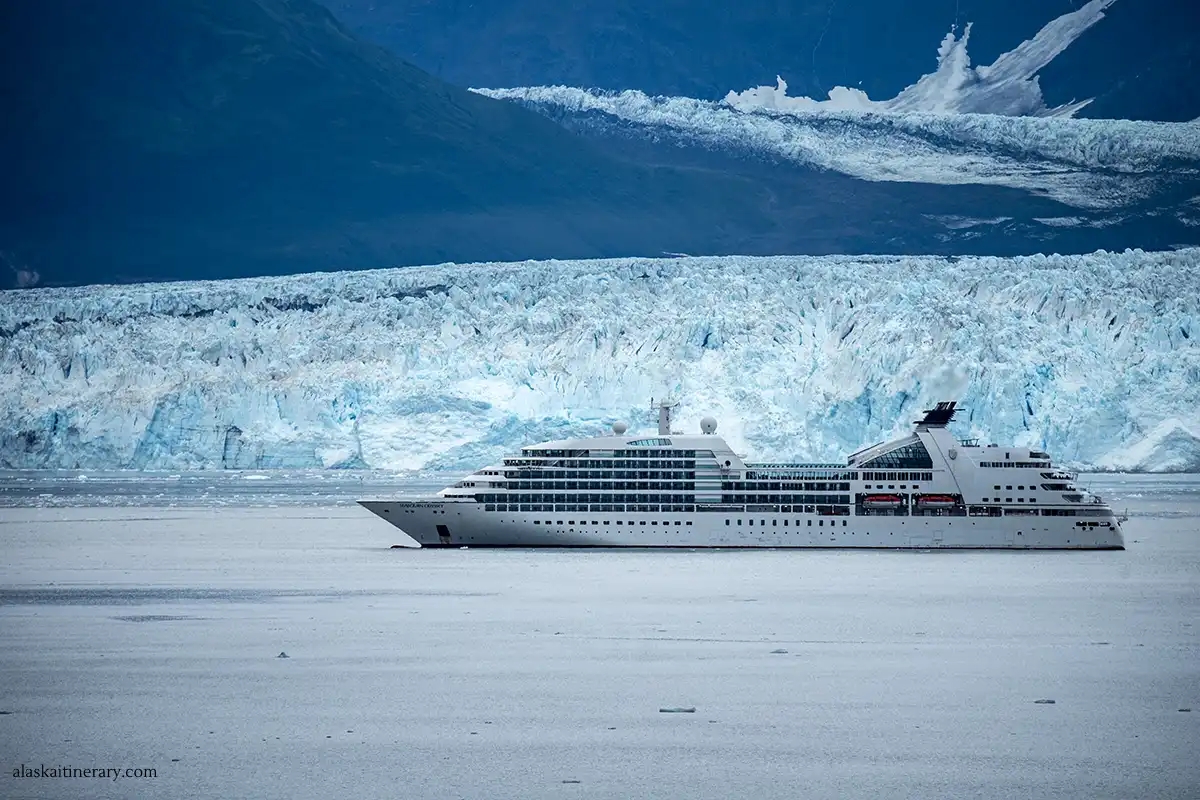
- Glacier Viewing: Days spent cruising past magnificent tidewater glaciers in places like Glacier Bay National Park, Tracy Arm Fjord, or Hubbard Glacier, often accompanied by naturalists providing commentary.
- Wildlife Spotting: Opportunities to see whales (humpback, orca), seals, sea lions, eagles, and sometimes bears or moose from the comfort of your ship or on specialized tours.
- Historic Port Towns: Exploring the Gold Rush history of Skagway, the Tlingit culture and totem poles of Ketchikan, and the capital city charm of Juneau, which is only accessible by air or sea.
- Adventure Excursions: From kayaking through fjords to helicopter tours over glaciers, dog sledding on a glacier, or salmon fishing, the activity options are diverse and exhilarating.
Beyond the Ship: Pre and Post-Cruise Stays
To truly maximize your Alaskan adventure, consider extending your trip with pre or post-cruise stays.
- Gateway Cities: Spend a few days exploring Seattle, Vancouver, or Anchorage. These vibrant cities offer their own attractions, museums, and culinary scenes, providing a great prelude or epilogue to your cruise.
- Cruisetours: For a deeper dive into inland Alaska, particularly a visit to Denali National Park to see Mount Denali, a cruisetour combining a one-way cruise with an escorted land tour is an excellent option. While adding to the cost, it offers a more comprehensive Alaskan experience.
In conclusion, an all-inclusive Alaska cruise can range from a budget-conscious adventure to an ultra-luxury expedition, with costs typically starting around $1,500 and easily exceeding $15,000 per person for a 7-day journey. By understanding the true meaning of “all-inclusive” for different cruise lines, carefully considering your preferences for cabin, itinerary, and travel season, and proactively budgeting for potential extra expenses like shore excursions and gratuities, you can embark on a magnificent Alaskan voyage that perfectly fits your desires and financial plan. The stunning landscapes and unforgettable experiences make it an investment truly worth making.
LifeOutOfTheBox is a participant in the Amazon Services LLC Associates Program, an affiliate advertising program designed to provide a means for sites to earn advertising fees by advertising and linking to Amazon.com. Amazon, the Amazon logo, AmazonSupply, and the AmazonSupply logo are trademarks of Amazon.com, Inc. or its affiliates. As an Amazon Associate we earn affiliate commissions from qualifying purchases.