
The question of “What’s The Minimum Wage In Connecticut?” might seem purely economic, but for travelers, remote workers, or anyone considering a stay in the Nutmeg State, it offers vital insights. Understanding Connecticut’s wage landscape provides a clearer picture of the cost of living, the value of services, and the overall affordability of experiencing its rich history, natural beauty, and vibrant culture. From coastal towns like Mystic to urban centers such as Hartford and New Haven, the state’s economic policies subtly influence everything from dining costs to the quality of hospitality. This guide will explore Connecticut’s minimum wage, its implications for tourism and lifestyle, and how to effectively budget for your travels in this diverse New England destination.

Understanding Connecticut’s Minimum Wage Landscape
Connecticut has consistently led among states advocating for a higher minimum wage, a policy choice reflecting a commitment to ensuring a more livable income for its workforce. This progressive stance has tangible effects on its economy and, consequently, on the experience of visitors and temporary residents.
The Current Rate and Future Projections
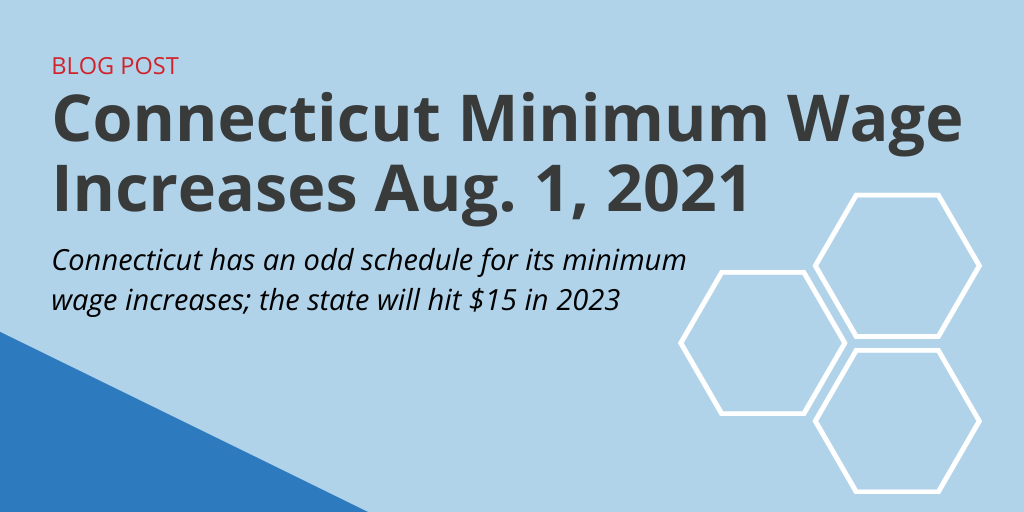
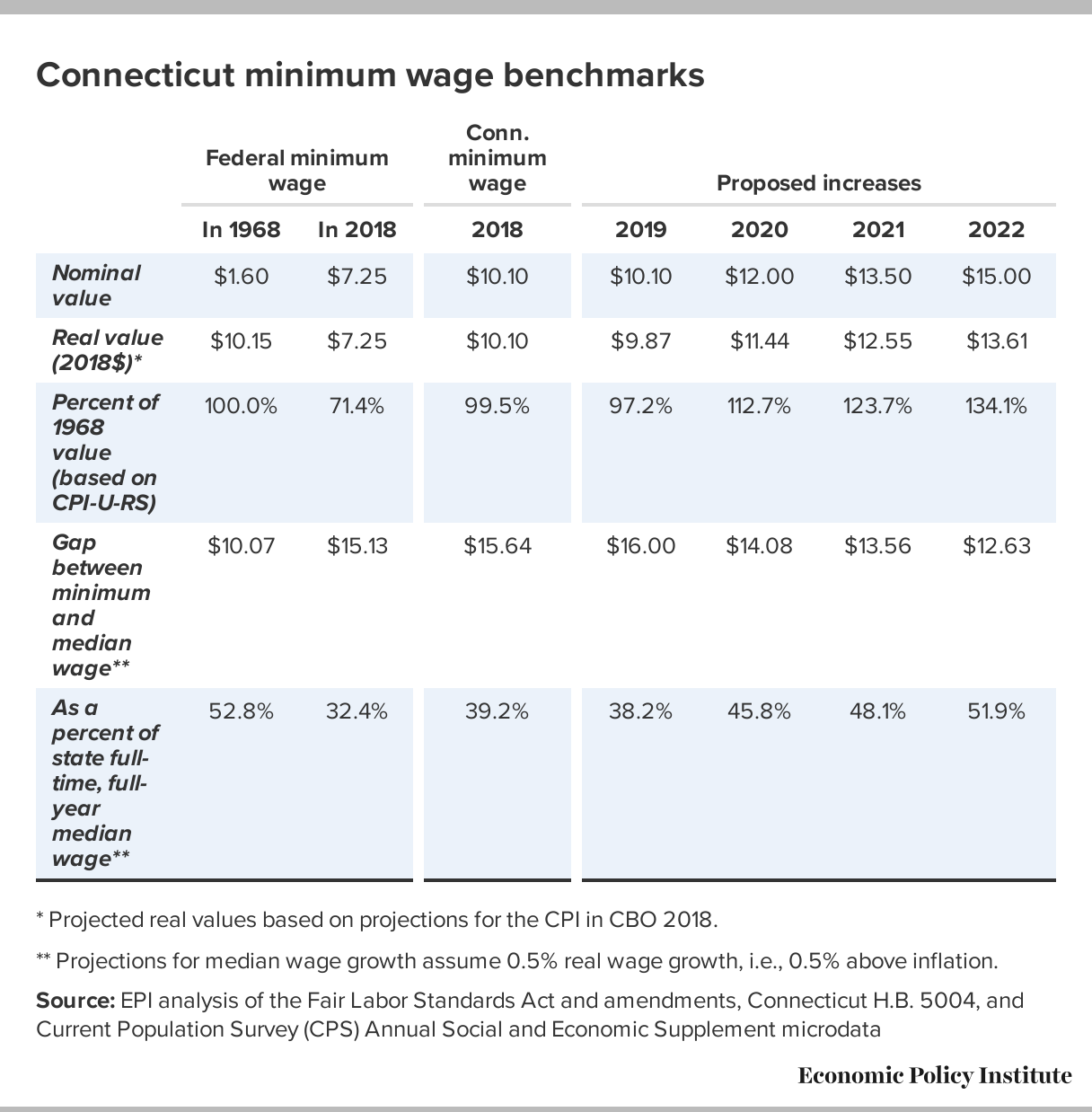
As of June 1, 2023, the minimum wage in Connecticut is $15.00 per hour. This significant increase culminated a multi-year legislative initiative to gradually elevate the wage. A forward-thinking aspect of Connecticut’s policy is its indexing mechanism: starting January 1, 2024, and annually thereafter, the minimum wage will be adjusted according to the federal Employment Cost Index (ECI). The ECI, published by the U.S. Department of Labor‘s Bureau of Labor Statistics, measures changes in labor costs. This ensures the minimum wage automatically keeps pace with inflation, providing stability for workers and businesses, including the crucial hospitality sector. For travelers, this implies a generally consistent economic environment, where service costs evolve with broader economic trends, contributing to a stable and fairly compensated local workforce.
Historical Context and Policy Evolution
Connecticut’s journey to a $15.00 minimum wage began with legislation passed in 2019, outlining a phased increase from $10.10 per hour. This gradual implementation allowed businesses, particularly smaller enterprises and those in tourism, adequate time to adapt their budgets and pricing strategies. Linking future increases to the ECI further solidifies Connecticut’s position as a state committed to progressive wage policy. This history underscores a deliberate effort to improve residents’ quality of life, which often translates into a more stable and welcoming atmosphere for visitors. A fairly compensated workforce tends to exhibit higher morale and deliver better service, enhancing the overall tourist experience, whether dining in a charming New Haven eatery or checking into a boutique hotel in Greenwich.
Minimum Wage and the Connecticut Traveler: Budgeting for Your Trip
Understanding the local economic landscape is essential for planning any trip, especially for budget-conscious travelers. Connecticut’s higher minimum wage has distinct implications for how visitors might experience the state.
Impact on Service Costs and Local Expenses
A higher minimum wage invariably leads to increased labor costs for service-oriented businesses like restaurants, cafes, hotels, and attractions. These costs are frequently incorporated into consumer prices. Consequently, dining out or staying in certain accommodations in Connecticut might appear marginally more expensive than in states with lower wage floors. For example, an artisanal coffee in Stamford or a fresh seafood dinner along Long Island Sound might carry a slightly higher price tag. However, this premium often reflects a commitment to fair wages for the individuals providing these services, potentially contributing to better service quality and a stronger local economy. Budget-conscious travelers can mitigate these costs through strategic planning, such as exploring local markets, utilizing public transport in urban areas, or opting for lunch specials. Many smaller, local establishments often offer competitive pricing, demonstrating that quality and affordability can coexist.
Exploring Connecticut on a Budget
Despite potential impacts on some service costs, Connecticut remains a highly accessible and rewarding destination for budget travelers. The state abounds in natural beauty, history, and cultural experiences, many of which are free or low-cost. Stroll through the historic districts of New Haven and marvel at Yale University’s architecture without spending a dime. Enjoy scenic beaches in towns like Westport or Hammonasset Beach State Park in Madison, often requiring only a nominal parking fee. Hiking trails in numerous state parks, such as Talcott Mountain State Park (home to Heublein Tower), offer breathtaking views for free.
Many museums, like the Wadsworth Atheneum Museum of Art in Hartford, offer free admission days or discounted rates. Picnics in scenic parks, self-catering some meals from local grocery stores, and seeking out happy hour deals are excellent ways to reduce food expenses. Charming towns like Kent or Chester invite leisurely exploration. While iconic attractions such as Mystic Seaport Museum and Gillette Castle State Park have admission fees, they offer immersive experiences providing excellent value.
Seasonal Work and Lifestyle: Earning While Exploring Connecticut
For individuals contemplating a working holiday or seasonal employment, Connecticut’s minimum wage policies present a compelling advantage. Earning a competitive hourly rate can significantly enhance the feasibility of exploring the state’s myriad attractions.
Opportunities for Travelers and Students
Connecticut’s vibrant tourism and hospitality sectors, particularly during peak seasons like summer and fall, regularly offer seasonal job opportunities. These roles are ideal for students, gap-year travelers, or anyone eager to experience New England while earning an income. Common positions include roles in hotels and resorts (e.g., front desk, housekeeping), amusement parks like Lake Compounce, cultural institutions such as Mystic Aquarium, and various restaurants and retail outlets. Coastal towns like Old Saybrook and Niantic experience increased visitor traffic, leading to higher demand for service staff. The $15.00 minimum wage ensures that even entry-level positions offer a respectable income, allowing individuals to cover living expenses and still have discretionary funds for exploring Connecticut’s landmarks or taking day trips to neighboring states like Rhode Island or Massachusetts. Such employment provides a unique avenue for cultural immersion.
Living Comfortably: What the Wage Buys
Earning $15.00 an hour in Connecticut provides a solid foundation for a comfortable lifestyle, particularly for a single individual or those sharing living arrangements. A full-time minimum wage earner (40 hours/week) would earn approximately $600 before taxes. With prudent financial management, this income can cover shared rent in many towns, groceries, utilities, and still allow for entertainment and travel within the state. While areas in Fairfield County, such as Greenwich or Darien, are known for their high cost of living, more affordable options are available in central and eastern Connecticut. Renting a room in a shared house or apartment is a common and cost-effective strategy for seasonal workers. This wage empowers individuals to truly engage with the Connecticut lifestyle, from visiting the historic Mark Twain House & Museum in Hartford to exploring the serene beauty of the Litchfield Hills or experiencing the excitement of Foxwoods Resort Casino and Mohegan Sun without excessive financial strain.
Connecticut’s Unique Appeal: Beyond the Wage
While the minimum wage offers a practical perspective on the state’s economic environment, Connecticut’s appeal extends far beyond these considerations. It is a destination rich in diverse experiences, catering to every type of traveler.
Diverse Attractions for Every Interest
Connecticut offers an impressive array of attractions, blending historical significance with natural splendor and modern entertainment. History buffs can immerse themselves in America’s maritime past at the Mystic Seaport Museum or explore the architectural wonder of Gillette Castle State Park. Literary enthusiasts will find inspiration at the Mark Twain House & Museum and the Harriet Beecher Stowe Center in Hartford.
Families will delight in the marine life at Mystic Aquarium and the thrilling rides at Lake Compounce in Bristol. The state’s natural beauty is showcased along its picturesque coastline, with charming towns like Stonington and Old Lyme, and inland through rolling hills, lush forests, and the tranquil Connecticut River. Adventures range from kayaking to touring vineyards along the Connecticut Wine Trail. For entertainment, the world-class Foxwoods Resort Casino and Mohegan Sun provide gaming, dining, concerts, and luxury shopping. Even a serene journey on the Essex Steam Train & Riverboat offers a unique perspective on Connecticut’s charming landscapes.
Accommodation Choices and Hospitality Standards
Connecticut’s hospitality sector provides a diverse range of accommodation options. From opulent resorts and upscale boutique hotels in urban centers like Greenwich and New Haven, to quaint bed and breakfasts in the Litchfield Hills and budget-friendly motels near major routes, every budget and style is catered for. The presence of a fair minimum wage positively impacts service quality. When hospitality staff are fairly compensated, it generally leads to higher job satisfaction, reduced turnover, and a more dedicated workforce. This translates directly into more attentive service, meticulously clean rooms, and a more pleasant overall guest experience. Whether you choose a historic inn, a contemporary urban hotel, or a cozy vacation rental, you benefit from the peace of mind that your travel spending supports a local economy committed to fair labor practices.
Conclusion
The minimum wage in Connecticut, currently $15.00 per hour with future increases tied to the Employment Cost Index, is a crucial element of the state’s economic framework. It influences everything from the cost of your morning coffee to the quality of service at your chosen accommodation. For travelers, understanding this wage is key to effective budgeting and a more informed exploration of the state. For those considering temporary work, it highlights the potential for a financially sustainable and enriching experience. Beyond the economic considerations, Connecticut consistently captivates visitors with its rich history, stunning natural beauty, and diverse attractions, spanning the maritime wonders of Mystic to the academic grandeur of New Haven and the vibrant culture of Hartford. By choosing Connecticut for your next New England adventure, you not only embark on a memorable journey but also indirectly support a local economy that prioritizes fair wages, fostering high standards of living and service for all.
LifeOutOfTheBox is a participant in the Amazon Services LLC Associates Program, an affiliate advertising program designed to provide a means for sites to earn advertising fees by advertising and linking to Amazon.com. Amazon, the Amazon logo, AmazonSupply, and the AmazonSupply logo are trademarks of Amazon.com, Inc. or its affiliates. As an Amazon Associate we earn affiliate commissions from qualifying purchases.