
Alaska, often dubbed “The Last Frontier,” is a land of extremes, captivating travelers with its majestic landscapes, abundant wildlife, and unique natural phenomena. Among its most distinctive characteristics is the dramatic fluctuation of daylight hours throughout the year, culminating in periods where the sun barely graces the horizon, or doesn’t at all. This phenomenon, known as polar night, transforms certain parts of the state into a realm of prolonged twilight or complete darkness, offering an unparalleled travel experience unlike any other on Earth. Understanding when and where this occurs is crucial for anyone planning a journey to this remarkable USA state, shaping expectations for everything from sightseeing to photography and even daily routines.
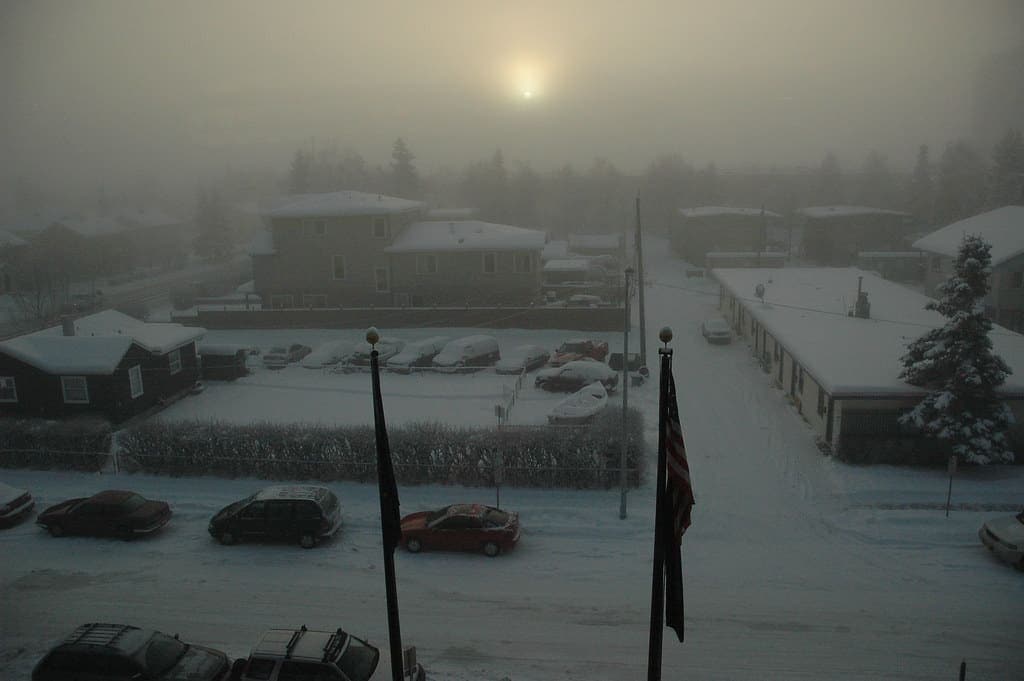
The concept of constant darkness might sound daunting, but it’s an integral part of Alaska’s allure, influencing local culture, activities, and the very rhythm of life. For intrepid travelers, it presents a unique opportunity to witness the ethereal beauty of the Northern Lights, engage in thrilling winter sports, and experience the cozy warmth of Alaskan hospitality against a backdrop of endless night. This comprehensive guide will delve into the science behind Alaska’s dark days, pinpoint the locations most affected, and provide essential tips for planning an unforgettable trip during these unique times.
Understanding Alaska’s Unique Relationship with Light and Darkness
Alaska’s position on the globe grants it a peculiar dance with the sun, one that varies dramatically with the seasons. Its northern reaches extend deep into the Arctic Circle, the imaginary line that encircles the North Pole at approximately 66.5 degrees North latitude. This geographical placement is the primary driver of the state’s extreme light cycles.
The Phenomenon of Polar Night
Polar night is a natural phenomenon that occurs in the polar regions during winter months when the sun remains below the horizon for more than 24 hours. This isn’t just about short days; it means the sun genuinely does not rise. The duration and intensity of polar night depend entirely on a location’s latitude. The closer a place is to the North Pole, the longer and more profound its experience of continuous darkness will be.
This fascinating occurrence is a direct result of Earth’s axial tilt. Our planet is tilted on its axis by approximately 23.5 degrees relative to its orbit around the sun. As Earth journeys through space, different parts of the globe receive varying amounts of direct sunlight. During the Northern Hemisphere’s winter, specifically around the winter solstice (late December), the North Pole is tilted furthest away from the sun. Consequently, areas within the Arctic Circle are perpetually shaded from direct sunlight, leading to days, weeks, or even months without a sunrise.
While the sun might not make an appearance, “dark all day” doesn’t necessarily mean pitch blackness around the clock. Depending on how far above the Arctic Circle a location is, there can still be periods of civil twilight, nautical twilight, or even astronomical twilight. Civil twilight, the brightest form, allows for outdoor activities without artificial light and often paints the horizon with stunning hues. As one moves further north, these twilight periods shorten, leading to deeper and more prolonged darkness.
Geographical Factors: Latitude and the Arctic Circle
Alaska’s vast expanse means that its experience with dark days is far from uniform. The state stretches from roughly 54 degrees North latitude in the south to over 71 degrees North in the far north. Only the northernmost regions, those situated above the Arctic Circle, truly experience polar night.
For locations directly on the Arctic Circle, there is typically one day each year around the winter solstice when the sun doesn’t rise. As you travel northward from this line, the number of “dark days” progressively increases. Cities like Anchorage and Juneau, while experiencing significantly shorter days in winter, never plunge into full polar night. Their southernmost positions prevent the sun from remaining entirely below the horizon for 24 hours. Instead, they contend with limited daylight, often just a few hours of weak sun, requiring locals and visitors to adapt their routines. This distinct variation in light cycles adds another layer of complexity and fascination for anyone exploring Alaska’s diverse landscapes and local cultures.
Navigating the Darkness: Specific Regions and Their Experiences
To truly grasp when Alaska is dark all day, it’s essential to look at specific locations, as the experience varies dramatically across the state.
Utqiagvik: The Epicenter of Polar Night
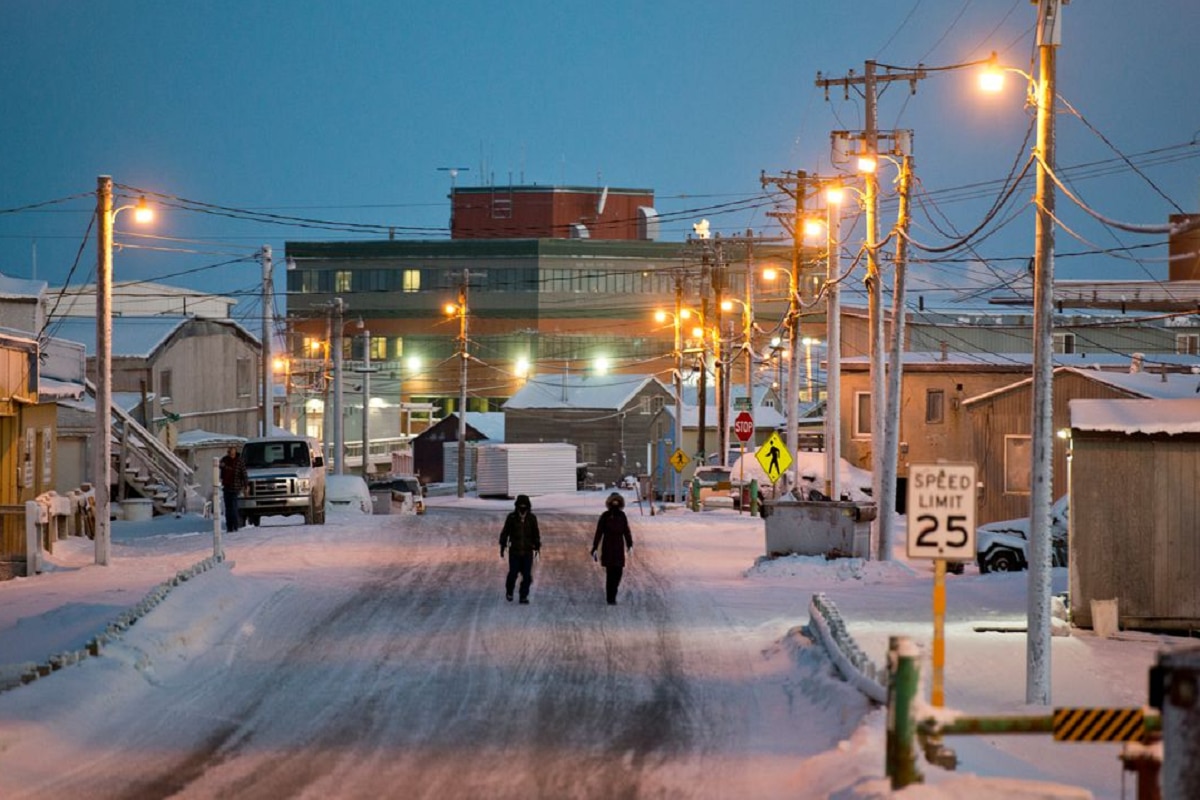
The most famous example of polar night in Alaska is undoubtedly Utqiagvik, formerly known as Barrow. Situated at approximately 71 degrees North latitude, Utqiagvik is the northernmost city in the USA and is deep within the Arctic Circle. Here, the sun sets for the last time in mid-November and does not rise again until late January. This means Utqiagvik experiences approximately 65 days of continuous darkness, a phenomenon that attracts a certain type of adventure tourist eager to witness this unique facet of life in the high Arctic.
During this period, residents and visitors experience a prolonged twilight rather than absolute blackness for much of the “day.” The sky might glow with soft blues, purples, and sometimes hints of orange at the southern horizon during what would typically be midday, created by the sun’s indirect light refracting through the atmosphere. However, the sun itself remains well below the horizon. This extended twilight is often punctuated by the spectacular displays of the Northern Lights dancing across the night sky, providing a vibrant contrast to the subtle natural light. For those seeking an immersive experience in the heart of polar night, visiting Utqiagvik during this period offers an unparalleled glimpse into a truly remote and unique Alaskan lifestyle.
Fairbanks and Interior Alaska: A Different Shade of Winter
Moving south from Utqiagvik, the experience of winter darkness shifts. Fairbanks, located just south of the Arctic Circle at about 64 degrees North latitude, does not experience true polar night. However, its winter days are remarkably short. Around the winter solstice in December, Fairbanks might see as little as 3 hours and 41 minutes of daylight. This means the sun rises late in the morning and sets early in the afternoon, leading to very long periods of darkness.
While the sun does make an appearance, its trajectory across the sky is very low, casting long shadows and bathing the landscape in a soft, ethereal light. The snow-covered terrain reflects what little sunlight there is, making the environment brighter than one might expect. This “deep twilight” experience in Fairbanks is actually ideal for chasing the Northern Lights, as the longer nights provide ample opportunity for viewing, especially away from city lights. The city is often considered one of the best places in the world to witness the aurora borealis, making it a prime destination for winter tourism. The interior region also boasts a robust winter tourism industry, offering activities like ice sculpting, dog mushing, and soaking in natural hot springs under the vast, dark sky.
Southern Coastal Alaska: Shorter Days, Not Constant Night
Further south, cities like Anchorage (approx. 61 degrees North), Juneau (approx. 58 degrees North), Seward (approx. 60 degrees North), and Ketchikan (approx. 55 degrees North) never experience polar night. Even at the winter solstice, the sun always rises, albeit for a significantly shorter duration than in lower latitudes.
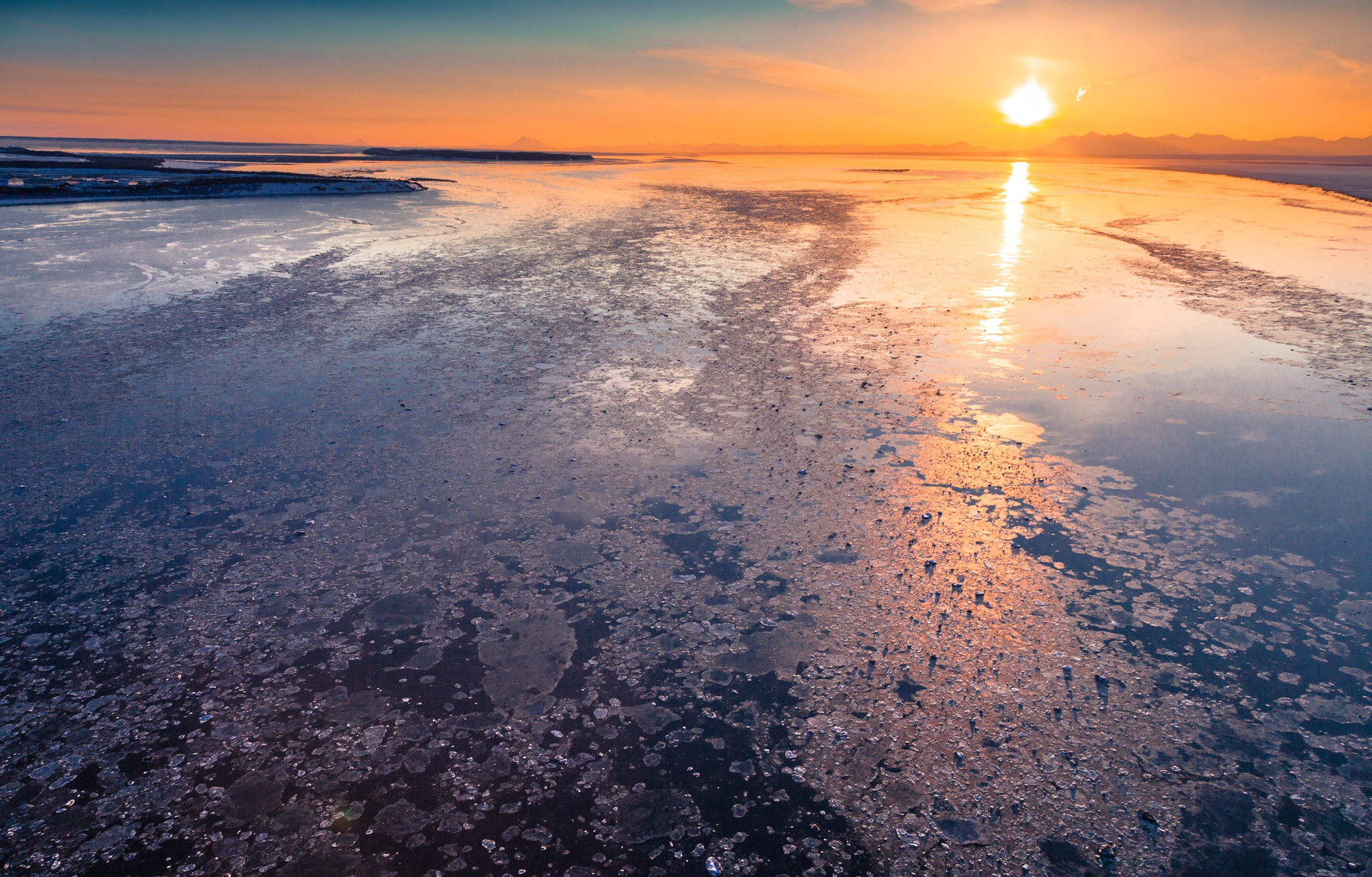
- Anchorage, Alaska’s largest city, sees about 5 hours and 30 minutes of daylight around December 21st. The sun rises around 10 AM and sets by 3:30 PM. While the days are short, they are filled with enough light for many outdoor activities, and the surrounding mountains often provide a stunning backdrop of alpenglow during sunrise and sunset.
- Juneau, the capital city, experiences roughly 6 hours and 15 minutes of daylight in mid-winter. Its coastal location often means cloudier skies, which can further obscure the limited daylight, leading to a generally dimmer feel.
- Seward, a popular port city, has similar daylight hours to Anchorage but its location further south means it doesn’t get quite as dark.
- Ketchikan, in the Panhandle, has the longest winter days among these cities, with about 7 hours and 15 minutes of daylight around the solstice, comparable to parts of Northern Canada or Scandinavia.
For these southern regions, the challenge isn’t continuous darkness, but rather adapting to limited daylight and embracing the long hours of evening. It means planning activities efficiently, enjoying cozy indoor pursuits, and perhaps experiencing less energy drain than visitors to the far north might. Travel to these areas during winter offers a different kind of Alaskan adventure, often characterized by milder temperatures (compared to the Arctic), abundant snow for recreation, and the cultural richness of its communities.
Embracing the Alaskan Winter: Activities and Travel Tips
Visiting Alaska during its darker months is an extraordinary endeavor that promises unique rewards. It’s a time when the landscapes are pristine, the crowds are thin, and the spirit of adventure is palpable. However, it requires careful planning and a willingness to embrace the distinct conditions.
Dazzling Displays: Chasing the Northern Lights
One of the most compelling reasons to visit Alaska during its long nights is the unparalleled opportunity to witness the Northern Lights, or aurora borealis. The longer the darkness, the more hours you have for potential viewing, assuming clear skies and sufficient solar activity.
- Best Locations: Fairbanks is often hailed as the “Aurora Capital of the World” due to its favorable position directly under the “auroral oval” (a band where aurora activity is most concentrated) and its relatively dry, clear winter nights. Other good viewing spots include areas near Anchorage (away from city lights), Denali National Park (though limited access in winter), and indeed, even Utqiagvik if you brave the extreme cold.
- Best Time: The prime viewing season is from late August to April. For maximum darkness, and therefore maximum viewing hours, December to March are excellent.
- Planning Your Chase: Consider booking an aurora tour, which often includes transportation to dark sky locations, warm shelters, and expert guides. Many hotels and resorts in Fairbanks offer aurora wake-up calls, ensuring you don’t miss a display. Photography workshops are also popular, teaching you how to capture the elusive dancing lights. This focus on celestial observation ties directly into the ‘Experiences’ and ‘Activities’ aspects of tourism.
Winter Sports and Cultural Experiences
Beyond the aurora, Alaska’s winter offers a plethora of activities that thrive in the cold and snow, providing a truly immersive lifestyle experience.
- Dog Mushing: Experience the thrill of dog sledding, whether as a passenger on a tour or by learning to drive your own team. This is deeply rooted in Alaskan culture and is a quintessential winter activity.
- Ice Skating and Hockey: Many communities maintain outdoor rinks, offering classic winter fun under the stars or twilight sky.
- Skiing and Snowboarding: Downhill resorts like Alyeska Resort near Anchorage offer fantastic slopes, while cross-country skiing is popular across the state’s extensive trail systems.
- Ice Sculpting: Fairbanks hosts the World Ice Art Championships, a stunning display of artistry that attracts visitors from around the globe.
- Hot Springs: Relax in natural hot springs like Chena Hot Springs near Fairbanks, providing a warm contrast to the frigid air and an excellent spot for aurora viewing.
- Cultural Immersion: Engage with local communities through festivals, native art galleries, and museums. The long winter nights often foster a strong sense of community and a rich calendar of indoor events. This supports the ‘Local Culture’ and ‘Activities’ aspects of the website’s Tourism focus.
Preparing for Your Dark Season Adventure
Traveling to Alaska during the polar night or short daylight periods requires specific preparations to ensure comfort and enjoyment.
- Layered Clothing: The most critical aspect of winter packing for Alaska is layering. Think base layers (wool or synthetic), insulating mid-layers (fleece or down), and a waterproof/windproof outer shell. Don’t forget insulated boots, warm hats, gloves or mittens, and neck gaiters. Temperatures can plummet well below freezing, especially in the interior and Arctic.
- Managing Energy Levels: The lack of daylight can affect mood and energy. Consider bringing a portable light therapy lamp (SAD lamp) if you’re prone to Seasonal Affective Disorder. Maximize exposure to natural light during the limited daylight hours and maintain a consistent sleep schedule.
- Safety in Darkness: With long periods of darkness, visibility can be an issue. Always carry a headlamp or flashlight, especially if venturing outdoors in the evenings. Wear reflective clothing if walking or recreating near roads.
- Accommodation and Booking: While winter sees fewer tourists than summer, booking accommodations, especially in smaller towns or popular aurora-viewing hubs, is still advisable. Look for hotels, resorts, or cozy cabins that offer amenities like blackout curtains (for sleeping during the aurora search) and good heating. Researching ‘Hotels’ and ‘Accommodation’ on sites like lifeoutofthebox.com can help find suitable options, from budget-friendly stays to luxury resorts.
- Vehicle Preparation: If renting a car, ensure it’s equipped for winter driving with studded tires or snow tires, and always carry an emergency kit. Engine block heaters are common and often essential in colder regions.
The Balance: From Midnight Sun to Polar Night
Alaska’s extreme light cycles are not just about darkness; they are part of a broader spectrum of natural phenomena that includes the equally captivating “Midnight Sun.”
The Midnight Sun: Alaska’s Summer Contrast
Just as the winter brings extended darkness, the summer months in Alaska usher in the “Midnight Sun,” where the sun remains visible for 24 hours or more above the Arctic Circle. Even in southern cities like Anchorage, summer days can stretch to 19-20 hours of daylight. This stark contrast highlights the dynamic relationship Alaska has with its celestial neighbor.
The Midnight Sun, occurring around the summer solstice (late June), is the flip side of polar night, caused by the same axial tilt but with the North Pole tilted towards the sun. It’s a period of intense activity, growth, and vibrant energy for both nature and people. Travelers during this time enjoy endless daylight for hiking, fishing, wildlife viewing, and exploring Alaska’s majestic national parks. Understanding both the Midnight Sun and polar night is key to appreciating the complete cycle of Alaskan life and its unique attractions.
Planning Your Alaskan Journey: When to Visit
Deciding when to visit Alaska largely depends on the experience you seek.
- For the Midnight Sun and extensive outdoor exploration: June, July, and August are ideal. These months offer the warmest temperatures, maximum daylight, and full access to most trails and remote areas. This is the peak season for traditional tourism (Destinations, Attractions, Guides).
- For the Northern Lights and unique winter adventures: September through April provide the best opportunities for aurora viewing. December to March offer the most consistent cold and snow for winter sports and experiencing deep twilight or polar night. This caters to adventure travel, unique experiences, and lifestyle tourism.
- Shoulder Seasons (May, September, October): These months offer a balance, with fewer crowds, often lower prices, and a mix of accessible activities. Early May sees lengthening days and melting snow, while September and October bring crisp air, fall foliage, and the return of significant darkness for aurora hunting.
Ultimately, Alaska is a destination that truly offers something for every season and every type of traveler. Whether you dream of experiencing the profound darkness of polar night in Utqiagvik, chasing the vibrant Northern Lights in Fairbanks, or simply enjoying the crisp winter air and short, beautiful days in Anchorage, this extraordinary state promises an unforgettable adventure that will undoubtedly redefine your understanding of light and time. Travelers should consider the unique allure of embracing the darkness as much as they would the endless light, for both are integral to the captivating spirit of Alaska.
LifeOutOfTheBox is a participant in the Amazon Services LLC Associates Program, an affiliate advertising program designed to provide a means for sites to earn advertising fees by advertising and linking to Amazon.com. Amazon, the Amazon logo, AmazonSupply, and the AmazonSupply logo are trademarks of Amazon.com, Inc. or its affiliates. As an Amazon Associate we earn affiliate commissions from qualifying purchases.