
The question of whether Puerto Rico can vote in US elections is one that often sparks curiosity, reflecting the island’s unique and complex relationship with the United States. As a vibrant destination celebrated for its stunning natural beauty, rich history, and captivating culture, Puerto Rico draws millions of visitors annually. Travelers flock to its sun-drenched beaches, explore the cobblestone streets of Old San Juan, and hike through the lush rainforests of El Yunque National Forest. Yet, beneath this idyllic surface lies a nuanced political reality that distinguishes it from the 50 states.
For those planning a trip, understanding Puerto Rico’s status offers a deeper appreciation for the island’s identity, its people, and the ongoing dialogue about its future. While Puerto Ricans are US citizens, their ability to participate in federal elections, particularly for the President and Vice President, is constrained by their territorial status. This arrangement has profound implications for both the island’s residents and the broader US political landscape. This article will delve into the intricacies of Puerto Rico’s political standing, clarify the voting rights of its residents, and explore the island’s captivating allure for travelers, connecting its unique status to its rich tapestry of experiences. From exploring historic landmarks like Castillo San Felipe del Morro to indulging in the local culinary scene, the distinct blend of American and Latin American influences born from its political history is palpable in every corner of this Caribbean gem.
Understanding Puerto Rico’s Unique Status
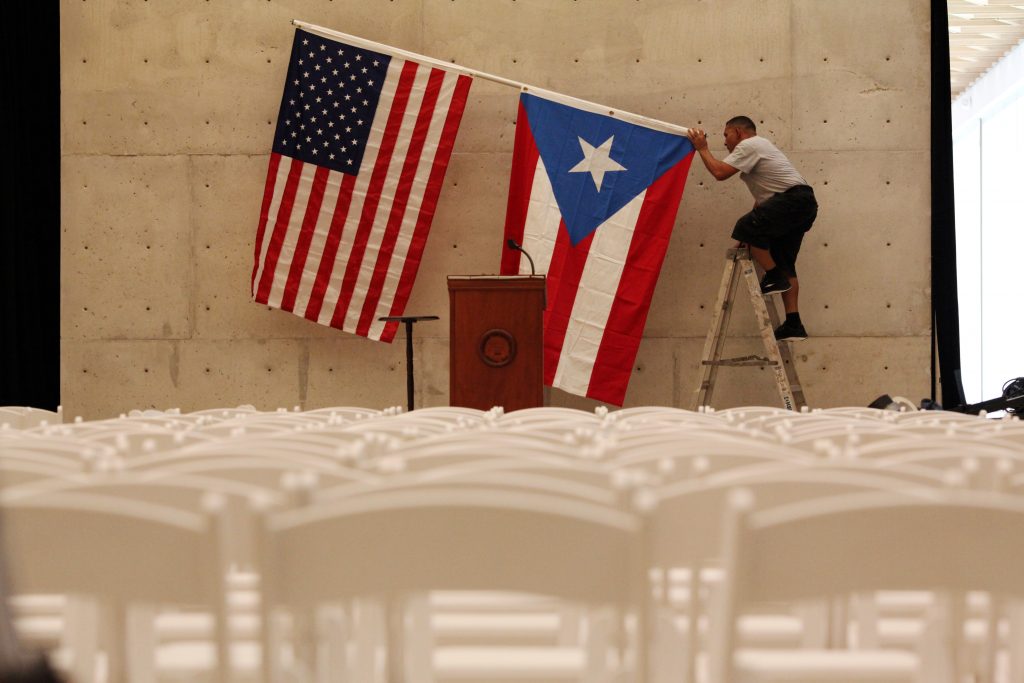
To fully grasp the voting rights of Puerto Ricans, it’s essential to first understand Puerto Rico’s political classification. It is not a state, nor is it an independent country; rather, it is an unincorporated territory of the United States. This designation carries significant implications for its governance and its citizens’ participation in federal democracy.
A Brief History of US-Puerto Rico Relations
The relationship between Puerto Rico and the United States dates back to 1898, following the Spanish-American War. Prior to this, Puerto Rico was a colony of Spain for over 400 years. As a result of the Treaty of Paris, Spain ceded Puerto Rico, along with Cuba and Guam, to the United States. Initially governed under military rule, the Foraker Act of 1900 established a civilian government, and in 1917, the Jones-Shafroth Act granted Puerto Ricans statutory US citizenship.
This pivotal moment meant that individuals born in Puerto Rico became US citizens, subject to US laws and entitled to carry US passports. However, this citizenship came without full political representation at the federal level. In 1952, Puerto Rico adopted its own constitution, establishing itself as a commonwealth, or officially, the Commonwealth of Puerto Rico (Estado Libre Asociado de Puerto Rico). This unique status allows for a degree of self-governance over local affairs, while remaining under US federal sovereignty.
What Being a US Territory Means
As an unincorporated territory, Puerto Rico is subject to the plenary powers of the US Congress. This means Congress has ultimate authority over the island, and residents do not have voting representation in Congress. They elect a Resident Commissioner, who can speak on the House floor and participate in committees but cannot vote on final legislation. Furthermore, Puerto Ricans living on the island do not pay federal income tax on income earned within Puerto Rico, though they do pay other federal taxes, such as Social Security and Medicare. This distinct arrangement shapes various aspects of life on the island, from economic development to cultural identity, and critically, impacts voting rights.
The Nuances of Voting Rights for Puerto Ricans
The primary question about voting in US elections for Puerto Ricans must be addressed with careful distinctions, as their rights vary significantly based on residency and the type of election.
Voting in Presidential Elections (or lack thereof on the island)
This is perhaps the most significant point of contention and confusion. Despite being US citizens, residents of Puerto Rico who live on the island cannot vote in the general election for the US President and Vice President. This is because the US Constitution assigns electoral votes for presidential elections only to states and the District of Columbia. Since Puerto Rico is a territory, its residents are excluded from this process. This lack of participation in choosing the nation’s highest office is a constant reminder of their disenfranchisement at the federal level. For many, it underscores the incomplete nature of their US citizenship, despite their military service and contributions to the United States.
Voting in Local and Primary Elections
While excluded from the general presidential election, Puerto Ricans residing on the island do have robust voting rights in local and primary elections. They can vote for their governor, local legislature, mayors, and other municipal officials, directly influencing the daily governance of the island. Furthermore, they participate in presidential primary elections of the major US political parties, helping to select the candidates who will ultimately run for president. While this allows them a voice in the initial stages of candidate selection, it does not translate to a vote in the final election, highlighting the unique position of Puerto Rico within the US political system.
Puerto Ricans in the Mainland US
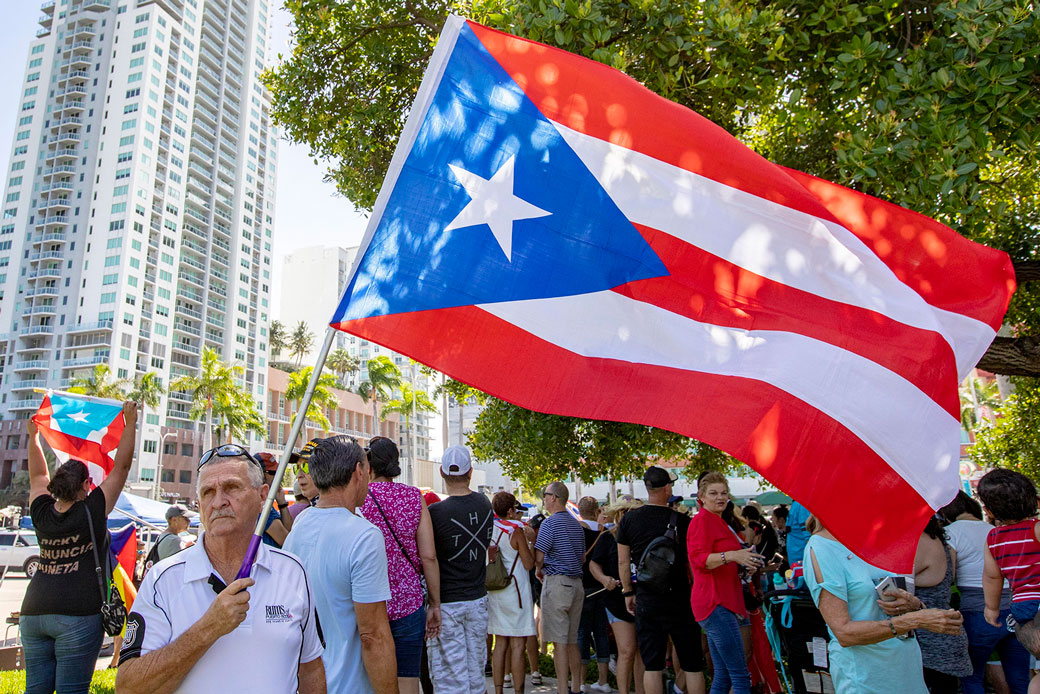
The situation changes entirely once a Puerto Rican citizen establishes residency in one of the 50 US states or the District of Columbia. Upon becoming a resident of a state, they gain the full voting rights of any other US citizen in that state. This includes the right to vote for President and Vice President, as well as for US Senators and Representatives. This distinction has led to significant migration from the island to the mainland, particularly during economic downturns, as many seek not only economic opportunity but also full political participation. Major US cities with large Puerto Rican populations, such as New York City, Orlando, and Miami in Florida, are examples where this demographic shift impacts state and national elections.
Puerto Rico’s Future: Statehood, Independence, or Enhanced Commonwealth?
The question of voting rights is intrinsically linked to the ongoing debate about Puerto Rico’s ultimate political status. For decades, the island has grappled with self-determination, holding multiple referendums to gauge public opinion on statehood, independence, or maintaining and enhancing its current commonwealth status. Each option presents a different vision for Puerto Rico’s future, with profound implications for its economy, culture, and, crucially, its residents’ political rights.
The Statehood Movement
Advocates for statehood argue that becoming the 51st state would grant Puerto Ricans full equality and representation within the US political system. This would mean full voting rights in federal elections, including presidential elections, and voting representation in both the House and Senate. Proponents believe statehood would also bring economic benefits, such as access to more federal funding and increased investor confidence, leading to greater stability and growth. For many, statehood is seen as the natural progression for US citizens who have contributed to the nation for over a century. However, opponents express concerns about the potential loss of Puerto Rico’s distinct cultural identity, the imposition of federal income taxes, and the economic adjustment period.
The Independence Movement
While a smaller movement, independence supporters envision a sovereign Puerto Rico free from US oversight. This option would allow Puerto Rico to forge its own foreign policy, economic agreements, and political system, fully controlling its destiny. While Puerto Ricans would cease to be US citizens (though current US citizens could retain their citizenship), they would gain full voting rights within their own independent nation. This path is often championed by those who believe in preserving Puerto Rico’s unique identity and culture, separate from US influence. Challenges include establishing a new independent economy, transitioning from existing federal programs, and navigating international relations as a new nation.
Maintaining the Commonwealth Status
The current commonwealth status has its defenders, who argue for an enhanced version that grants greater autonomy while maintaining the benefits of US citizenship and economic ties. This option typically advocates for greater self-governance, more control over local affairs, and potentially some form of non-voting representation or influence in federal decision-making, without fully integrating as a state or separating entirely. Proponents often highlight the stability offered by US citizenship, currency, and defense, combined with the ability to maintain unique tax incentives and cultural identity. However, critics argue that this status perpetuates the democratic deficit, leaving Puerto Ricans without full federal voting rights and subject to the ultimate authority of a Congress in which they have no voice.
Experiencing Puerto Rico Beyond Politics: A Traveler’s Guide
Beyond the political discussions, Puerto Rico remains an incredibly captivating destination, where its unique status has, in part, contributed to its rich cultural tapestry and diverse attractions. Travelers to Puerto Rico will discover an island that seamlessly blends Caribbean vibrancy with distinct American influences, creating a one-of-a-kind travel experience that aligns perfectly with the ethos of a lifestyle and travel website.
Cultural Fusion: A Culinary and Artistic Journey
The island’s history as a Spanish colony and a US territory has fostered a vibrant cultural fusion. This is especially evident in its cuisine, a tantalizing blend of Spanish, African, and Taino influences with a dash of American flair. From savory mofongo to crispy alcapurrias and the ubiquitous lechón, Puerto Rico’s food scene is a major draw. Travelers can explore bustling markets in San Juan or dine at world-class restaurants in areas like Condado and Santurce. The island’s artistic scene also thrives, from the colorful colonial architecture of Old San Juan to contemporary art galleries and vibrant street art that tells stories of the island’s past and present. Music, from salsa to reggaeton, pulses through the streets, inviting visitors to experience the infectious rhythms of island life.
Must-Visit Destinations
Puerto Rico offers an abundance of attractions for every type of traveler.
- Old San Juan: A UNESCO World Heritage Site, famous for its colorful Spanish colonial buildings, blue cobblestone streets, and historic forts like Castillo San Felipe del Morro and Castillo San Cristóbal. Don’t miss La Fortaleza, the governor’s mansion and a beautiful example of Spanish architecture.
- El Yunque National Forest: The only tropical rainforest in the US National Forest System, offering stunning hiking trails, waterfalls, and unique wildlife.
- Bioluminescent Bays: Experience the magical glow of nature at one of Puerto Rico’s three bioluminescent bays – Mosquito Bay on Vieques (considered the brightest in the world), Laguna Grande in Fajardo, and La Parguera in Lajas.
- Beaches: From the pristine white sands of Flamenco Beach on Culebra to the surfing mecca of Rincón on the west coast, Puerto Rico boasts some of the Caribbean’s most beautiful coastlines.
- Southern Charm: Explore the historic city of Ponce, known for its neoclassical architecture and vibrant plaza.
Accommodation and Lifestyle on the Island
Puerto Rico’s accommodation options cater to every preference and budget, reflecting its diverse visitor base. For those seeking luxury travel, numerous high-end resorts line the coasts of Dorado and Río Grande, offering world-class amenities and services. Boutique hotels in Old San Juan provide an immersive historical experience, while modern apartments and villas are available for longer stays, perfect for families or business travelers. Budget travel options are also plentiful, with guesthouses and smaller inns scattered across the island, especially in surf towns like Aguadilla and Isabela. The lifestyle on the island is a relaxed yet vibrant blend, where outdoor activities, delicious food, and lively music are central to daily life. Whether you’re interested in eco-tourism, historical exploration, or simply unwinding by the beach, Puerto Rico offers an accessible and enriching travel experience that highlights its unique place in the world.
In conclusion, the question “Can Puerto Rico vote in US elections?” reveals a complex political reality. While Puerto Ricans are US citizens, those residing on the island cannot vote in general presidential elections or have voting representation in Congress, a fundamental aspect of their territorial status. However, they actively participate in local and primary elections, and their full federal voting rights are restored upon establishing residency in a US state. This ongoing debate about statehood, independence, or an enhanced commonwealth continues to shape the island’s future, but it does not diminish Puerto Rico’s undeniable appeal as a travel destination. Its rich history, vibrant culture, and breathtaking natural landscapes offer a compelling journey for any visitor, inviting them to explore an island that, despite its unique political standing, embodies the spirit of resilience and beauty.
LifeOutOfTheBox is a participant in the Amazon Services LLC Associates Program, an affiliate advertising program designed to provide a means for sites to earn advertising fees by advertising and linking to Amazon.com. Amazon, the Amazon logo, AmazonSupply, and the AmazonSupply logo are trademarks of Amazon.com, Inc. or its affiliates. As an Amazon Associate we earn affiliate commissions from qualifying purchases.