
Arizona, often celebrated for its breathtaking desert landscapes, majestic mountains, and vibrant cities, draws millions of travelers annually seeking adventure, relaxation, and unparalleled natural beauty. From the awe-inspiring depths of the Grand Canyon National Park to the mystical red rock formations of Sedona, the saguaro-studded expanses of Saguaro National Park, and the bustling urban centers of Phoenix and Tucson, the Grand Canyon State offers an extraordinary array of experiences. However, like any natural environment, it comes with its own set of considerations for visitors, one of which often sparks curiosity and concern: the presence of ticks. So, to directly answer the question: yes, ticks do live in Arizona. Understanding their habitats, activity patterns, and prevention methods is crucial for any traveler looking to explore this stunning state safely and without undue worry. This comprehensive guide will equip you with the knowledge needed to enjoy your Arizona adventure to the fullest, transforming potential concerns into actionable safety measures.
Understanding the Tick Landscape in Arizona
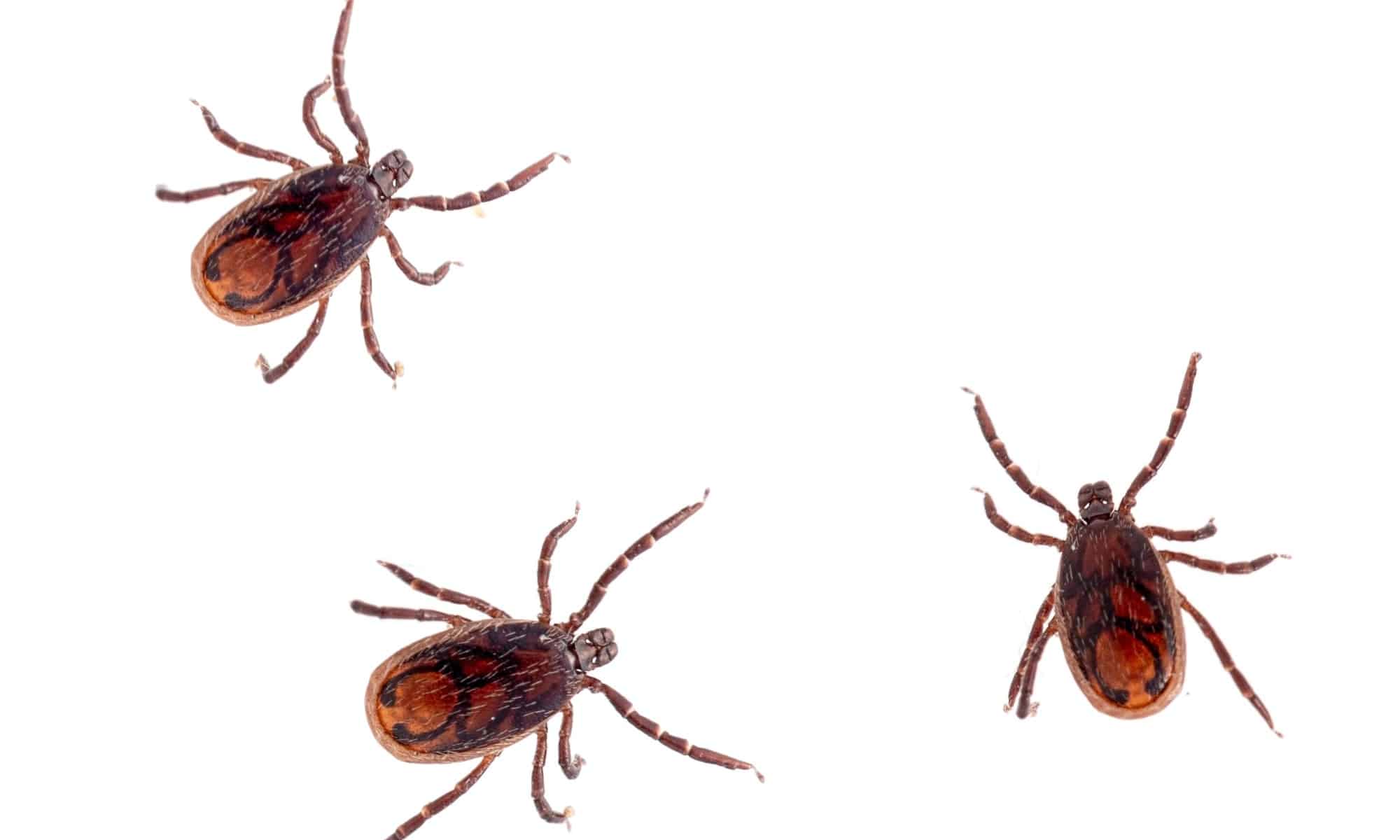
While the image of ticks might typically conjure thoughts of lush, humid forests in the eastern United States, Arizona’s diverse ecosystems, ranging from arid deserts to high-elevation pine forests, provide suitable environments for over 20 species of ticks. These resilient arachnids have adapted to various climates across the state, making it important for visitors and residents alike to be aware of their presence. The key to prevention lies in knowing what to look for and where.
Common Tick Species You Might Encounter
Not all ticks are created equal, and in Arizona, some species are more prevalent and pose different risks than others. Familiarizing yourself with the common types can aid in identification and understanding potential health implications.
- Rocky Mountain Wood Tick (Dermacentor andersoni): Despite its name suggesting a colder climate, this tick is found in mountainous and forested areas of northern Arizona, particularly at higher elevations. It is a known carrier of Rocky Mountain Spotted Fever and Colorado Tick Fever. Hikers and campers in areas like Flagstaff or the White Mountains should be especially vigilant.
- Brown Dog Tick (Rhipicephalus sanguineus): This tick is unique because it primarily infests dogs but can readily bite humans, especially if an infestation gets severe within a home or kennel environment. It’s found statewide and is known to transmit Rocky Mountain Spotted Fever. Travelers with pets should be particularly cautious, as these ticks can thrive indoors.
- Western Black-legged Tick (Ixodes pacificus): While more common on the Pacific Coast, populations of this tick, also known as the deer tick in other regions, can be found in some western and central parts of Arizona. This species is the primary vector for Lyme Disease in the western United States, though cases of Lyme Disease acquired in Arizona are rare.
- Relapsing Fever Tick (Ornithodoros hermsi and related species): These soft ticks are less commonly encountered by casual hikers but are important to be aware of. They typically live in rodent nests and burrows and can be found in cabins, rustic dwellings, or caves in mountainous areas. They are known to transmit Tick-borne Relapsing Fever.
Where Ticks Live and Thrive in the Grand Canyon State
Arizona’s varied topography means ticks aren’t confined to a single type of environment. Their preferred habitats include:
- Wooded and Forested Areas: This is classic tick territory. The pine forests around Flagstaff, Prescott, and the White Mountains – including popular recreational spots within the Coconino National Forest, Kaibab National Forest, Prescott National Forest, and Apache-Sitgreaves National Forests – are prime locations, especially where there’s dense undergrowth or tall grasses.
- Riparian Zones: Areas along rivers, streams, and lakes, characterized by denser vegetation and higher humidity, can also harbor ticks. These “green strips” through arid landscapes are ecological hotspots and attract wildlife, including deer and rodents, which are common tick hosts. Places like the Verde River or areas near Roosevelt Lake might fit this description.
- Grassy Areas and Brush: Even in more arid parts of Arizona, where grasses and shrubs are abundant, ticks can lie in wait. This includes hiking trails, campsites, and even poorly maintained yards in suburban areas, particularly those bordering wildlands.
- Desert Environments: While less common in the truly barren parts of the Sonoran Desert, ticks can still be found in desert washes, along trails with more vegetation, and near animal burrows. Even a visit to Saguaro National Park or the Desert Botanical Garden warrants awareness if venturing off designated paved paths.
When Are Ticks Most Active? Seasonal Considerations for Travelers
Tick activity in Arizona varies by species and region. Generally, spring and summer are considered peak seasons due to warmer temperatures and increased humidity, which are favorable for tick reproduction and host-seeking behavior.
- Spring (March to May): As temperatures rise, ticks emerge from dormancy. This is a crucial time for outdoor enthusiasts, as many are eager to hit the trails after the cooler winter months.
- Summer (June to August): Tick activity remains high, especially in cooler, higher-elevation areas where many Arizonans and visitors seek refuge from the intense desert heat. Lower desert areas might see a dip in activity during the hottest part of summer, only to surge again with the monsoon rains in late summer, which bring new vegetation growth.
- Fall (September to November): As temperatures become more moderate, some tick species may experience a resurgence in activity. This is often an ideal time for hiking and outdoor activities in many parts of the state, necessitating continued vigilance.
- Winter (December to February): In warmer desert regions like Phoenix and Tucson, tick activity can persist year-round, albeit at lower levels. In colder, mountainous regions, ticks will be less active, but it’s never safe to assume they are entirely absent.
Potential Health Concerns: Tick-Borne Diseases in Arizona
While the thought of tick-borne diseases can be daunting, understanding the specific risks in Arizona and knowing the symptoms can empower you to react appropriately if a bite occurs. The vast majority of tick bites do not result in disease transmission, but awareness is key.
Recognizing the Risks: Major Diseases to Be Aware Of
Arizona travelers should primarily be aware of the following tick-borne illnesses:
- Rocky Mountain Spotted Fever (RMSF): This is the most significant tick-borne disease concern in Arizona. Transmitted primarily by the Rocky Mountain Wood Tick and the Brown Dog Tick, RMSF is a bacterial illness that can be severe if not treated promptly.
- Colorado Tick Fever: A viral infection transmitted by the Rocky Mountain Wood Tick, this disease causes flu-like symptoms but is generally less severe than RMSF.
- Tick-borne Relapsing Fever (TBRF): Caused by spirochetes transmitted by Relapsing Fever Ticks, TBRF is characterized by recurring episodes of fever, headache, and muscle aches. It’s often associated with rustic cabins or rodent-infested areas.
- Lyme Disease: While Lyme Disease is prevalent in the northeastern and upper Midwestern United States, cases acquired in Arizona are rare. The Western Black-legged Tick, a potential vector, is not widespread in the state, and the specific bacteria causing Lyme Disease (Borrelia burgdorferi) are not commonly found in Arizona tick populations. However, “travel-related” cases (where individuals contracted the disease elsewhere and were diagnosed in Arizona) do occur.
Symptoms and When to Seek Medical Attention
Early detection and treatment are vital for tick-borne diseases. Be vigilant for the following symptoms, especially after a known tick bite or outdoor activity in tick-prone areas:

- Fever and Chills: Often among the first symptoms for many tick-borne illnesses.
- Headache: Can range from mild to severe.
- Muscle and Joint Aches: General body aches are common.
- Rash: For RMSF, a characteristic rash usually develops 2-5 days after fever onset, starting on the wrists and ankles and spreading to the trunk. The classic “bull’s-eye” rash is associated with Lyme Disease and is very rare in Arizona-acquired cases.
- Fatigue: Persistent and unusual tiredness.
- Nausea, Vomiting, Abdominal Pain: Gastrointestinal symptoms can also occur.
When to see a doctor: If you develop any of these symptoms within several weeks of a tick bite or after spending time in tick habitats, seek medical attention promptly. Inform your doctor about your recent outdoor activities and any known tick exposure. Early diagnosis and antibiotic treatment are crucial for preventing serious complications, especially with RMSF.
Essential Prevention Strategies for Your Arizona Adventure
Preventing tick bites is the most effective way to safeguard your health and ensure a worry-free travel experience in Arizona. Incorporating a few simple practices into your outdoor routine can significantly reduce your risk.
Gear Up: Choosing the Right Protection
- Insect Repellent: Use EPA-registered insect repellents containing DEET (20-30%), picaridin, IR3535, oil of lemon eucalyptus (OLE), para-menthane-diol (PMD), or 2-undecanone. Apply to exposed skin and clothing according to product instructions.
- Protective Clothing: When hiking in tick-prone areas, wear long-sleeved shirts and long pants. Tuck your pant legs into your socks or boots to create a barrier. Light-colored clothing can make it easier to spot ticks crawling on you.
- Permethrin-Treated Clothing and Gear: Consider treating your clothing, hiking boots, tents, and other gear with permethrin. This insecticide can repel and kill ticks on contact and remains effective through several washes. Do not apply permethrin directly to skin.
Trail Smarts: Navigating Tick-Prone Areas
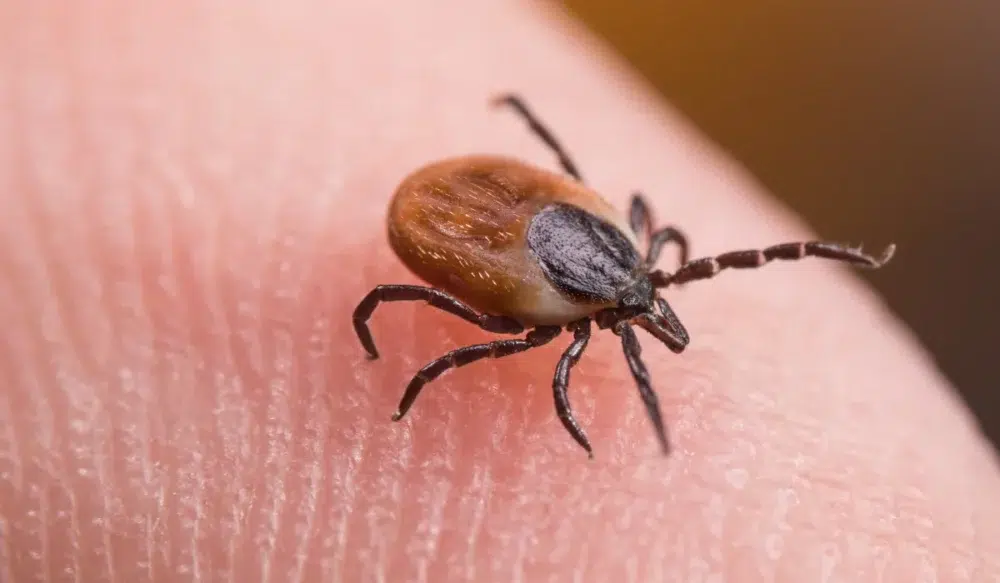
- Stay on Marked Trails: Avoid venturing off designated paths, especially in areas with tall grass, dense brush, or leaf litter. Ticks often wait on vegetation, holding on with their third and fourth pair of legs, reaching out to grasp onto a passing host with their first pair.
- Avoid Dense Vegetation: When hiking or exploring, try to keep to the center of trails and minimize contact with overgrown areas.
- Be Cautious in Riparian Zones: While beautiful, riverbanks and areas around water bodies often have more lush vegetation and higher humidity, making them potential tick hotspots.
Post-Adventure Checks: Vigilance is Key
- Full Body Check: After returning indoors, perform a thorough head-to-toe tick check on yourself, your children, and your pets. Pay close attention to warm, moist areas where ticks like to hide: hair, scalp, ears, armpits, belly button, groin, and behind the knees.
- Shower Immediately: Take a shower within two hours of coming indoors. This can help wash off unattached ticks and provides another opportunity to check for them.
- Examine Gear and Pets: Ticks can hitch a ride on backpacks, clothing, and pets. Thoroughly inspect all outdoor gear before bringing it inside. For pets, use veterinarian-recommended tick prevention products and check their fur diligently after walks.
What to Do If You Find a Tick: Safe Removal and Aftercare
Finding a tick attached to your skin can be unsettling, but with the right approach, you can remove it safely and minimize any potential risks.
Step-by-Step Tick Removal
- Gather Your Tools: You’ll need fine-tipped tweezers. Avoid using bare fingers, petroleum jelly, nail polish, or heat, as these methods can irritate the tick and cause it to release more potentially harmful fluids.
- Grasp the Tick Firmly: Using the tweezers, grasp the tick as close to the skin’s surface as possible. Get a good grip on the tick’s body, near its mouthparts, not its engorged abdomen.
- Pull Upward with Steady, Even Pressure: Do not twist or jerk the tick, as this can cause the mouthparts to break off and remain in the skin. Pull straight up until the tick releases. It might take a few moments of steady pressure.
- Dispose of the Tick: Once removed, dispose of a live tick by submerging it in alcohol, placing it in a sealed bag or container, wrapping it tightly in tape, or flushing it down the toilet. Do not crush it with your fingers.
- Clean the Bite Area: Thoroughly clean the bite area and your hands with rubbing alcohol or soap and water.
After the Bite: Monitoring and Follow-Up
- Monitor for Symptoms: Even after successful tick removal, continue to monitor yourself for any symptoms of tick-borne illness for several weeks. Make a note of the date of the bite.
- Consult a Healthcare Provider: If you develop a rash, fever, body aches, or any other concerning symptoms, contact your doctor immediately. Be sure to mention the tick bite and when it occurred. If you were unable to remove all mouthparts and they remain in the skin, consult a doctor. While generally not harmful, a healthcare professional can assess the situation.
- Tick Identification (Optional but helpful): If you’re concerned and the tick is intact, you can place it in a sealed bag with a moist cotton ball or piece of grass and consider contacting your local health department or a veterinarian for identification. Knowing the species can sometimes help assess the risk of certain diseases, though direct testing of the tick is often not recommended for guiding treatment decisions.
Embracing Arizona’s Beauty Responsibly: A Traveler’s Guide
Arizona offers an unparalleled tapestry of travel experiences, from luxurious resort stays in Scottsdale to rugged backpacking trips through wilderness areas. Whether you’re exploring the ancient cliff dwellings of Montezuma Castle National Monument, marveling at the engineering of Hoover Dam, capturing iconic photos in Monument Valley or Antelope Canyon, or simply enjoying the serene beauty of a Sonoran Desert sunset, safety should always be a priority.
Understanding the presence of ticks in Arizona is not meant to deter your adventurous spirit but rather to empower it. By adopting responsible outdoor practices, you can significantly mitigate the risk of tick bites and the diseases they might carry. Integrate tick prevention into your travel planning, just as you would pack sunscreen for the intense Arizona sun or carry extra water for desert hikes.
From luxury hotels offering serene spa experiences to budget-friendly accommodations for the intrepid backpacker, Arizona caters to every lifestyle. Ensuring your health and safety allows you to fully immerse yourself in the local culture, savor the diverse cuisine, and cherish the memories created. So, pack your bags, prepare with confidence, and discover why Arizona truly is a gem of North America. Your unforgettable adventure awaits, free from unnecessary worries about ticks.
LifeOutOfTheBox is a participant in the Amazon Services LLC Associates Program, an affiliate advertising program designed to provide a means for sites to earn advertising fees by advertising and linking to Amazon.com. Amazon, the Amazon logo, AmazonSupply, and the AmazonSupply logo are trademarks of Amazon.com, Inc. or its affiliates. As an Amazon Associate we earn affiliate commissions from qualifying purchases.