
In the vibrant tapestry of global beverages, few drinks hold the same ubiquitous presence as Arizona Green Tea. From the bustling streets of New York to tranquil resorts in the Caribbean, this iconic can with its distinctive cherry blossom design has become a familiar sight. For many, it’s a go-to refreshment, an easy pick-me-up during a long travel day, or a simple staple in their daily routine. But beneath its popular appeal and refreshing taste lies a more complex question, especially for those who prioritize wellness and make mindful choices about their lifestyle – is Arizona Green Tea truly healthy for you?

This question becomes particularly pertinent when considering the varied demands of a traveler’s life. Whether you’re embarking on luxury travel through Europe, navigating the intricate local food scenes as part of your tourism adventure, or managing the fast-paced itinerary of business stays, your hydration choices play a crucial role in maintaining energy, focus, and overall well-being. At Life Out Of The Box, we believe that informed choices empower better experiences, whether you’re selecting the perfect hotel or simply deciding on your next drink.
The perception of Arizona Green Tea as a “healthy” option often stems from the inherent goodness associated with traditional green tea – a beverage lauded for centuries in Asia for its medicinal properties and rich antioxidant content. However, not all green teas are created equal, and the ready-to-drink, sweetened versions often diverge significantly from their traditional counterparts. This article delves into the nutritional profile of Arizona Green Tea, examining its ingredients, potential health benefits, and the considerations necessary for anyone, especially travelers, looking to make informed decisions about their hydration. We’ll explore how this popular beverage fits into various lifestyles and travel scenarios, offering tips for healthier alternatives and mindful consumption on your journeys.
Decoding the Brew: What’s Really in Your Arizona Green Tea?
To truly assess the healthfulness of Arizona Green Tea, it’s essential to look beyond the appealing packaging and delve into its core ingredients. The term “green tea” itself evokes images of natural goodness, steeped leaves, and ancient traditions. In its purest form, green tea is indeed a powerhouse of health benefits. However, the commercial rendition often tells a different story.
The primary ingredients typically found in a can of Arizona Green Tea usually include:
- Premium Brewed Green Tea: This is the base, and undoubtedly, green tea itself is beneficial. It’s rich in polyphenols, particularly catechins like epigallocatechin gallate (EGCG), which are potent antioxidants known for combating oxidative stress and inflammation. These compounds are linked to various health benefits, from improving heart health to potentially reducing the risk of certain chronic diseases.
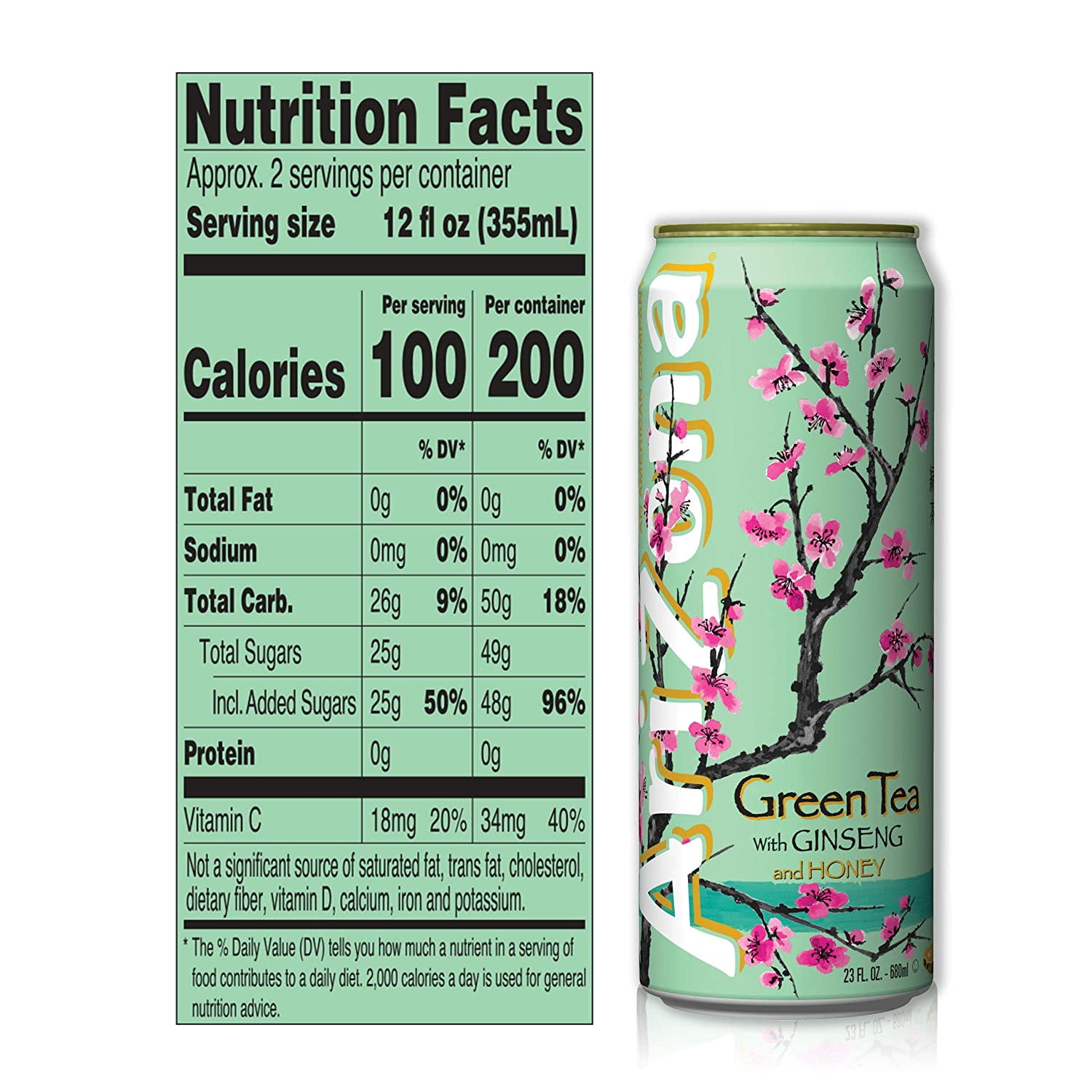
- High Fructose Corn Syrup (HFCS): This is where the health profile takes a significant turn. HFCS is a common sweetener in many processed beverages and is often present in substantial amounts in Arizona Green Tea. A single 23-ounce can can contain upwards of 60 grams of sugar, primarily from HFCS. To put this into perspective, the American Heart Association recommends no more than 36 grams of added sugar per day for most men and 25 grams for most women. Consuming a single can can easily exceed these daily recommendations.
- Honey: While often perceived as a natural and healthier sweetener than refined sugar, when added in commercial quantities to a heavily sweetened drink, its health benefits are largely overshadowed by the overall sugar content.
- Ginseng Extract: Ginseng is an adaptogenic herb, traditionally used for its potential to boost energy, reduce stress, and support overall vitality. Its presence contributes to the perception of the drink as an invigorating choice. However, the quantity of ginseng extract in a single serving may not be substantial enough to confer significant therapeutic benefits, especially when weighed against the sugar content.
- Natural Flavors: This broad category can include a variety of substances derived from natural sources, but their exact composition isn’t always fully disclosed. While generally safe, for those with specific sensitivities or who prefer to avoid additives, “natural flavors” can sometimes be a gray area.
- Citric Acid: A natural preservative and flavor enhancer, common in many beverages.
- Ascorbic Acid (Vitamin C): Added often for preservation and a slight nutritional boost.
Understanding these components is crucial, especially when you’re on the move. When exploring new destinations, your body’s energy levels and immune system are often under increased strain. Choosing beverages with high sugar content can lead to energy crashes, disrupt sleep patterns (especially if consumed late), and contribute to dehydration if not balanced with sufficient water intake – all factors that can significantly impact your travel experiences.
The Health Spectrum: Benefits and Considerations for Travelers
Evaluating Arizona Green Tea involves balancing the well-documented advantages of green tea itself against the implications of its added ingredients. For the intrepid traveler, this balance is particularly delicate, as health and wellness can significantly impact the quality of their journey.
The Potential Upsides of Green Tea
The green tea base in Arizona Green Tea, even in a commercial blend, still offers some inherent benefits:
- Antioxidant Power: The catechins in green tea are formidable antioxidants. For travelers, who are often exposed to varying environments, time zone changes, and potential stressors, antioxidants can help protect cells from damage, supporting overall resilience. This can be particularly beneficial for maintaining energy during long sightseeing days or recovering after intense activities like hiking through national parks or exploring ancient landmarks.
- Metabolic Boost: Green tea has been associated with a slight increase in metabolism and fat oxidation, which could appeal to travelers mindful of their fitness routines even while abroad.
- Mental Alertness: The natural caffeine content in green tea, coupled with L-theanine (an amino acid unique to tea), can provide a sustained, calmer alertness compared to the jitteriness often associated with coffee. This can be invaluable for combating jet lag, staying focused during business meetings, or simply enjoying the moment without feeling sluggish.
- Hydration: While not as optimal as plain water due to its sugar content, it still contributes to fluid intake, which is essential for preventing dehydration, a common issue when flying or exploring hot destinations like Mexico or the Mediterranean region.
Navigating the Sugar Content: A Primary Concern
Despite the benefits of green tea, the high sugar content in Arizona Green Tea is its most significant drawback.
- Energy Crashes: The rapid influx of sugar can lead to a quick spike in blood glucose, followed by an inevitable crash. For travelers needing sustained energy for exploration or critical business engagements, this roller coaster effect can be detrimental, leading to fatigue, irritability, and reduced focus.
- Weight Management: Regular consumption of sugary drinks is strongly linked to weight gain and an increased risk of obesity, type 2 diabetes, and heart disease. While on vacation, it’s easy to indulge, but consistently opting for high-sugar beverages can quickly derail health goals. This is especially true for those on long-term stays or who consider budget travel, where healthier options might seem more expensive or less convenient.
- Dental Health: The combination of sugar and acidity can be particularly harmful to dental enamel, an important consideration when dental care might be less accessible or more costly during international travel.
Artificial Ingredients and Additives
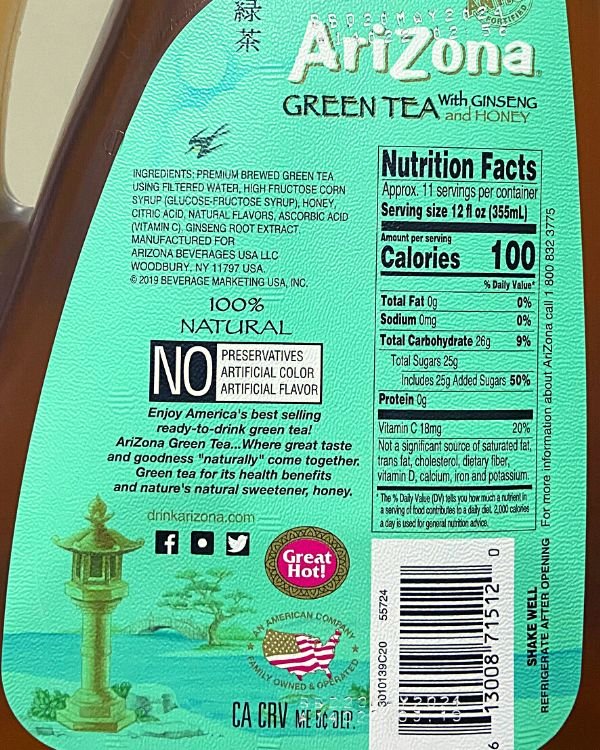
While “natural flavors” might sound benign, the overall chemical profile of highly processed drinks is often a concern for health-conscious individuals. Travelers seeking to immerse themselves in local culture and enjoy fresh, authentic food and beverages might find commercially produced, sweetened teas less appealing. Opting for simpler, fewer-ingredient options is often a safer bet for maintaining optimal health, especially during trips where gut health can be sensitive to changes in diet and routine.
Arizona Green Tea in the Context of Travel & Lifestyle
The suitability of Arizona Green Tea often comes down to context, especially when viewed through the lens of diverse travel lifestyles and specific travel scenarios.
A Traveler’s Refreshment: Convenience vs. Health
One of the undeniable appeals of Arizona Green Tea is its convenience and widespread availability. You can find it in airport shops, convenience stores along highways in the United States, and even in vending machines at various accommodation options, from basic motels to some mid-range hotels. For a weary traveler needing a quick refreshment, this accessibility is a major plus.
However, this convenience often comes at a health cost. While easy to grab, healthier alternatives are increasingly available. Many modern hotels and resorts, particularly those catering to wellness-focused guests, offer complimentary infused water, unsweetened iced tea, or fresh-pressed juices as part of their amenities. Even in airports, health food stores and cafes are becoming more common, providing options like plain sparkling water, kombucha, or freshly brewed unsweetened green tea. Making a conscious choice to seek out these alternatives, even if it requires a little more effort, can significantly benefit your well-being on the road.
Pairing with Travel Styles
The impact and appropriateness of consuming Arizona Green Tea can also vary depending on your specific travel style:
- Budget Travel: For travelers meticulously tracking expenses, the relatively low cost of Arizona Green Tea can make it an attractive option compared to more expensive bottled juices or specialty coffees. However, in the long run, the health costs associated with excessive sugar intake might outweigh the initial savings. Savvy budget travelers often carry reusable water bottles and seek out free water sources or brew their own tea bags to save money and stay healthy.
- Luxury Travel: Guests at luxury hotels and villas often expect and are provided with a range of premium beverage options, including a selection of fine teas, freshly squeezed juices, and high-quality mineral water. While Arizona Green Tea might be available, it’s less likely to be the preferred choice for a discerning traveler prioritizing bespoke experiences and wellness.
- Family Trips: Parents on family trips often face the challenge of keeping children hydrated and energized without overdoing sugar. While a treat occasionally, regular consumption of Arizona Green Tea could lead to sugar rushes and subsequent crashes, making long car rides or visits to attractions more challenging. Healthier options like water, diluted juices, or milk are generally recommended.
- Business Stays: Professionals on business stays require sustained energy and mental clarity. While the caffeine in Arizona Green Tea can provide an initial boost, the high sugar content risks leading to a post-sugar slump, impacting productivity during meetings or presentations. Unsweetened coffee, plain green tea, or water are often better choices for consistent focus.
Cultural Significance and Local Alternatives
Part of the beauty of tourism is experiencing local culture, and this extends to beverages. In countries like Japan and China, where green tea originated, it is almost exclusively consumed unsweetened, often steeped with great care and reverence. Exploring these authentic green tea ceremonies or simply enjoying a simple, freshly brewed cup in a local tea house can be a profound cultural experience.
When traveling, consider trying the local, traditional versions of green tea or other refreshing beverages. In Morocco, for instance, mint tea is served with sugar, but the ritual and freshness are paramount. In other destinations, fresh fruit juices, coconut water, or unique herbal infusions offer both hydration and a taste of the local culture. Embracing these alternatives not only broadens your palate but also generally leads to healthier choices.
Making Mindful Choices on Your Journey
Ultimately, whether Arizona Green Tea is “healthy for you” depends on your overall diet, lifestyle, and frequency of consumption. For an occasional treat, especially when other options are scarce, it’s unlikely to cause significant harm. However, as a regular go-to beverage, its high sugar content presents a clear health concern, especially for travelers who need to maintain optimal health to fully enjoy their adventures.
Here are some tips for making more mindful hydration choices during your travels:
- Read the Labels: Always take a moment to check the nutritional information, especially the sugar content, of any packaged beverage. This simple habit can empower you to make more informed choices, whether you’re at a supermarket or a gas station convenience store.
- Prioritize Water: Carry a reusable water bottle and refill it whenever possible – at airports, hotels, cafes, or attractions. Water is the purest form of hydration and is essential for all bodily functions.
- Opt for Unsweetened Tea: Many cafes and hotels offer unsweetened iced tea or a selection of hot teas. If you prefer a touch of sweetness, add a tiny bit of honey or a natural sweetener yourself, giving you control over the amount.
- Explore Local Delights: When visiting new destinations, seek out fresh, locally made beverages. From freshly squeezed orange juice in California to authentic Matcha in Kyoto or refreshing mint tea in Marrakesh, these choices not only enhance your experience but are often healthier.
- Consider Alternatives: Sparkling water with a squeeze of lemon or lime, coconut water, or a homemade fruit-infused water are excellent, refreshing alternatives that provide hydration without the sugar overload. Many apartments or villas available for accommodation allow for easy preparation of such drinks.
- Moderation is Key: If you genuinely enjoy the taste of Arizona Green Tea, enjoy it occasionally. Treat it as a treat rather than a daily staple, especially during your travels when maintaining peak health is paramount.
In conclusion, while the allure of “green tea” in its name might suggest otherwise, the popular ready-to-drink Arizona Green Tea is primarily a sugary beverage. While it offers some antioxidant benefits from its green tea base, these are largely overshadowed by its high sugar content. For the conscientious traveler, balancing convenience with health is a constant endeavor. By understanding what’s in your drink and exploring the myriad of healthier alternatives available worldwide, you can make choices that truly nourish your body and enhance your incredible journey, ensuring your travel experiences are as vibrant and energizing as they can be. From booking the best hotels to savoring local culture and exploring iconic landmarks, every detail contributes to your lifestyle of discovery and wellness.
LifeOutOfTheBox is a participant in the Amazon Services LLC Associates Program, an affiliate advertising program designed to provide a means for sites to earn advertising fees by advertising and linking to Amazon.com. Amazon, the Amazon logo, AmazonSupply, and the AmazonSupply logo are trademarks of Amazon.com, Inc. or its affiliates. As an Amazon Associate we earn affiliate commissions from qualifying purchases.