
Embarking on a journey, whether across continents or simply to a new neighborhood, often involves an exciting exploration of local flavors and culinary delights. For many, a trip wouldn’t be complete without savoring the unique food culture of a destination. Amidst the myriad options available globally, from bustling street food markets to elegant fine dining establishments, one particular sushi roll has carved out a unique niche in the Western palate: the California Roll. Its widespread appeal, convenience, and generally mild flavor profile make it a go-to choice for travelers and locals alike. But as discerning travelers increasingly prioritize health and wellness, a common question arises: “How many carbs are in a California Roll?” Understanding its nutritional makeup is key to making informed dietary choices, especially when you’re balancing culinary exploration with a commitment to a particular lifestyle, be it high-energy sightseeing or relaxed resort stays.
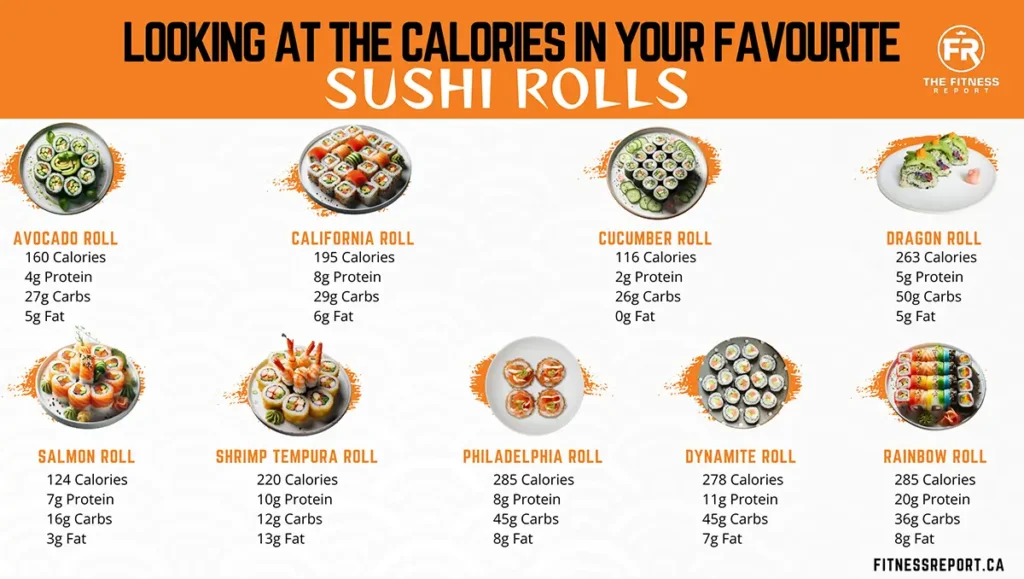
This seemingly simple question opens up a fascinating discussion about ingredients, preparation methods, and the broader context of enjoying international cuisine responsibly. From its origins in Los Angeles to its omnipresence in sushi bars around the globe, the California Roll has become an accidental ambassador of Japanese-inspired cuisine adapted for a global audience. For those managing their carbohydrate intake, whether for weight management, athletic performance, or specific health conditions, diving into the carb count of this beloved roll is more than just a nutritional fact-finding mission; it’s about empowering your travel and lifestyle choices.
The Allure of the California Roll: A Global Culinary Journey
The California Roll is more than just a dish; it’s a testament to culinary innovation and cross-cultural adaptation. Its journey from a novel creation to a household name is intertwined with the evolving tastes of Western diners and the globalization of food. Understanding its background helps us appreciate why it became so popular and, consequently, why its nutritional profile is of such interest to so many.
A Brief History and Its Place in Western Palates
The exact origins of the California Roll are a subject of friendly debate, but it is widely believed to have been invented in the 1960s or 1970s in Los Angeles, United States. Some credit Ichiro Mashita of Tokyo Kaikan restaurant in Los Angeles, who supposedly started substituting avocado for tuna during times when fresh tuna was scarce or to appeal to American palates less accustomed to raw fish. Others point to Hidekazu Tojo in Vancouver, Canada, who claims to have created the “Tojo Maki” (a similar inside-out roll) to appeal to Westerners who were wary of seaweed on the outside. Regardless of its precise birthplace, the innovation was groundbreaking: placing the nori (seaweed) on the inside, with the rice on the outside, and using cooked or mild ingredients like imitation crab (surimi), cucumber, and avocado. This “uramaki” style (inside-out roll) made it less intimidating for those unaccustomed to the traditional look and texture of sushi.
Its mild flavor, creamy texture from the avocado, and lack of raw fish quickly propelled the California Roll to immense popularity across North America and, eventually, the rest of the world. It became a gateway sushi, introducing countless individuals to Japanese cuisine and paving the way for other rolls and sashimi to gain acceptance. Today, you’d be hard-pressed to find a sushi restaurant, whether a high-end establishment in London or a casual eatery in Sydney, that doesn’t offer a California Roll on its menu. It represents an approachable, comforting, and universally recognizable item, a staple for travelers seeking a familiar taste amidst new culinary landscapes.
Beyond the Traditional: Regional Variations and Ingredients
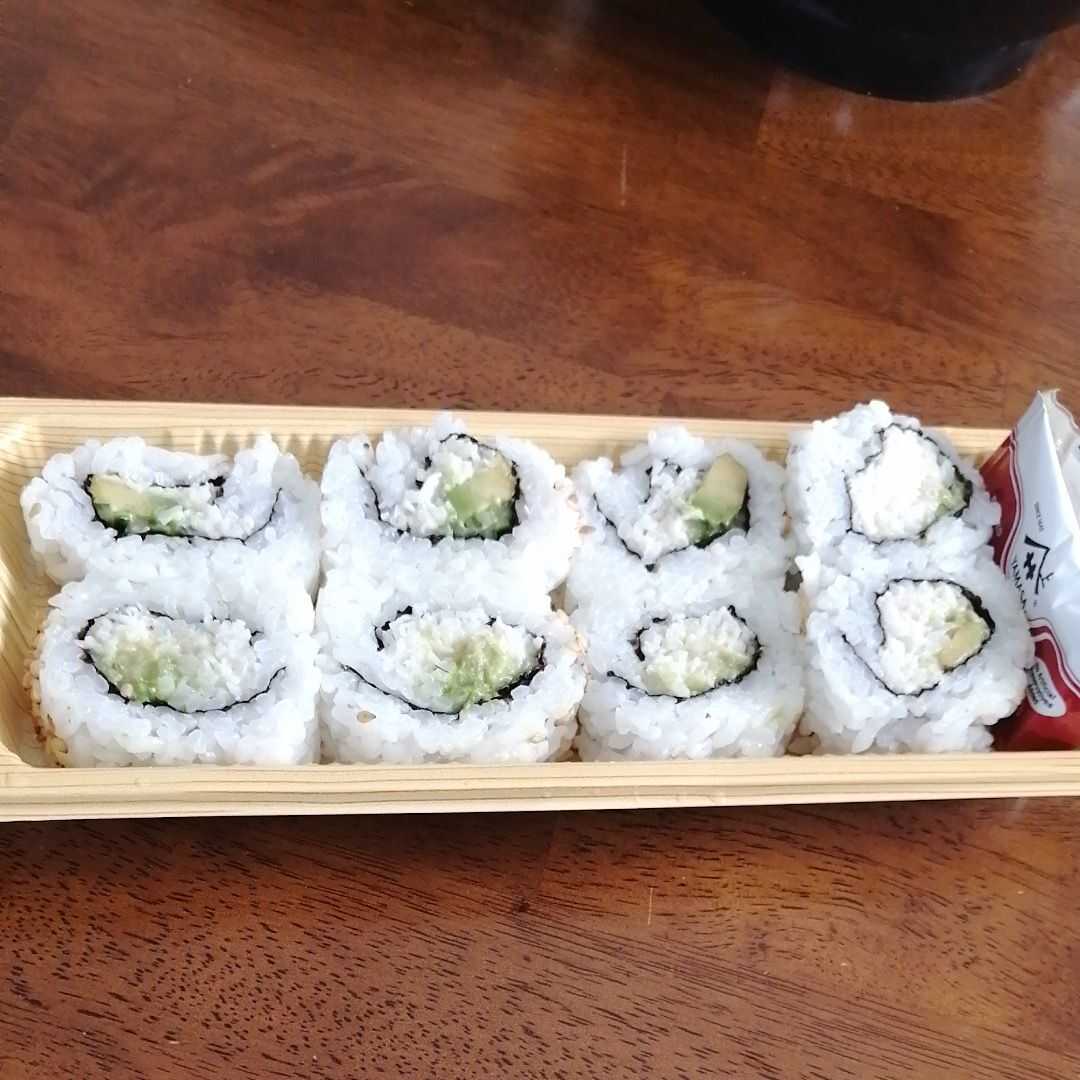
While the classic California Roll features imitation crab, avocado, cucumber, and sesame seeds, often with a dash of mayonnaise, its global journey has naturally led to a fascinating array of regional variations. These adaptations reflect local ingredient availability, culinary preferences, and cultural influences, making the “California Roll experience” quite diverse depending on where you are.
For instance, in some parts of Asia, particularly outside of Japan where traditional sushi reigns supreme, you might find California Rolls incorporating mango for a tropical twist, or perhaps a different type of roe instead of sesame seeds. In parts of Europe, some gourmet versions might use actual crab meat instead of imitation, elevating the dish to a more luxurious offering, often found in the dining rooms of upscale boutique hotels or resorts. Even within the United States, chefs might experiment with spicy mayonnaise, different types of rice, or additional vegetables to create their unique spin on the classic.

These variations highlight the dynamic nature of global cuisine and how a dish can evolve while retaining its core identity. For travelers exploring new destinations, encountering these different interpretations can be an exciting part of the culinary adventure, whether you’re dining in a vibrant street market in Bangkok or enjoying room service at a Grand Hyatt Hotel in Dubai. However, these variations also mean that the nutritional profile, especially the carbohydrate content, can fluctuate significantly. A roll laden with extra sauces, a thicker layer of rice, or additional sweetened ingredients will naturally boast a higher carb count than a leaner, more traditional version. This variability makes it crucial to understand the individual components that contribute to the roll’s overall nutritional value.
Unpacking the Nutritional Profile: Focus on Carbs
When we ask about the carb count of a California Roll, we’re essentially looking at the sum of its parts. Each ingredient contributes differently to the overall nutritional picture, but some are much more significant sources of carbohydrates than others. Understanding these components is the first step towards making informed choices, whether you’re managing your diet on a luxury cruise or simply trying to stay healthy during a business trip.
The Core Components and Their Carbohydrate Contribution
A standard California Roll typically consists of a few key ingredients, each playing a role in its flavor, texture, and nutritional value:
-
Sushi Rice (Shari): This is by far the most significant contributor to the carbohydrate content. Sushi rice is a short-grain white rice, seasoned with a mixture of rice vinegar, sugar, and salt. While the vinegar helps preserve and flavor the rice, the added sugar significantly increases its carbohydrate load compared to plain steamed rice. A typical roll can contain anywhere from 1/2 to 1 cup of cooked rice, which alone can account for 30-50 grams of carbohydrates. Brown rice sushi rolls are an option in some places, which offer more fiber but often a similar carbohydrate count by weight.
-
Imitation Crab (Surimi): Made primarily from pollock or other white fish, surimi is processed and flavored to mimic crab meat. While it provides protein, it often contains starches, sugar, and other additives that contribute a moderate amount of carbohydrates, typically 5-10 grams per serving in a roll.
-
Avocado: Renowned for its healthy monounsaturated fats, avocado also contains a decent amount of dietary fiber and some carbohydrates. A typical slice or two in a roll contributes roughly 3-5 grams of carbohydrates, with about half of that being fiber. Its creamy texture is a signature element of the California Roll.
-
Cucumber: A low-calorie, high-water vegetable, cucumber contributes very few carbohydrates, usually less than 1-2 grams per roll. It offers a refreshing crunch and a hint of coolness.
-
Nori (Seaweed): The dried seaweed wrapper (though often on the inside for a California Roll) contains negligible carbohydrates, typically less than 1 gram per sheet. It’s a rich source of minerals but doesn’t significantly impact the carb count.
-
Sesame Seeds: Sprinkled on the outside for flavor and texture, sesame seeds are healthy fats and fiber, contributing minimal carbohydrates, usually less than 1 gram per roll.
-
Mayonnaise/Sauces: Some California Rolls are made with or served with mayonnaise, often a Japanese variety that can be sweeter. Other sauces like eel sauce (unagi sauce) are notoriously high in sugar and thus carbohydrates. These additions can quickly add 5-15 grams of carbohydrates or more, depending on the amount used.
When you total these up, a typical California Roll (often 6-8 pieces) can contain anywhere from 30 to 60 grams of carbohydrates, with the vast majority coming from the seasoned sushi rice. This can be a substantial amount, especially for those on ketogenic, low-carb, or diabetic diets.
Factors Influencing Carb Count
The range of 30-60 grams of carbs for a California Roll isn’t arbitrary; several factors contribute to this variability. Recognizing these can help you estimate the carb content more accurately when dining out, whether you’re at a five-star restaurant in Paris or a casual lunch spot in New York City.
-
Portion Size: This is perhaps the most obvious factor. A standard roll is usually cut into 6 or 8 pieces. However, some establishments might offer larger rolls with more rice, or smaller, daintier portions. Always consider the number of pieces and their physical size.
-
Rice-to-Filling Ratio: Chefs have different philosophies on how much rice to use. Some create rolls with a thin layer of rice, emphasizing the fillings, while others might pack a generous amount of rice around the ingredients. A thicker rice layer means more carbs. This can sometimes be observed by simply looking at the roll.
-
Type of Rice: While most sushi uses white short-grain rice, some modern sushi establishments, particularly in health-conscious cities, offer brown rice options. While brown rice is generally healthier due to its higher fiber content, its raw carbohydrate count by weight isn’t drastically different from white rice. However, the added fiber can lead to better satiety and a slower release of glucose.
-
Added Sugars in Sushi Rice Seasoning: The traditional seasoning for sushi rice (sushi-zu) contains rice vinegar, salt, and sugar. The amount of sugar can vary significantly from one sushi chef to another. Some may use a sweeter seasoning to cater to local preferences, especially in Western markets, adding more hidden carbohydrates.
-
Extra Sauces: As mentioned, sauces like eel sauce, spicy mayo, or even some soy sauces can be surprisingly high in sugar and sodium. Opting for plain soy sauce (or low-sodium soy sauce) and skipping other sweet or creamy sauces can significantly reduce the carb count.
When traveling, especially to destinations known for their culinary scene, it’s easy to get carried away. Being aware of these variables allows you to enjoy the experience without completely derailing your dietary goals. A California Roll ordered in a traditional ryokan in Kyoto might have a subtly different carb profile than one from a casual takeout joint in Miami.
Navigating Dietary Needs While Traveling: Enjoying California Rolls Mindfully
Travel is about exploration, discovery, and sometimes, indulgence. It’s also an opportunity to practice mindful living, integrating your lifestyle choices into new environments. For those concerned about carbohydrate intake, enjoying popular dishes like the California Roll requires a balanced approach, combining culinary adventure with informed decision-making.
Low-Carb Alternatives and Customization Tips
While a traditional California Roll might be high in carbs, that doesn’t mean you have to miss out on the sushi experience entirely. Many sushi restaurants, particularly those catering to diverse international clientele, are accustomed to dietary requests.
-
Opt for Sashimi or Nigiri (with less rice): Sashimi, which is simply thinly sliced raw fish without rice, is an excellent zero-carb option. Nigiri, which features a slice of fish on a small mound of rice, still contains carbs but often less than a roll. You can also politely ask for “light rice” (usume gohan) with your nigiri to further reduce the carb content.
-
Try Narutomaki or Cucumber Rolls: Some restaurants offer “narutomaki” (rolls wrapped in thinly sliced cucumber instead of rice) or simple cucumber-wrapped rolls. These are fantastic low-carb alternatives that still offer the refreshing taste and texture of a roll.
-
Explore Seaweed Salad or Edamame: These popular appetizers are generally low in carbs. Seaweed salad provides a delightful savory and tangy flavor, while edamame offers protein and fiber.
-
Customization is Key: Don’t be afraid to ask for modifications. You might request:
- Less rice: A common and easy request that significantly slashes the carb count.
- No sauce or sauce on the side: Especially for creamy or sweet sauces, this gives you control over the amount.
- Extra avocado or cucumber: To bulk up the roll with healthy fats and fiber, making it more satisfying.
- Real crab meat: If available and you prefer to avoid the processed nature of imitation crab, though this often comes with a higher price tag.
These strategies are particularly useful when staying at hotels or resorts with dedicated sushi chefs who can often accommodate special requests, enhancing your luxury travel experience with personalized dining. Even in more casual settings, a polite request can often yield positive results, especially if you explain your dietary preferences.
Balancing Indulgence and Wellness on Your Adventures
The essence of travel and a fulfilling lifestyle often lies in finding balance. It’s about enjoying new experiences, including culinary ones, without sacrificing your well-being. For those mindful of carbs, enjoying a California Roll can certainly be part of that balance.
-
Portion Control: If you decide to indulge in a California Roll, consider it as part of a larger meal. Perhaps share a roll with a travel companion, or pair it with sashimi or a protein-rich dish to create a more balanced meal. Don’t feel compelled to eat an entire eight-piece roll if a few pieces satisfy your craving.
-
Be Mindful of Your Other Meals: If you plan to enjoy a California Roll for lunch, you might choose lighter, lower-carb options for breakfast and dinner. This macro-management approach ensures your overall daily intake stays within your comfort zone. For instance, a hearty egg breakfast at your hotel buffet might be followed by a lighter, protein-focused dinner.
-
Stay Active: Travel itself often involves a good deal of activity, from walking through historic landmarks in Rome to exploring natural wonders in a national park. This increased physical activity can help offset some of the caloric and carbohydrate intake from your meals. Integrating exercise, even light walking, into your travel itinerary is a cornerstone of a healthy lifestyle.
-
Hydration: Always prioritize staying well-hydrated, especially when traveling. Water is essential for metabolic processes and can help manage satiety.
-
Embrace Local, Whole Foods: While the California Roll is popular, don’t let it overshadow the opportunity to explore truly local and traditional dishes. Often, less processed, whole foods found in local markets or traditional eateries can offer healthier and more authentic culinary experiences. For example, fresh fish from the Mediterranean coast or lean grilled meats in South America might be excellent low-carb choices.
In conclusion, a typical California Roll contains a significant amount of carbohydrates, primarily due to its seasoned sushi rice. A standard 6-8 piece roll can range from 30 to 60 grams of carbs, depending on its size, rice-to-filling ratio, and added sauces. However, this doesn’t mean it’s off-limits for carb-conscious travelers. By understanding its components, being aware of contributing factors, and utilizing customization options, you can still enjoy this global favorite while maintaining your commitment to a healthy and balanced lifestyle, wherever your adventures take you. The key is mindful consumption, embracing the joy of culinary discovery, and making informed choices that align with your personal wellness goals.
LifeOutOfTheBox is a participant in the Amazon Services LLC Associates Program, an affiliate advertising program designed to provide a means for sites to earn advertising fees by advertising and linking to Amazon.com. Amazon, the Amazon logo, AmazonSupply, and the AmazonSupply logo are trademarks of Amazon.com, Inc. or its affiliates. As an Amazon Associate we earn affiliate commissions from qualifying purchases.