
The question “Is Arizona on Pacific Standard Time?” is a common one that often puzzles travelers and even some long-time residents of the United States. The short answer is no, not directly. However, the full explanation reveals a unique aspect of Arizona’s timekeeping that profoundly impacts travel planning, local lifestyle, and the overall experience of exploring this vibrant Southwestern state. Far from being a mere technicality, Arizona’s approach to time has shaped its tourism landscape, affecting everything from booking accommodations to scheduling adventures in its iconic landscapes.
For much of the year, particularly during the months when most of the country observes Daylight Saving Time (DST), Arizona aligns with the Pacific Coast. But this is where the nuance lies. Arizona primarily operates on Mountain Standard Time (MST) throughout the entire year, opting out of the annual clock change. This decision creates an intriguing dynamic, making it feel like Arizona is on PST during summer, while truly remaining on MST. Understanding this distinction is crucial for anyone planning a trip, considering a longer stay, or simply curious about the unique rhythm of life in the Grand Canyon State.
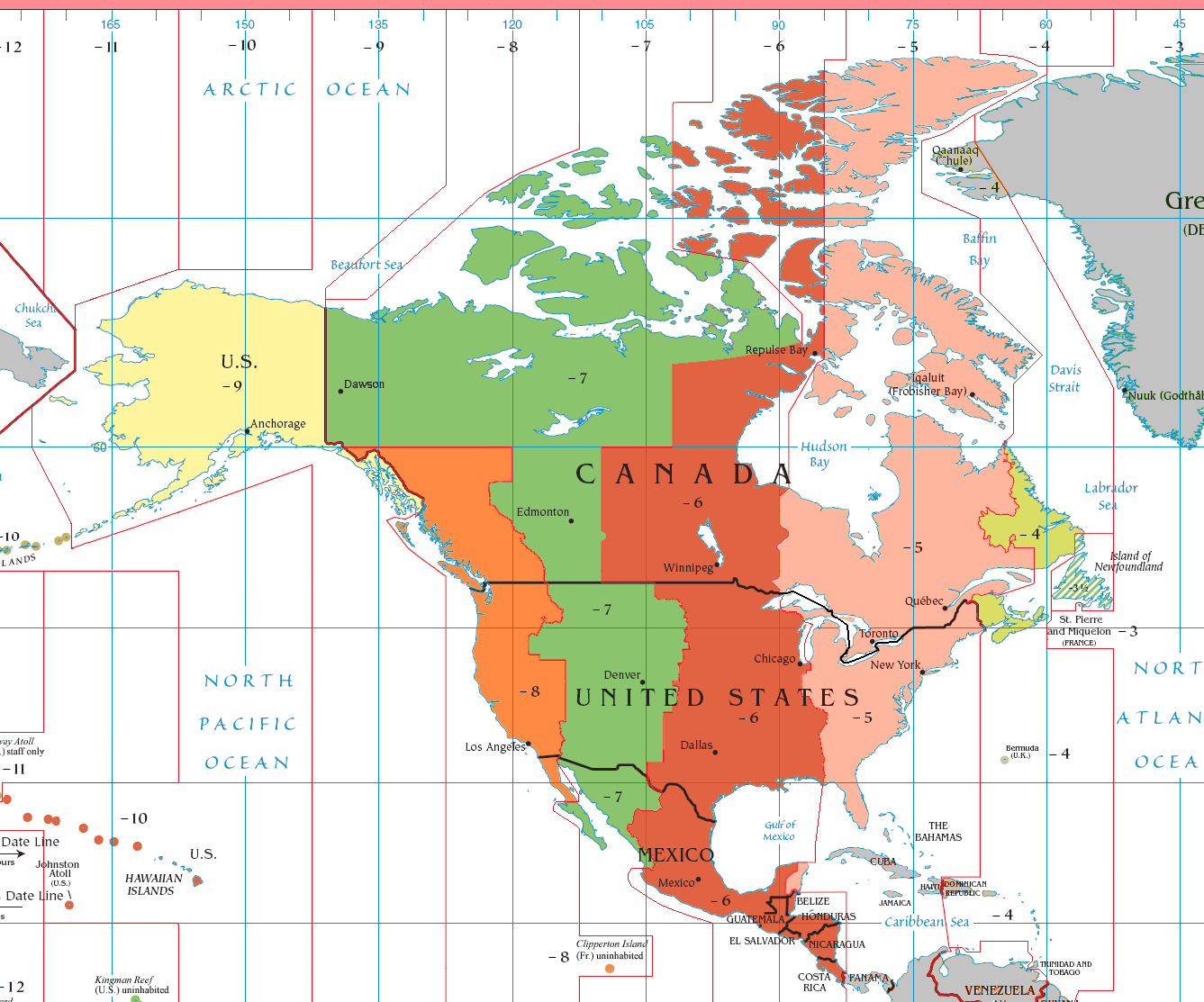
This guide delves deep into Arizona’s time zone intricacies, offering insights for seamless travel, lodging considerations, and cultural immersion. We’ll explore why the state maintains its distinct time-keeping tradition, how it affects neighboring states like California, Nevada, Utah, and New Mexico, and provide practical tips for visitors to make the most of their time in this extraordinary destination.
Decoding Arizona’s Unique Time Zone System
The concept of time in Arizona can be a bit of a head-scratcher, primarily because of its steadfast refusal to participate in Daylight Saving Time. This non-observance sets it apart from almost all other states in the continental U.S. and creates a fascinating temporal dance with its neighbors.
Mountain Standard Time All Year Round
At its core, Arizona operates on Mountain Standard Time (MST). This is a consistent, unchanging time zone. In winter, when the rest of the Mountain Time Zone states (like Utah, New Mexico, and Denver in Colorado) are also on MST, Arizona is in sync with them. During these months, Arizona is one hour ahead of Pacific Standard Time, which is observed in states like California and Nevada.
However, the real confusion begins when most of the country “springs forward” for Daylight Saving Time in early March. States observing DST move their clocks forward by one hour. For instance, the Mountain Time Zone shifts to Mountain Daylight Time (MDT), and the Pacific Time Zone moves to Pacific Daylight Time (PDT). But Arizona remains on Mountain Standard Time.
This means that from March to November, Arizona’s MST effectively aligns with Pacific Daylight Time. So, if it’s 3 PM in Phoenix during the summer, it’s also 3 PM in Los Angeles or Las Vegas. Conversely, it would be 4 PM in Denver or Salt Lake City. This alignment during the warmer months often leads people to mistakenly believe Arizona is on Pacific Standard Time, when it is in fact just remaining steadfast on its own MST while others shift.
The Daylight Saving Time Anomaly
The decision to forgo Daylight Saving Time dates back to the 1960s, a move that makes perfect sense when considering Arizona’s scorching desert climate. The primary argument against DST is the intense summer heat. Moving the clock forward would mean the sun sets an hour later by the clock, extending the period of extreme heat into what would typically be cooler evening hours. For a state where average summer temperatures can easily exceed 100°F (38°C), avoiding an extra hour of daylight in the evening conserves energy (less need for air conditioning) and makes the late afternoon more bearable for outdoor activities.
This unique approach to time creates a seamless flow for visitors from California or Nevada during the summer, as there’s no time difference to contend with. However, for those traveling from states that observe DST in the Mountain or Central time zones, a time adjustment is necessary. This anomaly is a key factor to remember when planning your journey, whether it’s for a quick weekend getaway to a resort in Scottsdale or an extended tour of the state’s natural wonders.
Navigating the Time Zone Divide: Practicalities for Travelers
Understanding Arizona’s time zone policy is more than just a trivia fact; it’s a practical necessity for any traveler. From booking flights and accommodations to scheduling tours and dining experiences, the time difference (or lack thereof) can significantly impact your itinerary and overall travel lifestyle.
Planning Your Itinerary to Arizona
When planning a trip to Arizona, especially during the DST period (March to November), consider how your departure and arrival times will be affected. If you’re flying from a state on Pacific Daylight Time (like California), your flight times will appear straightforward as there’s no time change. For instance, a 1 PM flight from Los Angeles arriving at 2 PM in Phoenix will actually be a one-hour flight. However, if you’re coming from a state on Mountain Daylight Time (like Colorado), you’ll gain an hour when you arrive in Arizona. A 1 PM flight from Denver arriving at 1 PM in Phoenix means a two-hour flight that feels like no time has passed.
This distinction is also crucial for booking hotel check-ins, guided tours, and restaurant reservations. Always confirm the local time when making arrangements. Many Arizona hotels and resorts, particularly those catering to international or out-of-state guests, are accustomed to this confusion and often provide clear guidance. When considering long-term stays or booking apartments, asking about how local activities align with your usual schedule is a smart move. For example, if you plan to enjoy a sunset hike near Sedona, be aware that the sun will set an hour “earlier” by the clock than in states observing DST, allowing for more comfortable evening activities.
The Curious Case of the Navajo Nation
Adding another layer of complexity to Arizona’s time zone situation is the Navajo Nation. This vast sovereign territory, encompassing portions of northeastern Arizona, Utah, and New Mexico, does observe Daylight Saving Time. This means that for roughly half the year, the Navajo Nation is one hour ahead of the rest of Arizona.
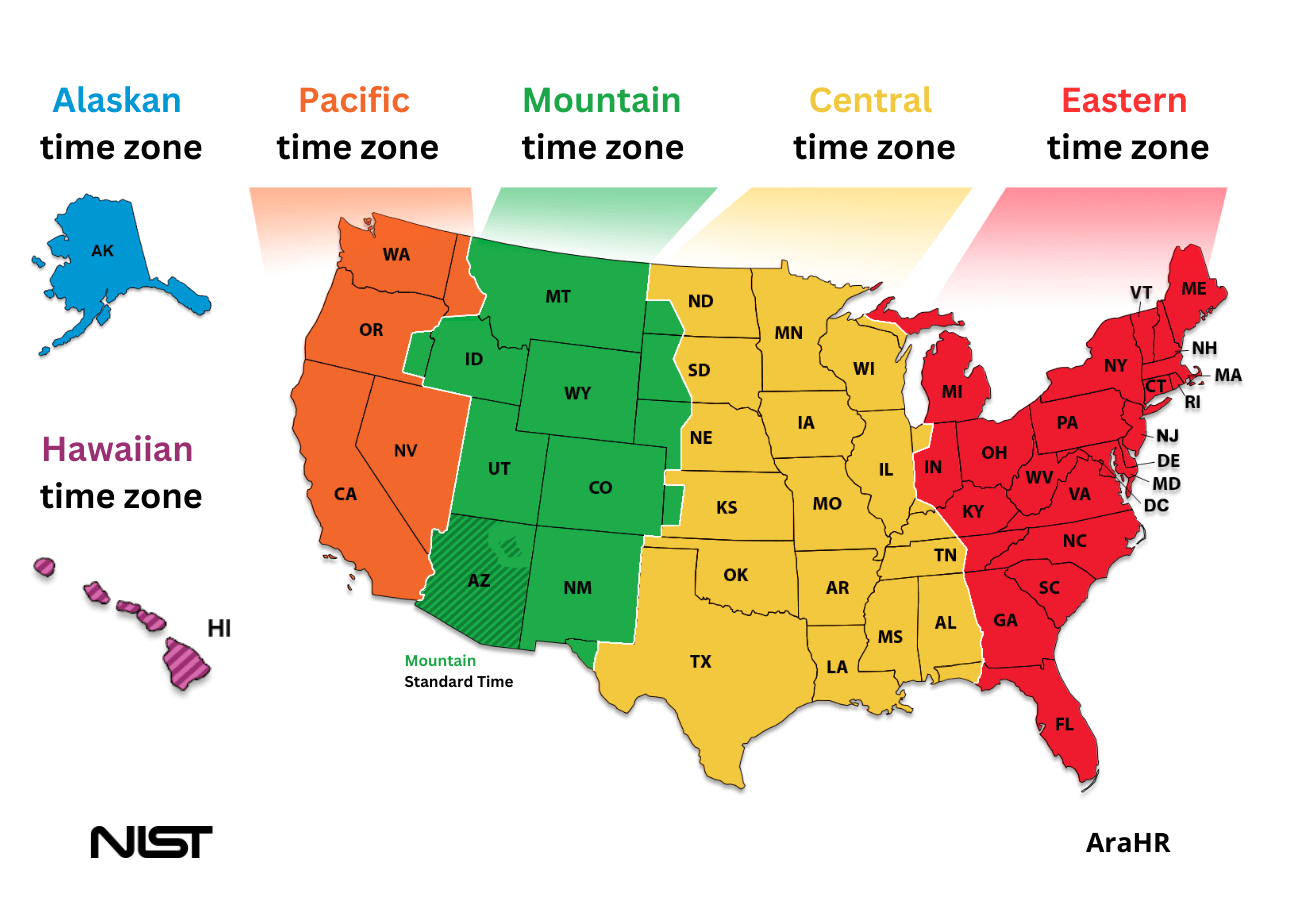
This becomes incredibly important for travelers visiting iconic landmarks such as Monument Valley or Antelope Canyon, both of which are located within the Navajo Nation. When planning tours or activities in these areas, always confirm the time zone with your tour operator or accommodation provider. For example, if you’re staying in Flagstaff (which observes MST year-round) and have a 9 AM tour scheduled in Antelope Canyon (which observes MDT during DST), you’ll need to leave Flagstaff an hour earlier by your clock to arrive on time.
To further complicate matters, the Hopi Reservation, which is entirely surrounded by the Navajo Nation in Arizona, does not observe Daylight Saving Time. This creates a unique “doughnut hole” effect, where traveling between the Navajo Nation and the Hopi Reservation (and back to Arizona proper) requires multiple time adjustments. While most tourists might not delve deep into these time zone shifts, those exploring the cultural richness of the region must remain vigilant. Always cross-reference times on your mobile device, which typically adjusts automatically, but be aware of the underlying differences.
Why Arizona Stands Apart: Historical and Environmental Factors
Arizona’s decision to opt out of Daylight Saving Time is not a whimsical choice but deeply rooted in practical considerations and historical context. Understanding these factors provides a richer appreciation for the state’s unique character and lifestyle.
The Heat and Energy Conservation Debate
The most significant and often-cited reason for Arizona’s DST exemption is its climate. The vast majority of the state, especially its major population centers like Phoenix, Tucson, Scottsdale, Mesa, and Tempe, experiences extremely high temperatures during the summer months. Average daily highs often soar above 100°F (38°C) for extended periods.
Proponents of the non-observance argue that advancing the clock by an hour in spring would mean an extra hour of daylight in the evening, pushing sunset later. While this might seem appealing in temperate climates, in Arizona’s deserts, it merely prolongs the intense heat. People would be exposed to direct sunlight and extreme temperatures for a longer duration, leading to increased air conditioning use in homes, offices, and hotels. This would counteract the supposed energy-saving benefits of DST and instead lead to higher energy consumption and utility bills. By staying on Mountain Standard Time year-round, the sun sets an hour “earlier” by the clock during summer, allowing for slightly cooler evenings and reducing the demand for cooling. This practical approach reflects a lifestyle attuned to the natural environment.
A Legacy of Independent Timekeeping
Arizona’s defiance of Daylight Saving Time dates back to 1968, shortly after the Uniform Time Act of 1966 standardized DST across the country. The state was initially part of the Pacific Time Zone but moved to the Mountain Time Zone in 1944. When the Uniform Time Act came into effect, Arizona opted out, citing the energy-saving argument and the inconvenience of hotter evenings. This decision was solidified through legislative action and has been maintained ever since, despite occasional debates and proposals to reconsider.
This legacy of independent timekeeping also reflects a broader cultural identity in Arizona. It’s a state that values its unique characteristics and adapts to its environment rather than conforming to national norms where they don’t fit. This distinct approach extends to various aspects of life, influencing local customs, business hours, and the scheduling of recreational activities. For tourists, it means an easier time adapting to the local rhythm during the peak summer travel season if they are coming from the west coast, allowing for more seamless transitions from destinations like Las Vegas or California.
The historical context also highlights that the original purpose of DST – to save energy for wartime production or to give farmers more daylight – doesn’t necessarily apply to modern Arizona. In a state heavily reliant on tourism and outdoor activities, ensuring comfortable evening temperatures and managing energy costs efficiently are paramount. The non-observance of DST is a testament to Arizona’s commitment to its residents’ well-being and a practical adaptation to its stunning but challenging climate.
Exploring Arizona: Time-Savvy Travel Tips and Attractions
Traveling through Arizona offers an incredible array of experiences, from the awe-inspiring depths of the Grand Canyon to the vibrant arts scene of Sedona and the bustling metropolises of Phoenix and Tucson. Understanding the state’s time zone situation can enhance your journey, ensuring you don’t miss a beat (or a precious hour) of your adventure.
Must-Visit Destinations and Time Considerations
When visiting Arizona, particularly during the summer months, its non-observance of Daylight Saving Time can be a hidden benefit. The “earlier” sunset by the clock means that evenings cool down sooner, making them perfect for outdoor activities that might be unbearable earlier in the day.
- Grand Canyon National Park: Whether you’re exploring the South Rim or the more remote North Rim, timing is everything. Sunrise and sunset views are quintessential Grand Canyon experiences. Knowing that Arizona doesn’t observe DST can help you plan your arrival at popular viewpoints without confusion, especially if you’re driving in from Utah or Nevada. Remember the Navajo Nation exception if you plan to visit the East Rim or attractions like Antelope Canyon on your way to or from the Grand Canyon. Booking accommodation inside or just outside the park, like in Flagstaff, will ensure you’re well-positioned for early morning hikes or stargazing.
- Phoenix and the Sonoran Desert: The capital city and its surrounding desert offer a wealth of attractions, from the Desert Botanical Garden to vibrant downtown districts. In summer, schedule outdoor activities like hiking or hot air balloon rides for early mornings or late evenings when temperatures are cooler. The relatively “early” sunset allows for longer, more comfortable evenings to enjoy al fresco dining, live music, or poolside relaxation at a luxury resort in Scottsdale.
- Tucson: Known for its unique blend of Old West charm and modern amenities, Tucson also benefits from the non-DST policy. Explore its historic districts, sample incredible Mexican cuisine, or visit Saguaro National Park. The consistent time makes it easier to synchronize with guided tours or cultural experiences, allowing for a more relaxed exploration of local culture and food.
- Sedona: Famous for its red rock formations and spiritual vortexes, Sedona is a hub for outdoor adventure and relaxation. The absence of a time change makes planning sunrise hikes or sunset meditations straightforward, without the added confusion of adjusting your watch. Many accommodations in Sedona, from cozy bed-and-breakfasts to lavish villas, cater to guests seeking tranquility and easy access to nature.

Seamless Travel Across Borders
Crossing into Arizona from neighboring states requires a mindful approach to time. If you’re driving from California or Nevada (which are on PDT in summer), you’ll find no time change when you enter Arizona. This is a significant advantage for those road-tripping from Las Vegas to the Grand Canyon or from San Diego to Yuma or Lake Havasu City. You can simply continue on your journey without adjusting your clock, which simplifies logistics for accommodation bookings and scheduled activities. Places like the Hoover Dam and Glen Canyon Dam, often visited during cross-state travel, are good checkpoints to reconfirm the local time if you’re unsure.
Conversely, if you’re entering Arizona from Utah, Colorado, or New Mexico during Daylight Saving Time, remember that Arizona will be one hour behind. This “time warp” means you effectively gain an hour upon entering Arizona, which can be a pleasant surprise for travelers looking for an extra hour of exploration. However, it’s vital to adjust your schedule accordingly to avoid missing tours or check-in times.
For a truly seamless experience, utilize the convenience of modern technology. Most smartphones automatically update to the correct local time based on GPS location. However, always have a backup plan, especially if you’re venturing into remote areas where signal might be scarce. When booking activities, asking for the “local Arizona time” clarifies any potential ambiguity. Embracing Arizona’s unique timekeeping is part of the charm and adventure of visiting this remarkable state, adding a distinctive layer to your travel story and ensuring your exploration of its natural beauty, rich culture, and diverse lifestyle is as smooth as the serene flow of the Colorado River through the Grand Canyon.
In conclusion, while Arizona is officially on Mountain Standard Time year-round, its non-observance of Daylight Saving Time means it functionally aligns with Pacific Daylight Time during the summer months. This unique approach is a pragmatic response to its extreme climate and has become an integral part of its identity. By understanding these nuances, travelers can effortlessly navigate the state, fully immerse themselves in its offerings, and enjoy a memorable journey without missing a beat of Arizona’s timeless allure.
LifeOutOfTheBox is a participant in the Amazon Services LLC Associates Program, an affiliate advertising program designed to provide a means for sites to earn advertising fees by advertising and linking to Amazon.com. Amazon, the Amazon logo, AmazonSupply, and the AmazonSupply logo are trademarks of Amazon.com, Inc. or its affiliates. As an Amazon Associate we earn affiliate commissions from qualifying purchases.