
Planning a trip to the sun-drenched landscapes of Arizona, whether for a relaxing vacation, an adventurous outdoor experience, or a potential longer-term stay? Understanding the state’s tax structure is an often-overlooked but crucial aspect of budgeting for your travel and accommodation expenses. From the vibrant city life of Phoenix and Tucson to the breathtaking natural landmarks like the Grand Canyon and the red rocks of Sedona, Arizona offers an unparalleled array of destinations and attractions. However, the cost of enjoying these wonders can be significantly influenced by various state and local taxes. This comprehensive guide aims to demystify Arizona’s tax system, specifically focusing on how it impacts visitors, tourists, and those considering a temporary or extended stay, helping you plan your finances effectively for a seamless Arizona experience.
Understanding Arizona’s Tax Landscape for Travelers and Tourists
Arizona’s tax system can appear complex due to its combination of state, county, and municipal levies. For most travelers, the primary taxes encountered will be related to sales (known as Transaction Privilege Tax or TPT) and lodging. These taxes directly affect the cost of your purchases, meals, hotel stays, and other services. Knowing what to expect allows you to better estimate your total costs and avoid any unpleasant surprises, ensuring your focus remains on enjoying the local culture, food, and activities Arizona has to offer.
Transaction Privilege Tax (TPT) – Arizona’s Sales Tax
Unlike a traditional sales tax that is paid by the consumer, Arizona’s Transaction Privilege Tax (TPT) is technically a tax on the vendor for the privilege of doing business in the state. However, businesses are typically permitted to pass this tax on to the consumer, making it function much like a sales tax from the buyer’s perspective. The statewide TPT rate is 5.6%. What makes Arizona’s TPT unique is that it can vary significantly depending on the county and city where the transaction occurs. Most counties impose an additional TPT, and many cities have their own municipal TPT rates on top of that. For instance, a purchase made in Phoenix will have a different combined TPT rate than the same purchase made in Flagstaff or Scottsdale.
This tax applies to a wide range of goods and services that travelers commonly utilize. When you’re shopping for souvenirs in Old Town Scottsdale, buying groceries for your apartment rental, or purchasing admission tickets to attractions like the Desert Botanical Garden or Biosphere 2, TPT will be added to your bill. Restaurant meals and prepared foods are also subject to TPT, which means your dining experiences at a renowned Tucson eatery or a casual cafe in Sedona will include this tax. It’s essential to remember that the price displayed on a menu or a retail item might not be the final price you pay at checkout, as TPT will be calculated and added. Some cities, like Mesa, Chandler, Glendale, and Tempe, also have their own specific rates, which can impact budgeting for everything from a quick stop at a gas station to a significant purchase.
Lodging Taxes – What You Pay for Your Stay
For many visitors, accommodation is one of the largest expenditures, and Arizona’s lodging taxes can add a significant percentage to your nightly rate. These taxes are a combination of the state’s Transaction Privilege Tax, county excise taxes, and city transient occupancy (or bed) taxes. The statewide TPT applies to lodging, but then individual counties and cities levy additional taxes specifically on hotel, resort, and vacation rental stays.
For example, a stay at a luxury resort such as the Four Seasons Scottsdale or the Ritz-Carlton Dove Mountain will incur these lodging taxes, as will a more budget-friendly stay at a Holiday Inn Express Flagstaff or an Embassy Suites by Hilton Scottsdale Resort. The total tax rate can easily reach 10-15% or even higher in some municipalities. For instance, in Phoenix, you might face a combined TPT and lodging tax rate around 12.57%, while in other cities like Tucson, it could be similar, but variations exist. Popular tourist destinations like Sedona, home to unique properties like Enchantment Resort and L’Auberge de Sedona, often have higher local taxes to support tourism infrastructure.
When booking through platforms that offer vacation rentals, such as a private home or villa for a family trip in Lake Havasu City, these properties are also subject to the same lodging taxes as traditional hotels and resorts. It’s crucial to check the specific tax rates for your chosen location before booking, especially if you’re comparing prices for a long-term stay. Websites like lifeoutofthebox.com can provide valuable reviews and comparison tools, but always factor in the final tax total when making your decision. Keep an eye out for potential resort fees as well, which are separate from taxes but also contribute to the overall cost of your stay at properties like the Hyatt Regency Scottsdale Resort & Spa at Gainey Ranch or JW Marriott Scottsdale Camelback Inn Resort & Spa.
Beyond Accommodation: Other Taxes Affecting Your Arizona Experience
While TPT and lodging taxes are the most prominent for travelers, several other tax categories can impact your overall budget when exploring Arizona’s diverse offerings. Understanding these ensures you can fully embrace the range of activities and experiences without financial surprises.
Rental Car Taxes and Fees
Given Arizona’s vast landscapes and spread-out attractions, renting a car is often essential for exploring beyond major city centers. A road trip along historic Route 66, a journey to the Grand Canyon Village, or an adventure through the Sonoran Desert to Saguaro National Park all typically require a rental vehicle. Rental cars are subject to the statewide TPT, plus additional surcharges and excise taxes specifically levied on vehicle rentals.
These additional taxes can significantly increase the daily rate of your rental car. For instance, Arizona has a rental car surcharge that funds various state programs, including sports and tourism development. Depending on the county and city, there might also be local rental car taxes. It’s not uncommon for the total taxes and fees on a rental car to add 20% or more to the base price. Always inquire about the final price, including all taxes and fees, when booking a rental car to explore landmarks such as Monument Valley, Antelope Canyon, or even a visit to the impressive Hoover Dam on the Colorado River. These costs are particularly relevant for travelers engaging in outdoor activities in areas like Coconino National Forest or Kaibab National Forest.
Food and Beverage Taxes
When enjoying Arizona’s diverse culinary scene, from authentic Southwestern cuisine to upscale dining, be aware that the Transaction Privilege Tax (TPT) applies to prepared food and beverages sold at restaurants, cafes, and bars. This means your morning coffee in Prescott, your lunch at a diner in historic Jerome, and your elegant dinner at a Scottsdale restaurant will all have TPT added to the bill.
The exact percentage will depend on the combined state, county, and city TPT rates of the location where you dine. While groceries purchased for home consumption (e.g., from a supermarket) are generally exempt from state TPT, prepared food and restaurant meals are not. Some cities, however, do levy a TPT on groceries. This distinction is important for those on a budget travel plan who might consider preparing their own meals in an apartment or villa rental versus dining out frequently. Always check your receipt for the exact breakdown of taxes, and remember to factor this into your overall food budget.
Activity and Entertainment Taxes
Exploring Arizona’s rich array of cultural and recreational activities is a highlight for many visitors. Whether you’re planning a visit to the Heard Museum in Phoenix, taking a tour of Frank Lloyd Wright’s Taliesin West, embarking on a jeep tour in Sedona, or entering a national park like Petrified Forest National Park or Canyon de Chelly National Monument, you might encounter taxes on these purchases.
Admission fees for many attractions, tickets for tours (like those to explore the Navajo Nation or Hopi Tribe lands near Monument Valley), and fees for recreational activities (such as hot air balloon rides over Sedona or kayaking on the Colorado River) are generally subject to the Transaction Privilege Tax. The specific rate will again depend on the location where the service is purchased. While national park entrance fees are federal and typically not subject to state TPT, fees for privately run attractions or tours will almost certainly have TPT added. This is an important consideration for travelers who plan extensive itineraries packed with paid experiences, helping them accurately calculate the true cost of their adventures.
Living and Working in Arizona: Income and Property Taxes
While primarily focused on travel and tourism, understanding Arizona’s broader tax structure becomes relevant for individuals considering longer stays, remote work scenarios, or even a permanent lifestyle change in the state. These taxes impact the overall cost of living and can be a significant factor for business stays or those contemplating purchasing property.
Arizona’s Income Tax Structure
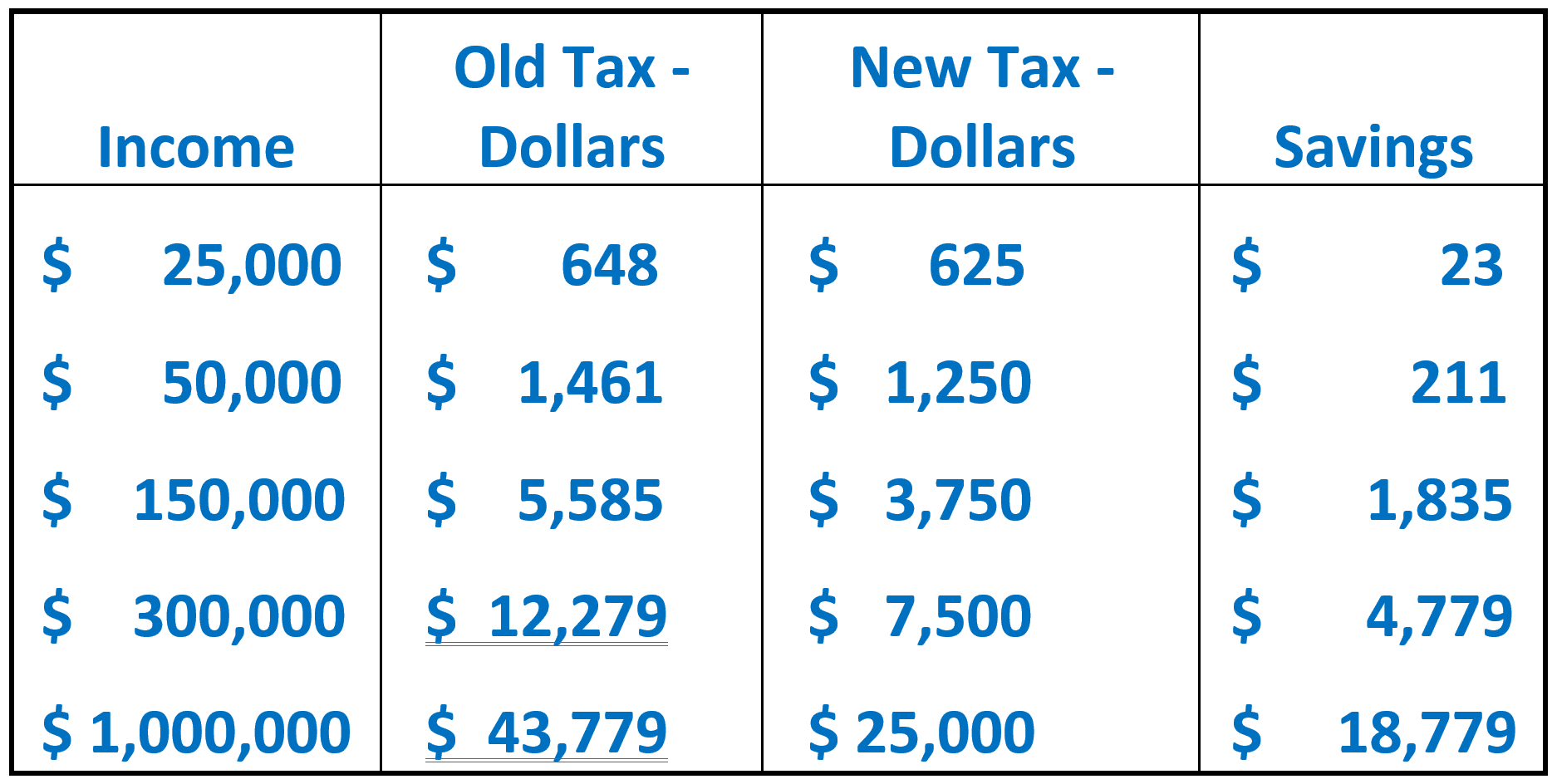
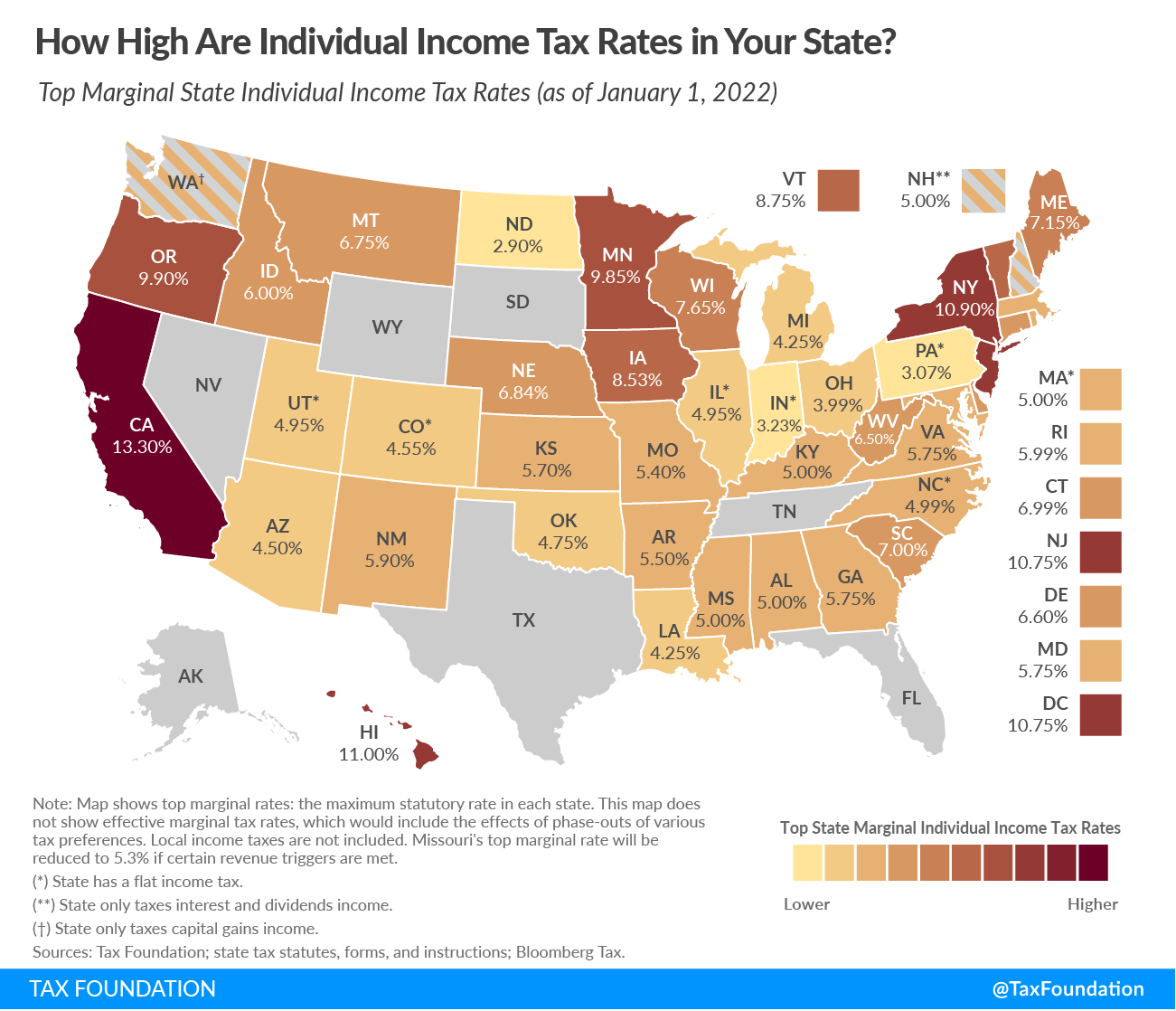
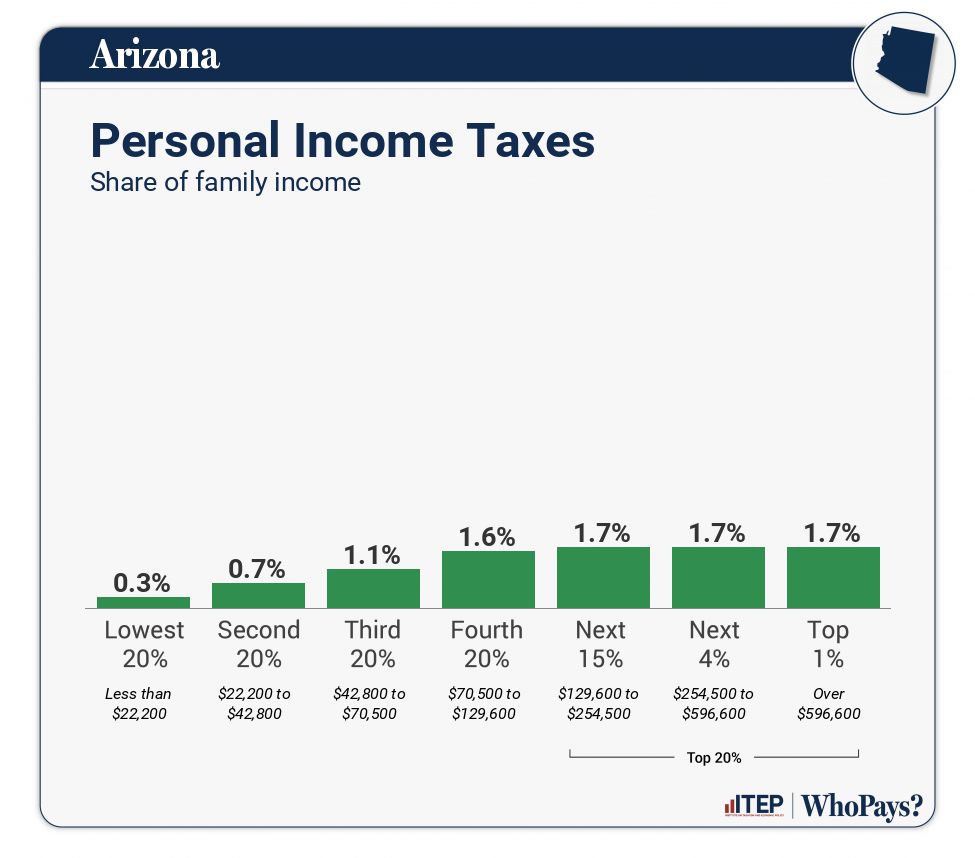
Arizona imposes a state income tax on its residents and on income earned within the state by non-residents. This is crucial for individuals considering a long-term stay, perhaps as a “snowbird” spending several months, or for remote workers deciding to base themselves in Arizona temporarily. The state has a progressive income tax system, meaning different portions of your taxable income are taxed at increasing rates.
Historically, Arizona had multiple tax brackets. However, recent tax reform efforts have aimed to simplify this, moving towards a flatter tax system. For most residents, the general individual income tax rate has been trending downwards, with the goal of reaching a single, low flat rate for the majority of taxpayers. This makes Arizona an increasingly attractive state for those seeking a favorable tax environment for their earnings. If you are earning income while residing in Arizona for an extended period, even if your primary residence is elsewhere, you might be subject to Arizona income tax on that income. It’s always advisable to consult with a tax professional if you anticipate earning income in the state to understand your specific obligations and avoid any unexpected tax burdens, particularly for individuals considering business stays or extended remote work periods.
Property Taxes and Their Impact on Long-term Accommodation
For individuals considering a long-term stay in Arizona that involves purchasing property, such as a vacation home, an apartment, or a villa in areas like Scottsdale or near Lost Dutchman State Park, property taxes are a significant consideration. Unlike some other states, Arizona generally has relatively low property tax rates compared to the national average. Property taxes are assessed at the county level and are based on the assessed value of the property, which is determined by the county assessor’s office.
The actual amount of property tax paid depends on the property’s location, its assessed value, and the specific tax rates set by various taxing jurisdictions (e.g., county, city, school districts, special districts). These taxes contribute to local services and infrastructure, which can indirectly benefit tourism by maintaining roads, parks, and other amenities. For those looking at extended or permanent stays, understanding these costs is vital for accurate financial planning, whether they are considering a luxury travel investment in a Scottsdale villa or a more modest home in Tucson. Even when considering long-term accommodation through rental, while you won’t pay property taxes directly, these costs are often factored into rental prices by landlords. Researching property tax rates in specific areas, such as Organ Pipe Cactus National Monument or other desirable locations, is a key step in evaluating the total cost of ownership or long-term rental in Arizona.
Smart Travel and Budgeting Tips for Arizona
Navigating the tax landscape of Arizona doesn’t have to be daunting. With a few smart tips and a clear understanding, you can effectively budget for your trip and make the most of your Arizona experience, whether you’re embarking on a budget travel adventure or a luxury travel escape.
How to Factor Taxes into Your Travel Budget
The key to a stress-free Arizona vacation is proactive budgeting. Start by researching the specific tax rates for the cities and counties you plan to visit. Websites for municipal and county governments often provide this information. When booking hotels or vacation rentals like those found on lifeoutofthebox.com, always look for the “total price” that includes all taxes and fees, not just the base nightly rate. This is especially important for extended stays or when choosing between high-end resorts like The Boulders Resort & Spa Scottsdale or Westin Kierland Resort & Spa versus more affordable accommodations like the Hilton Sedona Resort at Bell Rock or Homewood Suites by Hilton Phoenix Biltmore.
For other expenses like dining, shopping, and activities, add a general contingency percentage (e.g., 8-15%, depending on the city) to your estimated costs. While it’s an estimate, it provides a buffer. Remember, the combined TPT on goods and services can vary widely. For example, a purchase in Phoenix will have a higher combined rate than in an unincorporated area. For car rentals, assume at least 20-25% in additional taxes and fees on top of the base rental cost. Incorporating these percentages from the outset into your travel budget will give you a much more accurate picture of your total expenses, allowing you to allocate your funds wisely and enjoy your Arizona experiences fully.
Maximizing Your Stay – Tax-Smart Choices
While you can’t avoid taxes entirely, you can make informed decisions to optimize your spending. For accommodation, compare rates not just by base price but by final price after all taxes and fees. Sometimes, staying just outside a major city’s limits, in a neighboring town or an unincorporated county area, can result in lower lodging taxes. For example, staying slightly outside Flagstaff or Tucson might offer some savings on hotels compared to staying right downtown at properties like the Arizona Biltmore, A Waldorf Astoria Resort.
Consider package deals that bundle flights, hotels, and rental cars, as sometimes these can offer overall savings, though you should still verify the tax implications. When it comes to food, preparing some of your own meals, especially if you opt for an apartment or villa with kitchen amenities, can save on TPT compared to dining out for every meal, as basic groceries are often exempt from state TPT. For activities, explore free attractions such as hiking trails in state parks like Lost Dutchman State Park or scenic drives through national forests, reducing the number of taxed admission fees. By being mindful of these factors, you can effectively manage your budget travel or luxury travel in Arizona, allowing your funds to stretch further and enhance your overall experience of this incredible state.
In conclusion, while Arizona’s state tax structure, particularly its Transaction Privilege Tax and various lodging taxes, adds to the cost of travel and accommodation, it shouldn’t deter anyone from exploring its wonders. By understanding how these taxes apply to hotels, car rentals, dining, and attractions, visitors can plan their finances accurately and avoid surprises. Whether you’re drawn to the vibrant urban centers, the tranquility of the desert, or the grandeur of its natural landmarks, a little preparation regarding Arizona’s tax system will ensure your trip is as smooth and enjoyable as possible. The unparalleled beauty and diverse experiences of Arizona are certainly worth the mindful budgeting.
LifeOutOfTheBox is a participant in the Amazon Services LLC Associates Program, an affiliate advertising program designed to provide a means for sites to earn advertising fees by advertising and linking to Amazon.com. Amazon, the Amazon logo, AmazonSupply, and the AmazonSupply logo are trademarks of Amazon.com, Inc. or its affiliates. As an Amazon Associate we earn affiliate commissions from qualifying purchases.