
Nestled along the shores of Lake Michigan, the vibrant cities of Chicago, Illinois, and Milwaukee, Wisconsin, represent two distinct yet equally captivating urban experiences. For travelers eager to explore the diverse landscapes and cultures of the American Midwest, the proximity of these two metropolitan hubs offers an unparalleled opportunity for a combined adventure. Often, the first question that springs to mind when planning such a trip is a practical one: “How far is Chicago from Milwaukee?” The answer, as you’ll discover, is not only about mere miles but also about the ease of travel, the scenic routes, and the wealth of experiences that connect them.

This article will delve into the distance, travel times, and various transportation options available, helping you plan a seamless journey between these two great cities. Beyond the logistics, we’ll explore the unique attractions, accommodation options, and lifestyle considerations that make a trip to both Chicago and Milwaukee an unforgettable travel experience, whether you’re seeking luxury, budget-friendly options, or a family-focused getaway.
The Proximity Explained: Distance and Travel Time
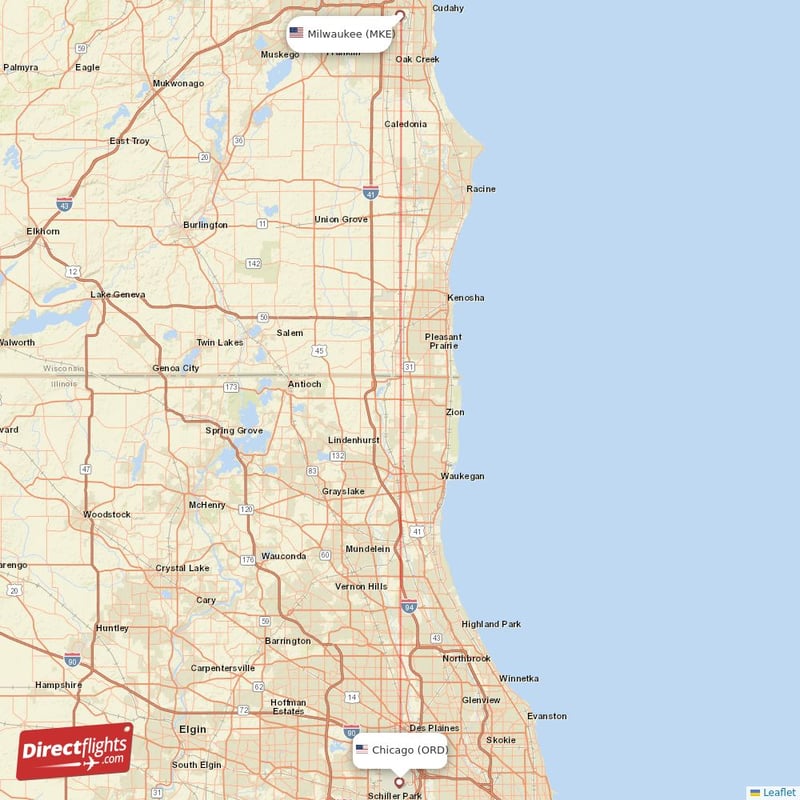
The relatively short distance between Chicago and Milwaukee is one of their greatest advantages for travelers. Situated to the north of Chicago along the western edge of Lake Michigan, Milwaukee is an easily accessible destination, making it perfect for day trips, weekend getaways, or as part of a larger Midwestern itinerary.
The direct distance between the downtown areas of Chicago and Milwaukee is approximately 90 miles (145 kilometers). However, the actual travel distance can vary slightly depending on your exact starting and ending points within each city. What truly matters for most travelers is the time it takes to traverse this distance, which is surprisingly quick and convenient across multiple modes of transportation.
By Car: The Most Common Route
Driving remains the most popular way to travel between Chicago and Milwaukee due to the flexibility it offers. The primary route connecting the two cities is Interstate 94 (I-94), a well-maintained highway that runs almost directly between the urban centers.
Under ideal traffic conditions, the drive typically takes between 1 hour and 30 minutes to 2 hours. However, travelers should be mindful of potential delays, especially during peak commuter hours (mornings and late afternoons on weekdays) or around major holidays. Construction, unfortunately, is a perennial presence on many major highways, and I-94 is no exception, so checking real-time traffic updates before departing is always a wise move.
The drive itself offers glimpses of the changing Midwestern landscape, moving from the dense urban sprawl of Chicago through the more suburban and industrial areas of northern Illinois and southern Wisconsin. A significant portion of I-94 in Illinois is a tollway managed by the Illinois State Toll Highway Authority, so travelers should be prepared for electronic toll collection (e.g., I-Pass/EZ-Pass transponders are recommended, or payments can often be made online after travel). Having your own vehicle also opens up opportunities for scenic detours or stops at charming towns in the Fox River Valley or heading further north into Wisconsin Dells if you’re extending your trip.
Public Transportation: Train and Bus Options
For those who prefer to relax and let someone else do the driving, both train and bus services offer excellent alternatives.
Train: Amtrak’s Hiawatha Service is a highly popular and efficient option for travel between Chicago’s Union Station and Milwaukee’s Intermodal Station. This route boasts frequent departures throughout the day, with travel times typically ranging from 1 hour and 30 minutes to 1 hour and 45 minutes. The Hiawatha Service is known for its reliability and comfortable seating, making it a favorite among business travelers and tourists alike. The convenience of being dropped off in the heart of both cities, often within walking distance or a short ride to major attractions and hotels, is a significant advantage. It allows travelers to avoid parking hassles and city traffic, offering a stress-free journey.
Bus: Several bus companies, including Greyhound and Megabus, operate daily services between Chicago and Milwaukee. Bus travel generally takes a bit longer than driving or taking the train, typically ranging from 2 hours to 2 hours and 45 minutes, depending on the number of stops and traffic conditions. However, bus tickets are often the most budget-friendly option, appealing to travelers looking to minimize their expenses. Most services offer comfortable seating, Wi-Fi, and power outlets, allowing passengers to work or relax during the journey. Similar to the train, buses drop passengers off at central locations, making onward travel relatively straightforward.
Flying: Is It Worth It?
While both Chicago and Milwaukee have major airports – Chicago boasts O’Hare International Airport and Midway International Airport, while Milwaukee is served by General Mitchell International Airport – flying between the two cities is rarely a practical or time-efficient option.
The flight time itself is very short, often less than 30-45 minutes. However, when you factor in the time spent getting to and from the airports, security checks, boarding, and baggage claim, the total travel time often far exceeds that of driving or taking the train. Moreover, direct flights between Chicago and Milwaukee are infrequent, as the ground transportation options are so robust and efficient. Flying would typically only be considered if you are connecting from a longer flight or have specific air travel preferences that outweigh the convenience of ground transport. For direct travel between the cities, it is generally advised to stick to road or rail.
Exploring the Vibrant Cities: What to See and Do
The journey between Chicago and Milwaukee is more than just covering distance; it’s an invitation to immerse yourself in two distinct urban narratives. Each city offers a rich tapestry of history, art, food, and entertainment, catering to every type of traveler.
Discovering Chicago’s Iconic Landmarks and Culture
Chicago, often referred to as the “Windy City,” is a global metropolis renowned for its groundbreaking architecture, world-class museums, and vibrant cultural scene. A visit here is an immersion in urban grandeur and innovative design.
Start your exploration with the city’s unparalleled architecture. A boat tour along the Chicago River provides breathtaking views and insightful commentary on the city’s towering skyscrapers, including the formidable Willis Tower (formerly Sears Tower), where the Skydeck Chicago offers panoramic vistas. Wander through Millennium Park, home to the famous “Bean” sculpture, officially known as Cloud Gate, and enjoy the interactive Crown Fountain.
For art and history enthusiasts, Chicago offers an impressive array of institutions. The Art Institute of Chicago is consistently ranked among the world’s best museums, housing an extraordinary collection of Impressionist, Post-Impressionist, and American art. Nearby, the Museum Campus is a treasure trove of knowledge, encompassing the Shedd Aquarium, Field Museum (natural history), and Adler Planetarium. Don’t forget a visit to the Lincoln Park Zoo, one of the few free zoos in the country.
Shopping enthusiasts will revel in the Magnificent Mile on Michigan Avenue, an iconic stretch featuring high-end boutiques, department stores, and luxurious hotels. For entertainment, catch a show in the historic Theater District, enjoy live blues or jazz music in one of the city’s legendary clubs, or explore the bustling Navy Pier with its Ferris wheel, gardens, and dining options. And, of course, no trip to Chicago is complete without indulging in its culinary delights, particularly a deep-dish pizza from an iconic establishment like Lou Malnati’s or Giordano’s.
Unveiling Milwaukee’s Charm and Unique Experiences
Just a short distance away, Milwaukee offers a delightful contrast to Chicago’s grand scale. Known as “Cream City” for its distinctive cream-colored bricks, Milwaukee boasts a friendly atmosphere, a rich brewing heritage, and a thriving arts scene, making it a destination brimming with character.
One of Milwaukee’s most iconic attractions is the Harley-Davidson Museum. This world-class museum celebrates the legendary motorcycle brand, offering fascinating exhibits on its history, design, and cultural impact. Even if you’re not a motorcycle enthusiast, the museum’s storytelling and interactive displays are captivating.
For art lovers, the Milwaukee Art Museum is a must-see. Its stunning Calatrava-designed Quadracci Pavilion, with its movable “wings” that open and close, is an architectural marvel in itself, overlooking Lake Michigan. Inside, the museum houses an impressive collection spanning various periods and styles.
Milwaukee’s brewing heritage is deeply ingrained in its identity. While many of the historic breweries like MillerCoors offer tours, the city also features a burgeoning craft beer scene with numerous microbreweries and taprooms to explore. Sample local brews and learn about the city’s “Beer Capital” legacy.
Stroll through the revitalized Historic Third Ward district, a former warehouse area now filled with art galleries, boutiques, trendy restaurants, and the bustling Milwaukee Public Market where you can sample local foods. The city also hosts Summerfest, the “World’s Largest Music Festival,” every summer, drawing international acts and huge crowds to its Henry Maier Festival Park on the lakefront. Sports fans can catch a Milwaukee Brewers game at American Family Field or cheer on the Milwaukee Bucks at the state-of-the-art Fiserv Forum. Don’t forget to snap a photo with the Bronze Fonz statue and visit the historic North Point Lighthouse for scenic views.
Planning Your Stay: Accommodation and Lifestyle
Whether you’re visiting for business, a family vacation, or a romantic escape, finding the right accommodation is key to a comfortable and enjoyable trip. Both Chicago and Milwaukee offer a wide spectrum of lodging options, from opulent luxury hotels to charming boutique hotels and practical budget-friendly hotels.
Hotel and Accommodation Choices in Chicago
As a major international city, Chicago boasts an extensive and diverse hotel scene. You can find everything from iconic five-star properties to stylish boutique hotels and convenient extended-stay apartments.
For a truly luxurious experience, consider options like The Langham Chicago, known for its impeccable service and prime riverfront location, or the historic Peninsula Chicago on the Magnificent Mile. Other top-tier choices include Four Seasons Hotel Chicago and Waldorf Astoria Chicago, offering lavish amenities and sophisticated dining.
Mid-range options are plentiful, with reputable chains such as Hyatt Regency Chicago, Marriott Marquis Chicago, and Virgin Hotels Chicago providing excellent value, comfortable rooms, and convenient access to attractions. For travelers on a tighter budget, numerous budget hotels and hostels are available, particularly further from the immediate downtown core but still accessible via Chicago’s efficient public transportation system.
When choosing accommodation in Chicago, consider the neighborhood that best suits your interests. The Loop is ideal for business travelers and those focused on major landmarks and theaters. The Magnificent Mile and River North are excellent for shopping, dining, and nightlife. For a more residential feel with access to parks and museums, areas like Lincoln Park offer charming alternatives.
Finding Your Perfect Stay in Milwaukee
Milwaukee’s accommodation landscape, while smaller than Chicago’s, is equally inviting, with a focus on hospitality and unique local flavor. The city offers a range of hotels from historic grand dames to modern, design-forward boutique hotels.
One of Milwaukee’s most famous and luxurious hotels is The Pfister Hotel, a historic landmark renowned for its opulent Victorian architecture, impressive art collection, and stunning city views from its top-floor lounge. For a distinct experience, the Iron Horse Hotel offers a chic, industrial-inspired design, catering especially to motorcycle enthusiasts and those seeking a trendy, urban vibe.
The Historic Third Ward is an excellent area for boutique hotels like the Kimpton Journeyman Hotel, which provides a stylish base for exploring galleries, shops, and restaurants. Downtown Milwaukee also features reliable options from major brands such as Hyatt Regency Milwaukee, Hilton Milwaukee City Center, and Saint Kate – The Arts Hotel, offering comfort and convenience for both business and leisure travelers.
For more budget-conscious travelers, there are plenty of mid-range hotel chains and motels outside the immediate downtown area, typically offering good value and easy access to local transportation or major roadways. Considerations for booking in Milwaukee often revolve around proximity to the lakefront, the Third Ward for entertainment, or the Brewery District for its unique atmosphere.
Lifestyle Considerations: Luxury, Budget, and Family Travel
The beauty of the Chicago-Milwaukee corridor is its adaptability to various travel lifestyles.
Luxury Travel: For those seeking an indulgent escape, both cities deliver. In Chicago, this might mean a stay in a five-star suite, gourmet dining at a Michelin-starred restaurant, private shopping experiences on the Magnificent Mile, and premium seats for a Broadway in Chicago show. In Milwaukee, luxury could be defined by a stay at The Pfister Hotel with its personal concierge service, a private tour of a craft brewery, or a lavish dinner at an acclaimed restaurant like Goodkind.
Budget Travel: Traveling between these cities can also be very affordable. Opt for bus travel over train or car rental to save on transportation. In terms of accommodation, explore budget hotels, hostels, or vacation rentals outside the immediate city centers. Look for free attractions like Millennium Park and the Lincoln Park Zoo in Chicago, or a stroll along Milwaukee’s scenic waterfront. Eating like a local at casual diners or food markets (like Milwaukee Public Market) can significantly cut down on food costs.
Family Trips: Both Chicago and Milwaukee are fantastic for families. Chicago offers the Shedd Aquarium, Field Museum, and Museum of Science and Industry, plus the fun of Navy Pier. In Milwaukee, the Discovery World science museum, Milwaukee County Zoo, and the Harley-Davidson Museum (which often appeals to older kids) provide engaging activities. When booking accommodation for families, consider hotels with pools, suites, or apartments that offer more space and kitchenettes.
Making the Most of Your Journey: Tips and Itineraries
The ease of travel between Chicago and Milwaukee means you don’t have to choose just one. Many travelers opt to combine these two dynamic cities into a single, comprehensive trip, creating an itinerary that offers a diverse taste of Midwestern urban life.
Combining Both Cities into an Unforgettable Trip
A popular approach is to spend 3-4 days in Chicago, soaking in its grand attractions, then dedicate 2-3 days to Milwaukee’s unique charm. The transition between cities can be a seamless train ride, allowing you to switch gears from bustling metropolis to a more relaxed, yet equally engaging, urban environment.
Suggested Itinerary:
- Days 1-3: Chicago Immersion
- Day 1: Arrive in Chicago, check into your hotel. Explore Millennium Park and take an architectural boat tour. Enjoy deep-dish pizza for dinner.
- Day 2: Visit the Art Institute of Chicago and ascend the Willis Tower Skydeck Chicago. Explore the Magnificent Mile.
- Day 3: Discover the Museum Campus (Shedd Aquarium, Field Museum) or visit Navy Pier. Catch a live music show in the evening.
- Day 4: Travel to Milwaukee & Initial Exploration
- Morning: Take the Amtrak Hiawatha Service from Chicago to Milwaukee.
- Afternoon: Check into your Milwaukee hotel. Visit the Milwaukee Art Museum and stroll along the lakefront.
- Days 5-6: Milwaukee’s Unique Charms
- Day 5: Explore the Harley-Davidson Museum. Take a brewery tour and enjoy dinner in the Historic Third Ward.
- Day 6: Visit the Milwaukee Public Market, explore local boutiques, or catch a game if in season (Brewers or Bucks). Depart from Milwaukee.
This itinerary is flexible and can be adapted based on your interests, pace, and the season of your visit. Consider extending your stay to include specific events like Summerfest in Milwaukee or one of Chicago’s many street festivals.

Essential Travel Tips for the Chicago-Milwaukee Corridor
To ensure a smooth and enjoyable trip, keep these tips in mind:
- Book in Advance: Especially for train tickets (like Amtrak’s Hiawatha Service) and popular hotels, booking ahead can secure better prices and availability, particularly during peak travel seasons or major events.
- Public Transportation in Cities: Both Chicago and Milwaukee have excellent local public transportation. Utilize Chicago’s ‘L’ train and bus system, and Milwaukee’s local buses and streetcar (The Hop) to navigate efficiently without a car.
- Parking: If driving, be aware that parking in downtown Chicago can be expensive and challenging to find. Many Milwaukee hotels offer parking, often for a fee. Factor these costs into your budget.
- Weather Preparedness: The Midwest experiences distinct seasons. Summers can be hot and humid, while winters are cold and snowy. Pack accordingly, and be prepared for sudden changes in weather, especially when traveling along Lake Michigan.
- Tollways: If driving I-94 in Illinois, ensure you have an I-Pass/EZ-Pass or are prepared to pay tolls online after your trip to avoid fines.
- Flexibility: While planning is good, allow for some spontaneity. Discover a local cafe, stumble upon a street performer, or simply enjoy a quiet moment by the lake.
In conclusion, the distance between Chicago and Milwaukee is minimal, easily traversed by car, train, or bus, making it an ideal travel corridor. What lies beyond this short journey are two incredible cities, each with its own compelling allure, ready to offer unforgettable travel experiences. Whether you’re drawn by Chicago’s architectural grandeur and world-class culture or Milwaukee’s friendly charm and rich heritage, this Midwestern pairing promises a trip full of discovery and enjoyment.
LifeOutOfTheBox is a participant in the Amazon Services LLC Associates Program, an affiliate advertising program designed to provide a means for sites to earn advertising fees by advertising and linking to Amazon.com. Amazon, the Amazon logo, AmazonSupply, and the AmazonSupply logo are trademarks of Amazon.com, Inc. or its affiliates. As an Amazon Associate we earn affiliate commissions from qualifying purchases.