
Embarking on a journey to the stunning landscapes of Arizona promises an unforgettable array of experiences, from the towering majesty of the Grand Canyon to the vibrant urban centers of Phoenix and Tucson. However, before you pack your bags and plan your itinerary, there’s a crucial detail that often catches even seasoned travelers by surprise: Arizona’s unique approach to time. Unlike most of the United States, the Grand Canyon State largely opts out of Daylight Saving Time, maintaining a consistent clock throughout the year. This distinctive time zone policy significantly impacts everything from flight schedules and tour booking to simply knowing when to call home. For those keen on travel and making the most of their visit, understanding this peculiarity is the first step toward a seamless Arizona adventure.

This guide delves into the intricacies of Arizona’s time, offering practical advice and insights to help you navigate its temporal landscape. We’ll explore why the state adheres to its specific schedule, how it affects various aspects of your trip, and provide tips for ensuring your vacation remains perfectly on track. From accommodation logistics to maximizing your exploration of iconic landmarks and local culture, this article serves as your essential resource for mastering the clock in Arizona.
Navigating Arizona’s Unique Time Zone Landscape
The question “What time is it in Arizona?” seems straightforward, yet its answer holds a fascinating twist that sets the state apart. This distinct approach to time-keeping is rooted in history, geography, and a desire for consistency, especially given Arizona’s often intense climate.
The Evergreen Mountain Standard Time (MST)
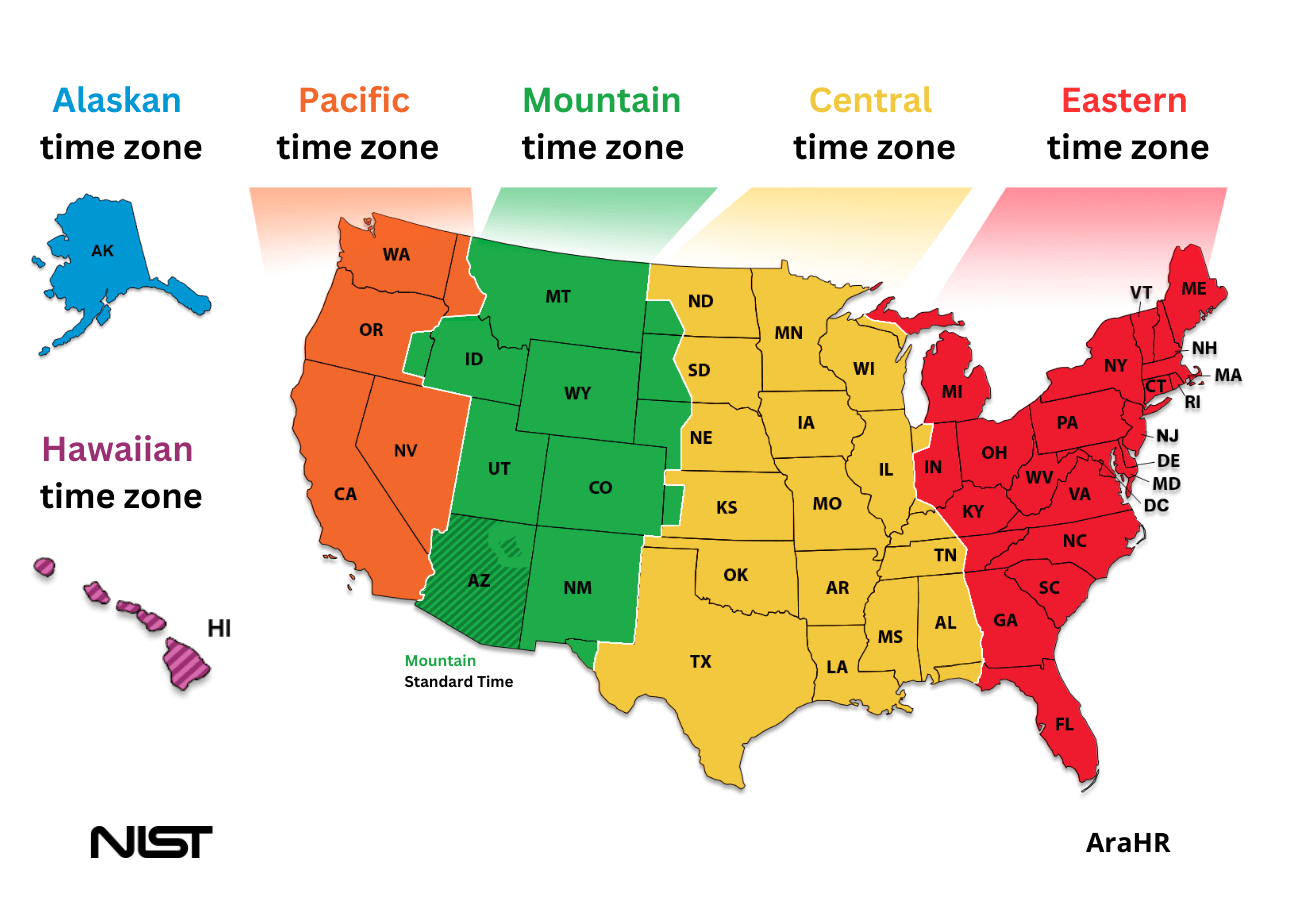
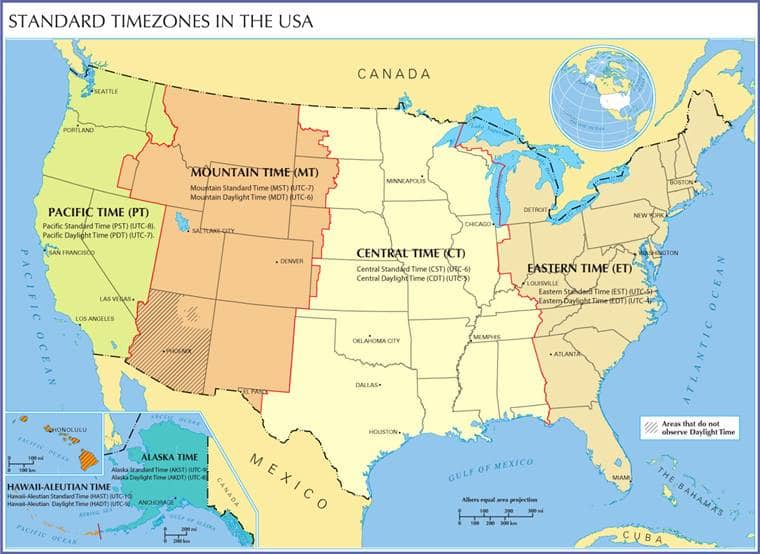
For the vast majority of the year, and most of its geographical expanse, Arizona observes Mountain Standard Time (MST). This means that when other states in the Mountain Time Zone “spring forward” for Daylight Saving Time in March, shifting to Mountain Daylight Time (MDT), Arizona remains firmly on MST. Essentially, from March to November, Arizona’s time aligns with Pacific Daylight Time (PDT), making it three hours behind Eastern Daylight Time (EDT). When Daylight Saving Time ends in November, Arizona once again aligns with the rest of the Mountain Standard Time zone.
The primary reason for this choice is practical: Arizona’s scorching summer temperatures. By not observing Daylight Saving Time, the state avoids extending daylight into the late evening, which would push prime outdoor activity times further into the hottest parts of the day. Keeping the clock “earlier” helps people conduct business, travel, and enjoy outdoor activities during cooler morning hours, fitting seamlessly into the lifestyle dictated by its climate. This consistency also simplifies scheduling for residents and businesses, eliminating the biannual adjustment.
The Navajo Nation Exception: A Time Anomaly
As with many rules, there’s a notable exception. The Navajo Nation, a sovereign Native American territory that spans parts of Arizona, Utah, and New Mexico, does observe Daylight Saving Time. This means that for roughly half the year (March to November), the Navajo Nation is one hour ahead of the rest of Arizona.
This can create a unique challenge for visitors, especially when planning excursions to iconic sites like Monument Valley, Antelope Canyon, or the area around Page, which are either within or bordering the Navajo Nation. For example, if you’re staying in Flagstaff (MST) and have a guided tour scheduled for 9:00 AM in Antelope Canyon (Navajo Nation time, which would be MDT), you would need to depart Flagstaff by 7:00 AM MST to arrive on time, accounting for both the driving duration and the one-hour time difference. Complicating matters further, the Hopi Reservation, which is entirely surrounded by the Navajo Nation, also does not observe Daylight Saving Time, adding another layer of complexity.
Practical Implications for Travelers
Understanding these time zone nuances is paramount for a smooth Arizona travel experience. Here’s why:
- Flight Schedules: When flying into or out of Arizona during Daylight Saving Time, be mindful that your departure or arrival times will reflect Arizona’s MST, which is an hour “behind” other states observing MDT.
- Accommodation Check-in/Check-out: While most hotels and resorts in the state will operate on Arizona’s general MST, confirm with your specific lodging, especially if staying near the Navajo Nation.
- Tour Bookings and Activities: This is where the time difference can be most critical. Missing a sunrise tour of the Grand Canyon or a guided hike in Sedona due to a miscalculation can be a major disappointment. Always confirm the local time zone for any scheduled activity.
- Communication with Home: When calling friends or family, remember Arizona’s adjusted relationship to other time zones. During Daylight Saving Time, it will be the same time as California and Nevada (PDT), not Utah or Colorado (MDT).
Ignoring these time differences can lead to missed connections, forfeited booking deposits, and unnecessary stress. A little preparation goes a long way in ensuring your Arizona adventure unfolds precisely as planned.
Planning Your Arizona Adventure: Time-Savvy Travel Tips
Successful travel to Arizona requires not just an appreciation for its natural beauty and vibrant culture, but also a strategic approach to its unique time zone. Thoughtful planning can transform potential confusion into a smooth, enjoyable experience.
Booking Accommodation and Activities Across Time Zones
When arranging your stay and scheduling your adventures, verify the time zone explicitly stated on your booking confirmations. Most online booking platforms automatically adjust to your local device’s time, which can be misleading if you’re planning an Arizona trip from a different time zone.
- Hotels and Resorts: Confirm check-in and check-out times with your specific accommodation directly, especially if you’re staying in smaller towns or close to the Navajo Nation. Urban centers like Phoenix, Tucson, and Scottsdale generally adhere to the state’s MST. Many hotels offer clear guides on their time policies.
- Tours and Excursions: Pay close attention to the listed start times for tours, particularly those departing from areas like Page (for Antelope Canyon or Horseshoe Bend) or from within the Navajo Nation. Tour operators are typically very explicit about the time zone they operate in, but a quick call to confirm can prevent misunderstandings.
- Dining Reservations: Popular restaurants, particularly in tourist hotspots like Sedona or Flagstaff, can fill up quickly. Double-check your reservation times against your current location’s time.
Consider compiling a detailed itinerary that clearly lists the local time for each activity, removing any ambiguity. This is particularly helpful for family trips or group travel.
Maximizing Your Itinerary: Sunrise to Sunset in Arizona
Arizona’s adherence to MST means earlier sunrises and sunsets during the summer months compared to states observing Daylight Saving Time. This unique characteristic can be an advantage for early risers and those looking to escape the midday heat.
- Early Morning Adventures: Take advantage of cooler temperatures and breathtaking light by planning hikes, bike rides, or scenic drives in the morning. Popular trails in Saguaro National Park or around Sedona are best enjoyed before the sun reaches its peak.
- Afternoon Relaxation: Use the hottest part of the day for indoor activities. Explore museums in Phoenix or Tucson, enjoy a spa treatment at one of Arizona’s luxurious resorts, or simply relax by a pool.
- Evening Delights: With earlier sunsets, you can enjoy stunning golden hour views and stargazing experiences earlier in the evening. Many national parks and rural areas offer unparalleled dark skies.
- Driving Times: When calculating drive times, especially between regions with different time zones (e.g., Flagstaff to the Navajo Nation), factor in the hour difference. A two-hour drive might effectively become three hours from your perspective.
Essential Communication for a Seamless Trip
Effective communication is key, not just with your travel companions but also with service providers.
- Confirm with Local Operators: Before embarking on any guided tour or special experience, make a quick call to the local operator to confirm the meeting time and location in their local time. This is especially true for those entering the Navajo Nation.
- Inform Your Contacts: Let friends and family know about Arizona’s time zone so they don’t get confused when trying to reach you.
- Use Reliable Tech: While most smartphones and GPS devices automatically adjust time zones, always double-check the displayed time against a reliable source or a local clock, especially when crossing into the Navajo Nation. Some areas have spotty cell service, making manual checks important.
By integrating these time-savvy tips into your planning, your Arizona adventure will be characterized by smooth transitions and maximum enjoyment, allowing you to fully immerse yourself in the wonders of the desert state.
Iconic Arizona Destinations Through a Time-Conscious Lens
Arizona’s diverse landscapes and vibrant cities offer an endless array of destinations and experiences. Understanding the state’s time zone quirks ensures you can fully appreciate each locale without missing a beat.
The Majestic Grand Canyon: Timeless Beauty, Timely Visits
The Grand Canyon, a true natural landmark, operates entirely within Arizona’s MST (no Daylight Saving Time). This is a huge benefit for visitors, particularly during the summer months when earlier sunrises allow for incredible photographic opportunities and cooler morning hikes down into the canyon.
- Sunrise and Sunset: Plan to arrive at popular viewpoints like Mather Point or Hopi Point well before sunrise or sunset. The earlier sunrise in summer means you can capture spectacular colors without staying up too late, and the earlier sunset allows for enjoyable evening programs or stargazing.
- Rafting and Mule Trips: If you’ve booked a rafting trip on the Colorado River or a mule ride, confirm your departure times. While within the park, they will adhere to MST, ensuring consistency throughout your Grand Canyon experience.
- South Rim vs. North Rim: Both the South Rim and North Rim follow Arizona MST. Regardless of which majestic vantage point you choose, your scheduling will be straightforward.
Phoenix and Tucson: Urban Exploration on MST
Phoenix, the state capital, and Tucson, its southern counterpart, are bustling metropolitan areas that remain firmly on Mountain Standard Time year-round. This benefits city dwellers and visitors alike, as business hours, public transportation, and dining schedules remain consistent.
- City Life: Enjoy shopping in Scottsdale, exploring museums in Phoenix, or dining on exquisite food in Tucson without worrying about time changes. The consistent clock makes it easier to plan a full day of urban tourism and lifestyle activities.
- Outdoor Activities: Even within these cities, access to the Sonoran Desert means plenty of hiking and outdoor opportunities. Plan morning hikes to beat the heat, particularly during summer.
- Business Stays: For those on business stays in Phoenix, Mesa, or Tempe, the stable time zone simplifies scheduling meetings and coordinating with colleagues in other states.
Sedona and Flagstaff: High Desert Wonders and Stargazing
The red rocks of Sedona and the cooler mountain climate of Flagstaff are popular destinations, and both operate on Arizona’s MST.
- Sedona’s Vortexes and Trails: Plan your spiritual journeys and scenic hikes to align with the more temperate parts of the day. The earlier sunset provides perfect conditions for experiencing Sedona’s famous twilight glows.
- Flagstaff’s Stargazing: As an International Dark Sky City, Flagstaff offers incredible stargazing. The absence of Daylight Saving Time means the night sky becomes visible earlier in the evening during summer, enhancing your celestial experiences. Consider visiting the Lowell Observatory for guided viewings.
- Proximity to the Grand Canyon: Being on the same time zone as the Grand Canyon simplifies day trips from both Sedona and Flagstaff, making logistics straightforward.
The Cultural Richness of the Navajo Nation
Visiting the Navajo Nation (and the Hopi Reservation) is a profound cultural experience. As mentioned, the Navajo Nation observes Daylight Saving Time, meaning it is one hour ahead of the rest of Arizona during summer.
- Iconic Sites: When planning visits to Monument Valley, Antelope Canyon, Horseshoe Bend (near Page), or Canyon de Chelly National Monument, always confirm tour times with local Navajo guides or park services. These are popular landmarks and tours often sell out.
- Crossing Borders: If driving from Phoenix or Flagstaff into the Navajo Nation, remember to set your clock forward one hour during Daylight Saving Time to align with local time. Signs often indicate the time zone change.
- Local Culture and Commerce: Respecting local time is part of engaging respectfully with the culture and businesses within the Navajo Nation.
By being mindful of these regional time differences, you can fully appreciate the distinct character of each Arizona destination, ensuring that your journey is as enriching as it is smooth.
Embracing the Arizona Lifestyle: Beyond the Clock
While understanding Arizona’s time zone is a practical necessity for planning, the true essence of visiting this magnificent state lies in embracing its unique lifestyle, from its culinary scene to its unparalleled outdoor adventures. The consistent MST throughout most of the state offers a predictable rhythm that contributes to a relaxed and immersive travel experience.
Culinary Delights and Local Experiences
Arizona’s food scene is a vibrant blend of Native American traditions, Mexican influences, and modern Southwestern innovation. Whether you’re seeking gourmet dining, authentic street food, or traditional dishes, the consistent time zone makes planning your gastronomic adventures straightforward.
- Phoenix and Tucson’s Restaurants: These cities boast a plethora of acclaimed restaurants. Enjoy farm-to-table cuisine, indulge in spicy Sonoran hot dogs, or sample award-winning wines from local vineyards without the hassle of time zone adjustments for dinner reservations.
- Local Markets and Festivals: Many local markets and cultural festivals operate on fixed schedules. Arizona’s time policy ensures that event times are consistent and easy for visitors to follow, allowing for full immersion in local traditions and artisan crafts.
- Food Tours and Cooking Classes: Participate in food tours or learn to cook Southwestern dishes. The stability of the time zone makes it easier to schedule these interactive experiences.
Outdoor Adventures and Natural Landmarks
Arizona is synonymous with breathtaking natural beauty and outdoor pursuits. From the saguaro forests of the Sonoran Desert to the red rocks of Sedona and the pine forests around Flagstaff, the state offers unparalleled opportunities for exploration and adventure.
- Hiking and Biking: The cooler morning hours, facilitated by Arizona’s time, are ideal for hiking trails in Saguaro National Park, Camelback Mountain, or the numerous paths around Sedona.
- Water Activities: Visit Lake Powell or Lake Mead (near the Hoover Dam) for boating, kayaking, and swimming. Remember that parts of Lake Powell fall within the Navajo Nation and will observe Daylight Saving Time.
- National Parks and Monuments: Explore Petrified Forest National Park, Canyon de Chelly National Monument, or Organ Pipe Cactus National Monument. Their operating hours will generally align with the surrounding local time zones.
- Dark Sky Preservation: Arizona’s commitment to dark skies provides incredible stargazing experiences. The consistent time zone simplifies planning evening outings to observatories or remote viewing spots.
A Timeless Destination for Every Traveler
Whether you’re planning a luxury travel escape to Scottsdale’s lavish resorts, a budget travel adventure exploring national parks, or a long-term stay as a “snowbird” escaping winter, Arizona offers something for everyone. The predictability of its time zone, for the most part, makes it an exceptionally welcoming and easy-to-navigate destination.
From choosing the perfect suites or villas for your stay to reading reviews and making comparison for your next accommodation (be it apartments or hotels), the general rule of consistent time simplifies your decision-making. Focus less on changing clocks and more on the rich history, stunning nature, and unique architecture that define Arizona.
Ultimately, while the question “What is the time Arizona?” initially points to a simple fact, it opens the door to a deeper understanding of what makes this state truly unique. By embracing its singular approach to time, travelers can unlock a richer, more enjoyable, and perfectly punctual journey through one of America’s most captivating destinations. With proper planning and an awareness of the Navajo Nation exception, your Arizona adventure will be truly timeless.
LifeOutOfTheBox is a participant in the Amazon Services LLC Associates Program, an affiliate advertising program designed to provide a means for sites to earn advertising fees by advertising and linking to Amazon.com. Amazon, the Amazon logo, AmazonSupply, and the AmazonSupply logo are trademarks of Amazon.com, Inc. or its affiliates. As an Amazon Associate we earn affiliate commissions from qualifying purchases.