
Few destinations captivate the imagination quite like Hawaii. This archipelago, nestled in the heart of the Pacific Ocean, beckons travelers with its stunning volcanic landscapes, pristine beaches, vibrant culture, and the legendary Aloha Spirit. From the bustling shores of Waikiki Beach on Oahu to the verdant cliffs of Kauai’s Na Pali Coast, the islands offer a diverse tapestry of experiences for every type of traveler. However, before you can immerse yourself in surfing, snorkeling, or simply lounging under a palm tree, a crucial question arises: “How much does it cost to fly to Hawaii?”
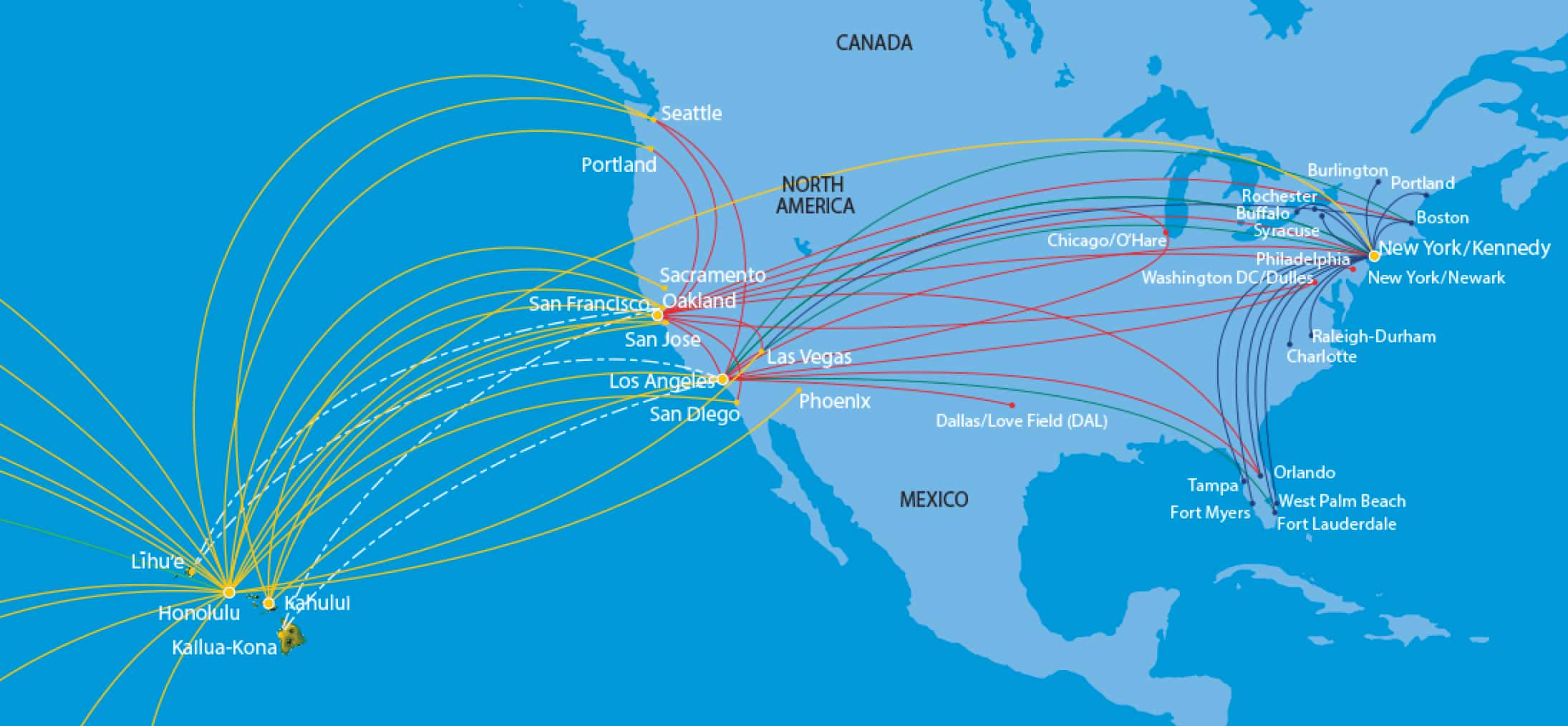
The answer, unfortunately, is rarely a simple number. Flight prices to this tropical paradise can fluctuate dramatically, ranging from as low as $300 to well over $1,500 for a round-trip ticket from the continental United States. This wide variance is influenced by a multitude of factors, making it essential for aspiring visitors to understand the dynamics of airfare pricing. By unraveling these complexities, you can strategize your booking to secure the best possible deal and allocate more of your budget to enjoying the rich experiences that await you across the islands. This comprehensive guide will delve into the various elements that impact flight costs, offer practical tips for finding cheaper fares, and help you plan your entire Hawaiian adventure, from touchdown to departure.
Understanding the Factors Influencing Flight Costs to Hawaii
The price of an airline ticket to Hawaii is not static; it’s a dynamic figure that responds to supply, demand, and a host of other variables. Understanding these key factors is the first step in mastering the art of affordable travel to the Aloha State.
Seasonality and Timing: Peak vs. Off-Peak Travel
Perhaps the most significant determinant of flight costs is the time of year you choose to travel. Hawaii experiences distinct peak and off-peak seasons, largely driven by holidays and school breaks in North America.
- Peak Season: Expect the highest prices during major holidays such as Christmas, New Year’s, Thanksgiving, Easter, and during the summer months (June to August). Spring break periods (March to April) and late winter (February) also see elevated demand, as travelers seek to escape colder climates. During these times, demand for flights surges, leading airlines to increase fares significantly. Not only are flights more expensive, but accommodation options, car rentals, and popular attractions also command premium prices, and the islands tend to be more crowded.
- Off-Peak (Shoulder) Season: The sweet spot for budget-conscious travelers is typically the shoulder seasons. These include mid-April to early June (after spring break but before summer crowds) and September to mid-December (before the Christmas rush, excluding Thanksgiving week). During these periods, tourist numbers are generally lower, and airlines, hotels, and tour operators often offer more competitive rates to entice visitors. Weather-wise, these months are still delightful, offering warm temperatures and plenty of sunshine.
- Mid-Week Travel: Beyond the season, the specific days of the week you fly can also impact pricing. Tuesdays, Wednesdays, and Saturdays are generally the cheapest days to fly, while Fridays and Sundays are usually the most expensive due to business travel and weekend getaways. Being flexible with your departure and return dates, even by a day or two, can yield substantial savings.
Departure City and Airline Choices
Where you start your journey significantly impacts the price of your ticket. Flights from the West Coast of the United States are almost always cheaper than those originating from the East Coast or Midwest, simply due to the shorter distance.
- West Coast Hubs: Major international airports like Los Angeles (LAX), San Francisco (SFO), Seattle (SEA), and Portland (PDX) often serve as primary gateways to Hawaii. Travelers from other parts of the US might consider flying to one of these hubs first and then catching a separate flight to Hawaii, especially if a domestic flight deal to the West Coast makes it worthwhile.
- Other US Regions: Flights from cities further inland, such as Chicago (ORD), Denver, Dallas, Houston, Phoenix, or New York (JFK/LGA/EWR), will naturally be more expensive and almost always involve at least one layover.
- Airline Competition: The competitive landscape among airlines also plays a role. Carriers like Hawaiian Airlines specialize in routes to the islands, while major US airlines such as United Airlines, Delta Air Lines, American Airlines, and Alaska Airlines offer extensive services. Budget carriers like Southwest Airlines have also entered the market, sometimes driving down prices, though they might have fewer direct flight options or different baggage policies. Comparing these airlines is crucial.
Booking Strategies: How Far in Advance?
The adage “the early bird gets the worm” often holds true for flight bookings, particularly for popular destinations like Hawaii.
- Optimal Booking Window: For the best fares, most travel experts recommend booking your flight to Hawaii at least 2 to 3 months in advance. For peak travel seasons (e.g., holidays, summer), extending this to 4 to 6 months can be beneficial, especially if you have strict travel dates or prefer specific airlines and direct flights.
- Last-Minute Deals: While rare for Hawaii, last-minute deals can occasionally appear, often for off-peak dates or with less desirable flight times. However, relying on these is a gamble and generally not recommended for such a sought-after destination.
- Monitoring Prices: Tools that track flight prices can be invaluable. Setting up alerts for your desired route can notify you when prices drop, allowing you to snatch up a good deal.
Layovers vs. Direct Flights
The convenience of a direct flight often comes at a premium.
- Direct Flights: Offering the quickest and most hassle-free journey, direct flights are typically more expensive. They are often preferred by families, business travelers, or those with limited time.
- Flights with Layovers: Opting for a flight with one or more layovers can significantly reduce the cost. While it adds to your travel time, the savings can be substantial, making it a viable option for budget-conscious adventurers. Major hubs for connecting flights often include the West Coast cities mentioned earlier or even other airports in [Hawaii](https://lifeoutofthebox.com/hawaii] like Honolulu if flying to a smaller island. Be mindful of layover durations; some can be short and efficient, while others might involve a long wait.
Deconstructing the Cost: What to Expect
Now that we understand the influencing factors, let’s dive into the typical price ranges and specific airport considerations for your trip to Hawaii.
Typical Price Ranges by Departure Region
While prices are dynamic, general ranges can help set expectations:
- From the West Coast (e.g., Los Angeles, San Francisco, Seattle):
- Off-peak: $300 – $600 round trip. Finding fares on the lower end ($300-$400) is considered an excellent deal.
- Peak season: $600 – $1,000+ round trip.
- From the Midwest or Southwest (e.g., Chicago, Denver, Dallas, Phoenix, Houston):
- Off-peak: $500 – $900 round trip.
- Peak season: $900 – $1,300+ round trip.
- From the East Coast or Mid-Atlantic (e.g., New York, Boston, Miami):
- Off-peak: $600 – $1,000+ round trip.
- Peak season: $1,000 – $1,500+ round trip. Fares can exceed $2,000 during major holidays.
These ranges are for economy class tickets. Business or first-class fares will be significantly higher, often starting from $1,500 and easily reaching $5,000+ depending on the route and airline.
Hidden Costs and What’s Included
When comparing prices, always look beyond the base fare.
- Baggage Fees: Many airlines, especially budget carriers or for basic economy tickets, charge extra for checked bags. These fees can add $30-$70 per bag, each way, quickly increasing your overall cost. Be sure to factor this in, especially if you’re traveling with extensive luggage for a longer stay or family.
- Seat Selection Fees: Some airlines charge for advance seat selection. While not mandatory, it can be important for families wishing to sit together or for those who prefer an aisle or window seat.
- In-flight Amenities: Basic economy fares often exclude meals, entertainment systems, or even blankets. While not a direct flight cost, considering these can influence your comfort and overall experience.
- Credit Card Surcharges: Though less common, some obscure booking sites might add a surcharge for credit card payments.
- Flexibility Fees: If you think your plans might change, consider a flexible ticket option, though these usually come at a higher initial price.
Exploring Different Hawaiian Island Airports
Hawaii consists of several major islands, each with its own primary airport. Your choice of arrival airport can impact both your flight cost and your inter-island travel plans.
- Honolulu (HNL) – Oahu: This is the largest and busiest airport in Hawaii and generally offers the most direct flights and competitive prices. Many international flights also arrive here. If your final destination is a different island, you’ll likely connect through HNL for an inter-island flight.
- Kahului (OGG) – Maui: As the gateway to the popular island of Maui, OGG also sees a good number of direct flights from the West Coast and sometimes from the Midwest. Fares tend to be slightly higher than Honolulu but lower than other outer islands.
- Kona (KOA) – Big Island: Serving the drier Kona side of the Big Island, KOA receives direct flights, primarily from the West Coast.
- Lihue (LIH) – Kauai: The main airport for the Garden Isle, LIH also has direct connections from the West Coast. Fares can be similar to Maui or slightly higher.
- Hilo (ITO) – Big Island: Located on the wetter, eastern side of the Big Island, ITO receives fewer direct flights than KOA, often requiring a connection through Honolulu or another mainland hub.
- Molokai (MKK) and Lanai (LNY): These smaller island airports primarily serve inter-island flights from Honolulu or Maui. Direct flights from the mainland are extremely rare, making a multi-leg journey almost certain if these are your primary destinations.

Consider which island you want to visit first and search for flights directly to that island. Sometimes, flying into Honolulu and then taking a separate inter-island flight to your final destination (e.g., Maui or Kauai) can be cheaper than a direct multi-stop booking, but always compare. Inter-island flights typically cost between $50-$150 one-way.
Savvy Strategies for Saving Money on Your Hawaiian Flight
Now that you’re armed with knowledge about what drives prices, here are actionable strategies to help you find more affordable flights to Hawaii.
Flexibility is Key
- Dates: As discussed, flying during the shoulder seasons (mid-April to early June, September to mid-December) and mid-week (Tuesday-Thursday) can dramatically reduce costs. If you have flexibility with your travel dates, use “flexible date” search options on flight comparison websites.
- Airports: Consider flying out of smaller airports near major hubs if they offer cheaper flights, or be open to flying into Honolulu and taking an inter-island flight to your final destination if direct flights to smaller islands are too expensive. Also, check nearby departure cities for better deals. For example, if you live near Boston, check New York airports too.
Utilizing Flight Comparison Tools and Alerts
The digital age has made comparing flight prices easier than ever.
- Comparison Websites: Websites like Skyscanner, Google Flights, and Kayak are invaluable. They aggregate data from numerous airlines and online travel agencies, allowing you to see a wide range of options. Be sure to check airline direct websites too, as sometimes they offer exclusive deals.
- Price Alerts: Most comparison tools allow you to set up price alerts for specific routes and dates. You’ll receive email notifications when the fare changes, helping you pounce on a good deal.
- “Everywhere” or “Explore” Features: If your dates are flexible and you’re simply looking for the cheapest time to fly, use features that show you prices across a calendar or to multiple destinations simultaneously.
Loyalty Programs and Credit Card Benefits
If you’re a frequent flyer, leverage your existing relationships.
- Airline Miles/Points: Accumulating miles through airline loyalty programs or co-branded credit cards can significantly offset flight costs, potentially allowing you to fly to Hawaii for just the cost of taxes and fees. Plan well in advance, as award availability can be limited, especially for popular routes.
- Credit Card Travel Benefits: Many premium travel credit cards offer benefits like travel credits, companion passes, or lounge access that can enhance your trip or reduce associated costs. Some even provide travel insurance that covers trip delays or cancellations.
Considering Package Deals
While focusing solely on flights, remember that a holistic approach can sometimes yield better overall savings.
- Flight + Hotel Packages: Online travel agencies like Expedia, Priceline, and Travelocity often offer bundled flight and hotel deals that can be cheaper than booking each component separately. This is particularly true during off-peak seasons when hotels are eager to fill rooms.
- Flight + Car Rental Packages: Similarly, combining your flight with a car rental can sometimes result in savings, though always compare the bundled price with booking each element individually.
Beyond the Flight: Planning Your Hawaiian Adventure
Securing an affordable flight is just the beginning. Hawaii offers a myriad of experiences, and thoughtful planning will ensure your trip is everything you dream of.
Choosing Your Island: A Glimpse into Unique Experiences
Each Hawaiian island boasts a distinct personality and offers different attractions.
- Oahu: Home to Honolulu, Waikiki Beach, and Pearl Harbor, Oahu is a blend of city life, historical significance, and legendary surf spots on the North Shore. It’s ideal for those seeking a mix of culture, dining, and vibrant activities. Climbing Diamond Head offers panoramic views.
- Maui: Known as the “Valley Isle,” Maui is celebrated for its stunning beaches like Kaanapali Beach and Makena Beach, luxury resorts in Wailea, the scenic Hana Highway (Road to Hana), and the breathtaking sunrise/sunset at Haleakala National Park. It’s perfect for romantic getaways, adventure, and relaxation.
- Kauai: The “Garden Isle” is a haven for nature lovers, with its lush rainforests, cascading waterfalls, and the dramatic cliffs of the Na Pali Coast. Hiking, kayaking, and exploring the beautiful Kauai’s North Shore are popular activities.
- Big Island: The youngest and largest island, the Big Island offers incredible diversity, from the active volcanoes of Hawaii Volcanoes National Park (home to Kilauea) to the snow-capped summit of Mauna Kea, and black sand beaches. It’s an adventurer’s paradise.
- Molokai & Lanai: For those seeking a quieter, more authentic Hawaiian experience, these smaller islands offer tranquility and a glimpse into old Hawaii. They are perfect for travelers looking to escape the crowds and immerse themselves in natural beauty and local charm.
Accommodation Options: From Budget to Luxury
Just like flights, lodging in Hawaii caters to all budgets and lifestyles.
- Luxury Resorts: Islands like Maui and Oahu boast world-class resorts from brands like Four Seasons, Grand Hyatt, Hilton, and Marriott, offering opulent suites, stunning amenities, and unparalleled service. These are perfect for luxury travel, honeymoons, or special celebrations.
- Boutique Hotels & Mid-Range Options: Scattered across the islands are charming boutique hotels and comfortable mid-range accommodations that offer a balance of comfort and value.
- Vacation Rentals: Platforms like Airbnb and Vrbo provide a vast selection of apartments, villas, and homes, ideal for families, groups, or those seeking a more local experience with kitchen facilities. This can be a great budget-friendly option, especially for longer stays.
- Hostels & Budget Stays: For solo travelers or those on a tight budget, hostels and guesthouses offer affordable beds and opportunities to meet other travelers.
Booking well in advance, especially for popular properties and during peak season, is crucial. Comparison websites are excellent for finding deals, and considering non-refundable rates can sometimes offer further discounts if your plans are firm.
Essential Activities and Must-See Landmarks
Once you arrive, the islands offer an endless array of activities and natural wonders.
- Water Sports: Surfing, snorkeling, scuba diving, stand-up paddleboarding, and kayaking are staples of any Hawaiian trip. Explore vibrant coral reefs, swim with sea turtles, or catch a wave at one of the world’s most famous surf breaks.
- Hiking: From easy coastal strolls to challenging volcanic treks, Hawaii’s diverse landscapes provide incredible hiking opportunities, revealing hidden waterfalls and panoramic vistas.
- Cultural Experiences: Immerse yourself in the rich Polynesian heritage by attending a traditional Luau with hula dancers and authentic Hawaiian food, visiting historical sites like Pearl Harbor, or exploring local markets.
- Nature & Wildlife: Witness breathtaking sunsets, go whale watching (seasonal), visit botanical gardens, or marvel at the unique ecosystems within Hawaii Volcanoes National Park.

Embracing Local Culture and Cuisine
Hawaii is a melting pot of cultures, heavily influenced by its indigenous Polynesian roots and its position in the Pacific Rim.
- Food: Don’t miss out on local delicacies. Savor fresh poke, kalua pig, loco moco, shaved ice, and tropical fruits. Explore farmers’ markets and food trucks for authentic flavors. Dining options range from casual eateries to world-class fine dining, reflecting the islands’ diverse culinary scene.
- Aloha Spirit: More than just a greeting, Aloha Spirit is a way of life in Hawaii, embodying friendliness, hospitality, and mutual understanding. Embrace it by being respectful of the land, local customs, and fellow travelers.
In conclusion, flying to Hawaii requires strategic planning and a keen understanding of airfare dynamics. By being flexible with your travel dates, booking in advance, utilizing comparison tools, and considering package deals, you can significantly reduce the cost of your flight. Once your journey is secured, you can then fully immerse yourself in planning the myriad of experiences, from luxurious resorts to cultural explorations and thrilling adventures, ensuring your trip to Hawaii is not only unforgettable but also fits perfectly within your budget and lifestyle.
LifeOutOfTheBox is a participant in the Amazon Services LLC Associates Program, an affiliate advertising program designed to provide a means for sites to earn advertising fees by advertising and linking to Amazon.com. Amazon, the Amazon logo, AmazonSupply, and the AmazonSupply logo are trademarks of Amazon.com, Inc. or its affiliates. As an Amazon Associate we earn affiliate commissions from qualifying purchases.