
For anyone planning a trip, a business meeting, or even just a casual call with friends or family in the Grand Canyon State, understanding the local time in [Phoenix], [Arizona], can be a surprisingly nuanced affair. While many places across the [United States] adjust their clocks twice a year for Daylight Saving Time, [Arizona] largely remains steadfastly rooted in its unique temporal rhythm. This distinction not only makes for an interesting geographical quirk but also has practical implications for travelers and residents alike, shaping everything from flight schedules to sunset dinner reservations.

This guide delves into the specifics of [Arizona]’s time zone, exploring why [Phoenix] doesn’t observe DST and what that means for your travel plans, accommodations, and overall experience in this vibrant desert metropolis. From luxurious resorts to iconic [landmarks], and from seamless travel logistics to embracing the local lifestyle, we’ll uncover how [Arizona]’s consistent time zone contributes to a uniquely serene and straightforward travel environment, allowing you to focus on the myriad attractions and experiences that await.
Understanding Arizona’s Unique Time Zone
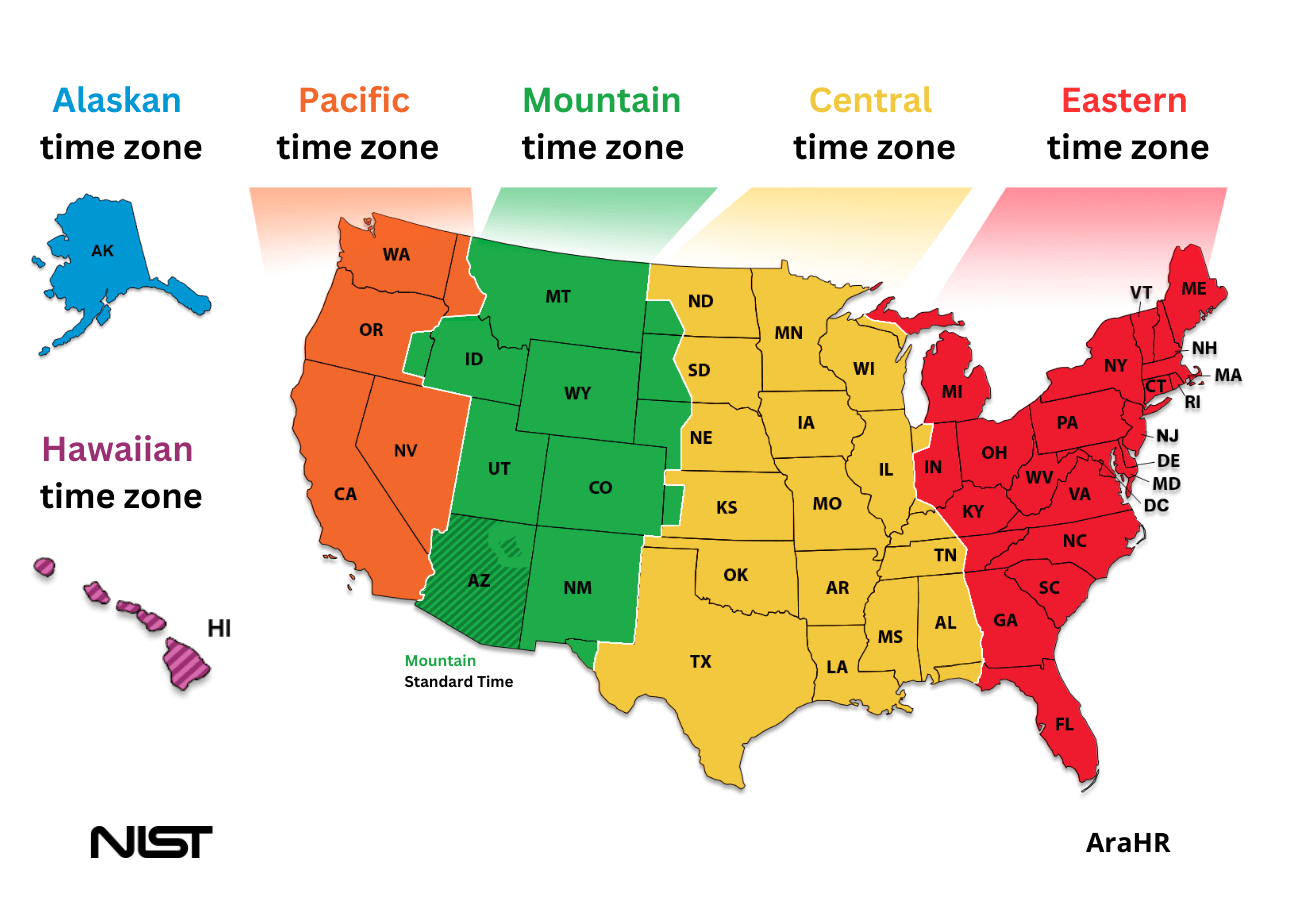
At its core, [Arizona] observes Mountain Standard Time year-round. This means that unlike most other states that spring forward in March and fall back in November, [Arizona]’s clocks remain unchanged. This unique approach to timekeeping has roots in the state’s geography and history, leading to a consistent time reference that, once understood, simplifies planning and reduces confusion for visitors. MST is generally seven hours behind Coordinated Universal Time. However, the critical factor is its relationship with surrounding states when DST is in effect.
During the warmer months, when many other states switch to Mountain Daylight Time or Pacific Daylight Time, [Arizona] effectively aligns with Pacific Daylight Time. This means if you’re traveling from [California] or [Nevada], which observe PDT in the summer, there’s no time change when you cross into [Arizona]. Conversely, if you’re coming from [Colorado] or [New Mexico], which observe MDT, [Arizona] will be one hour behind them. In the winter months, when DST ends, [Arizona] is on the same time as [Colorado], [New Mexico], and [Utah], and one hour ahead of [California] and [Nevada]. This seasonal shift in relative time can be a source of confusion, but with a bit of foresight, it’s easily managed.
The decision to forgo [Daylight Saving Time] wasn’t made on a whim. The primary motivation was the intense summer heat. [Arizona] summers are famously scorching, and extending daylight into the evening hours would only mean more sun exposure during the hottest part of the day, increasing energy consumption for air conditioning. By staying on standard time, residents and visitors can enjoy earlier sunsets, allowing for outdoor activities to begin earlier in the cooler parts of the day. This practical approach has become a cornerstone of the [Arizona] lifestyle, subtly influencing daily routines and enhancing the comfort of living and traveling in the state.
The Mystery of No Daylight Saving
The story of [Arizona] rejecting [Daylight Saving Time] is fascinating and dates back to the 1960s. While the rest of the nation embraced the Uniform Time Act of 1966, which standardized DST across the country, [Arizona] sought and received an exemption. The main argument, as mentioned, revolved around the brutal summer heat. Proponents of remaining on standard time argued that pushing clocks forward would only result in hotter evenings, increasing energy demand as people ran air conditioners longer and later. An earlier sunset meant residents could enjoy the relative coolness of the evening sooner. For a state where outdoor activities are a way of life, particularly in cities like [Phoenix], this was a compelling reason.
This unique stance has largely been consistent, with one notable exception: the [Navajo Nation]. Spanning parts of [Arizona], [Utah], and [New Mexico], the [Navajo Nation] observes [Daylight Saving Time] in alignment with its neighbors. This can create a peculiar situation where, for a few months of the year, driving through the [Navajo Nation] in [Arizona] might require a quick adjustment of your watch, only to change it back upon exiting the tribal lands within the same state. For the vast majority of [Arizona], however, the clocks remain untouched. This “mystery” has become a point of local pride and a talking point for visitors, adding a distinctive charm to the state’s character.
The benefit of this consistent time for tourism and accommodation is significant. Tourists often appreciate the simplicity of not having to adjust to a new time twice a year. Hotels in [Phoenix] and throughout the state can offer stable check-in/check-out times, and tour operators can maintain consistent schedules, reducing potential confusion for international and domestic visitors alike. This constancy allows for easier planning of itineraries, from early morning hikes up [Camelback Mountain] to evening strolls through [Old Town Scottsdale], without the added mental gymnastics of DST transitions. The “mystery” ultimately simplifies life, aligning the rhythm of the clock with the natural flow of the desert environment.
Implications for Travelers and Business
For travelers heading to [Phoenix], understanding [Arizona]’s time zone peculiarity is paramount for seamless planning. The most significant implication revolves around flight schedules, reservation times, and coordinating with contacts outside the state. When booking flights, especially during the spring and fall transitions, it’s crucial to confirm whether the displayed times are local [Arizona] time or reflect DST in the departure or arrival city. Many travel websites and airlines automatically adjust for local time zones, but a quick double-check can prevent missed connections or early arrivals.
Business travelers, in particular, need to be mindful when scheduling conference calls or meetings with colleagues in other states. For example, if your team in [New York] is on Eastern Daylight Time, they will be three hours ahead of [Phoenix] during the summer. However, in winter, when [New York] is on Eastern Standard Time, [Phoenix] will be two hours behind. Similarly, a colleague in [Los Angeles] on Pacific Daylight Time will be on the same time as [Phoenix] in summer, but one hour behind during winter when [Phoenix] is on MST and [Los Angeles] is on Pacific Standard Time. Clearly communicating and confirming time zones can prevent misinterpretations and ensure punctuality.
On the other hand, [Arizona]’s consistent time zone offers distinct advantages. There’s no “jet lag light” experienced by many when transitioning into or out of DST. This consistency simplifies long-term planning, as event times and opening hours for attractions like the [Desert Botanical Garden] or the [Heard Museum] remain constant year-round, disregarding the national clock adjustments. This stability also benefits the local tourism and hospitality industries, providing a predictable environment for operations. Guests at resorts such as [The Phoenician, a Luxury Collection Resort, Scottsdale] or [Arizona Biltmore, A Waldorf Astoria Resort] can enjoy a consistent daily schedule, making their stay more relaxed and predictable. The unique time zone, once understood, transforms from a potential point of confusion into a feature that enhances the ease of travel and business in the region.
Phoenix: A Timeless Oasis for Exploration
Beyond the intriguing time zone, [Phoenix] stands as a sprawling, sun-drenched metropolis and a true oasis in the Sonoran Desert. It’s a destination that perfectly blends natural beauty with urban sophistication, offering a wealth of attractions, activities, and experiences for every type of traveler. The consistent time throughout the year means that regardless of when you visit, the rhythm of the city remains predictable, allowing for unhindered exploration of its diverse offerings. From breathtaking natural [landmarks] that invite adventure to world-class cultural institutions, [Phoenix] embodies the spirit of discovery and relaxation that aligns seamlessly with the [Life Out Of The Box] ethos of unique travel experiences.
[Phoenix]’s landscape is dominated by stunning desert vistas, vibrant flora, and dramatic mountain ranges, making it an outdoor enthusiast’s paradise. Yet, within this rugged beauty lies a thriving city boasting luxurious amenities, a burgeoning culinary scene, and a rich history. The absence of [Daylight Saving Time] simply means that the timing of your adventures – whether it’s an early morning balloon ride over the desert or a late afternoon round of golf – is always straightforward. This predictability enhances the overall travel experience, removing a layer of logistical complexity and allowing visitors to fully immerse themselves in the charm and excitement of the [Valley of the Sun].Whether you seek adrenaline-pumping hikes, serene moments in nature, or vibrant cultural immersion, [Phoenix] delivers. Its unique geographical setting, coupled with a forward-thinking approach to urban development, has created a destination that appeals to a wide demographic, from families on vacation to business travelers seeking a memorable stay. The city’s consistent time zone implicitly supports this diversity, ensuring that whatever your travel style or purpose, [Phoenix] is always ready to welcome you without the fuss of constantly changing clocks. It truly is a timeless oasis, inviting exploration at any hour.
Top Attractions and Activities

Culture and history enthusiasts will find much to explore within the city limits. The [Heard Museum] is a world-renowned institution dedicated to the advancement of American Indian art and culture, offering insightful exhibits and traditional performances. Architecture buffs will be captivated by [Frank Lloyd Wright’s Taliesin West], the legendary architect’s winter home and architectural school, a UNESCO World Heritage site that stands as a testament to desert modernism. Just a short drive away, [Old Town Scottsdale] provides a charming step back in time with its Western-themed shops, art galleries, and vibrant nightlife, seamlessly blending history with contemporary entertainment.
For those looking to venture further, [Phoenix] serves as an excellent base for day trips to other magnificent [Arizona] [landmarks]. While a bit of a drive, the awe-inspiring [Grand Canyon National Park] is reachable for a full-day excursion, offering an unparalleled natural wonder. Closer options include the red rocks of [Sedona] or the historic mining town of [Jerome]. With the consistent time zone, planning these longer excursions becomes much simpler, as departure and return times are always clear. Whether you’re seeking thrills, tranquility, or cultural enrichment, [Phoenix] offers an abundance of top-tier attractions that promise unforgettable experiences.
Where to Stay: Accommodations for Every Lifestyle
[Phoenix] and its neighboring city of [Scottsdale] are renowned for their exceptional range of accommodations, catering to every travel lifestyle, from luxury retreats to budget-friendly stays, and everything in between. The hospitality sector here thrives on delivering world-class service and amenities, ensuring that every visitor finds their perfect home away from home. The consistent time zone further simplifies the booking and scheduling process, making arrivals and departures straightforward for guests.For those seeking unparalleled luxury, [Phoenix] is home to some of the most opulent resorts in the [United States]. [The Phoenician, a Luxury Collection Resort, Scottsdale] offers stunning views of [Camelback Mountain], championship golf courses, and an array of fine dining options. Similarly, the historic [Arizona Biltmore, A Waldorf Astoria Resort] combines [Frank Lloyd Wright]-inspired architecture with lush grounds and exquisite service, providing an iconic desert escape. These resorts often feature elaborate pool complexes, rejuvenating spas, and bespoke experiences, making them ideal for romantic getaways, family vacations, or indulgent solo retreats.
Business travelers and those on a budget also have a wealth of options. Downtown [Phoenix] offers several modern hotels like the [Hyatt Regency Phoenix], providing convenient access to the Convention Center, corporate offices, and vibrant nightlife. Beyond traditional hotels, the rise of vacation rentals, apartments, and villas provides flexible accommodation choices for longer stays or for groups seeking a more residential feel. Many of these offer full kitchens, multiple bedrooms, and private amenities, catering to families or those preferring to self-cater. Booking platforms make comparison shopping and reviewing options straightforward, ensuring you find the ideal accommodation that aligns with your specific needs and preferences. Whether you’re looking for a sprawling resort with every amenity imaginable or a cozy apartment for an extended stay, [Phoenix]’s accommodation landscape is as diverse and welcoming as its time zone is consistent, ensuring a comfortable and memorable visit.
Planning Your Perfect Arizona Escape
With an understanding of [Arizona]’s unique time zone and the endless possibilities for adventure in [Phoenix], the final step is to meticulously plan your escape to ensure a seamless and unforgettable experience. The consistent time throughout the year eliminates one layer of complexity, allowing you to focus on crafting an itinerary that maximizes your enjoyment of the desert’s beauty, vibrant culture, and luxurious lifestyle. Whether it’s your first visit or a return trip, strategic planning will elevate your [Arizona] adventure, ensuring that every moment is spent soaking in the unique charm of this remarkable state. From optimizing your travel logistics to fully immersing yourself in local culture, the thoughtful preparation will pay dividends, transforming your trip into a collection of cherished memories.
The beauty of [Arizona]’s consistent time is that once you grasp its implications, planning becomes remarkably straightforward. There’s no need to anticipate a clock change during your stay, meaning that any activity you schedule, from a sunrise hot air balloon ride to a sunset dinner cruise, will occur at the exact local time you expect, regardless of the season. This predictability is a traveler’s dream, reducing potential stress and allowing for more spontaneous enjoyment. As you consider your various options for travel, accommodation, and activities, always keep in mind the unique temporal rhythm of the Grand Canyon State, and let it guide you toward a perfectly orchestrated journey.
Ultimately, a perfectly planned [Arizona] escape is one where you’re fully present, unburdened by logistical worries, and completely immersed in the destination. By leveraging the insights into [Phoenix]’s time zone and its broader implications, you’re not just booking a trip; you’re curating an experience designed for maximum enjoyment and minimal fuss. Embrace the unique pace of the desert, and let the timeless allure of [Arizona] captivate you.
Navigating Time-Sensitive Logistics
Navigating time-sensitive logistics in [Arizona] is made simpler by its consistent observation of [Mountain Standard Time] year-round. However, awareness is still key, especially when dealing with entities outside the state. The golden rule is always to double-check. When booking flights, ensure you understand if the departure and arrival times are presented in local time for each airport or a standardized time. Most online booking systems are intuitive, but a quick verification can save you from an early rush or a delayed arrival. Similarly, confirm reservation times for hotels, tours, and restaurants, especially if you’re coordinating with people from different time zones.
For travelers driving into [Arizona] from neighboring states, particularly [California] or [Nevada] during [Daylight Saving Time], remember that you’ll be on the same time as them. Conversely, coming from [Utah], [Colorado], or [New Mexico] during DST will mean setting your clock back an hour upon entering [Arizona]. In the winter months, when DST is not observed, [Arizona] will be one hour ahead of [California] and [Nevada], and on the same time as [Utah], [Colorado], and [New Mexico]. Keeping this simple seasonal shift in mind will prevent any confusion.
Adjusting to the time difference upon arrival, especially for those coming from the [East Coast] or internationally, can be managed by adopting local routines quickly. Embrace the earlier sunrises for outdoor activities and enjoy the cooler evenings. Many [Phoenix] hotels and resorts, such as [Hyatt Regency Phoenix], are adept at assisting guests with information regarding local time and activities, offering a smooth transition into your desert getaway. Communicating your travel schedule and time zone adjustments with family or business contacts outside [Arizona] is also a good practice, ensuring everyone is on the same page. By being proactively informed, your time-sensitive logistics will be a breeze, leaving you more time to explore.
Experiencing Local Culture and Lifestyle
The consistent time zone in [Arizona] not only simplifies logistics but also subtly shapes the local culture and lifestyle, offering visitors a unique rhythm to embrace. The absence of [Daylight Saving Time] means that the sun sets earlier in the evenings, particularly in the summer, which has fostered a culture of early morning activity. Locals often rise with the sun to enjoy hiking, golfing, or other outdoor pursuits before the peak heat of the day. As a visitor, adopting this rhythm allows you to experience [Phoenix] like a true local, enjoying the crisp desert air and breathtaking sunrises.
The earlier sunsets also create perfect conditions for vibrant evening experiences. Imagine enjoying a spectacular desert sunset from [Papago Park], followed by an al fresco dinner at one of [Phoenix]’s acclaimed restaurants, without having to rush to catch the last rays of daylight at a confusingly late hour. The city’s culinary scene thrives with options ranging from authentic Mexican cuisine to upscale dining, many offering outdoor seating that allows you to fully appreciate the pleasant [Arizona] evenings. This consistent timing makes planning sunset-dependent activities, like stargazing tours or twilight hot air balloon rides, wonderfully straightforward and reliable.
Embracing the [Arizona] lifestyle also means appreciating the slower, more deliberate pace that often accompanies consistent time. There’s a sense of timelessness that permeates the desert landscape, encouraging visitors to relax and savor their experiences. From browsing art galleries in [Old Town Scottsdale] to exploring the ancient history at the [Heard Museum], you can immerse yourself fully without the mental burden of an impending clock change. The unique time zone is more than just a logistical detail; it’s an integral part of what makes visiting [Phoenix] a truly distinctive and effortlessly enjoyable travel experience, connecting you to the natural pulse of the desert and its vibrant communities.
In conclusion, understanding “What Time Is It Now In [Arizona] [Phoenix]?” is a key element for any savvy traveler or business professional venturing into the Grand Canyon State. While [Arizona]’s year-round observance of [Mountain Standard Time] might seem like a small detail, it significantly influences planning, logistics, and the overall experience of exploring this captivating destination. By embracing this unique temporal rhythm, you unlock a simpler, more predictable travel journey, allowing you to fully immerse yourself in the natural beauty, rich culture, and diverse attractions that [Phoenix] and its surroundings have to offer. So, set your watch, leave your worries behind, and prepare for an unforgettable [Arizona] escape, where every moment is a timeless adventure waiting to unfold.
LifeOutOfTheBox is a participant in the Amazon Services LLC Associates Program, an affiliate advertising program designed to provide a means for sites to earn advertising fees by advertising and linking to Amazon.com. Amazon, the Amazon logo, AmazonSupply, and the AmazonSupply logo are trademarks of Amazon.com, Inc. or its affiliates. As an Amazon Associate we earn affiliate commissions from qualifying purchases.