
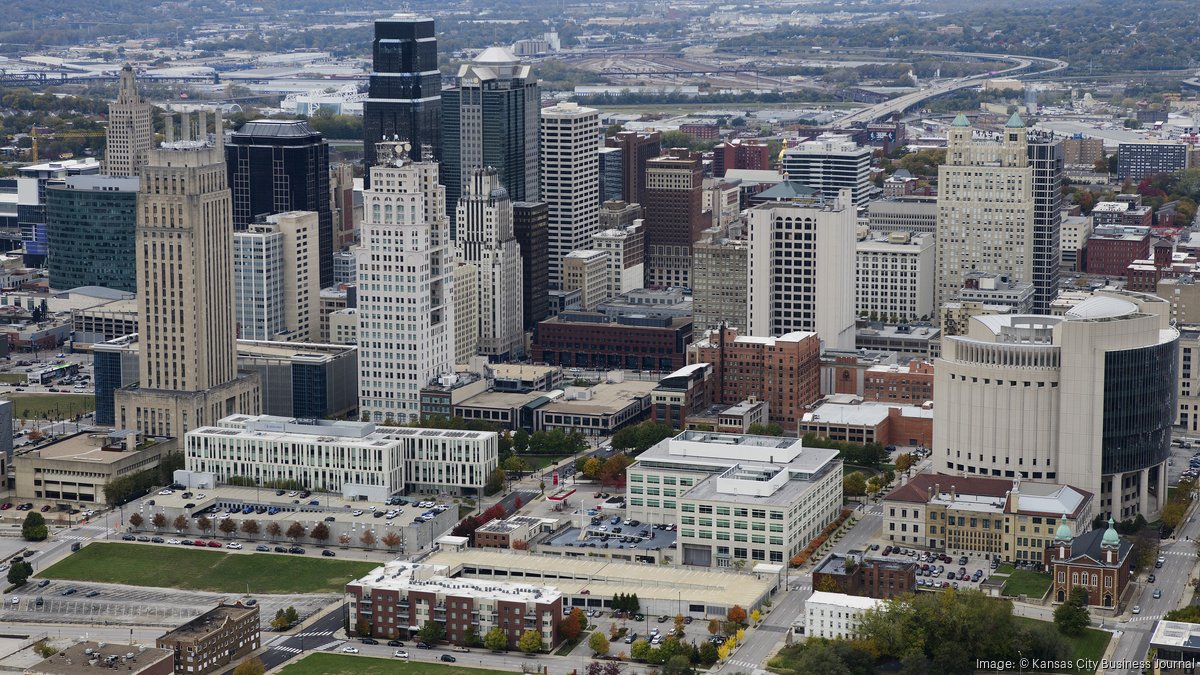
Often shrouded in a captivating blend of historical depth and modern vibrancy, Kansas City holds a unique position in the heart of the United States. Yet, when one asks, “How many people live in Kansas City?” the answer is not as straightforward as it might seem. This question unveils a fascinating complexity, primarily because there are two distinct cities bearing the same name, separated by a state line: Kansas City, Missouri (KCMO) and Kansas City, Kansas (KCK). Both are integral parts of the larger Kansas City Metropolitan Area, an expansive and dynamic region that offers a rich tapestry of experiences for residents and visitors alike.

For travelers, tourists, and those considering a longer stay, understanding the population dynamics of Kansas City is crucial. Population figures not only reflect the sheer scale of urban life but also influence everything from the availability and diversity of accommodations to the density of attractions, the richness of local culture, and the overall lifestyle one can expect. This article delves into the numbers, trends, and what these figures mean for exploring, experiencing, and living in one of the Midwest’s most captivating destinations.
Understanding the Dual Nature of Kansas City
The first step to answering the population question is to differentiate between the two Kansas Cities. While they share a name and are inextricably linked economically and culturally, they are separate municipal entities with their own governments, distinct characteristics, and individual population counts.
Kansas City, Missouri: The Heart of the Metro
Often referred to as the “Paris of the Plains” or “The City of Fountains,” Kansas City, Missouri, is the larger and more widely known of the two. It serves as the economic and cultural anchor of the entire metropolitan area.
As of recent estimates (typically derived from the U.S. Census Bureau and ongoing population surveys), the population of Kansas City, Missouri hovers around 500,000 residents. This figure positions KCMO as one of the largest cities in Missouri and a significant urban center in the Midwest. The city has experienced consistent growth over the past decade, a testament to its revitalized Downtown Kansas City area, booming tech industry, and attractive cost of living compared to coastal metropolises.
This substantial population directly contributes to the vibrant atmosphere that draws countless tourists and new residents. The city’s sheer size supports a diverse array of attractions and experiences. From the world-renowned barbecue scene to its deep roots in jazz music, epitomized by the 18th and Vine Jazz District, KCMO offers a rich cultural mosaic. Landmarks like the National WWI Museum and Memorial at Liberty Memorial, the artistic splendor of the Nelson-Atkins Museum of Art, and the upscale shopping and dining experience of the Country Club Plaza thrive due to this robust local populace and the tourism it attracts.
The growing population also fuels a dynamic hospitality sector. Areas like the Crossroads Arts District and the Power and Light District are packed with boutique hotels, luxury suites, and a burgeoning number of short-term rental apartments. For instance, establishments like the Loews Kansas City Hotel and the Crossroads Hotel cater to both business travelers and tourists eager to immerse themselves in the city’s energy. The continuous influx of residents and visitors ensures a lively atmosphere year-round, making KCMO a focal point for travel, tourism, and accommodation decisions in the region.
Kansas City, Kansas: A Distinct Identity
Across the Missouri River lies Kansas City, Kansas (KCK), the third-largest city in the state of Kansas. While smaller than its Missouri counterpart, KCK plays a vital role in the metropolitan area and possesses its own unique character and attractions.
The population of Kansas City, Kansas is approximately 150,000 residents. Like KCMO, it has also seen steady growth, driven by its strategic location, industrial base, and expanding residential communities. While it may not boast the same density of iconic museums or bustling nightlife as KCMO, KCK is a hub for family-friendly entertainment, sports, and a burgeoning retail scene.
KCK is particularly renowned for its entertainment offerings in the western part of Wyandotte County, often referred to as “The Legends” area. Here, visitors can find the Kansas Speedway, which hosts thrilling NASCAR races and other events, drawing tens of thousands of spectators annually. Adjacent to the speedway are major attractions like the Legends Outlets Kansas City, a sprawling outdoor shopping and dining destination, and the Hollywood Casino at Kansas Speedway. Sporting enthusiasts also flock to Children’s Mercy Park, home to the Sporting Kansas City soccer team.
These attractions not only serve the local population but also draw tourists from across the region and nation, necessitating a range of accommodations, from budget-friendly hotels to more upscale options near the entertainment complexes. The distinct residential feel of KCK, combined with its strong community focus and growing amenities, makes it an appealing place to live for many families and individuals seeking a vibrant suburban experience within a major metropolitan area.
The Broader Landscape: The Kansas City Metropolitan Area

While KCMO and KCK are distinct, they are deeply intertwined components of the larger Kansas City Metropolitan Area, often abbreviated as the “KC Metro.” This broader definition paints a more complete picture of the region’s population and its immense influence on travel, economy, and lifestyle.
A Growing Urban Hub
The Kansas City Metropolitan Area encompasses multiple counties in both Missouri and Kansas, including Jackson County, Clay County, and Platte County in Missouri, and Johnson County, Wyandotte County, and Leavenworth County in Kansas, among others.
The total population of the Kansas City Metropolitan Area is approximately 2.2 million to 2.5 million people, making it one of the largest metropolitan areas in the Midwest. This expansive region is characterized by a blend of dense urban cores, thriving suburban communities like Overland Park, Olathe, Lee’s Summit, and Independence, and even some picturesque rural fringes.
The metro’s growth is fueled by a robust and diversified economy, with strengths in sectors such as agriculture, animal health, technology, logistics, and healthcare. Major employers and innovators continually attract new talent, leading to sustained population increases. This growth has significant implications for tourism and accommodation. A larger population base supports a wider array of restaurants, entertainment venues, and cultural institutions, enriching the experience for both residents and visitors. It also drives demand for diverse accommodations, from luxury resorts and boutique hotels in the urban core to family-friendly suites and extended-stay apartments in the suburbs. The presence of major event venues like Arrowhead Stadium (home to the Kansas City Chiefs) and Kauffman Stadium (home to the Kansas City Royals) means that the metro regularly experiences influxes of visitors for sporting events, concerts, and conventions, requiring a well-developed infrastructure of hotels and other lodging options. The newly redeveloped Kansas City International Airport is a testament to the region’s growth and its commitment to welcoming travelers.
Demographic Trends and Future Projections
The demographic profile of the Kansas City Metropolitan Area is becoming increasingly diverse, reflecting national trends. The region is home to a rich mix of ethnic backgrounds, age groups, and socio-economic strata. This diversity contributes immensely to the city’s vibrant cultural scene, influencing everything from the culinary landscape (offering everything from authentic Mexican cuisine to Ethiopian dishes) to local festivals and community events.
Future projections indicate continued, albeit potentially moderating, population growth for the Kansas City metro. Urban planning and development are keenly focused on accommodating this expansion while maintaining the quality of life and unique character that residents cherish. This includes investments in public transit, such as the expanding Kansas City Streetcar line, new housing developments, and the preservation of green spaces. For the tourism industry, understanding these demographic shifts is crucial. As the population ages, or as more young professionals and families move in, the demand for specific types of attractions, activities, and accommodations will evolve. Hotels and service providers are constantly adapting to cater to these changing preferences, whether it’s offering pet-friendly amenities, co-working spaces, or family suites. The emphasis on sustainable tourism and community engagement also grows as residents become more invested in their city’s future.
Beyond Numbers: How Population Shapes the Kansas City Experience
The sheer number of people living in Kansas City is more than just a statistic; it’s a living, breathing force that shapes every aspect of life and travel in the region. It dictates the rhythm of the city, the breadth of its offerings, and the very essence of its charm.
A Vibrant Tapestry of Culture and Lifestyle
The significant population, particularly within Kansas City, Missouri, ensures a dynamic and bustling cultural calendar. A large resident base supports an incredible array of arts organizations, from the Kansas City Ballet to the Kansas City Symphony, and countless independent galleries within the Crossroads Arts District. It cultivates a thriving culinary scene far beyond the famous barbecue, with chefs experimenting with global flavors and farm-to-table concepts in neighborhoods like the River Market and Westport. Microbreweries like Boulevard Brewing Company flourish, as do independent coffee shops and distilleries, all testament to the diverse tastes and preferences of a large and engaged populace.
The population also defines the lifestyle options available. For those considering moving or staying long-term, Kansas City offers a balance of urban amenities and accessibility that smaller cities cannot match. From the luxury high-rises Downtown Kansas City to the charming historic homes in older neighborhoods, and the spacious suburban residences, the housing market caters to various lifestyles and budgets. The strong community spirit, fostered by a population that prides itself on local identity, makes it a welcoming place for families, young professionals, and retirees alike. Large public parks, extensive trail systems, and attractions like Worlds of Fun amusement park provide ample recreational opportunities for everyone.
Navigating Accommodation and Tourism in a Growing City
For visitors, the substantial and growing population of the Kansas City Metropolitan Area translates into a robust and competitive tourism and accommodation industry. This is excellent news for travelers, as it means a wide spectrum of choices.
- Hotels: From historic gems like the Hotel Phillips and modern marvels like The Fontaine to budget-friendly options near Kansas City International Airport or major highways, the city offers hotels catering to every taste and wallet. The constant influx of residents and tourists ensures that hotels are frequently updated and new ones are always emerging, pushing the boundaries of amenities and services.
- Alternative Accommodations: Beyond traditional hotels, the popularity of Kansas City as a destination has also bolstered the market for apartment rentals, charming bed and breakfasts, and long-term stay options, particularly beneficial for business travelers or those seeking a more authentic local experience. Websites offering booking, reviews, and comparison tools are essential for navigating this diverse landscape.
- Tourism Infrastructure: A large population base supports extensive tourism infrastructure. This includes a multitude of tour operators offering insights into the city’s history, food scene, or Jazz District; well-maintained public transport options like the Kansas City Streetcar; and event venues such as T-Mobile Center that host major concerts and conventions, all contributing to a seamless and enjoyable visitor experience.
- Local Culture and Food: The sheer number of residents means a vibrant local culture is always accessible. Tourists can immerse themselves in the authentic rhythms of the city, from farmers’ markets in the River Market to local art walks, ensuring that every visit offers a glimpse into the genuine Kansas City lifestyle, not just curated tourist traps.
In conclusion, the question “How many people live in Kansas City?” opens the door to understanding a thriving, dynamic, and multifaceted urban center. With approximately 500,000 residents in Kansas City, Missouri, 150,000 in Kansas City, Kansas, and a metropolitan area housing 2.2 to 2.5 million people, this Midwestern jewel offers something for everyone. Whether you’re planning a visit to explore its rich history and vibrant culture, considering a business stay, or looking for a place to call home, Kansas City’s robust population is a key indicator of its enduring appeal and exciting future.
LifeOutOfTheBox is a participant in the Amazon Services LLC Associates Program, an affiliate advertising program designed to provide a means for sites to earn advertising fees by advertising and linking to Amazon.com. Amazon, the Amazon logo, AmazonSupply, and the AmazonSupply logo are trademarks of Amazon.com, Inc. or its affiliates. As an Amazon Associate we earn affiliate commissions from qualifying purchases.