
For travelers planning an unforgettable journey through the stunning landscapes and vibrant cities of the American Southwest, understanding the local time zone is more than a mere detail—it’s a fundamental aspect of seamless trip planning. When it comes to Arizona, this seemingly straightforward question unveils a unique and often surprising answer that sets the Grand Canyon State apart from many of its neighbors. Currently, and for the vast majority of the year, Arizona observes Mountain Standard Time (MST) year-round, which is Coordinated Universal Time (UTC-7). This means that while most of the United States springs forward and falls back with Daylight Saving Time (DST), Arizona largely remains consistent, creating interesting implications for visitors from afar and even those from neighboring states.

This distinctive approach to timekeeping is deeply rooted in the state’s geography, climate, and a practical desire to avoid the complexities and potential inconveniences of shifting clocks. For anyone exploring the majestic Grand Canyon, wandering through the red rocks of Sedona, or enjoying the metropolitan buzz of Phoenix and Tucson, understanding this time zone consistency is paramount for everything from booking flights and coordinating tours to enjoying a relaxed meal without unexpected schedule hiccups. However, the story isn’t entirely without its nuances; there’s one significant exception within the state borders that adds another layer to Arizona’s time zone narrative: the Navajo Nation. This comprehensive guide delves into Arizona’s time zone peculiarities, their impact on travel and tourism, and how best to navigate them for an exceptional Arizona experience.
Arizona’s Unique Timekeeping Approach
The decision for Arizona to largely forgo Daylight Saving Time is a fascinating aspect of its identity, impacting daily life and, by extension, the experiences of millions of tourists and residents alike. This deliberate choice creates a distinct timekeeping environment that is crucial for travelers to grasp.
The Mountain Standard Time (MST) Constant
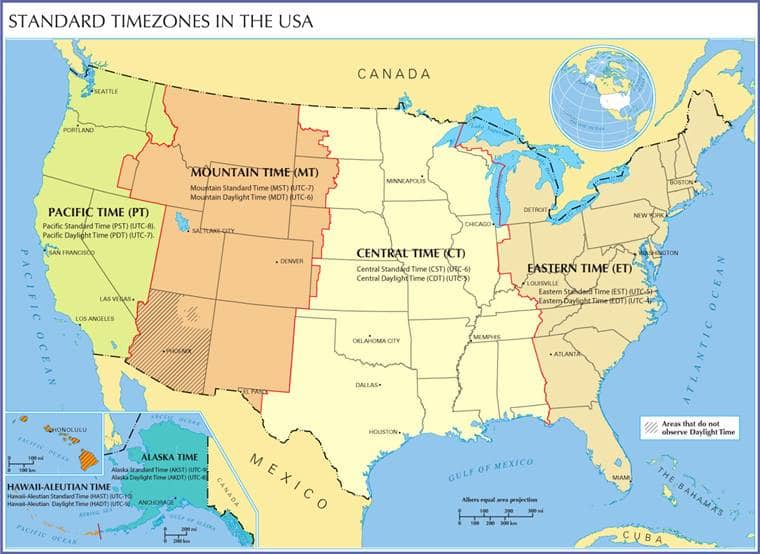
At its core, Arizona adheres to Mountain Standard Time (MST), which is seven hours behind Coordinated Universal Time (UTC-7). Unlike many other states that switch between MST and Mountain Daylight Time (MDT, UTC-6) in the spring and fall, Arizona simply stays on MST. This means that from approximately early March to early November each year, Arizona’s clock doesn’t change. When other states “spring forward,” Arizona effectively becomes an hour behind them, aligning with Pacific Daylight Time (PDT) during that period. When they “fall back,” Arizona re-aligns with Mountain Standard Time across the rest of the Mountain West. This consistency simplifies planning for many, removing the annual confusion of adjusting clocks.
For example, when travelers visit from California or Nevada during DST, there is no time difference between their Pacific Daylight Time and Arizona’s year-round MST. However, visitors from Utah, Colorado, or New Mexico will find themselves an hour behind their home states during DST, as those states observe Mountain Daylight Time. This subtle shift is vital for understanding appointment times, tour departures, and even live event schedules across the state.
Why No Daylight Saving Time?
The primary reason for Arizona’s eschewal of DST lies in its extreme summer heat. The logic is practical: advancing the clock by an hour during summer would mean an hour more of daylight extending into the evening. In a state where summer temperatures frequently soar above 100 degrees Fahrenheit (38 degrees Celsius), this would merely prolong the hottest part of the day, pushing outdoor activities and even simple errands into even warmer conditions. By sticking to MST, the sun sets earlier according to the clock, encouraging people to complete outdoor tasks or enjoy leisure activities during cooler morning and late afternoon hours, rather than enduring peak temperatures well into the evening.
Historically, the initial adoption of DST in the United States was aimed at saving energy during wartime. However, studies and local experiences in Arizona suggested that extending daylight hours in the evening would likely increase energy consumption due to prolonged use of air conditioning, rather than saving it. This combination of climatic considerations and a desire for energy efficiency has cemented Arizona’s decision, which has been in place since 1968, following a brief period of DST observance.
The Exception: The Navajo Nation
While the rest of Arizona proudly stands apart from DST, there’s a crucial and geographically significant exception: the Navajo Nation. This large semi-autonomous Native American territory, which spans parts of northeastern Arizona, New Mexico, and Utah, observes Daylight Saving Time in conjunction with the other two states it encompasses. This means that from March to November, when the rest of Arizona is on MST (UTC-7), the Navajo Nation switches to Mountain Daylight Time (MDT, UTC-6).
This creates a peculiar situation where simply driving across a reservation boundary within Arizona can mean changing your clock by an hour. For instance, if you are visiting the Grand Canyon National Park’s South Rim (which is not in the Navajo Nation) and then plan to head north to sites like Monument Valley or Antelope Canyon, which are within the Navajo Nation, you would need to adjust your watch an hour forward during the DST period. This exception is vital for visitors to these iconic landmarks, as tour times and appointments within the Navajo Nation will operate on MDT during summer.
Notably, the Hopi Tribe, whose reservation is entirely surrounded by the Navajo Nation within Arizona, does not observe DST. This creates a fascinating and somewhat confusing “time donut” where you might drive into the Navajo Nation (forward an hour), then into the Hopi Tribe (back an hour), and then back into the Navajo Nation (forward an hour again) within a relatively short drive. While most travelers won’t experience this specific triple time change, it highlights the intricate nature of time zones in this part of the Southwest.
Impact on Travel and Tourism in Arizona
Arizona’s unique time zone status has a tangible impact on almost every aspect of travel, from the moment you book your flight to the last souvenir purchase. Understanding these effects ensures a smoother, more enjoyable trip.
Planning Your Arizona Adventure
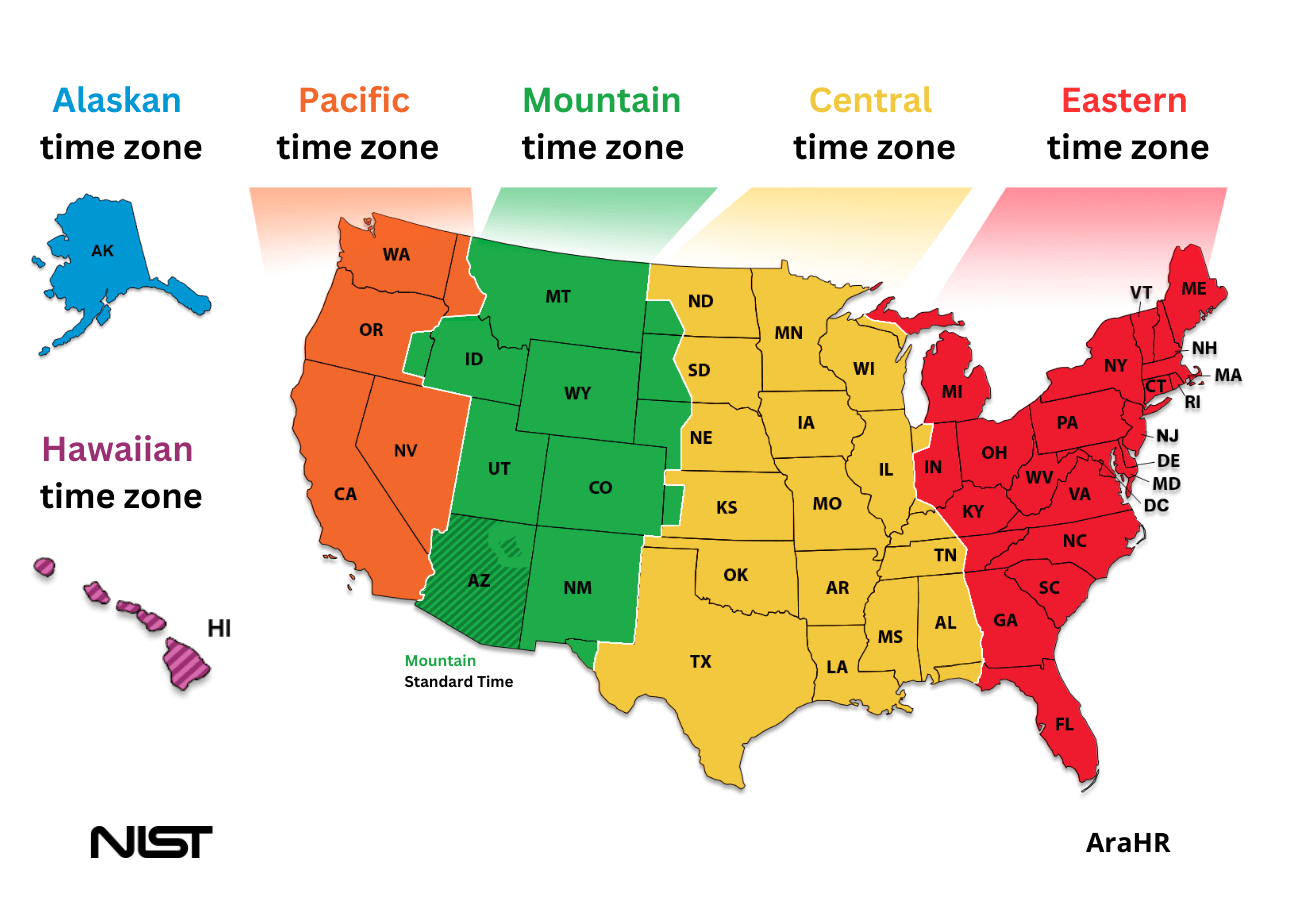
The most significant implication of Arizona’s time zone is for pre-trip planning and scheduling. When booking flights, especially those with connections or originating from states that observe DST, travelers must be mindful of the actual arrival and departure times in Arizona. A flight departing from Denver at 9:00 AM MDT might arrive in Phoenix at 9:00 AM MST during DST, effectively taking a “zero-hour” flight due to the time zone difference. Conversely, a flight from Los Angeles at 9:00 AM PDT will arrive in Phoenix at 9:00 AM MST, with no time change, even though Los Angeles is technically an hour behind Arizona during standard time.
This can be particularly tricky for coordinating multi-state itineraries. If you’re combining an Arizona road trip with visits to neighboring states like Utah’s national parks or Nevada’s Las Vegas, you’ll be crossing time zone boundaries when those states are on DST. Always confirm the local time for any bookings, tours, or reservations to avoid missing critical appointments. Websites and booking platforms usually display local times, but a quick double-check can save significant headaches.
Navigating Major Destinations
When exploring Arizona’s famous destinations, the time zone remains consistent across the vast majority of the state. Cities like Phoenix, Tucson, Flagstaff, Sedona, and Yuma all observe MST year-round. This makes planning within these areas relatively straightforward. Whether you’re hiking Camelback Mountain, exploring the Arizona-Sonora Desert Museum, or driving the scenic routes near Flagstaff, your watch will remain accurate relative to the local clock.
However, the geographic proximity to states with DST-observing time zones introduces a constant need for awareness. For instance, the Hoover Dam, a popular landmark, straddles the border of Arizona and Nevada. While the Arizona side observes MST year-round, the Nevada side observes Pacific Standard Time (PST) in winter and Pacific Daylight Time (PDT) in summer. This means during DST, both sides of the dam are on the same clock, but during standard time, Arizona is an hour ahead. While this might seem like a minor detail, it impacts tour timings originating from Las Vegas and affects the perception of time for visitors at the dam itself. Always ask or confirm the time zone for any activity near state borders.
Accommodation and Hotel Bookings
For hotels and other accommodations, Arizona’s consistent MST simplifies matters. Check-in and check-out times, scheduled amenities like spa treatments or restaurant reservations, and shuttle services will all operate on the local Arizona MST. There’s no risk of arriving an hour early or late for your reservation due to a time change within the state itself, provided you’ve set your watch to Arizona time upon arrival.
From luxury resorts like the Ritz-Carlton, Dove Mountain in Marana or the Enchantment Resort in Sedona, to cozy boutique hotels in Flagstaff or family-friendly suites in Scottsdale, all operate on this consistent time. This makes coordinating with hotel staff for late arrivals or early departures straightforward. However, if you are calling a hotel from a DST-observing state during the summer months, remember that there will be a one-hour difference if your home state is on Mountain Daylight Time, or no difference if it’s on Pacific Daylight Time. Always consider your own time zone relative to Arizona’s MST when making phone calls or planning remote communications.
Lifestyle and Local Culture Considerations
Beyond the practicalities of travel, Arizona’s unique time zone also subtly shapes local lifestyle and cultural rhythms, influencing everything from dining habits to business operations.
Dining and Activities
The absence of DST in Arizona significantly impacts local routines, particularly during the hot summer months. With the sun setting “earlier” by the clock (compared to a DST scenario), evenings can feel extended and more comfortable. This encourages a later start to many outdoor activities during the peak summer heat. For example, hiking or cycling might be planned for very early mornings or late evenings when temperatures are more bearable.
Dining hours and entertainment schedules also reflect this. Restaurants in Phoenix, Tucson, and Scottsdale might open for dinner slightly later in the summer to accommodate those seeking cooler conditions for their evening outings. Sunset viewing experiences at iconic spots like Saguaro National Park or Papago Park will occur at a specific MST time, which will feel different for visitors accustomed to DST in their home regions. For instance, if you’re visiting from California during the summer, a 7:00 PM Arizona sunset will align perfectly with what would be 7:00 PM Pacific Daylight Time back home, giving a familiar sense of the evening. However, if you’re from Colorado, a 7:00 PM Arizona sunset would feel like 8:00 PM back in your Mountain Daylight Time home, making the evenings seem longer and allowing more time for activities.
Business and Communications
For businesses operating in Arizona, the consistent MST offers simplicity internally, but requires careful coordination externally. Companies frequently communicate with partners in other states, especially those on the East or West Coasts. During the summer, Arizona is three hours behind the Eastern seaboard and aligns with the Pacific Coast. When DST ends, Arizona reverts to being two hours behind Central Time, one hour behind Mountain Time, and still three hours behind Eastern Time, but now one hour ahead of Pacific Time. This shifting difference requires businesses to clearly state meeting times and deadlines in relevant time zones to avoid confusion. For visitors, this means that while most services will operate normally, calling a business outside Arizona may require a quick mental calculation of the time difference, especially if trying to reach them during their standard business hours.
Experiencing the Navajo Nation
The Navajo Nation exception is perhaps the most culturally and experientially significant time zone nuance for travelers in Arizona. When planning a visit to iconic sites like Monument Valley, Antelope Canyon, Canyon de Chelly, or Four Corners Monument, which are all within Navajo Nation boundaries, it is absolutely essential to remember that during the period of Daylight Saving Time (roughly March to November), these attractions operate on Mountain Daylight Time (MDT).
This means if you’re driving from Page, Arizona (MST), to Antelope Canyon (within Navajo Nation), you need to set your watch forward one hour when you cross into the reservation. If you have a booked tour for Antelope Canyon at 10:00 AM MDT, and you arrive at 10:00 AM Arizona MST, you’ll be an hour late! Tour operators and local guides are usually very good about reminding visitors of this, but personal awareness is your best defense against missed opportunities. This unique temporal boundary is a constant reminder of the Navajo Nation’s distinct sovereignty and cultural practices, providing an additional layer of immersion for those exploring its breathtaking lands.
In conclusion, Arizona’s time zone situation, primarily its year-round observance of Mountain Standard Time (UTC-7) with the significant exception of the Navajo Nation during Daylight Saving Time, is a distinctive feature that all travelers should be aware of. It’s not just a trivial detail but a practical consideration that influences travel logistics, accommodation arrangements, and the overall rhythm of experiencing the state. By understanding these nuances, you can ensure your Arizona adventure is planned perfectly, allowing you to fully immerse yourself in its spectacular natural beauty and rich cultural heritage without missing a beat—or a tour. Always double-check local times, especially when crossing into tribal lands or coordinating with areas outside the main state, and you’ll be well-prepared for a truly unforgettable journey.
LifeOutOfTheBox is a participant in the Amazon Services LLC Associates Program, an affiliate advertising program designed to provide a means for sites to earn advertising fees by advertising and linking to Amazon.com. Amazon, the Amazon logo, AmazonSupply, and the AmazonSupply logo are trademarks of Amazon.com, Inc. or its affiliates. As an Amazon Associate we earn affiliate commissions from qualifying purchases.