
Embarking on a culinary adventure is an integral part of any travel experience, and few dishes encapsulate the spirit of a region quite like the Boston Butt. More than just a cut of pork, mastering its preparation offers a gateway into the rich tapestry of American South barbecue culture, a journey that blends local traditions, a relaxed lifestyle, and the sheer joy of good food. For the globetrotting chef or the travel enthusiast seeking to infuse their stays with authentic flavors, learning to cook a Boston Butt isn’t just about following a recipe; it’s about connecting with a destination through its most cherished culinary expressions. Whether you’re planning a long-term stay in an Apartment with a well-equipped kitchen, indulging in the amenities of a Resort suite, or simply bringing a piece of your travel experiences back home, this guide will demystify the art of the Boston Butt, transforming a simple pork shoulder into a show-stopping meal that speaks volumes about culinary exploration and unforgettable travel moments.
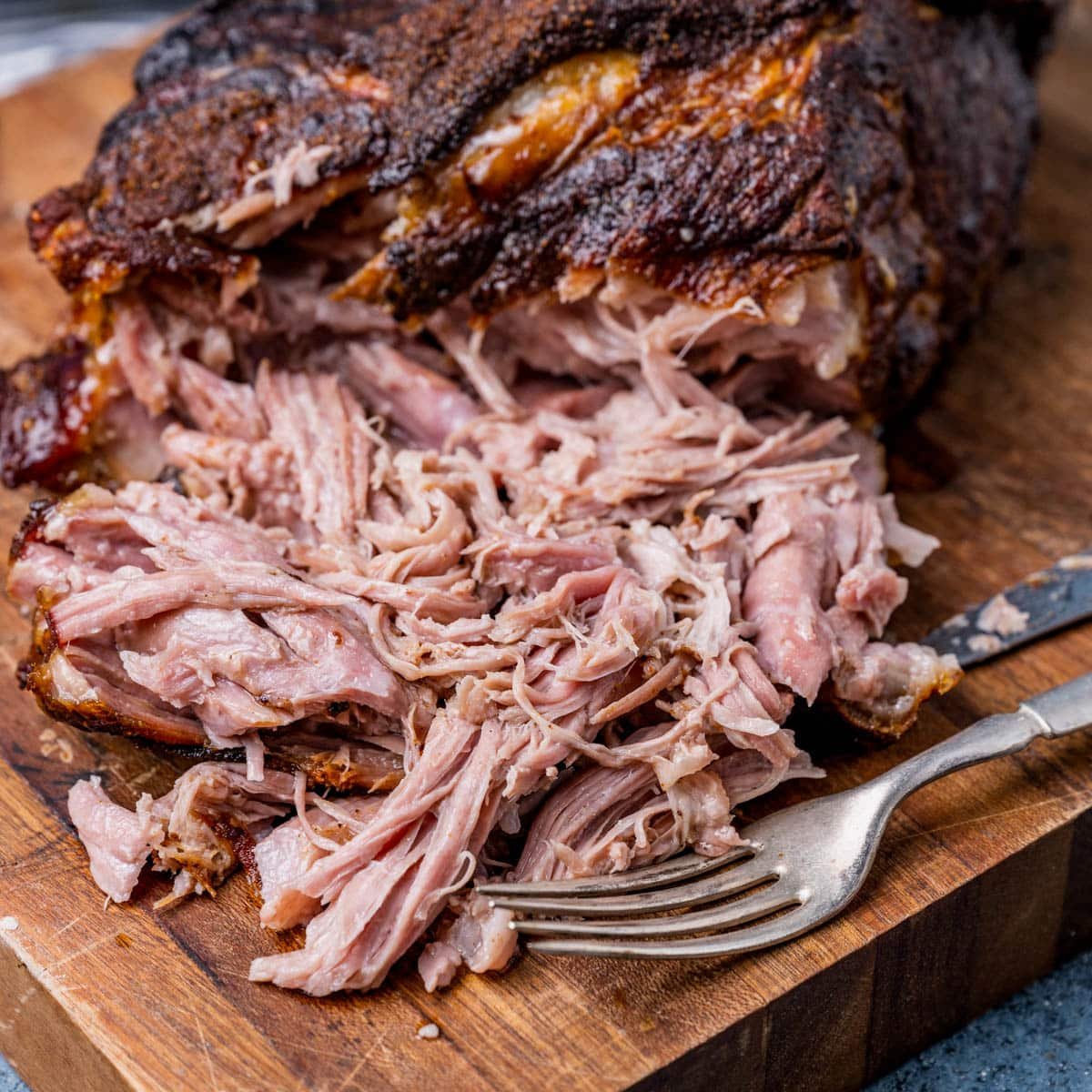
The Culinary Journey: Discovering the Boston Butt’s Roots
The Boston Butt, despite its name, has little to do with Boston in the traditional sense, and it’s not from the rear end of the pig. This primal cut, derived from the upper part of the pig’s shoulder, gained its curious moniker in colonial New England when butchers packed less prized cuts into barrels called “butts.” Over time, the name stuck, particularly as it became the foundational ingredient for what we now recognize as iconic American pulled pork. Its rich fat marbling and connective tissue make it ideal for low-and-slow cooking, yielding incredibly tender, flavorful meat perfect for shredding.
A Taste of American BBQ Culture
To truly appreciate the Boston Butt, one must first understand its place within the vibrant world of American Barbecue. BBQ isn’t just a cooking method; it’s a cultural phenomenon, deeply intertwined with the history, hospitality, and distinct flavors of different regions across the United States. From the vinegar-based sauces of North Carolina to the sweet, tomato-based concoctions of Kansas City, and the dry rubs of Memphis, each style tells a story, making barbecue a prime focus for culinary tourism.
Imagine planning a trip centered around visiting legendary BBQ Landmarks. You might start in Charleston, South Carolina, savoring whole-hog barbecue, or make your way to Austin, Texas, to experience the famed brisket and pork ribs at places like Franklin Barbecue. These destinations are not just about food; they are about community, tradition, and the art of slow cooking. Attending a Smoke & Spice Festival in Memphis, Tennessee, or a smaller, local competition, offers an immersive experience into the passion and competitive spirit of BBQ culture. It’s here that you witness the meticulous preparation of Boston Butts, destined for judging tables and hungry crowds. Understanding these regional nuances not only enriches your palate but also deepens your appreciation for the dish you’re about to prepare. It transforms a simple meal into an authentic cultural exchange, a key component of meaningful tourism experiences.
Sourcing the Perfect Cut on Your Travels
The success of your Boston Butt begins with the quality of the meat itself. When you’re traveling, whether staying in an Extended Stay hotel with kitchen access or a self-catering Villa, sourcing local ingredients becomes part of the adventure. Look for a Boston Butt that is about 6-8 pounds, with a good amount of marbling – those streaks of fat that run through the lean meat – which will melt during cooking, keeping the meat moist and adding flavor. A visible “fat cap” on one side is also desirable, as it protects the meat and bastes it as it renders.
In cities like Nashville or Atlanta, seeking out local butcher shops is an experience in itself. These establishments often carry higher quality, locally sourced pork, and the butchers themselves can offer valuable insights into preparation techniques or even suggest a regional rub blend. Major grocery chains like Whole Foods Market also offer excellent cuts, often with organic or heritage pork options. For travelers who prefer convenience without sacrificing quality, some high-end resorts might even have partnerships with local farms, offering bespoke cuts for guests in their culinary suites. The pursuit of the perfect Boston Butt becomes a mini-exploration, leading you off the beaten path and into the heart of local commerce and culinary tradition.
Mastering the Art: A Step-by-Step Guide for the Globetrotting Chef
Preparing a Boston Butt is a labor of love, requiring patience and attention to detail. However, the process is far less intimidating than it sounds, and the rewards—succulent, smoky, pull-apart pork—are immeasurable. This guide will help you navigate the process, making it achievable whether you’re in a well-appointed Heritage Culinary Suites or a cozy Boutique Hotel Suite equipped with basic cooking facilities.
Preparing Your Boston Butt: Rubs, Marinades, and Local Flavors
The first step after acquiring your Boston Butt is preparing it for cooking. Start by patting the meat dry with paper towels. You can trim some of the harder fat if desired, but leave a good portion of the fat cap to render and flavor the meat.
Next comes the rub—the heart and soul of barbecue flavor. This is where regionality truly shines.
- For a Memphis Dry Rub experience: Think paprika, brown sugar, garlic powder, onion powder, salt, black pepper, and a touch of cayenne for heat.
- For a Kansas City Sweet Rub profile: Lean more heavily on brown sugar, with chili powder, cumin, and a smaller amount of heat.
You can buy pre-made rubs from local markets in BBQ hotspots, providing an authentic taste of the region, or mix your own. Liberally coat the entire Boston Butt with your chosen rub, pressing it gently to adhere. Don’t be shy; a good thick layer ensures maximum flavor penetration. For best results, allow the rubbed pork to rest in the refrigerator for at least 8 hours, or preferably overnight. This allows the spices to meld with the meat, a process similar to how chefs at The Culinary Institute of America emphasize flavor development. This resting period is crucial, transforming a simple piece of meat into a canvas of complex flavors, much like how a well-planned itinerary allows travelers to fully immerse themselves in a destination’s unique character.
Choosing Your Cooking Method: Smoker, Oven, or Slow Cooker for Any Accommodation
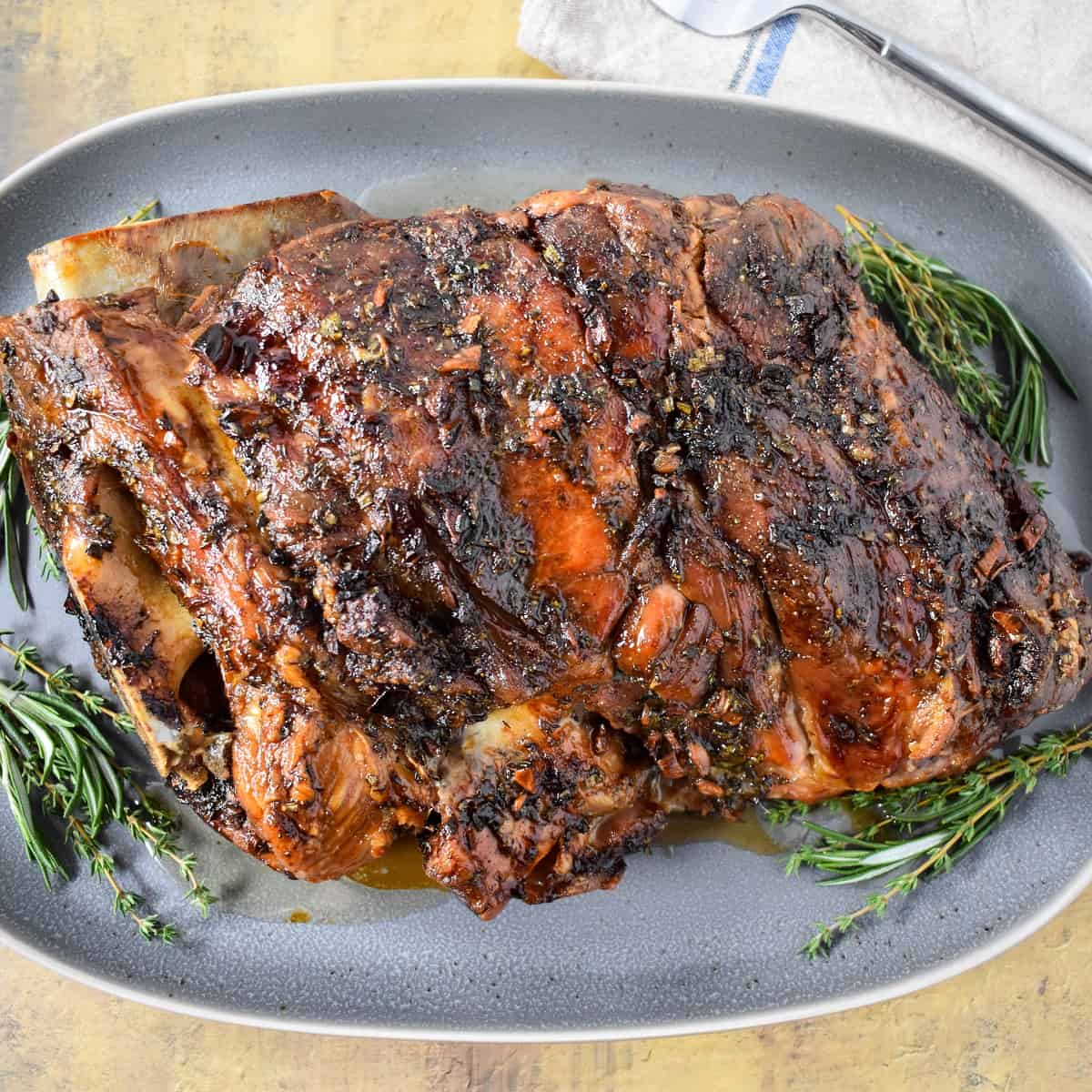
The “low and slow” approach is non-negotiable for a perfect Boston Butt, but the method can vary depending on your available resources during your travels.
-
Smoker (The Traditionalist’s Choice): If you’re fortunate enough to have access to a smoker, perhaps at a vacation rental or a Luxury Villa designed for entertaining, this is the gold standard. Using wood chunks (hickory, apple, or pecan are popular choices) imparts a deep, smoky flavor. Maintain a consistent temperature between 225-275°F (107-135°C). The smoking process can take 8-16 hours, depending on the size of the butt and smoker temperature. This method is an authentic experience, reflecting the lifestyle of dedicated BBQ enthusiasts.
-
Oven (The Versatile Traveler’s Friend): For most apartment rentals or hotel suites with kitchenettes, the oven is your best bet. Preheat your oven to 250-275°F (120-135°C). Place the rubbed Boston Butt in a deep roasting pan, ideally on a rack, to allow air circulation. You can add a small amount of liquid (apple juice or broth) to the bottom of the pan to create a moist environment. While you won’t get the same smoky flavor, you can compensate by using a liquid smoke product in your rub or spritz, or by finishing the cooked pork with a smoky BBQ sauce like those from Sweet Baby Ray’s.
-
Slow Cooker (The Minimalist’s Solution): Ideal for smaller cuts or when cooking in compact accommodation, a slow cooker is incredibly convenient. Place the rubbed Boston Butt in the slow cooker with about half a cup of liquid (apple cider vinegar or broth). Cook on low for 8-10 hours, or on high for 4-6 hours, until the meat is fall-apart tender. While this method offers the least smoke flavor, it guarantees moistness and is perfect for busy travel days where you want dinner ready upon your return from exploring local attractions in Savannah or New Orleans, perhaps after a stroll down Bourbon Street.
The Low and Slow Philosophy: Achieving Perfection
Regardless of your chosen method, the core principle is “low and slow.” This lengthy cooking time allows the tough connective tissues in the pork shoulder to break down into gelatin, resulting in that characteristic tenderness.
- Internal Temperature: The target internal temperature for a Boston Butt is typically between 195°F (90°C) and 205°F (96°C). A good meat thermometer is indispensable. The “stall” is a common phenomenon where the internal temperature of the meat plateaus for several hours; don’t panic, this is normal. Just keep cooking.
- Wrapping (The “Texas Crutch”): Many pitmasters, especially in Texas BBQ tradition, wrap the pork butt in foil or butcher paper once it hits an internal temperature of around 150-165°F (65-74°C). This helps push through the stall, keeps the meat moist, and speeds up the cooking process.
- Resting: Once the Boston Butt reaches its target temperature and is probe-tender (a skewer should slide in with minimal resistance), remove it from the heat. If wrapped, keep it wrapped. If not, tent it loosely with foil. Let it rest for at least 1-2 hours. This crucial step allows the juices to redistribute throughout the meat, ensuring maximum moisture and flavor. Rushing this step is a common mistake that can lead to dry pork.
- Pulling the Pork: After resting, the meat should be so tender that it easily pulls apart with two forks or meat claws. Discard any large pieces of fat or gristle. You can mix in some of the rendered juices from the pan, or a splash of your favorite BBQ sauce, to keep it moist.
Beyond the Plate: Integrating Your Boston Butt Experience into Your Lifestyle and Travel
Cooking a Boston Butt is more than just making a meal; it’s about creating an experience. It’s a dish that embodies communal dining, slow living, and the joy of sharing. Integrating this culinary achievement into your travel lifestyle elevates your journey beyond mere sightseeing.
Hosting Culinary Gatherings in Your Travel Accommodation
Imagine hosting a gathering in your Vacation Rental or Serviced Apartment with a spectacular view of the Rocky Mountains or a serene Coastal Town. A perfectly cooked Boston Butt, transformed into succulent pulled pork, becomes the centerpiece of an unforgettable evening. This not only allows you to practice your culinary skills in different environments but also creates a unique social experience for fellow travelers or local friends. It’s a testament to how even when away from home, you can cultivate a sense of familiarity and hospitality, turning your accommodation into a vibrant hub of activity. From a casual poolside lunch at a Dreamweaver Resort to an elegant dinner party in a city Penthouse Suite, pulled pork is versatile enough to fit any occasion, embodying both rustic charm and gourmet appeal.
Pairing and Presentation: Enhancing the Culinary Journey
The magic of pulled pork isn’t just in the meat itself but also in its accompaniments. Traditional sides vary by region, and exploring these pairings can be another delightful aspect of your culinary travels.
- For a Carolina style experience: Serve with a vinegar-based coleslaw and a tangy, mustard-based BBQ sauce.
- For Kansas City flair: Pair with a sweet and smoky tomato-based sauce, baked beans, and cornbread.
- Classic Southern Sides: Consider creamy macaroni and cheese, collard greens, or potato salad.
Sauces are an important part of the experience. Beyond Sweet Baby Ray’s, you might discover artisan sauces in local markets, or even craft your own. Some regions favor simple vinegar sauces, while others, like those from Oklahoma Joe’s BBQ, are known for their rich, complex flavors. And don’t forget the pickles and soft burger buns to serve your masterpiece. Presentation matters, even for something as rustic as pulled pork. A beautiful platter, fresh garnishes, and an array of sauces can turn a simple meal into a feast for the eyes, worthy of a feature in Southern Living Magazine or a segment on Food Network.

From Roadside Shacks to Resort Restaurants: Appreciating the Craft
Finally, cooking a Boston Butt yourself provides a profound appreciation for the craft behind the world-class BBQ you might encounter on your travels. Visiting renowned establishments like Pig Beach BBQ or the aforementioned Franklin Barbecue becomes an even richer experience when you understand the time, effort, and expertise that goes into each tender bite. You learn to discern the subtle smoky nuances, the perfect tenderness, and the balance of flavors in their sauces.
This journey from raw ingredient to a perfected dish mirrors the broader journey of travel itself—starting with an idea, navigating the steps, embracing challenges, and ultimately arriving at a fulfilling destination. Whether you’re a seasoned pitmaster or a curious beginner, the Boston Butt offers a tangible connection to local culture, a rewarding culinary challenge, and a delicious opportunity to enrich your travel and lifestyle experiences. So, next time you plan a trip, consider adding “cooking a Boston Butt” to your itinerary. It’s an adventure that promises to delight your palate and deepen your understanding of the incredible diversity that defines the world’s most compelling destinations.
LifeOutOfTheBox is a participant in the Amazon Services LLC Associates Program, an affiliate advertising program designed to provide a means for sites to earn advertising fees by advertising and linking to Amazon.com. Amazon, the Amazon logo, AmazonSupply, and the AmazonSupply logo are trademarks of Amazon.com, Inc. or its affiliates. As an Amazon Associate we earn affiliate commissions from qualifying purchases.