
California, a state renowned for its stunning natural beauty, diverse landscapes, and iconic landmarks, is unfortunately also a region prone to devastating wildfires. Understanding the origins of these infernos is crucial not only for public safety and environmental preservation but also for anyone planning to explore or reside in this magnificent state. While the image of raging flames is often dramatic, the ignition points are typically more nuanced, stemming from a complex interplay of natural phenomena and human activities.
Natural Ignitions: The Spark in the Wild
California’s environment, particularly its Mediterranean climate, creates conditions ripe for natural ignitions. These events, while less frequent than human-caused fires, can be incredibly destructive due to their remote locations and the dry conditions in which they often occur.
Lightning Strikes: A Common Culprit
Lightning is a primary natural cause of wildfires in California. During the dry summer and fall months, thunderstorms can produce lightning without significant rainfall. These “dry lightning” storms are particularly hazardous. A single lightning strike, carrying immense electrical energy, can ignite dry vegetation such as grasses, chaparral, and pine needles. The heat generated by the strike can instantly cause combustion, and if the immediate area is dry and windy, the fire can spread rapidly before any effective response can be mounted. The Sierra Nevada mountains and more remote forested areas are particularly susceptible to lightning-caused fires due to their elevation and prevalence of thunderstorms during certain seasons.
Volcanic Activity (Historically and Potentially)
While not a current, widespread cause of wildfires in modern California, historical volcanic activity has undoubtedly played a role in shaping the landscape and, in prehistoric times, may have contributed to ignitions. California sits on the Pacific Ring of Fire, a highly active region for earthquakes and volcanic eruptions. Although active volcanoes like Mount Shasta or Lassen Peak are closely monitored, the heat from magma or lava flows, if they were to occur, could certainly ignite surrounding flammable materials. However, in the context of contemporary wildfire causes, volcanic activity is a negligible factor.
Spontaneous Combustion (Rare but Possible)
Spontaneous combustion, the ignition of a substance without an external source of ignition like a spark or flame, is another rare but documented natural cause. This phenomenon typically occurs when organic materials, such as piles of damp hay or improperly stored organic waste, begin to decompose. The microbial activity generates heat, and if this heat cannot dissipate and reaches its autoignition temperature, it can ignite. In wildland settings, this is extremely uncommon, but it is a scientifically recognized phenomenon that can contribute to fires under specific, often very localized, conditions.
Human-Caused Ignitions: The Pervasive Factor
The vast majority of wildfires in California are initiated by human activities, both accidental and intentional. These fires are often preventable and highlight the critical role of public awareness and responsible behavior.
Electrical Equipment Malfunctions and Failures
A significant portion of human-caused fires in California are attributed to electrical power lines and equipment. As power grids age, or in high-wind conditions, power lines can sag, sway, and come into contact with each other or with vegetation. Sparks generated from these contacts can easily ignite dry brush and trees. Utilities like Pacific Gas and Electric Company (PG&E) have faced scrutiny and substantial liabilities for fires linked to their infrastructure. Extreme weather events, particularly high winds, exacerbate this risk, leading to downed lines and widespread ignition events. Maintenance and upgrades to the electrical grid, along with proactive de-energization during high-risk periods, are critical measures being implemented to mitigate this cause.
Arson: Intentional Destructive Acts
Arson, the deliberate act of setting a fire with malicious intent, is a serious and devastating cause of wildfires. These fires are particularly insidious as they are often started in populated areas or in locations designed to cause maximum damage. Investigations into wildfire origins frequently uncover evidence of arson, leading to criminal charges against perpetrators. The motivations behind arson can vary, ranging from personal vendettas to attention-seeking behavior or even attempts to conceal other crimes. Law enforcement agencies and fire investigators work collaboratively to identify and prosecute those responsible for intentionally starting fires that threaten lives, property, and the environment.
Equipment Use and Malfunctions
Everyday human activities involving equipment can inadvertently start fires. This includes:
- Vehicle Issues: Sparks from dragging exhaust systems, catalytic converters igniting dry grass roadside, or even hot brakes can be ignition sources. A malfunctioning vehicle traveling along a rural road can easily spark a wildfire.
- Yard Work and Tools: The use of lawnmowers, weed whackers, and other power tools can create sparks that ignite dry vegetation, especially when used near flammable areas. Improperly maintained equipment or using such tools during hot, dry, and windy conditions significantly increases the risk.
- Agricultural Activities: Certain farming practices, such as the operation of harvesters or burning of agricultural waste (when not properly permitted and managed), can be ignition sources. The intense heat generated by machinery operating in dry fields is a particular concern.
- Industrial Operations: Activities in industrial settings, including welding, grinding, or the operation of heavy machinery, can produce sparks or hot debris that can ignite surrounding flammable materials. Strict safety protocols are essential in these environments.
Campfires and Smoking Materials
Improperly extinguished campfires and discarded smoking materials are classic causes of wildfires, especially in recreational areas and along roadways. A seemingly small ember from a cigarette or a carelessly managed campfire can be fanned by the wind and rapidly spread to dry grasses. “Leave No Trace” principles and strict adherence to fire restrictions, particularly during fire season, are paramount. Many areas in California have complete bans on campfires and even smoking in wildland areas during high-risk periods to prevent such avoidable ignitions.
Fireworks and Outdoor Burning
The use of fireworks, particularly illegal fireworks, is a significant contributor to wildfires in California, especially around holidays like the Fourth of July. The explosive nature of fireworks can launch burning embers and debris over considerable distances, igniting dry vegetation. Similarly, outdoor burning of debris, even when permitted, can easily escape control if not meticulously managed and monitored, especially in windy conditions. Many municipalities have outright bans on fireworks and strict regulations for outdoor burning due to the high risk they pose.
Environmental Factors: The Accelerants
Beyond the initial spark, several environmental factors dictate the speed and intensity with which a wildfire spreads, making California’s landscape particularly vulnerable.
Drought and Fuel Moisture
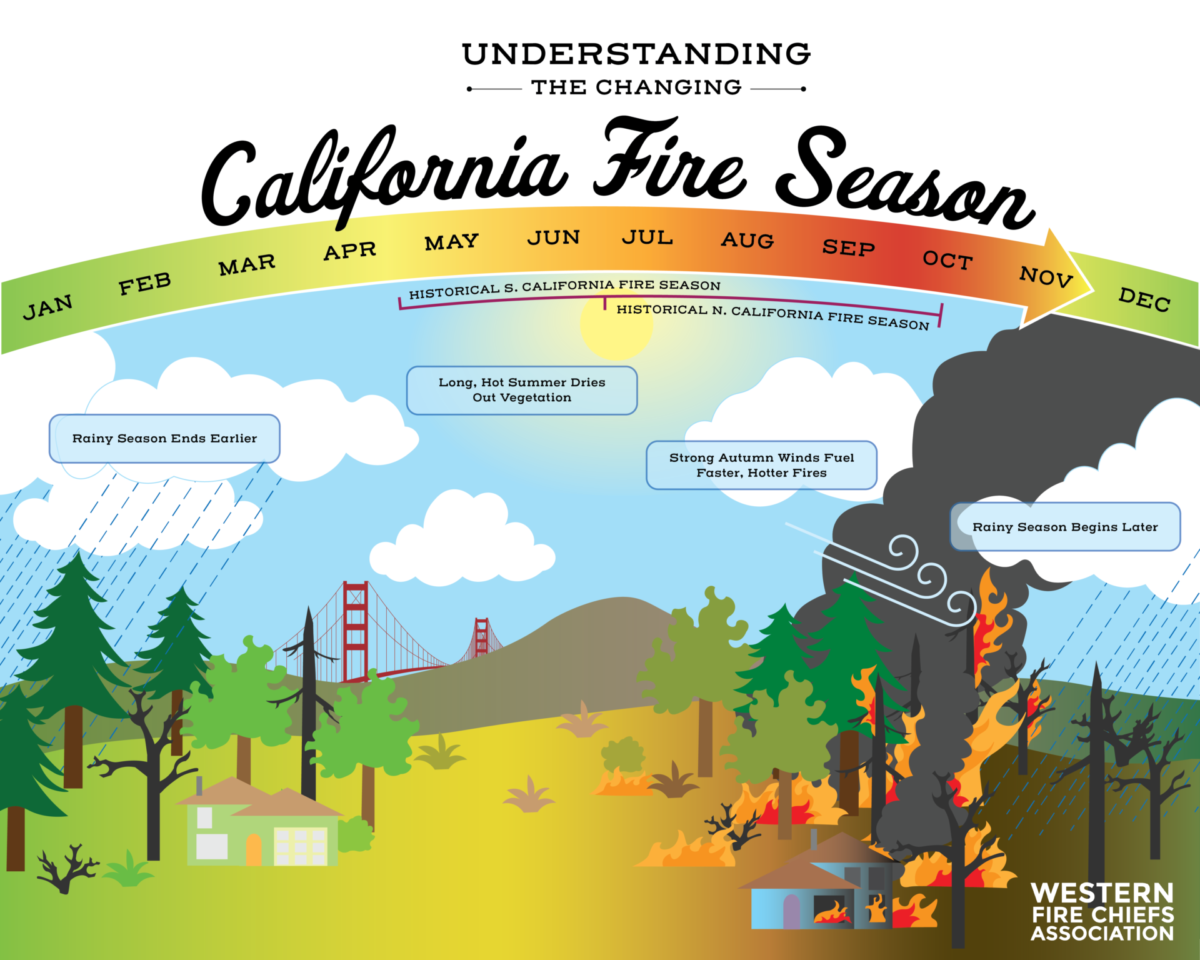
California experiences cyclical droughts, which are exacerbated by rising global temperatures. Prolonged periods of low rainfall lead to extremely dry vegetation – trees, shrubs, and grasses become desiccated, acting like tinder. The moisture content of these fuels is a critical factor; the lower the moisture, the more easily they ignite and the faster they burn. Drought conditions create a vast reservoir of highly flammable material across the state, from the coastal chaparral to the inland forests.
Wind: The Unseen Hand
Wind is arguably the most potent accelerant for wildfires. It provides oxygen to the flames, pushing them forward and spreading embers over large distances, a phenomenon known as “spotting.” Strong, gusty winds, often associated with weather patterns like the Santa Ana winds in Southern California or the Diablo winds in Northern California, can transform a small, manageable fire into an uncontrollable inferno within minutes. These winds dry out fuels further and carry burning material into unburned areas, rapidly increasing the fire’s size and complexity.
Topography: The Fire’s Pathway
The shape and slope of the land significantly influence fire behavior. Fires generally move faster uphill than downhill because the flames preheat the vegetation above them, making it easier to ignite. Steep canyons and narrow valleys can also act like chimneys, channeling wind and accelerating fire spread. Understanding topography is a key element for fire behavior prediction and suppression efforts, as it dictates where a fire is likely to go and how quickly it will advance.
Conclusion: A Shared Responsibility
The ignition of wildfires in California is a multifaceted issue, arising from a combination of natural occurrences and, predominantly, human activities. While lightning can strike without warning, the majority of fires are preventable. From maintaining electrical infrastructure and prosecuting arsonists to promoting responsible recreational practices and adhering to fire restrictions, every individual plays a role in safeguarding California’s precious natural heritage and the safety of its communities. By understanding the diverse ways these fires begin, we can collectively work towards mitigating their impact and fostering a more resilient future for the Golden State.
LifeOutOfTheBox is a participant in the Amazon Services LLC Associates Program, an affiliate advertising program designed to provide a means for sites to earn advertising fees by advertising and linking to Amazon.com. Amazon, the Amazon logo, AmazonSupply, and the AmazonSupply logo are trademarks of Amazon.com, Inc. or its affiliates. As an Amazon Associate we earn affiliate commissions from qualifying purchases.