
When planning a trip to the Massachusetts area, many travelers ponder the relationship between two of its most iconic cities: Cambridge and Boston. While often treated as separate entities, they are, in fact, incredibly close, sharing not only a border but also a vibrant cultural, academic, and economic ecosystem. The question “How far is Cambridge from Boston?” is less about a significant distance and more about the seamless connectivity that allows visitors to effortlessly experience the best of both worlds. This guide will delve into their proximity, outline the various ways to travel between them, and highlight the myriad attractions, accommodations, and lifestyle experiences that make this twin-city destination an unforgettable place to explore.
The Proximity and Interconnectedness of Cambridge and Boston
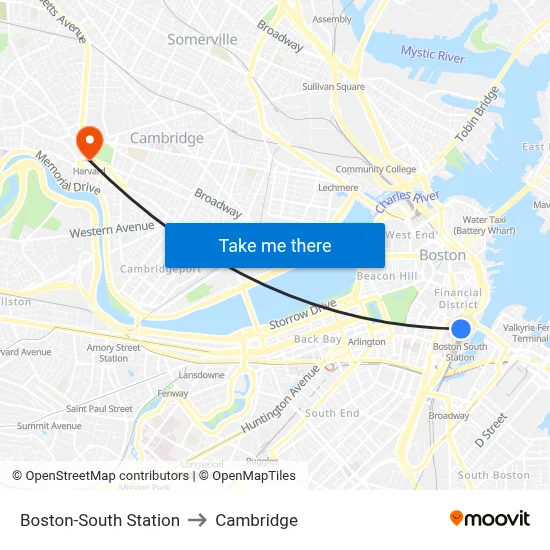
The geographical relationship between Cambridge and Boston is one of remarkable closeness, making them feel less like distinct cities and more like different neighborhoods of a sprawling, dynamic metropolitan area. This intertwining is a cornerstone of the region’s appeal for both residents and tourists.
A Tale of Two Cities, One Vibrant Region
Divided by the picturesque Charles River, Cambridge and Boston represent a fascinating duality. Boston, the capital of Massachusetts, is steeped in colonial history, cobblestone streets, and iconic landmarks that narrate the birth of a nation. It’s a city of red-brick elegance, financial prowess, and passionate sports fans. Just across the water, Cambridge exudes an intellectual and innovative spirit, home to world-renowned academic institutions like Harvard University and the Massachusetts Institute of Technology (MIT). Here, cutting-edge research, vibrant student life, and a progressive atmosphere define the urban landscape.
Despite their distinct personalities, these two cities are inextricably linked, culturally and physically. Bridges like the Longfellow Bridge and the Harvard Bridge don’t just span the Charles River; they symbolize the flow of ideas, people, and commerce that unite the region. Visitors often find themselves crossing between the cities multiple times a day, effortlessly transitioning from Boston’s historic sites to Cambridge’s academic avenues, all within a matter of minutes. This symbiotic relationship enhances the travel experience, offering a diverse range of attractions and experiences within a compact area.
The Literal Distance: Miles and Minutes
In practical terms, the distance from Cambridge to Boston is minimal. Depending on your exact starting and ending points, the core areas of the two cities are often just 1 to 3 miles (about 1.6 to 4.8 kilometers) apart. For instance, traveling from Harvard Square in Cambridge to Downtown Crossing in Boston is approximately 3-4 miles.
The perceived “farness” often depends on the mode of transportation chosen:
- Driving: While the physical distance is short, driving can sometimes be the slowest option due to traffic congestion, especially during rush hour, and the challenge of finding parking. A drive that might take 10-15 minutes in light traffic could easily stretch to 30-45 minutes or more during peak times.
- Public Transportation: This is often the most efficient and recommended way to travel. The MBTA’s Red Line connects key points in both cities. A ride from Harvard Square to Park Street in Boston typically takes about 10-15 minutes, not including waiting time.
- Walking/Biking: For those who enjoy active exploration, walking or biking offers a delightful experience. Crossing one of the many bridges can take anywhere from 15 to 30 minutes on foot, depending on the bridge and your pace, providing scenic views of the Charles River and the skylines of both cities.
Ultimately, the answer to “How far?” is not a daunting number but rather an invitation to explore a seamlessly connected urban landscape where two distinct yet harmonious cities await.
Navigating Between Cambridge and Boston: Your Travel Guide
Given their close proximity, traveling between Cambridge and Boston is exceptionally straightforward. A variety of transportation options cater to different preferences, budgets, and schedules, making it easy for visitors to explore both vibrant locales.
Public Transportation: The Easiest Way to Travel
For most visitors, the most convenient, cost-effective, and efficient way to navigate between Cambridge and Boston is via the Massachusetts Bay Transportation Authority (MBTA), affectionately known as “the T.”
The Red Line is the primary artery connecting the two cities. It runs from Alewife in Cambridge, through major Cambridge hubs like Harvard Square, Central Square, and Kendall Square/MIT, before crossing the Charles River into Boston. In Boston, it stops at crucial downtown locations such as Park Street, Downtown Crossing, and South Station, providing access to various historical sites, shopping districts, and other T lines.
Key advantages of the T:
- Frequency: Trains run regularly throughout the day, typically every 5-10 minutes during peak hours.
- Cost-effectiveness: A single fare is relatively inexpensive, and multi-day passes (CharlieCards) offer even greater value for extended stays.
- Connectivity: The Red Line intersects with other subway lines (Green, Orange, Blue) in Boston, allowing seamless travel to almost any part of the city.
- Environmentally Friendly: It’s a great way to reduce your carbon footprint while exploring.
Beyond the subway, the MBTA also operates a comprehensive bus network that serves routes not covered by the subway, providing additional flexibility, especially for reaching specific neighborhoods or attractions.
Driving and Ride-Sharing: Flexibility with a Catch
For travelers who prioritize flexibility or are burdened with luggage, driving or utilizing ride-sharing services (such as Uber or Lyft) can be a viable option. It allows for direct, door-to-door travel without the need to navigate public transit maps.
Considerations for driving:
- Traffic: Both Cambridge and Boston are known for significant traffic congestion, particularly during morning and evening rush hours (roughly 7-9 AM and 4-6 PM on weekdays). A short drive can quickly become a lengthy ordeal.
- Parking: Parking in both cities is notoriously challenging and expensive. On-street parking is often limited by resident permits, and garage parking can add a substantial cost to your daily budget. Many hotels offer parking, but often for a fee.
- Navigation: While GPS makes navigation easier, the maze of one-way streets and historic layouts in Boston can still be tricky.
Ride-sharing services offer a good compromise, providing the convenience of a car without the hassle of parking or navigation. They are widely available and can be particularly useful for late-night travel or when carrying heavy bags. However, surge pricing during peak demand can make them significantly more expensive than public transport.
Walking and Biking: Scenic Routes and Healthy Exploration
For those who enjoy a more active and immersive travel experience, walking and biking between Cambridge and Boston are excellent choices, especially on pleasant days.
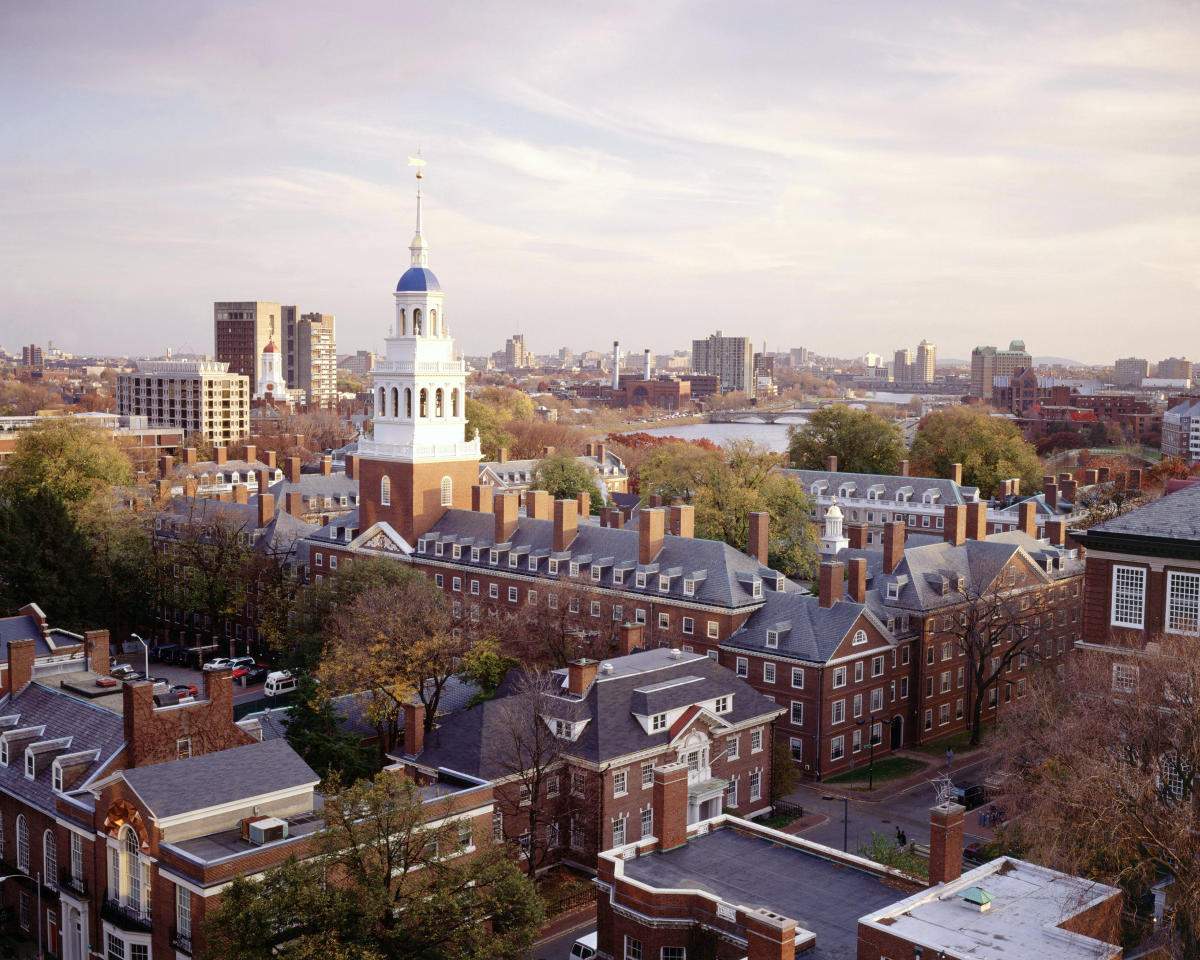
- Walking: The relatively short distances make walking a popular option for many. Strolling across the Longfellow Bridge or the Harvard Bridge offers breathtaking panoramic views of the Boston skyline and the Cambridge riverfront. The Charles River Esplanade provides miles of scenic pathways perfect for a leisurely walk or jog, connecting various points in both cities along the water’s edge. This allows for a unique perspective, soaking in the atmosphere and discovering hidden gems along the way.
- Biking: The region is increasingly bike-friendly, with dedicated lanes and the widespread availability of Bluebikes, a public bike-sharing system. You can pick up a bike in one city and drop it off in another, making it an efficient and enjoyable way to cover ground. Biking along the Charles River Esplanade is a particularly popular activity, combining exercise with stunning views.
Choosing the right mode of transport depends on your priorities: public transport for efficiency and cost, driving/ride-sharing for convenience (with caveats), and walking/biking for an immersive, active experience. Often, a combination of these methods provides the best way to fully explore the Boston-Cambridge area.
What to Explore: Destinations and Attractions in Both Cities
The close proximity of Cambridge and Boston means that visitors can easily immerse themselves in the distinct characters and diverse attractions of both cities, offering a comprehensive New England experience.
Cambridge: A Hub of Academia and Innovation
Cambridge is a city defined by intellectual pursuit, groundbreaking innovation, and a vibrant, youthful energy. Its attractions often revolve around its world-class universities and the cultural tapestry woven by their communities.
- Harvard University: A visit to Harvard is a must. Explore the historic Harvard Yard, walk through its stately gates, and soak in centuries of academic tradition. Don’t miss the Harvard Museum of Natural History, famous for its Glass Flowers collection, or the various other museums and libraries open to the public. The bustling Harvard Square surrounding the university is a destination in itself, with bookstores, cafes, boutiques, and street performers.
- Massachusetts Institute of Technology (MIT): Just a short ride away, MIT showcases modern architectural marvels and technological innovation. Wander through its campus, admire the futuristic Stata Center designed by Frank Gehry, and visit the MIT Museum to see exhibits on robotics, artificial intelligence, and holography.
- Kendall Square: Often called “the most innovative square mile on the planet,” Kendall Square is a global hub for biotech and pharmaceutical companies. Beyond its scientific prowess, it’s a lively area with excellent restaurants, outdoor spaces, and a modern, energetic atmosphere.
- Beyond the Universities: Explore other vibrant Cambridge neighborhoods like Central Square, known for its diverse music venues, international cuisine, and bohemian vibe, or Inman Square with its independent shops and acclaimed eateries. For a tranquil escape, Mount Auburn Cemetery offers stunning landscapes, rich history, and a peaceful environment perfect for a reflective stroll.
Boston: A Blend of History, Culture, and Modernity
Boston, with its deep historical roots and contemporary vibrancy, offers an unparalleled array of experiences, from Revolutionary War sites to world-class museums and bustling urban districts.
- The Freedom Trail: This iconic 2.5-mile red-lined path connects 16 historically significant sites, providing a fascinating journey through America’s fight for independence. Highlights include Faneuil Hall, the Paul Revere House, the Old North Church, and the Bunker Hill Monument.
- Parks and Green Spaces: Relax in the country’s oldest public park, Boston Common, or take a scenic stroll through the adjacent Public Garden, famous for its Swan Boats and vibrant flowerbeds.
- Museums and Culture: Art enthusiasts will delight in the Museum of Fine Arts (MFA), home to a vast collection spanning centuries and cultures, or the exquisite Isabella Stewart Gardner Museum, a Venetian-style palace housing a captivating personal art collection. The New England Aquarium on Boston Harbor offers marine wonders, while a harbor cruise provides unique city views and historical insights.
- Neighborhood Charm: Explore the picturesque, gaslit streets of Beacon Hill with its Federal-style row houses, or indulge in retail therapy along the chic boutiques and art galleries of Newbury Street in Back Bay. For an authentic taste of Italy, wander through the bustling alleys and savor delicious cuisine in the historic North End.
From academic pursuits to revolutionary history, and from cutting-edge science to classic New England charm, the combined offerings of Cambridge and Boston ensure that every traveler finds something to inspire and delight them.
Accommodation and Lifestyle: Making the Most of Your Stay
A truly memorable trip to Cambridge and Boston involves not just exploring its landmarks but also immersing yourself in its unique lifestyle, from where you lay your head at night to the culinary delights you savor.
Where to Stay: Hotels, Suites, and Unique Stays
Both Cambridge and Boston offer a diverse range of accommodations to suit every preference and budget, from luxurious resorts to charming boutique hotels and practical extended-stay options.
In Cambridge, you’ll find hotels that often cater to university visitors, business travelers, and those seeking a more academic or innovative atmosphere.
- Near MIT and Kendall Square, options like the Hotel Marlowe or the Royal Sonesta Boston offer modern amenities and easy access to both cities via the Red Line.
- In Harvard Square, the prestigious The Charles Hotel provides a sophisticated stay with a vibrant atmosphere.
- Budget-friendly hotels and guesthouses are also available, especially further from the university centers.
Boston, as a major global city, boasts an even wider array of choices:
- Luxury: Indulge in opulence at the Boston Harbor Hotel with its waterfront views, or the Four Seasons Hotel Boston overlooking the Public Garden.
- Historic Charm: Stay at the iconic Omni Parker House, a legendary hotel near the Freedom Trail, or explore boutique hotels in areas like Beacon Hill.
- Mid-range and Budget: Numerous chain hotels and independent establishments across various neighborhoods offer comfortable stays for different price points.
- Long-term Stays: For extended visits, serviced apartments or platforms like Airbnb provide a home-away-from-home experience with kitchens and more living space.
Booking in advance is highly recommended, especially during peak seasons (summer, fall foliage, university graduation periods) or when major events are happening. Comparing prices and amenities across different booking platforms can also help secure the best deals.
Culinary Experiences: A Taste of New England and Beyond
The food scene in Cambridge and Boston is as diverse and dynamic as its population, offering everything from classic New England fare to innovative international cuisine.
In Cambridge, the culinary landscape is shaped by its academic and diverse communities. You’ll find a wealth of international restaurants, trendy cafes, gastropubs, and innovative eateries, particularly in Harvard Square, Central Square, and Kendall Square. It’s a fantastic place to explore global flavors and cutting-edge culinary trends.
Boston offers a more traditional yet equally exciting dining experience:
- Seafood: A trip to Boston is incomplete without indulging in fresh New England seafood. Savor clam chowder, lobster rolls, and fresh oysters at renowned establishments like Legal Sea Foods or the many raw bars along the waterfront.
- Italian Delights: The North End is Boston’s oldest residential neighborhood and its vibrant Little Italy. Explore dozens of authentic Italian restaurants, bakeries (like Mike’s Pastry and Modern Pastry), and gelaterias.
- Upscale Dining: From the elegant dining rooms of Back Bay to innovative menus in the Seaport District, Boston boasts numerous fine dining establishments.
- Food Tours: Consider a food tour in the North End or a craft beer tour in either city to truly experience the local flavors and learn about the region’s culinary history.
Planning Your Trip: Tips for an Unforgettable Experience
To maximize your visit to this incredible region, keep these tips in mind:
- Best Time to Visit: Spring (April-May) and Fall (September-October) offer the most pleasant weather, vibrant foliage, and fewer crowds than the summer peak. Winter can be beautiful with snow, but also very cold.
- Comfortable Shoes: Both cities are incredibly walkable, especially if you plan to explore the Freedom Trail or university campuses. Pack comfortable footwear.
- MBTA Pass: If you plan to use public transport frequently, consider purchasing a multi-day CharlieCard or paper pass for unlimited rides, which can be more cost-effective than individual fares.
- Attraction Passes: For those planning to visit multiple paid attractions, consider a Go Boston Pass or a CityPASS, which can offer significant savings on admission fees.
- Check Event Calendars: Before your trip, look up local event listings. Both cities host numerous festivals, concerts, sporting events (like a Boston Red Sox game at Fenway Park), and university-related activities that can enrich your experience.
The synergy between Cambridge and Boston creates a truly unique travel destination. By considering your accommodation preferences, indulging in the local cuisine, and planning your itinerary with these tips, you’re set for an unforgettable adventure.
In conclusion, the question “How far is Cambridge from Boston?” is less about distance and more about seamless connection. These two iconic cities, separated by the beautiful Charles River but intricately linked by history, innovation, and efficient transportation, offer a travel experience unlike any other. Whether you’re drawn to Boston’s revolutionary past and vibrant cultural scene or Cambridge’s intellectual energy and cutting-edge research, you’ll find that traversing between them is effortless. Embrace the opportunity to explore both, enjoying the unique blend of tradition and modernity, academic brilliance and urban charm that defines this remarkable New England region. From walking the historic Freedom Trail to strolling through Harvard Yard, and from savoring fresh seafood to indulging in international delights, your journey through the Boston-Cambridge metropolitan area promises a rich tapestry of experiences that will leave a lasting impression.
LifeOutOfTheBox is a participant in the Amazon Services LLC Associates Program, an affiliate advertising program designed to provide a means for sites to earn advertising fees by advertising and linking to Amazon.com. Amazon, the Amazon logo, AmazonSupply, and the AmazonSupply logo are trademarks of Amazon.com, Inc. or its affiliates. As an Amazon Associate we earn affiliate commissions from qualifying purchases.